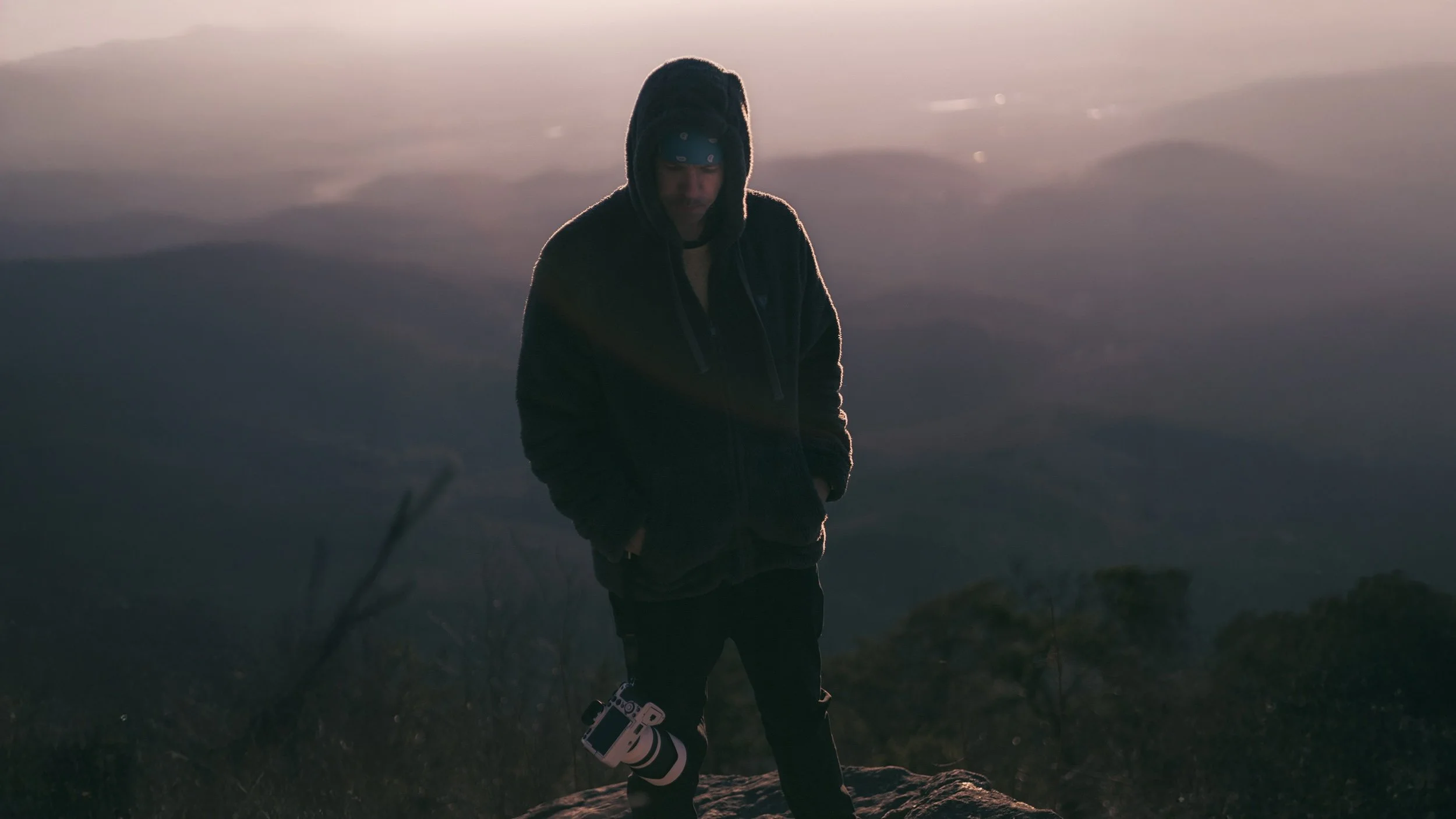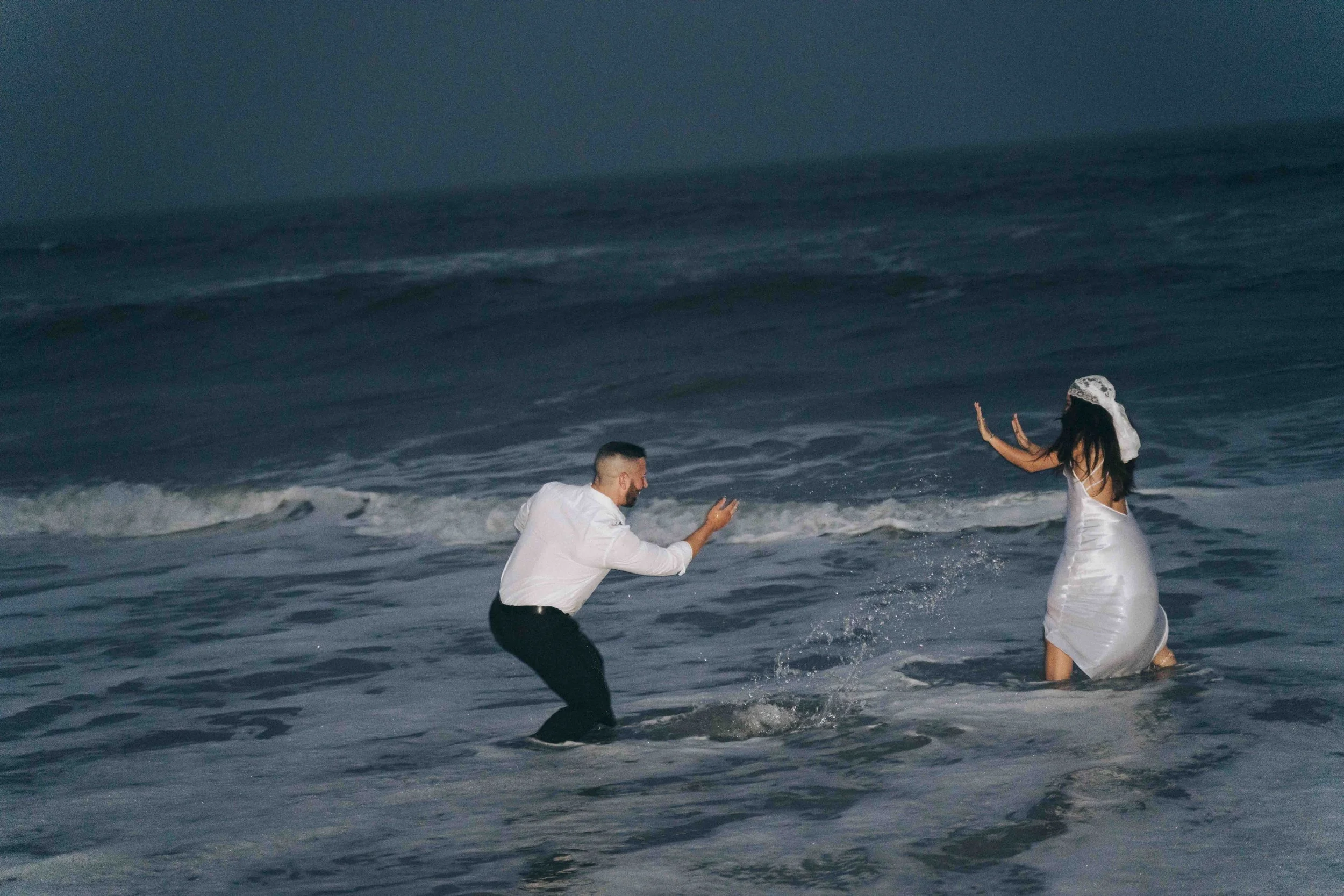
Apo Island Prenup Photographer
Caz Isaiah | Stills and films shaped by tides, footpaths, and quiet island rhythm as an Apo Island Prenup Photographer
Apo Island Prenup Photographer
Caz Isaiah | Stills and films shaped by tides, footpaths, and quiet island rhythm as an Apo Island Prenup Photographer
Before the Scene Begins
Some places ask you to slow down before you even realize you are moving too fast.
I know the Philippines through timing rather than maps, through how ferries idle, how conversations pause, and how light waits instead of performing.
On Apo Island, the rhythm is set before you arrive, long before cameras or plans enter the frame.
Footsteps are measured because paths are narrow, shared with children, fishermen, and goats moving without urgency.
The photographer does not arrive to announce anything here.
The role is to listen to how the island breathes, to notice when people stop walking and start watching the water.
The Invitation
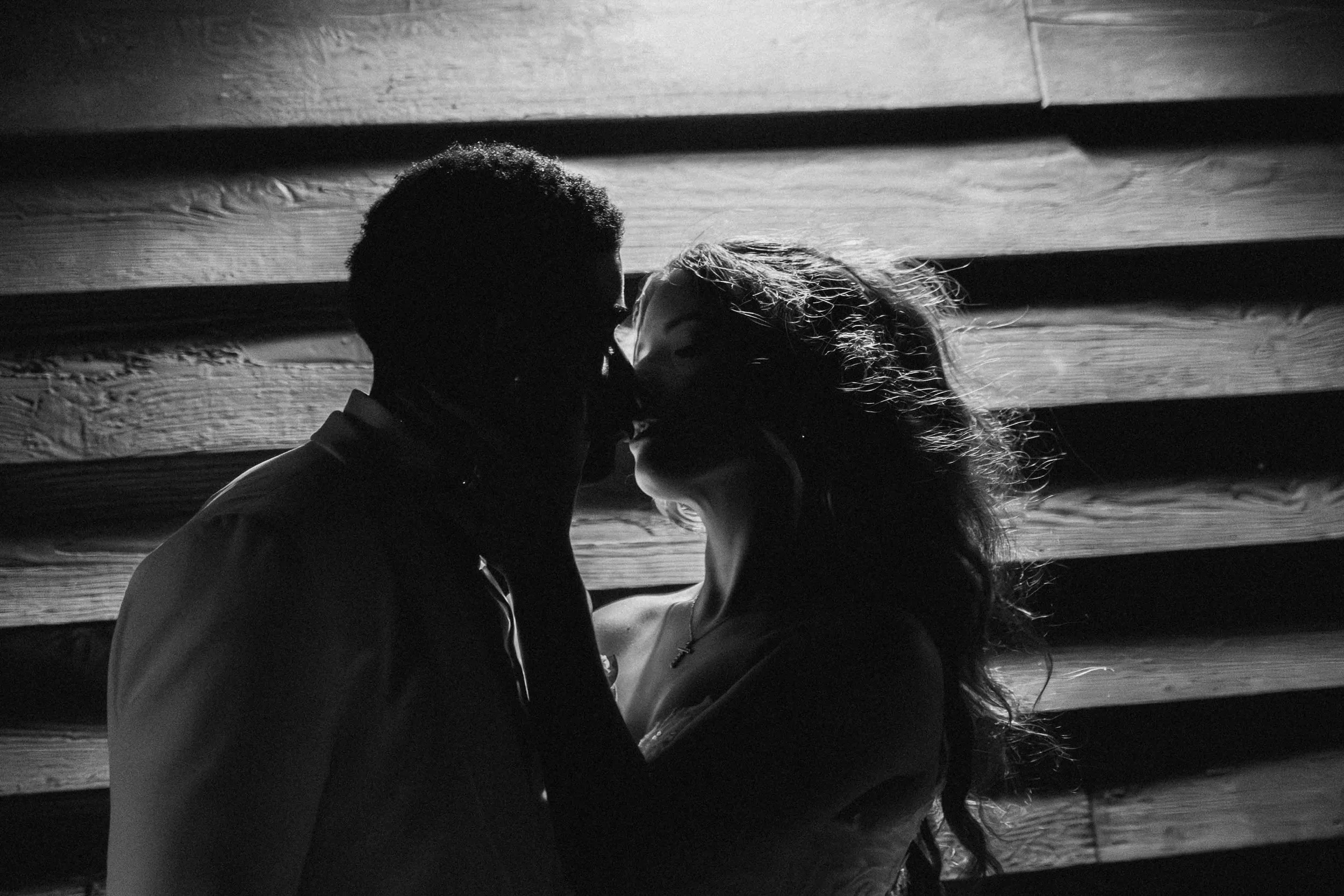
A prenup in Apo Island is not introduced, it is entered.
Arrival begins with a boat cutting its engine early, drifting toward shore while waves decide the last distance.
People step down carefully, shoes in hand, attention already changing as the ground shifts from sand to coral fragments.
Movement becomes deliberate because the island is small and everything is visible.
On Apo Island, there is no crowd to disappear into, no long drive to reset posture.
Couples stand differently here, closer together, quieter, aware that every sound carries.
The work begins by following footpaths between houses, by waiting for fishermen to pass, by letting the island choose when the first frame appears.
The Descent
Once the camera lifts, Apo Island begins feeding the scene without instruction.
The sound of water against rock is constant but uneven, rising and dropping with the tide rather than the clock.
Wind moves across the island in short bursts, bending palms briefly before leaving them still again.
Timing is decided by heat and shade, by when clouds pass overhead and when boats return to shore.
Direction stays minimal because the island offers very few choices.
You move along the edge, toward the reef, back through the village, then out again when the light softens.
The camera follows these shifts quietly, responding instead of leading.
The Scene
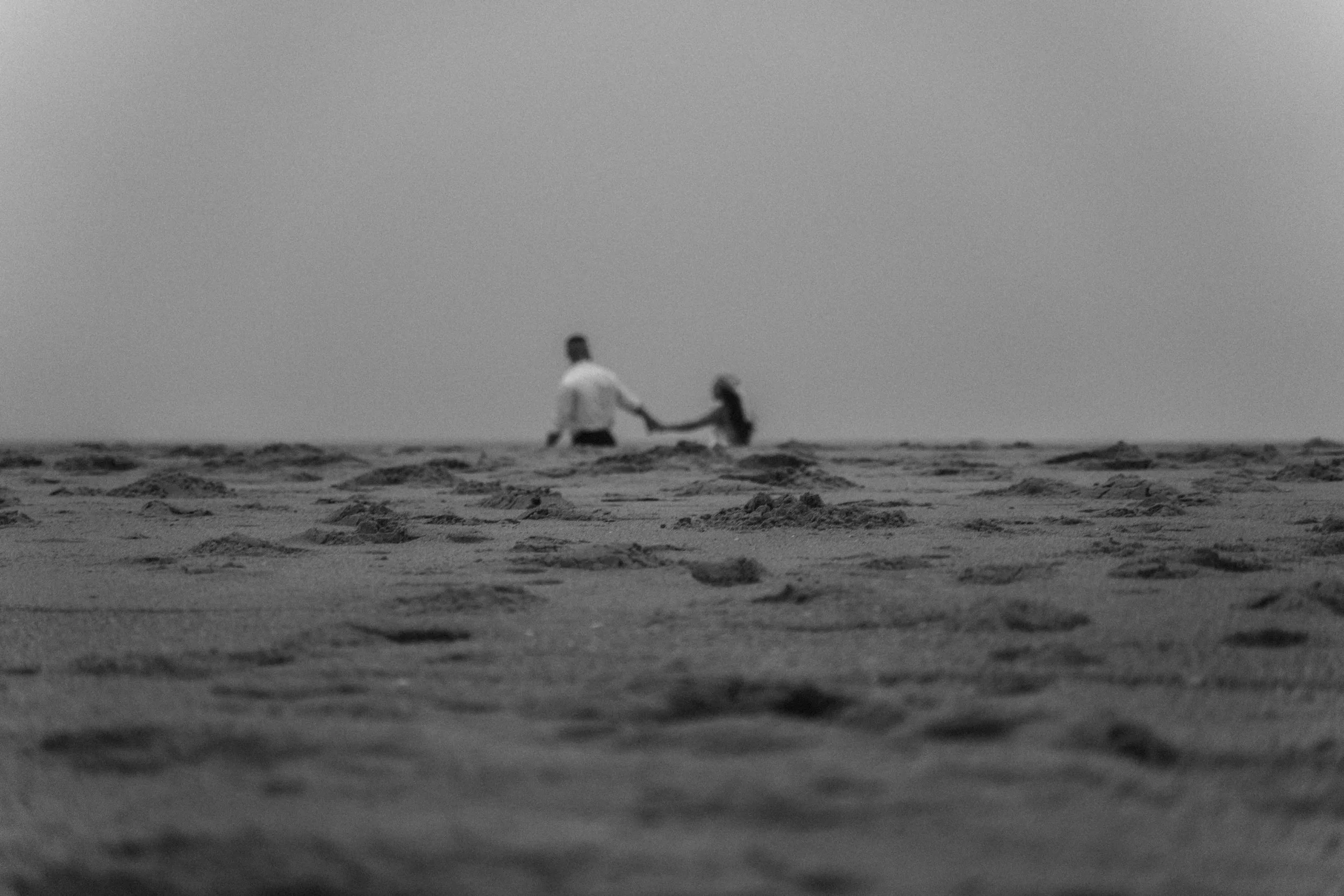
Location: Apo Island — coral shoreline and reef edge at low tide.
The sequence begins where the water pulls back, exposing dark stone, shells, and tidal pools reflecting the sky.
A couple walks barefoot, pausing often, adjusting their steps as waves return without warning.
As the tide rises, the ground disappears and the scene tightens, forcing closeness, hands reaching automatically for balance.
Later, clouds gather offshore and the horizon darkens, changing contrast without ceremony.
Apo Island appears again in the background through fishing boats drifting, houses standing open, dogs crossing the frame.
By the end of the sequence, the island has shifted completely, not through spectacle but through accumulation.
This could only happen here because nowhere else removes distance so completely.
What It Actually Feels Like
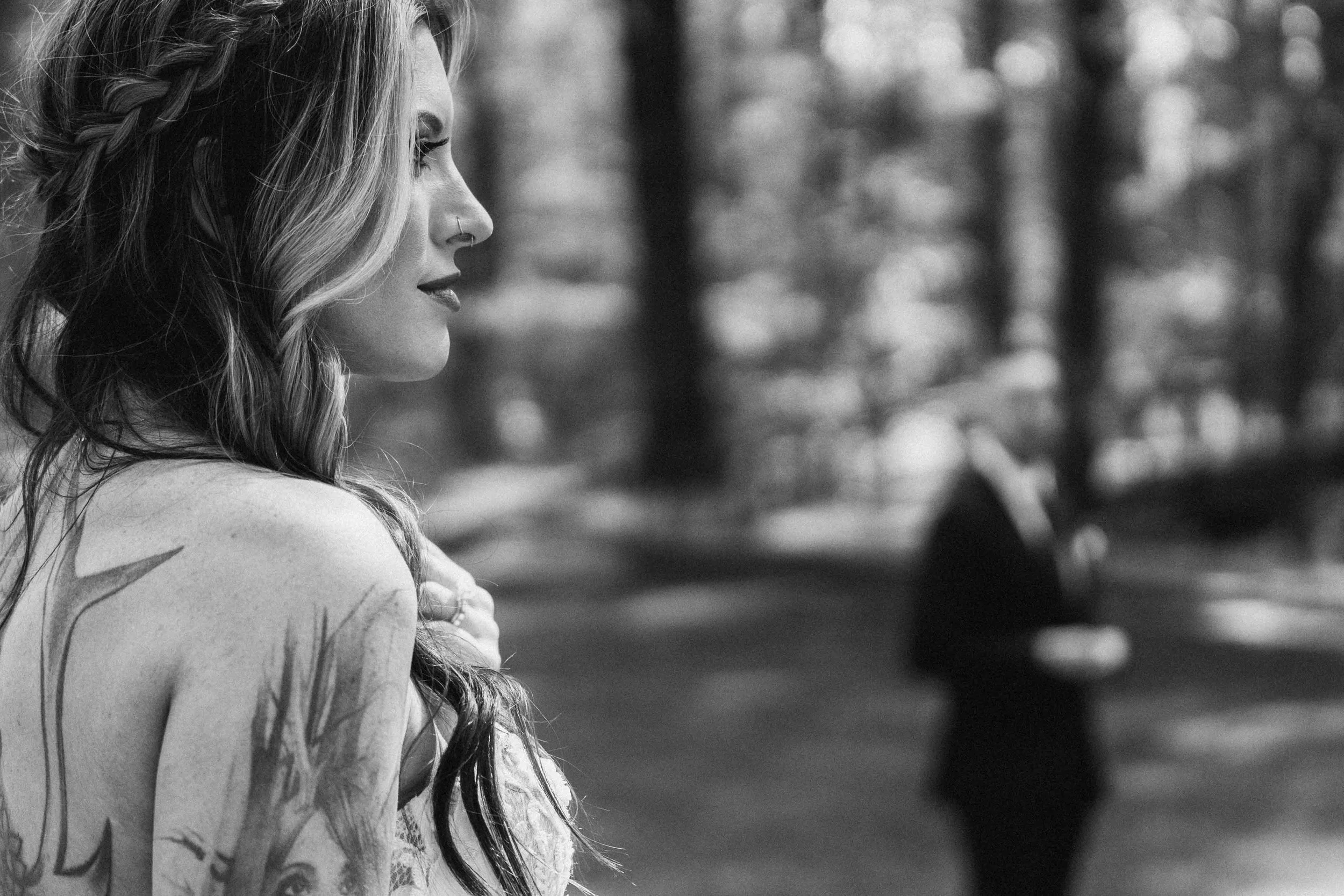
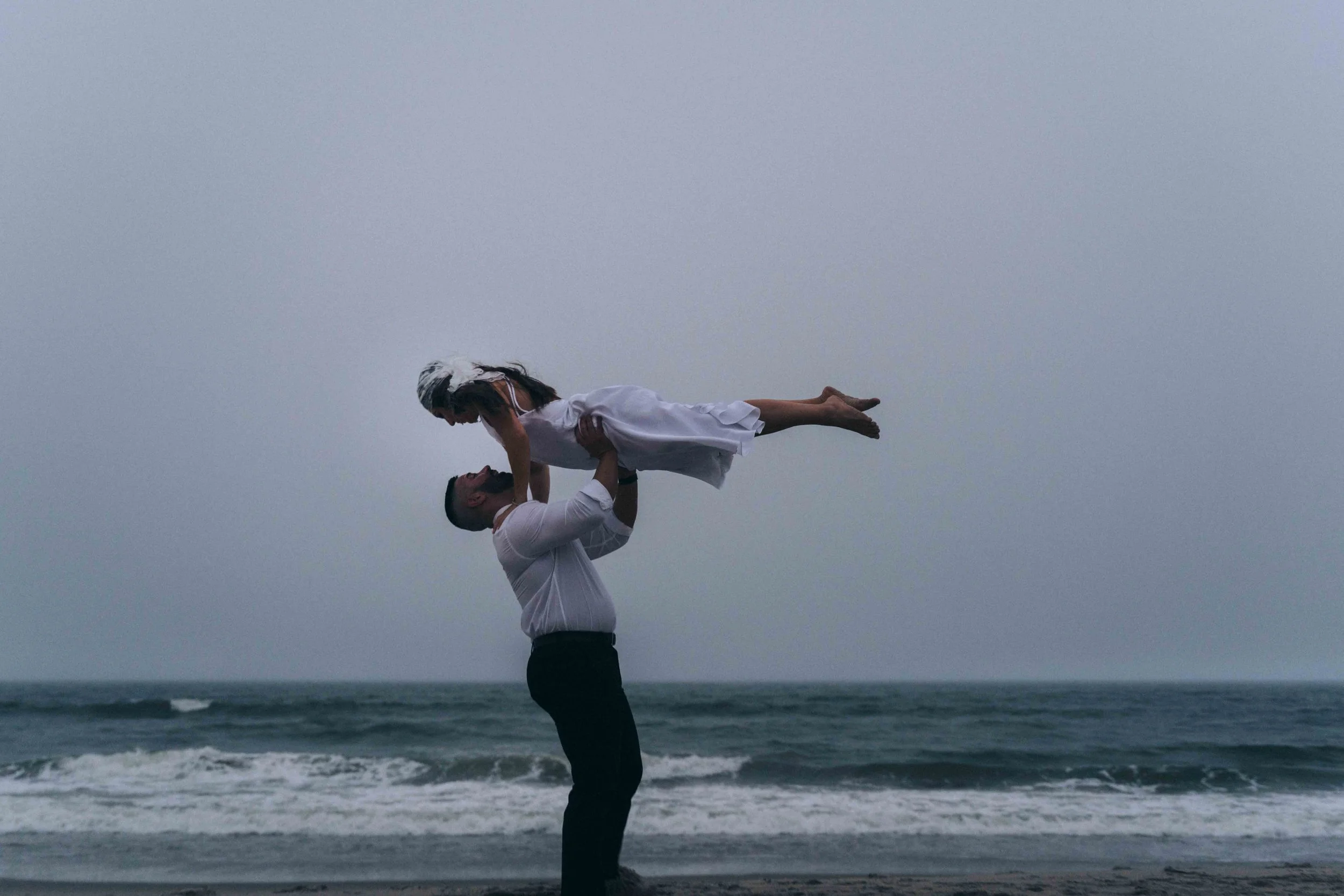
You’ll receive 40–50 hand-edited stills, shaped through light and atmosphere into a visual memory. The experience may unfold in one setting or move across multiple locations and days, allowing contrast and progression without breaking the feeling of the story.
For motion, a 6–12-minute film can be added, drawn from the same moments as the stills.
The Way a Scene Finds Its Shape
The work adapts to Apo Island instead of imposing direction.
There are no hidden roads, no alternate routes, no controlled environments.
Environmental constraints become structure, from limited shade to shifting waterlines to constant human presence.
These constraints remove excess and sharpen attention.
The scene finds its shape through repetition of movement, through waiting, through returning to the same shoreline as conditions change.
Nothing is produced here.
Everything is received, observed, and carried forward exactly as the island presents it.
About Me
I am Caz Isaiah — a Fragmented Memories photographer, shaping cinema from unscripted moments and the atmosphere around you. My work lives in the space between direction and intuition: the pull of weather, the shift of light, the breath before something real appears. Nothing posed, nothing forced — just scenes that feel lived and held with intention.