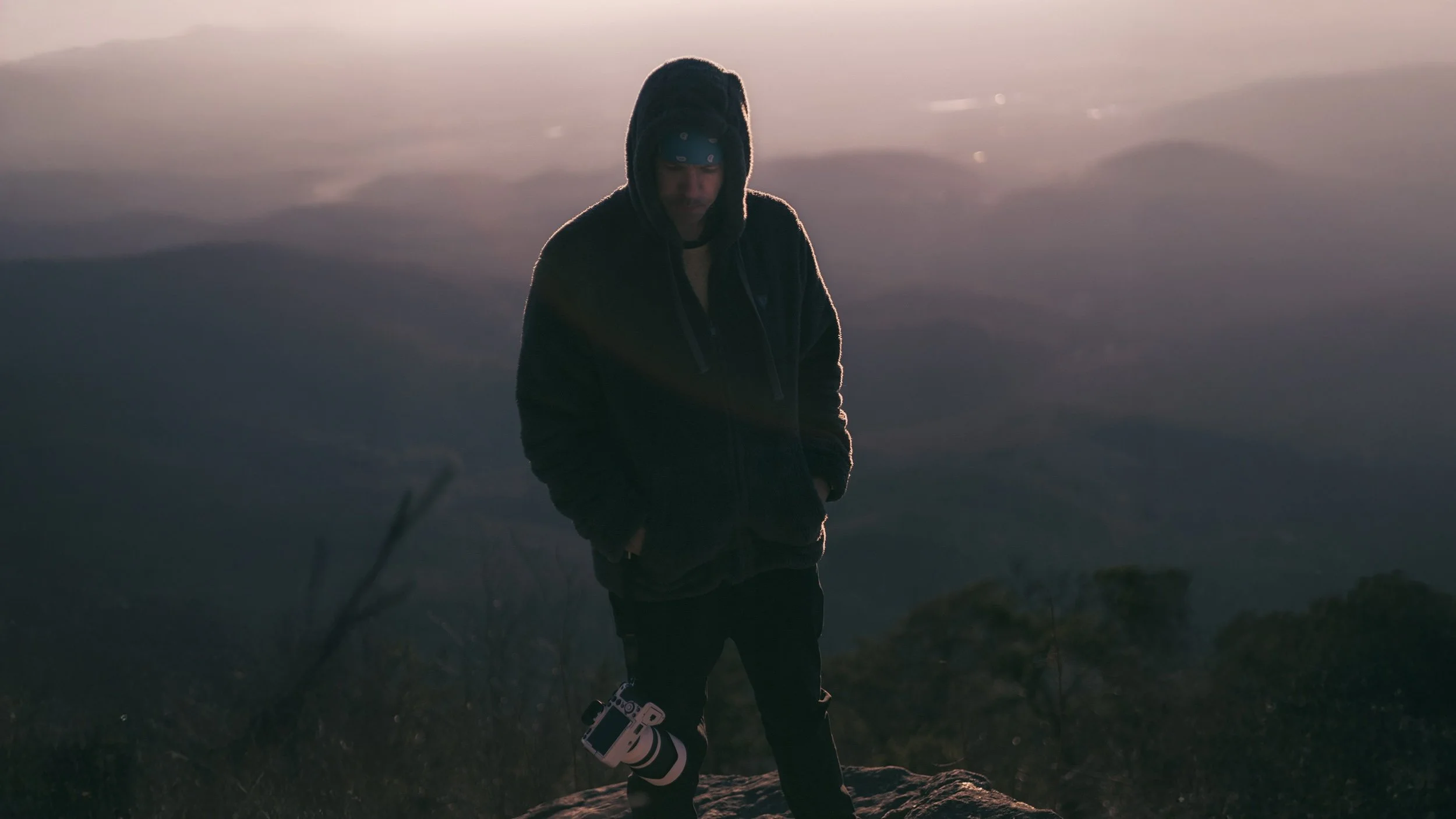
Banaue Prenup Photographer
Caz Isaiah | Banaue Prenup Photographer for cinematic stills and films shaped by altitude, terraces, and slow-moving mountain light
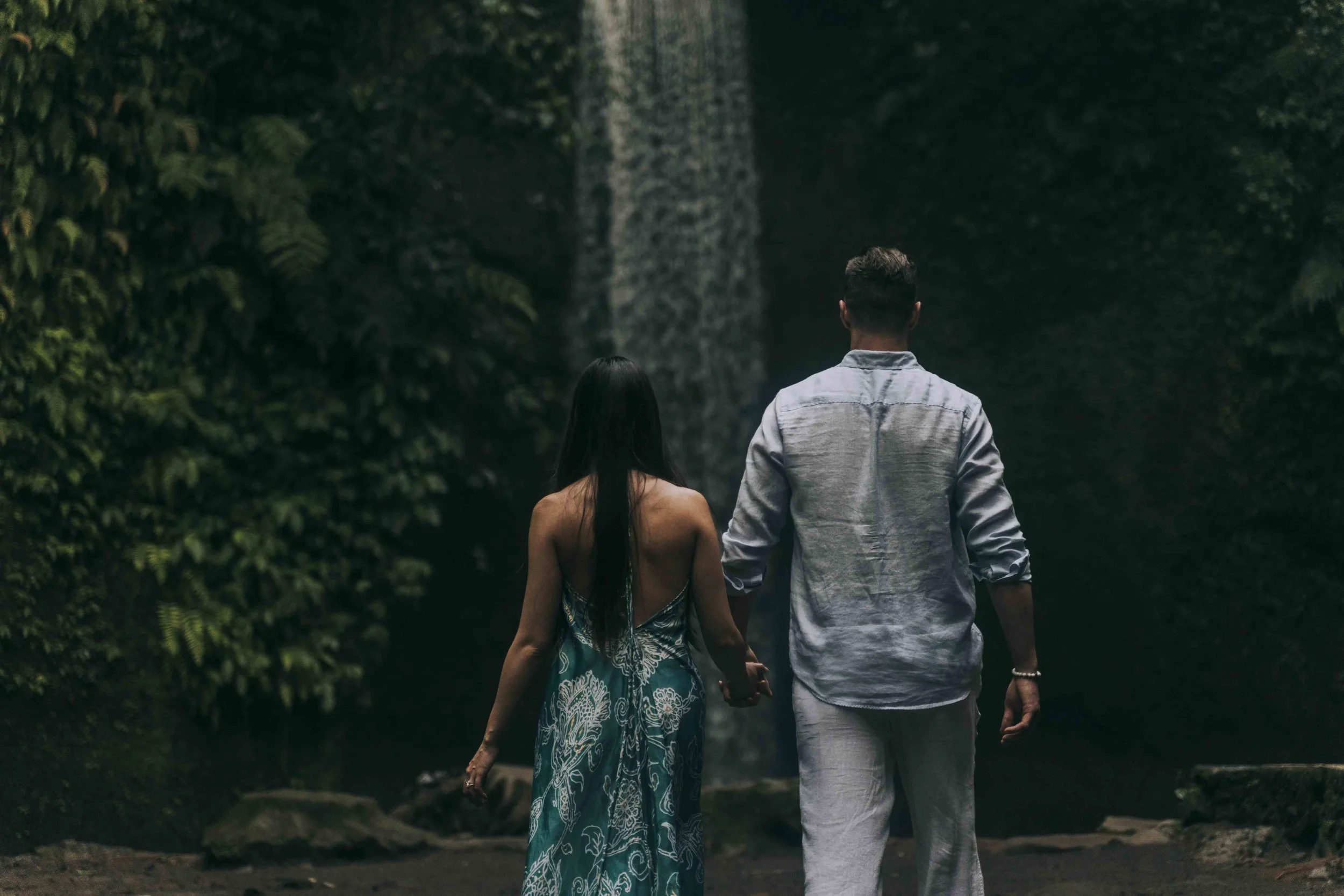
Banaue Prenup Photographer
Caz Isaiah | Banaue Prenup Photographer for cinematic stills and films shaped by altitude, terraces, and slow-moving mountain light
Before the Scene Begins
Some places slow your breathing before you realize it has changed.
I have moved through the Philippine highlands long enough to recognize how elevation alters time, sound, and attention before a camera ever rises.
In Banaue, the air thins without warning, footsteps shorten, and conversations soften as terraces stretch outward like held memory rather than scenery.
Movement here is vertical and deliberate, shaped by stone steps, narrow ridges, and paths worn by generations rather than travelers.
The presence of Banaue is not announced; it settles, asking you to stand still longer than planned and listen for what continues when nothing moves.
The Invitation
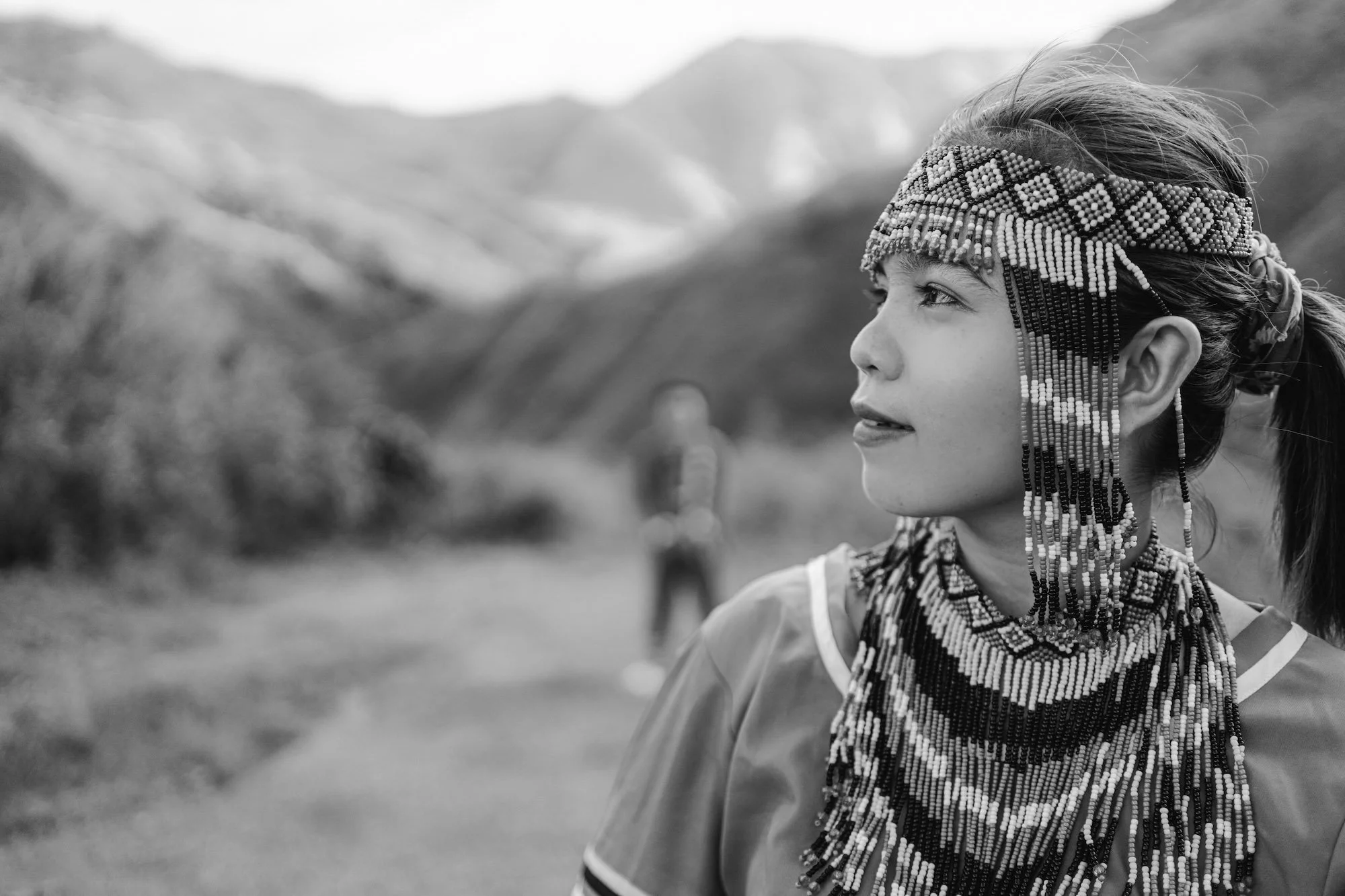
A prenup in Banaue is not introduced; it is entered.
Arrival happens by winding roads that climb steadily upward, where vehicles slow, engines strain, and silence expands between villages.
Walking becomes careful as paths narrow beside terraced edges, and posture changes instinctively, shoulders lowering as balance takes priority over speed.
Banaue begins shaping how couples stand, how close they remain, and how long they pause between steps, not through instruction but through terrain.
The work responds to this quiet authority, allowing the place to dictate when movement resumes and when stillness holds.
The Descent
Once the camera lifts, Banaue begins feeding the scene without negotiation.
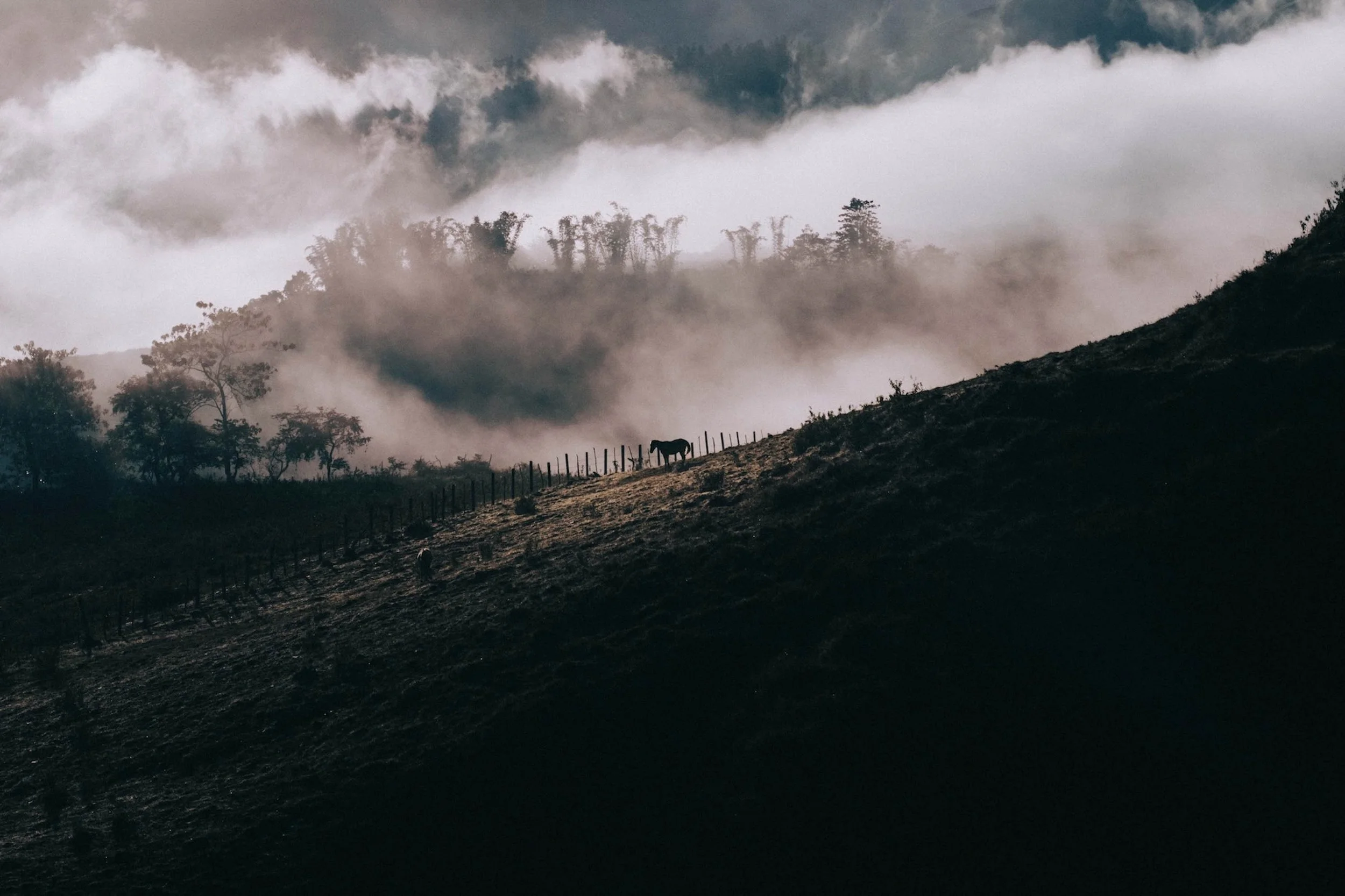
Morning fog drifts across terraces unevenly, revealing stone walls in fragments before closing them again.
Footsteps echo differently on packed earth than on carved stairways, and timing shifts with cloud movement rather than intention.
Voices carry briefly, then vanish into open space as the valley absorbs sound.
Direction becomes minimal because Banaue is already arranging posture, distance, and orientation through slope, wind, and elevation.
The scene forms as a response to these elements, not as a production imposed upon them.
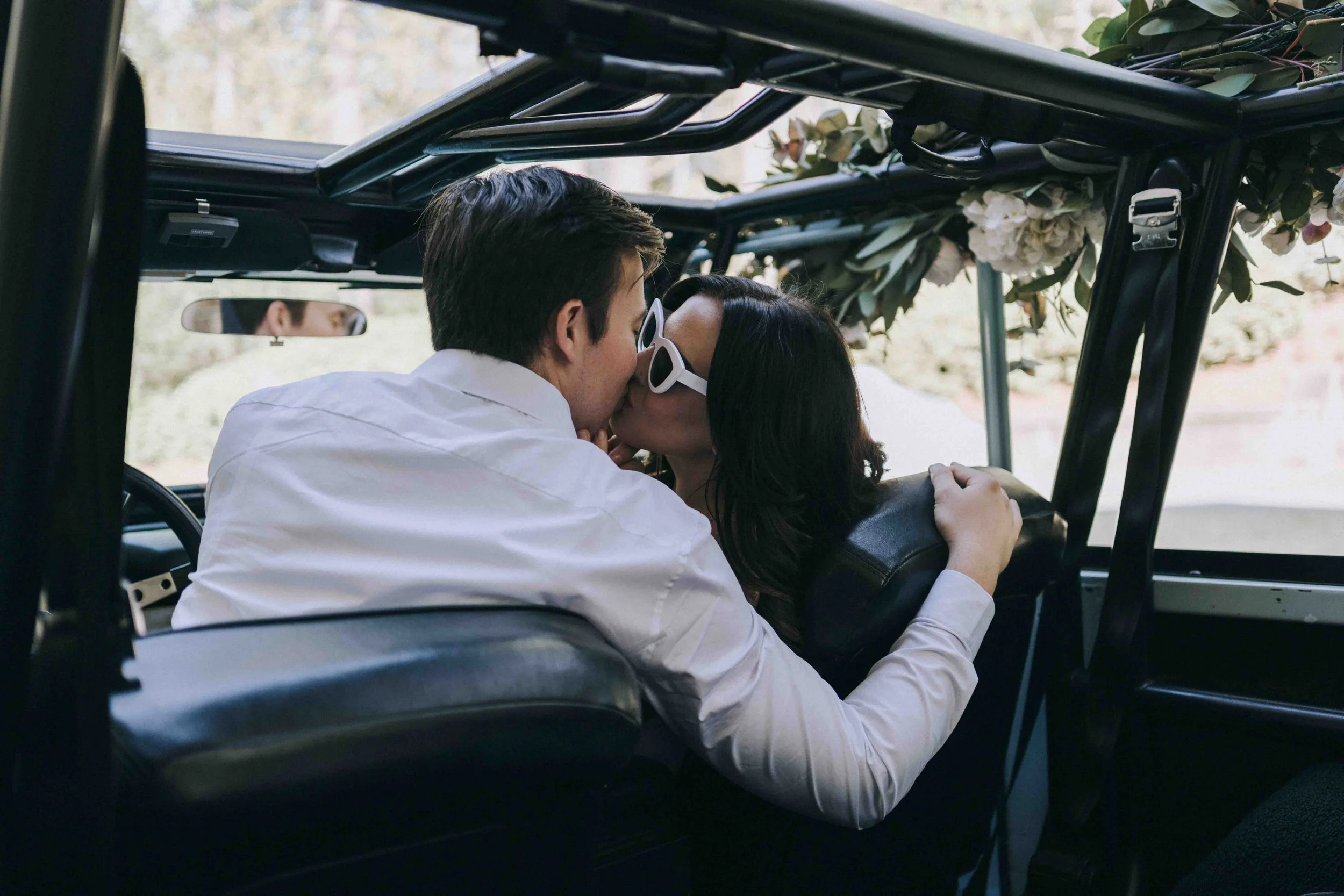
The Scene
Location: Banaue — stepped rice terraces carved into mountain faces, bordered by stone walls and narrow earthen paths.
The sequence unfolds along ridgelines where terraces descend in uneven layers, each step altering perspective and scale.
As clouds lift, sections of the valley appear, then disappear, changing the background without warning.
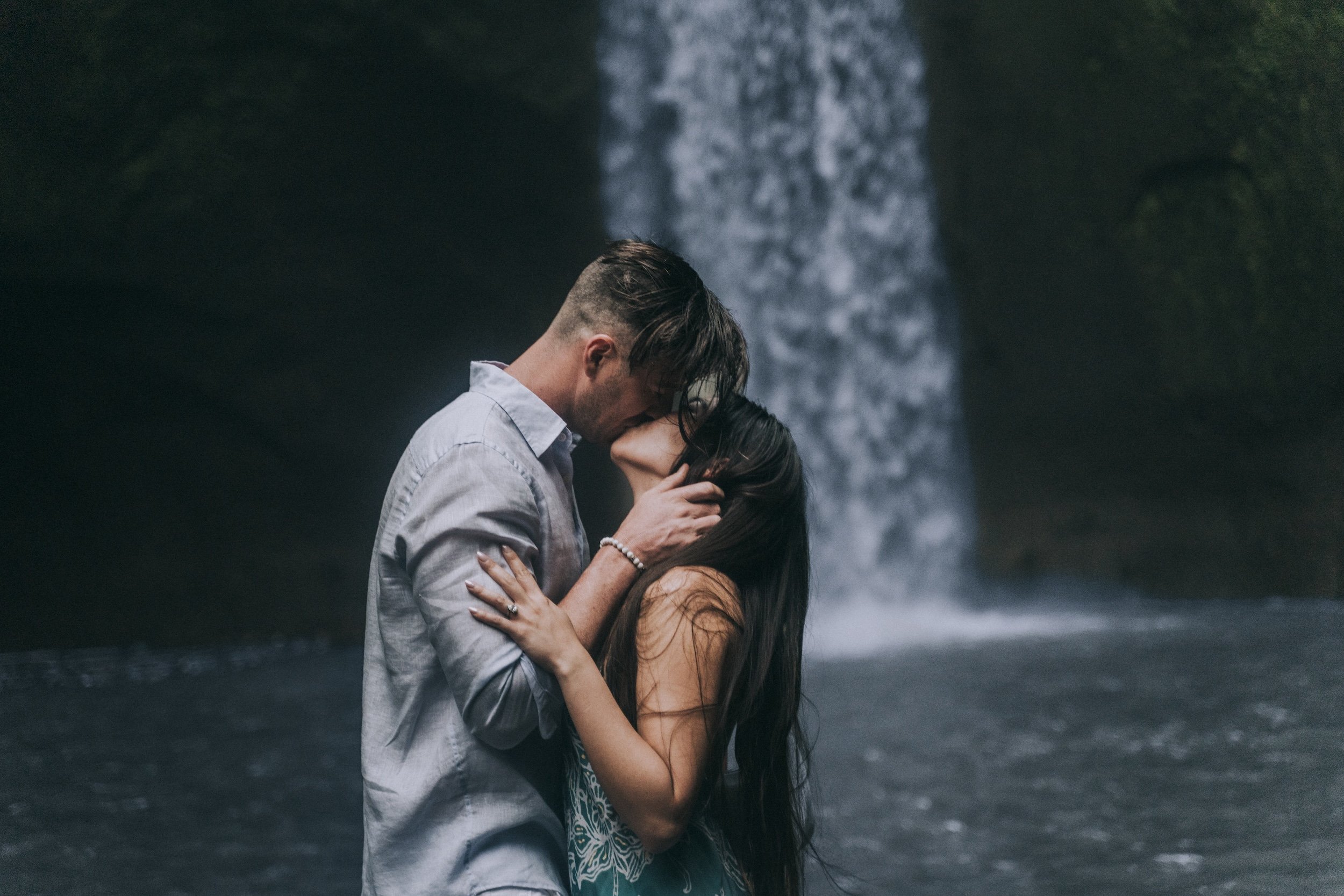
Couples move slowly along terrace edges, hands close, feet aligned to the slope rather than the camera.
Later, as mist thickens again, the terraces flatten visually, turning depth into repetition and compressing distance.
Banaue shifts continuously during the scene, never settling into a single view, making each frame dependent on the exact moment it was captured.
This sequence could only exist here, where land and altitude refuse consistency.
What It Actually Feels Like
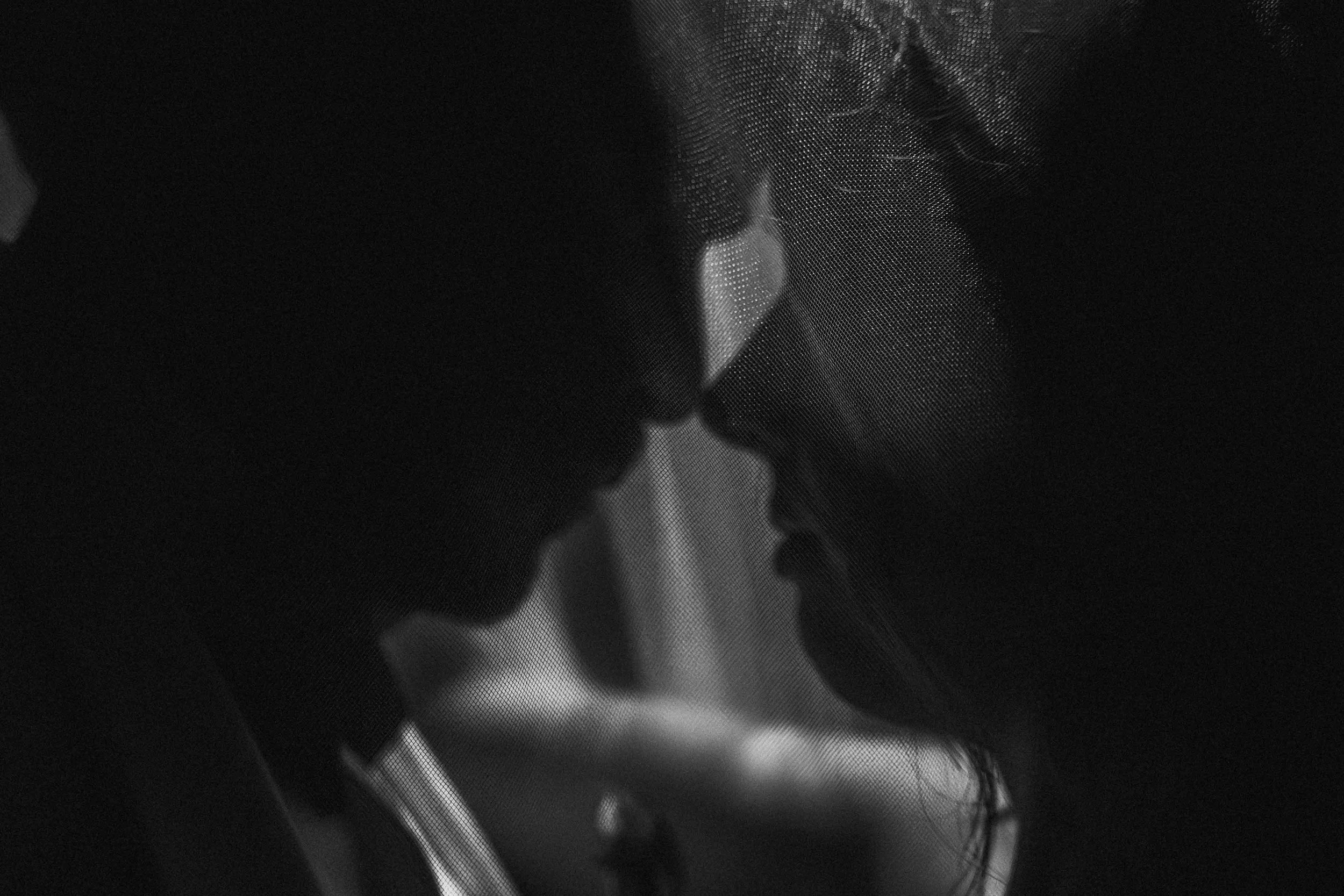
You’ll receive 40–50 hand-edited stills, shaped through light and atmosphere into a visual memory. The experience may unfold in one setting or move across multiple locations and days, allowing contrast and progression without breaking the feeling of the story.
For motion, a 6–12-minute film can be added, drawn from the same moments as the stills.
The Way a Scene Finds Its Shape
In Banaue, plans yield quickly to terrain.
Steep climbs shorten sessions naturally, forcing breaks that become part of the rhythm rather than interruptions.
Weather changes without warning, and patience replaces scheduling as the primary tool.
The work adapts to these conditions, allowing stills to emerge one at a time as complete frames rather than fragments of a larger construction.
Films are shaped through continuous observation, responding to how fog lifts, how light diffuses, and how bodies rest between climbs.
Nothing is rushed because Banaue does not reward haste, only presence.
The resulting scenes are not arranged but found, shaped by stone, elevation, and the quiet endurance of the landscape itself.
About Me
I am Caz Isaiah — a Fragmented Memories photographer, shaping cinema from unscripted moments and the atmosphere around you. My work lives in the space between direction and intuition: the pull of weather, the shift of light, the breath before something real appears. Nothing posed, nothing forced — just scenes that feel lived and held with intention.