
Batangas Prenup Photographer
Caz Isaiah | Cinematic stills and films grounded in volcanic terrain as your Batangas Prenup Photographer.
Batangas Prenup Photographer
Caz Isaiah | Cinematic stills and films grounded in volcanic terrain as your Batangas Prenup Photographer.
Before the Scene Begins
There is a moment when movement slows and the body adjusts without instruction. I have learned to read how days open in Southern Luzon, how heat settles early and how distance reshapes intention long before arrival. Batangas carries a physical weight that changes posture the moment the road begins to rise and curve away from the city.
Tricycles idle near small stores, fishermen move quietly along the shore, and the volcanic ground absorbs sound rather than reflecting it. I do not arrive with commands or timelines. I wait and observe how you stand, how you pause, how the land quietly presses itself into the frame.
The stills and films begin here, not with action, but with calibration to terrain, temperature, and the way time stretches once you step away from the highway.
THE INVITATION
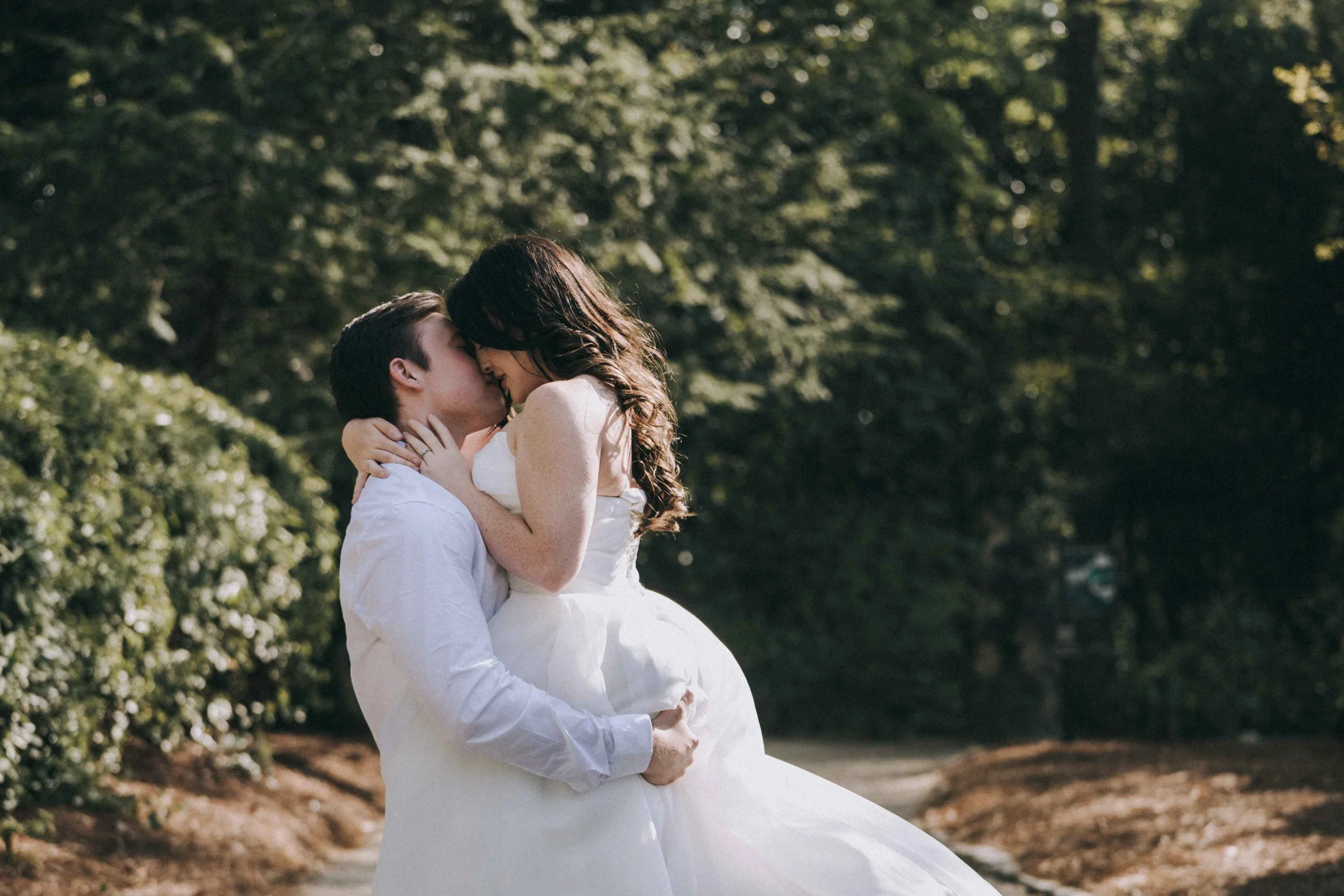
Entering Batangas is not marked by a single point but by a gradual shedding of pace. The road narrows as it skirts Taal Lake, the air thickens, and the scent of sulfur and wet stone replaces exhaust and concrete.
You move slower without realizing it, adjusting steps to uneven ground and heat that lingers close to the skin. I follow at a distance as you navigate the shoreline paths, lava rock underfoot and open water pressing against the horizon. This is a place where people live alongside the land rather than over it, and that relationship shapes how scenes unfold. The invitation is quiet and physical, guided by where shade exists, where wind cuts across the lake, and where the ground feels stable enough to stop.
Nothing is introduced here. The environment opens itself, and we step into it together.
THE DESCENT
Once the camera is raised, Batangas begins to direct the work with subtle authority.
The soundscape is sparse and layered, distant boats crossing the lake, wind brushing through low trees, the occasional crack of stone underfoot. Timing shifts with cloud cover and heat rather than schedule. Direction becomes minimal, limited to small adjustments that keep bodies aligned with the land rather than posed against it.
Volcanic textures dominate the frame, matte blacks and muted greens absorbing light rather than reflecting it. The stills and films gather their strength from restraint, allowing the terrain to carry the weight of the scene. Each movement is deliberate, shaped by the need to conserve energy and remain present under an open sky that offers little cover.
The Scene
Location: Batangas — the volcanic shoreline where Taal Lake meets hardened lava fields and wide, exposed sky.
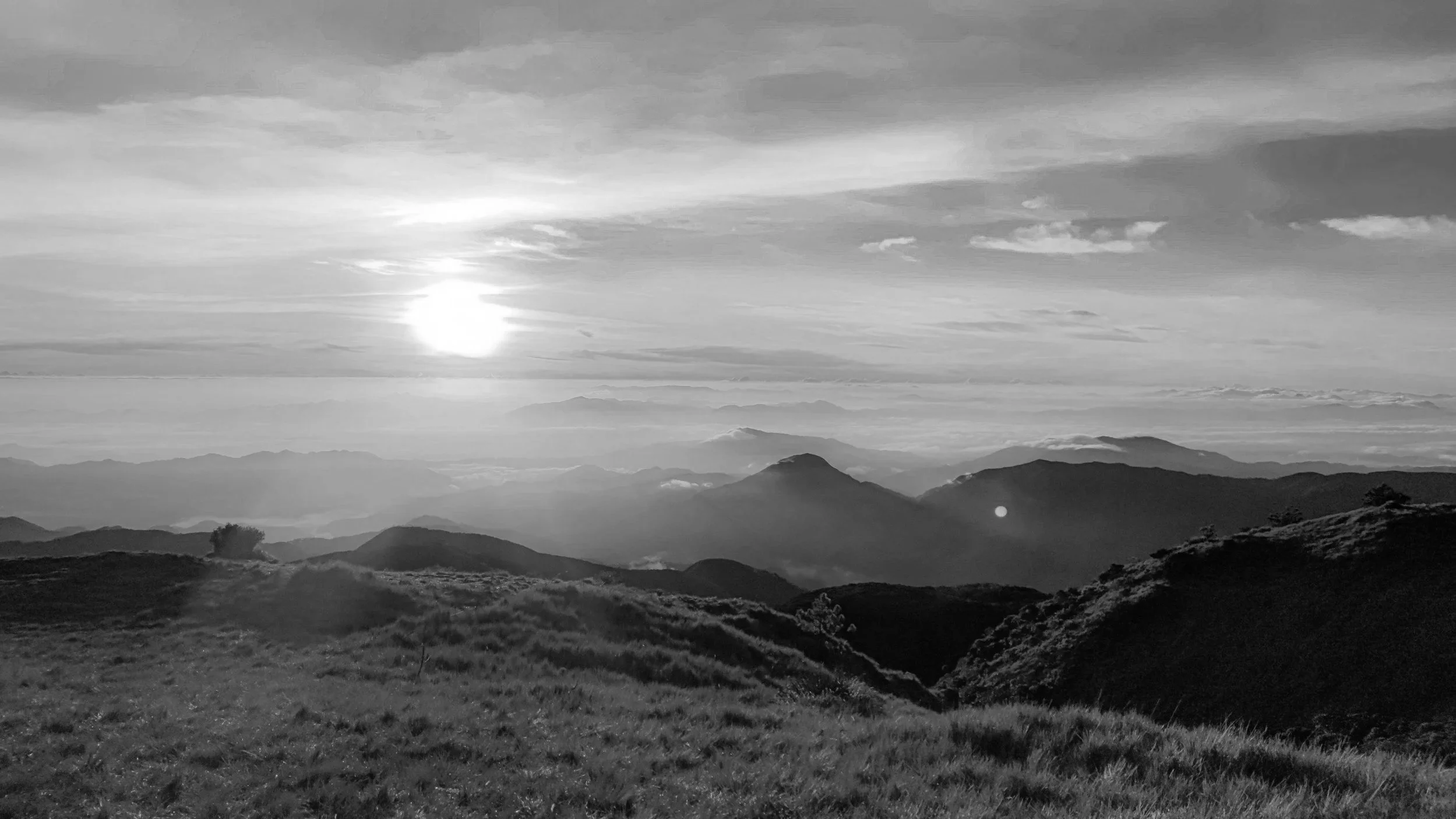
The sequence begins with the lake calm and reflective, its surface broken only by distant movement. We walk along the edge where water meets stone, the ground uneven and warm from hours of sun. Batangas reveals itself in layers, low brush giving way to open clearings where the caldera rises in the distance.
Wind arrives without warning, lifting fabric and cooling skin before disappearing again. You pause naturally near a break in the shoreline where the ground slopes gently toward the water. I observe how the horizon pulls your attention outward, how silence expands rather than closes in. As the day moves forward, light flattens and then softens, shadows stretching across rock formations that feel untouched by time.
Later, cloud cover rolls in, diffusing the scene and lowering contrast, allowing faces and gestures to exist without interruption. Batangas holds space for these transitions, offering no spectacle, only presence. The environment changes slowly, and the work follows its pace, capturing moments that could only emerge here.
What It Actually Feels Like
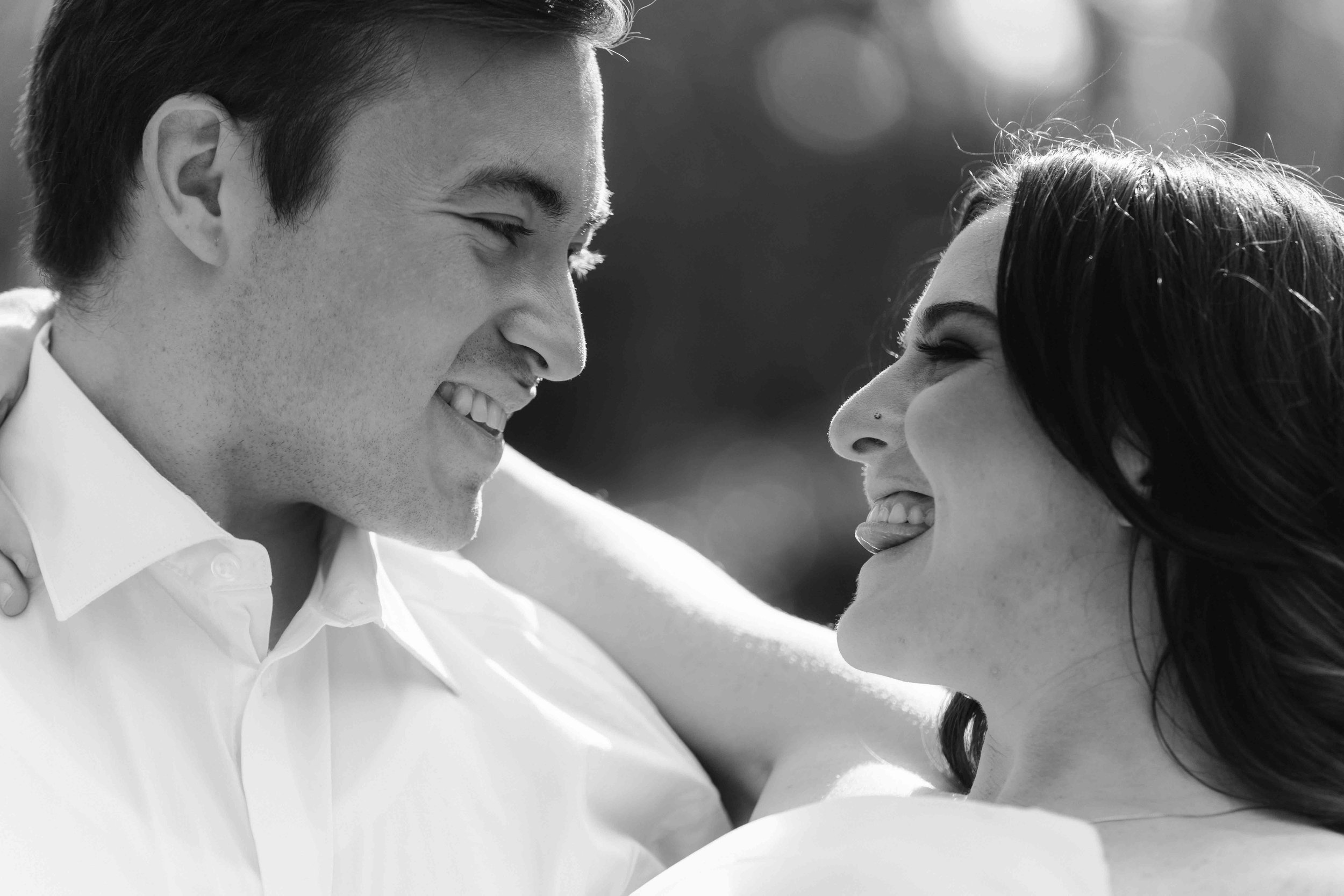
A full-day cinematic prenup, shaped around light, movement, and rest. The day flows between moments of shooting and pauses for travel, wardrobe changes, and resets—without pressure or rushing.
You’ll receive 60-80 hand-edited digital stills, shaped through light and atmosphere into a visual memory. The experience may unfold in one setting or move across multiple locations and days, allowing contrast and progression without breaking the feeling of the story.
For motion, a 6–12-minute film can be added, drawn from the same moments as the stills.
The Way a Scene Finds Its Shape
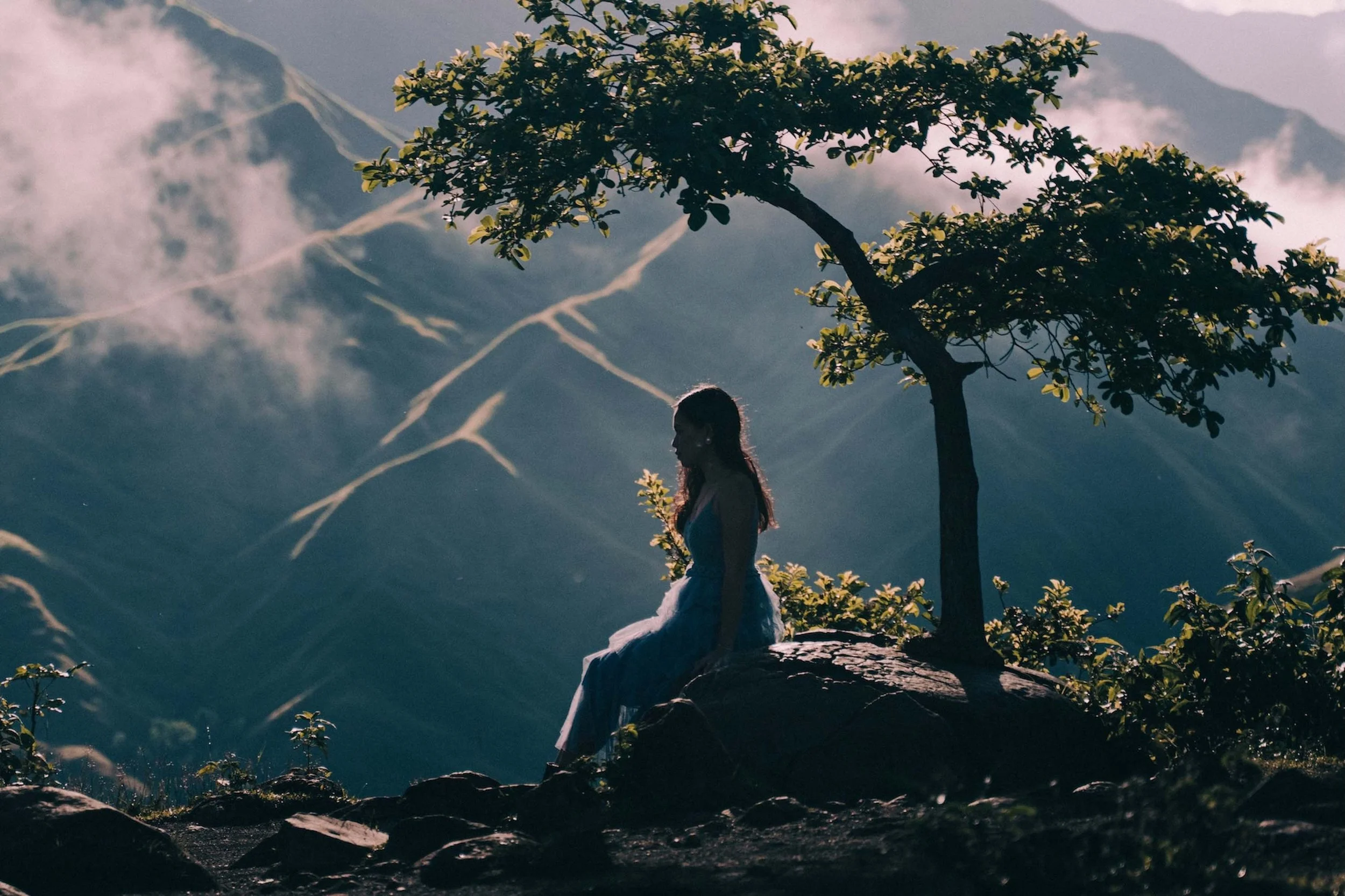
Working in Batangas requires a willingness to respond rather than impose.
The land dictates stamina, reminding us when to pause and when to move. Heat limits duration, wind redirects attention, and uneven ground reshapes framing decisions. I adjust constantly, choosing paths that allow for steadiness and moments that align with the environment rather than resist it. If the shoreline becomes too exposed, we move inland where trees break the sun. If the wind grows harsh, we turn toward the lake where movement feels calmer. This responsiveness allows the stills and films to remain grounded and honest.
Each image stands on its own, a complete cinematic frame shaped by volcanic land and quiet observation. The work is not produced but uncovered, formed through patience and attention to how Batangas reveals itself over time.
About Me
I am Caz Isaiah — a Fragmented Memories photographer, shaping cinema from unscripted moments and the atmosphere around you. My work lives in the space between direction and intuition: the pull of weather, the shift of light, the breath before something real appears. Nothing posed, nothing forced — just scenes that feel lived and held with intention.
