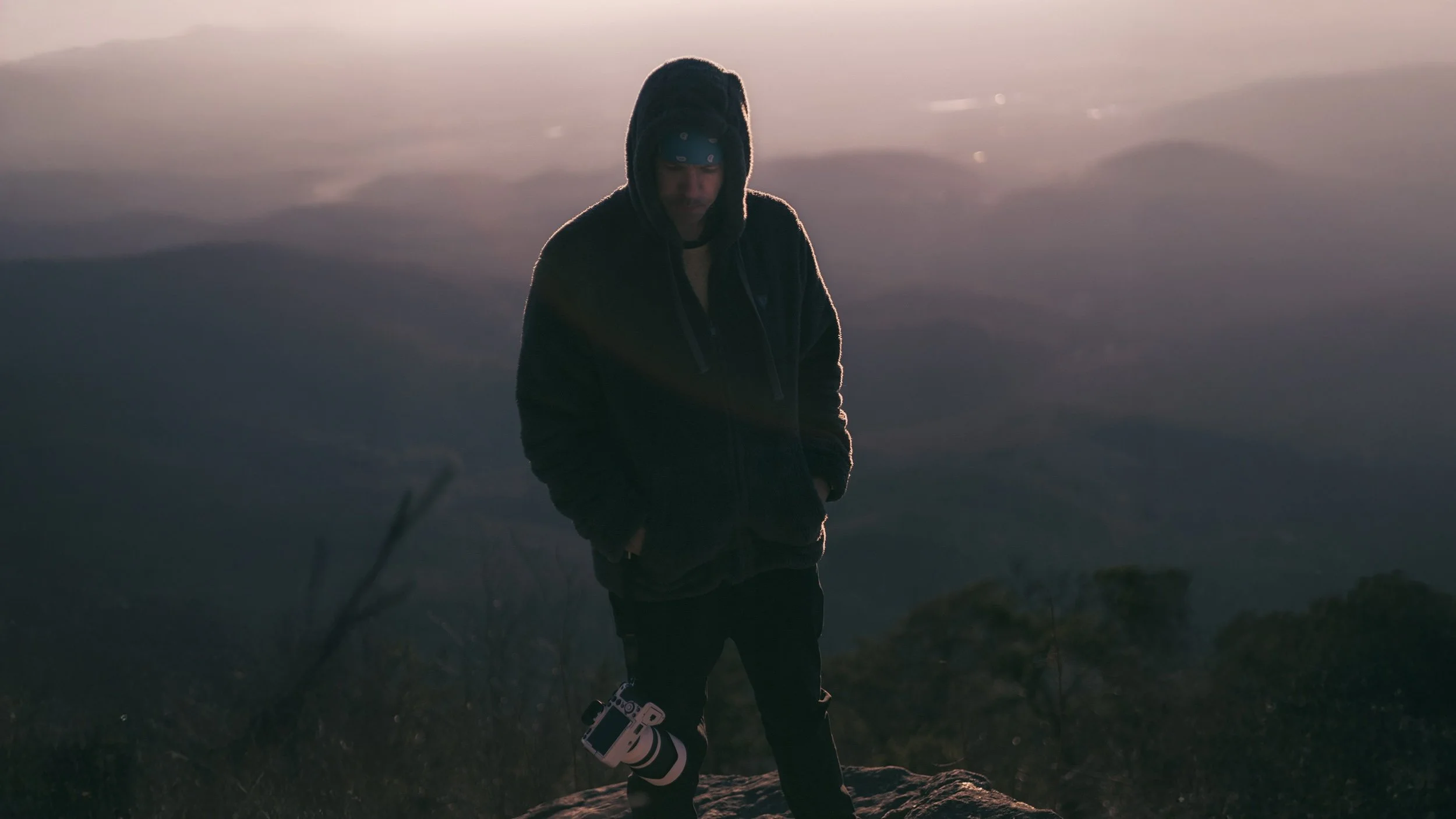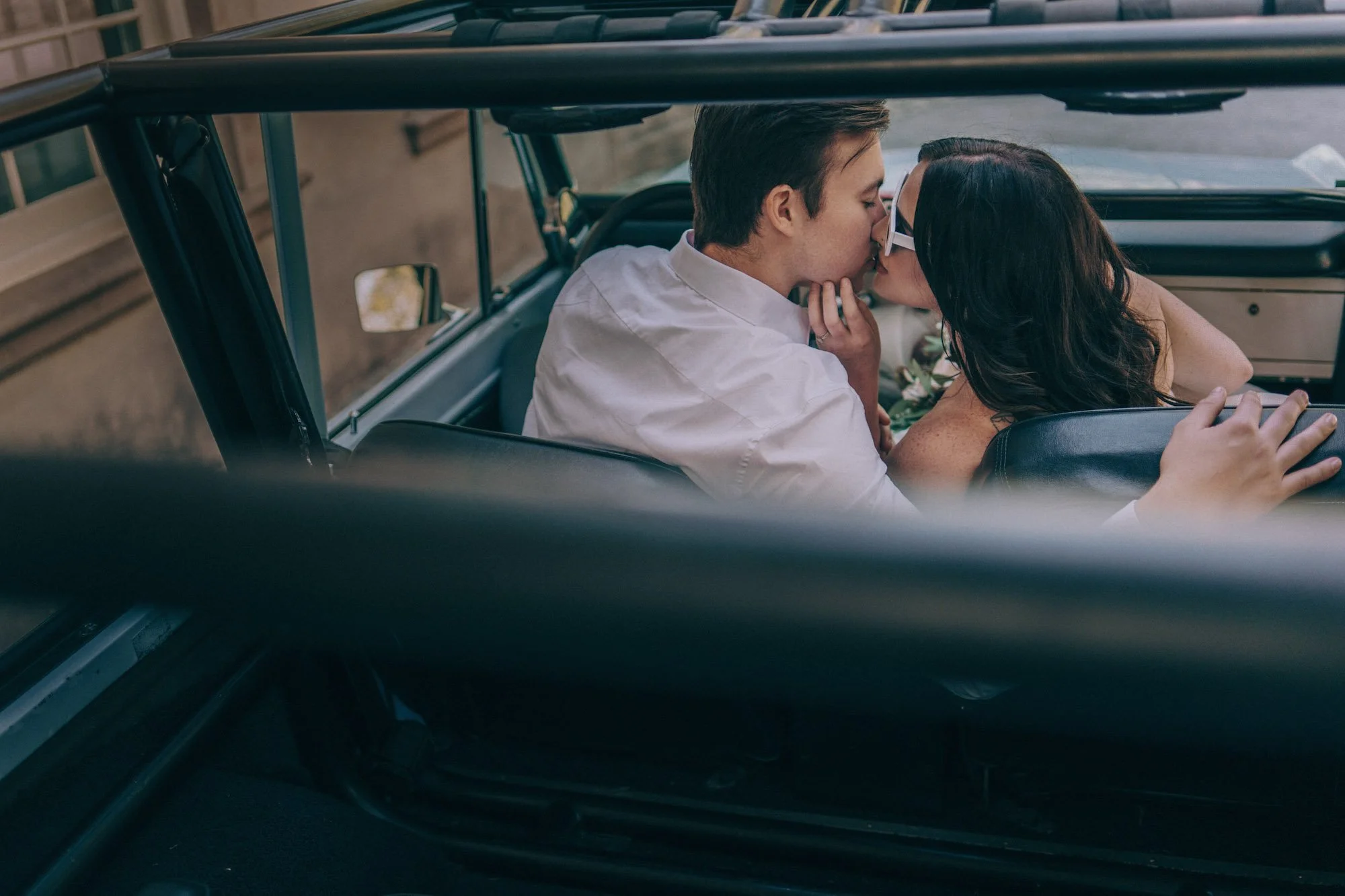
Benguet Prenup Photographer
Caz Isaiah | Benguet Prenup Photographer — stills and films shaped by altitude, weather, and human pace
Ifugao Prenup Photographer
Caz Isaiah | Benguet Prenup Photographer — stills and films shaped by altitude, weather, and human pace
Before the Scene Begins
You feel it before you name it, a slowing that happens without permission as the ground rises.
I have spent enough time moving through the Cordillera to recognize when the land asks for patience, and Benguet always does.
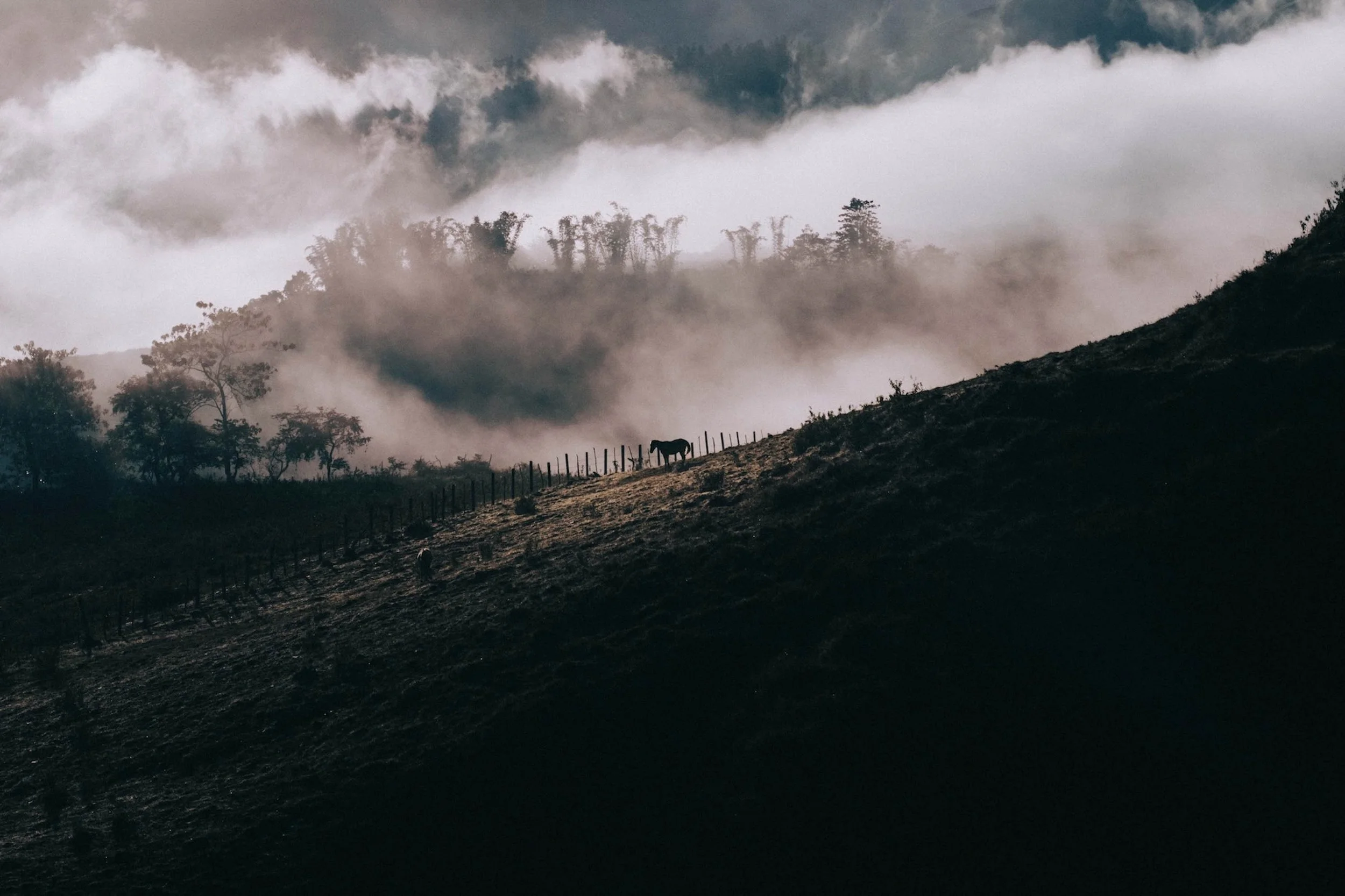
Here, mornings do not announce themselves loudly. Fog drifts low over vegetable terraces and pine-lined roads, thinning only when the sun decides it is ready. Jeepneys idle longer. Footsteps shorten. Conversations pause mid-sentence as clouds roll across ridgelines.
The camera stays close because Benguet compresses distance. Hills fold inward, valleys close quickly, and sound carries differently at elevation. Even silence has texture here, broken by wind in pine needles or the distant scrape of tires on concrete. The work begins by matching that rhythm instead of resisting it.
The Invitation
A prenup in Benguet is entered by ascent.
The road bends upward from the lowlands, tightening with every kilometer. Vehicles climb slowly, engines working harder as air thins. Windows open. Jackets come out. Bodies adjust before minds do.
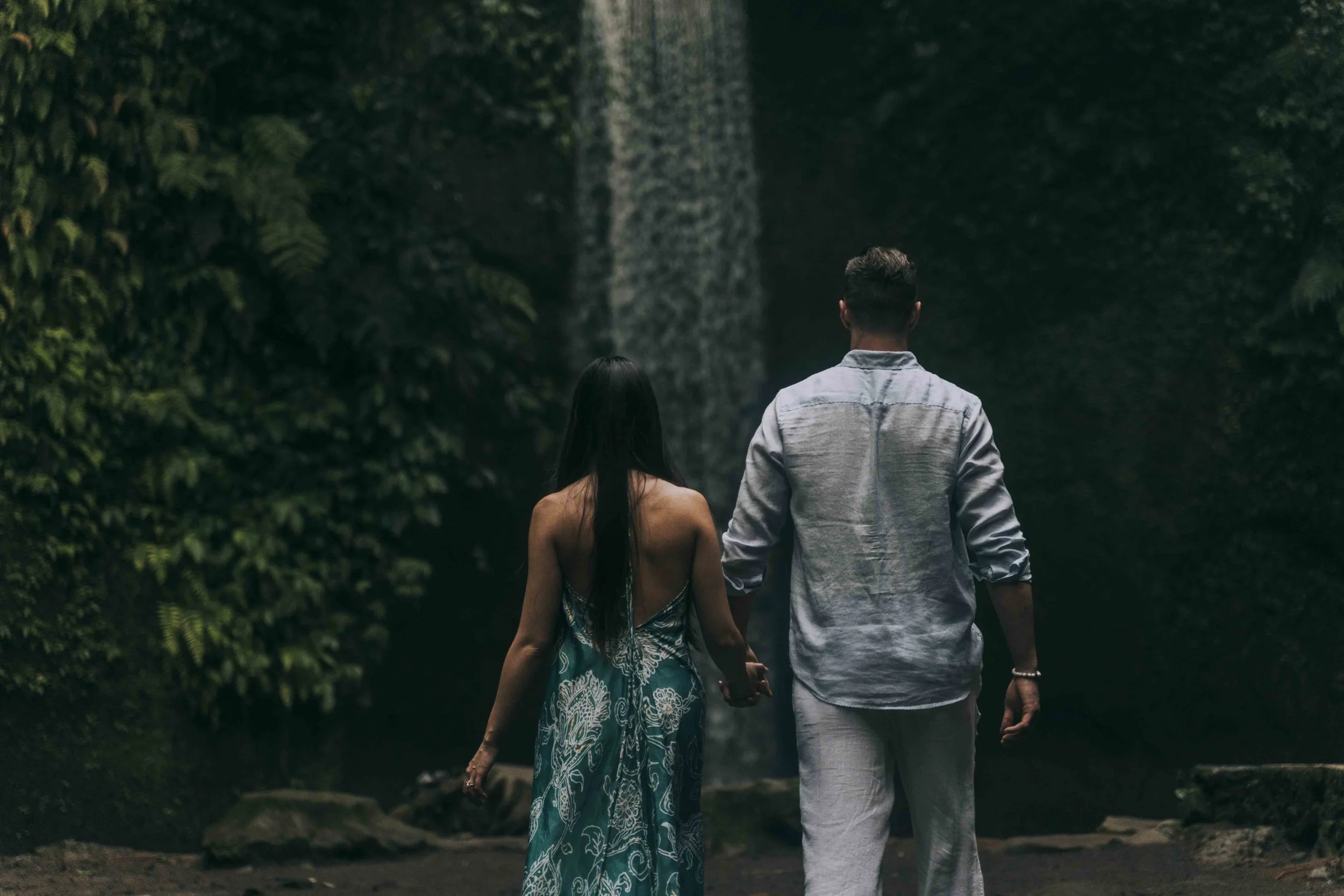
Arrival does not feel ceremonial. Benguet reveals itself in layers: roadside markets with mud on boots, fog sliding across slopes, clusters of houses anchored to hillsides. Walking becomes deliberate. Posture shifts forward to counter inclines. Hands find balance on railings or stone walls.
I follow that adjustment. The camera responds to how couples move when the ground tilts, when breath changes, when attention narrows to what is immediately ahead. Nothing is posed. The place dictates stance, spacing, and pace.
The Descent
Once the camera lifts, Benguet begins feeding the scene through sound and resistance.
Wind moves unevenly here, funneling through gaps in ridges, then disappearing without warning. Pine branches creak softly. Footsteps crunch on gravel or damp soil. Distant voices echo longer than expected, then fade.
Timing is shaped by cloud cover. Light arrives filtered, sometimes briefly, sometimes withheld for hours. Shooting adjusts to those intervals rather than forcing continuity. When fog thickens, scenes compress inward. When it clears, the land opens for a moment before closing again.
Direction stays minimal because Benguet already organizes movement. Trails curve where erosion allows. Roads follow contour lines. People walk where the slope permits. The work listens and follows.
The Scene
Location: Benguet — highland ridges, pine forests, and terraced slopes layered by fog.
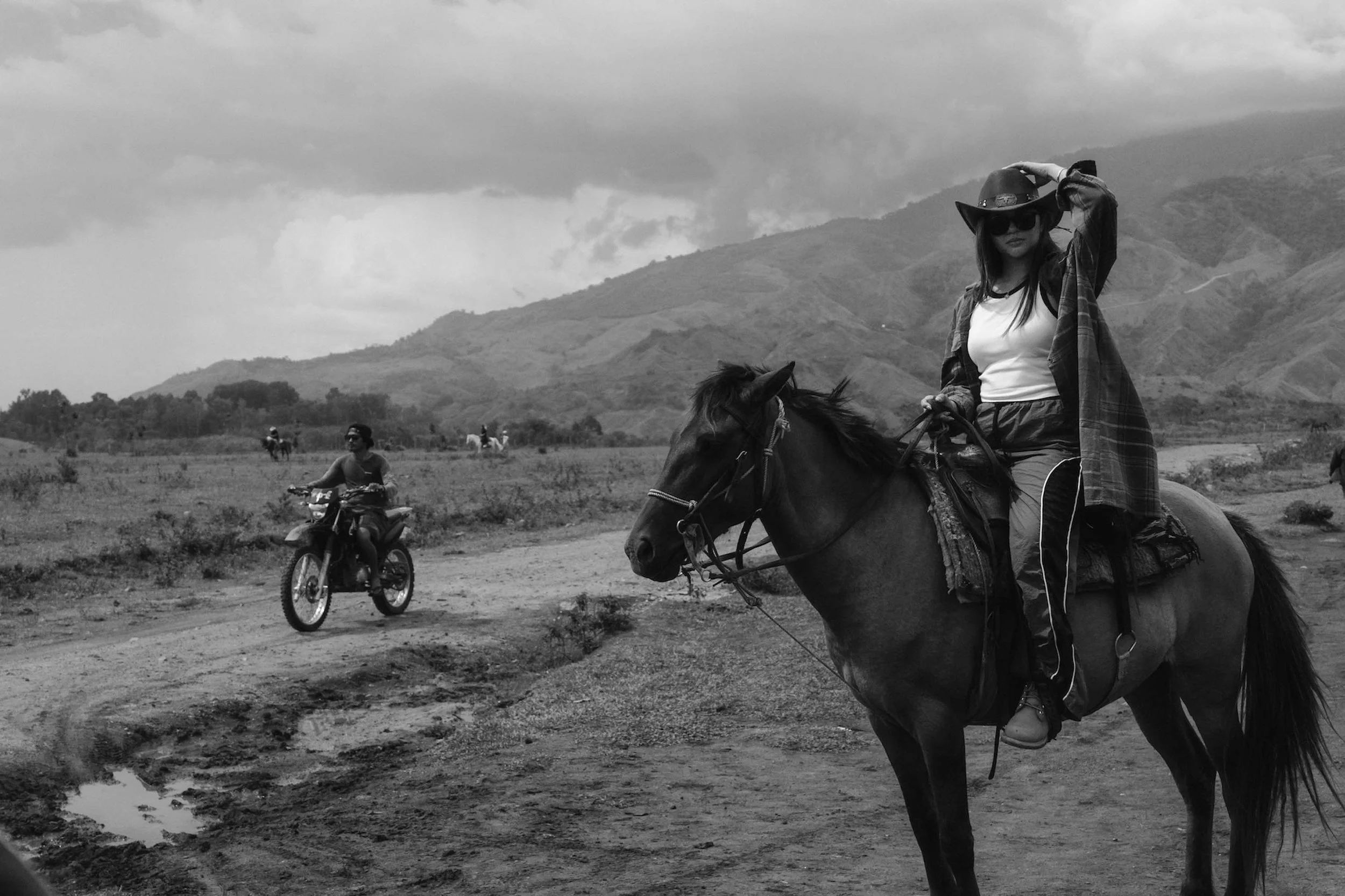
The sequence begins along a mountain road where mist hangs low, softening outlines of trees and guardrails. A couple walks slowly uphill, shoulders angled forward, steps careful on damp pavement. The air is cool enough that breath becomes visible when they pause.
As fog lifts, Benguet reveals depth. Terraces appear in staggered lines, carved into hillsides with stone edges darkened by moisture. The couple descends a narrow path, hands brushing grasses bent by overnight rain. Sound changes here, quieter, absorbed by soil and vegetation.
Later, clouds return. Visibility shortens. Pine trunks fade into gray. The couple stands close, bodies aligned against wind that moves sideways across the ridge. Benguet closes the frame again, holding the moment tightly before releasing it.
What It Actually Feels Like
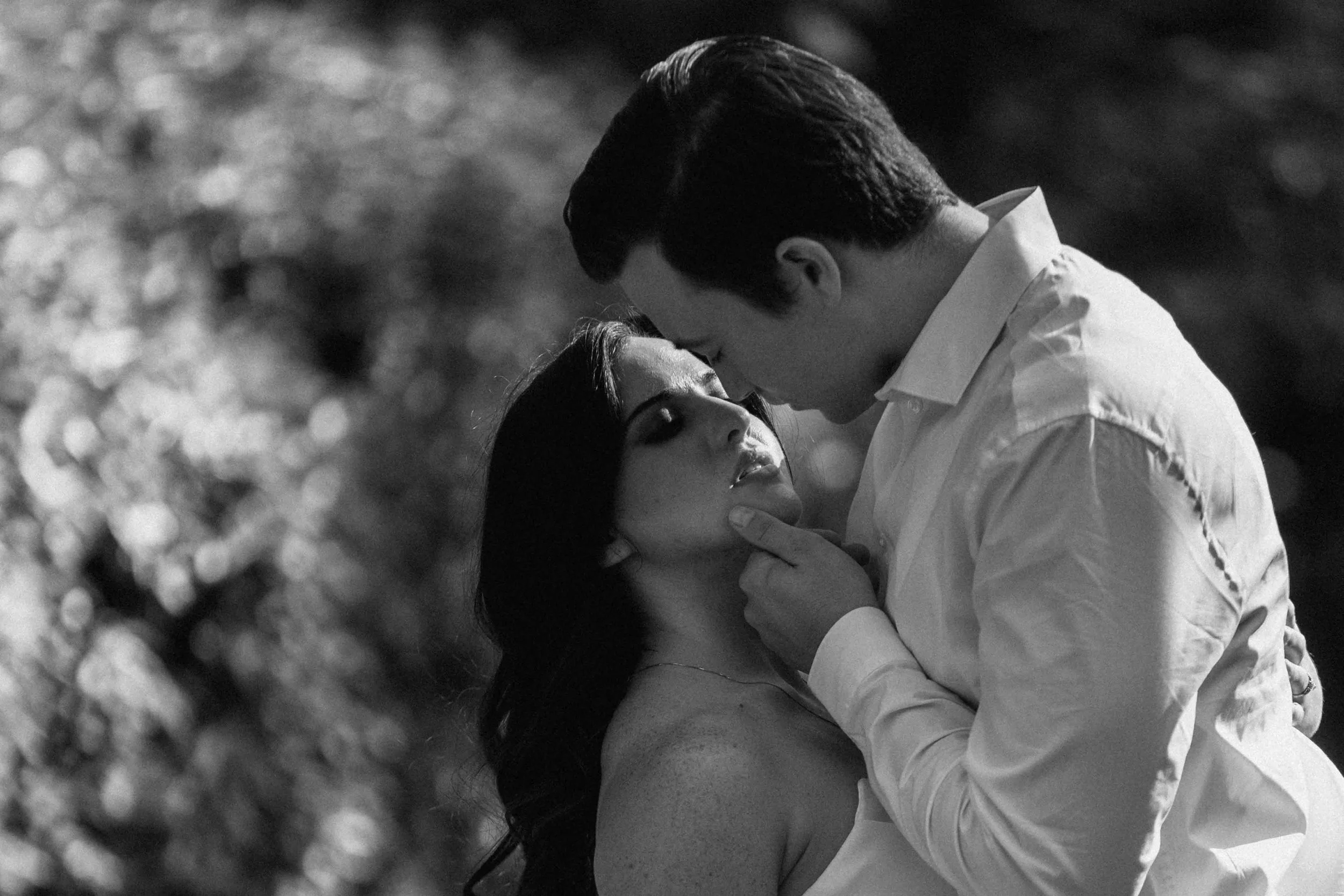
You’ll receive 40–50 hand-edited stills, shaped through light and atmosphere into a visual memory. The experience may unfold in one setting or move across multiple locations and days, allowing contrast and progression without breaking the feeling of the story.
For motion, a 6–12-minute film can be added, drawn from the same moments as the stills.
The Way a Scene Finds Its Shape
Nothing here is imposed. Benguet offers constraints and gifts in equal measure.
Fog limits sightlines but deepens intimacy. Inclines reduce speed but sharpen awareness. Cool air stiffens fingers yet steadies breath. I adapt by letting scenes form where the land opens space, and by pulling closer when it closes.
The camera waits when clouds stall movement. It advances when paths clear. It lowers when wind picks up and steadies when it drops.
What emerges is not produced but allowed. The work takes the shape Benguet permits, resolving quietly, without spectacle, exactly where the land says it should.
About Me
I am Caz Isaiah — a Fragmented Memories photographer, shaping cinema from unscripted moments and the atmosphere around you. My work lives in the space between direction and intuition: the pull of weather, the shift of light, the breath before something real appears. Nothing posed, nothing forced — just scenes that feel lived and held with intention.