
Boracay Couples Photographer
Caz Isaiah | a Boracay couples photographer weaving films and stills from wind-soft light, shifting tides, and frames that feel suspended.
Boracay Couples Photographer
Caz Isaiah | a Boracay couples photographer weaving films and stills from wind-soft light, shifting tides, and frames that feel suspended.
Before the Scene Begins
Before anything begins, Boracay is already moving around you — a slow shimmer on the water, the soft hiss of waves sliding over powder sand, the kind of light that feels like it’s breathing. My role blends into that rhythm. I guide when the world asks for precision, and I stay invisible when it’s already doing the work. What follows isn’t a script. It’s the pulse of a day treated like cinema — equal parts motion and stillness, shaped by light, tide, and the hush between them.
I know these islands like a long-kept passage — years spent crossing from one coastline to another, learning the language of wind, salt, and sky. Boracay holds a different kind of silence beneath its brightness. I don’t arrive here to find it. I arrive already attuned.
The Invitation
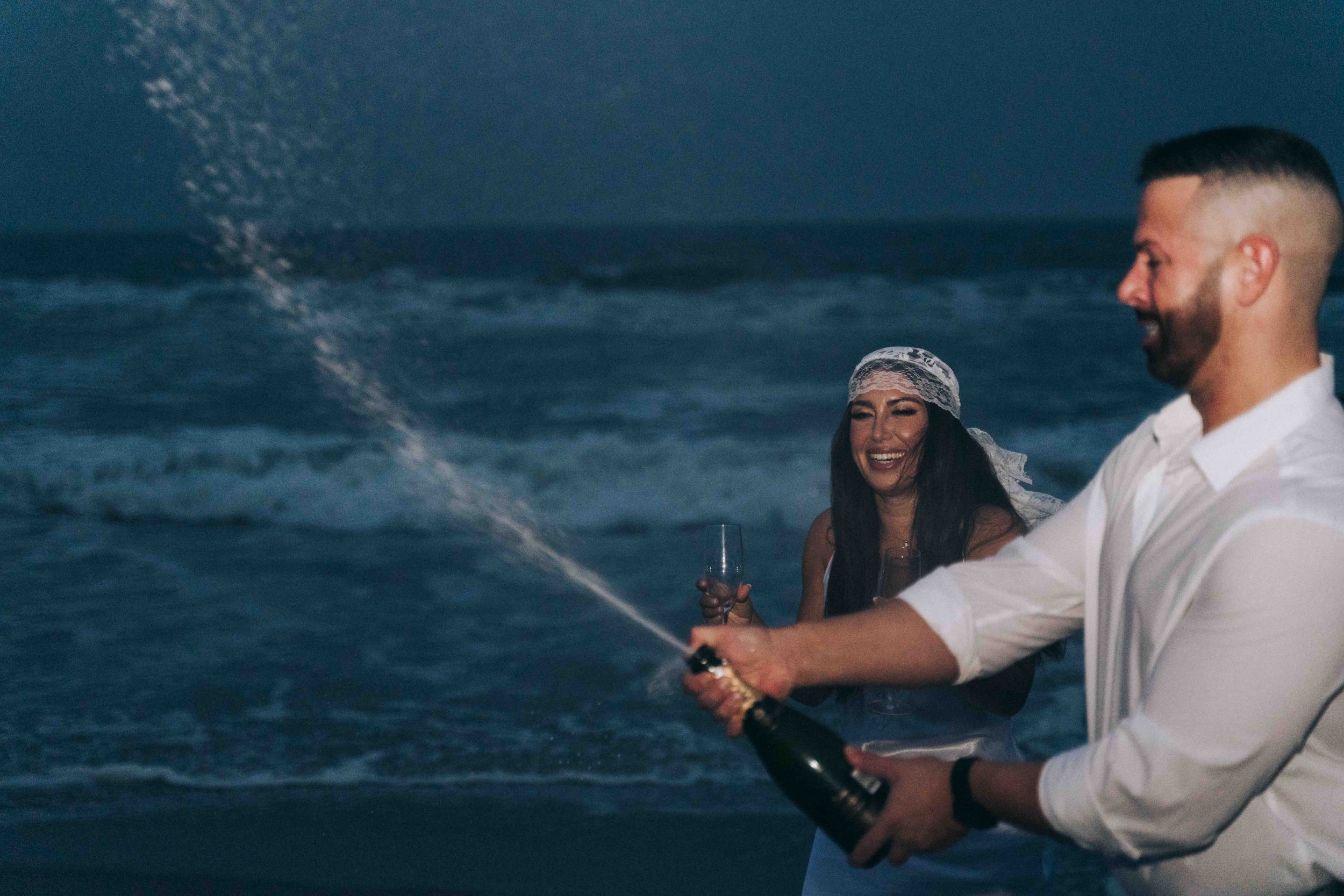
To step into the lens here isn’t to pose — it’s to shift into a slower gravity. One moment you’re simply walking the shoreline, and the next, the light folds around you as if the island wants to quiet the world for a second. You don’t need to act. The way your hair moves in the breeze, the shape of your steps in soft sand, the small glances you share — these begin the scene without trying.
When Boracay offers something unmistakable — a streak of gold across the water, the shadow of a sail drifting behind you, a pocket of shade that feels cinematic — I guide you gently into it. Nothing forced. Nothing arranged. Just the frame choosing you as it forms.
The Descent
When the camera lifts, the island sharpens its details: the rhythm of waves brushing the shore, the shift of palms catching the wind, the grain of sand moving under bare feet. You follow your own motion, and I follow the atmosphere — until a moment reveals itself too clearly to ignore. A turn of your shoulders into backlight. The slow lean toward each other as the water hushes behind you. A held breath when the sky lowers into soft amber.
These tiny adjustments don’t interrupt the moment — they anchor it. Time stretches. Movement slows. And before you realize it, the world has become a scene instead of a location.
The Scene
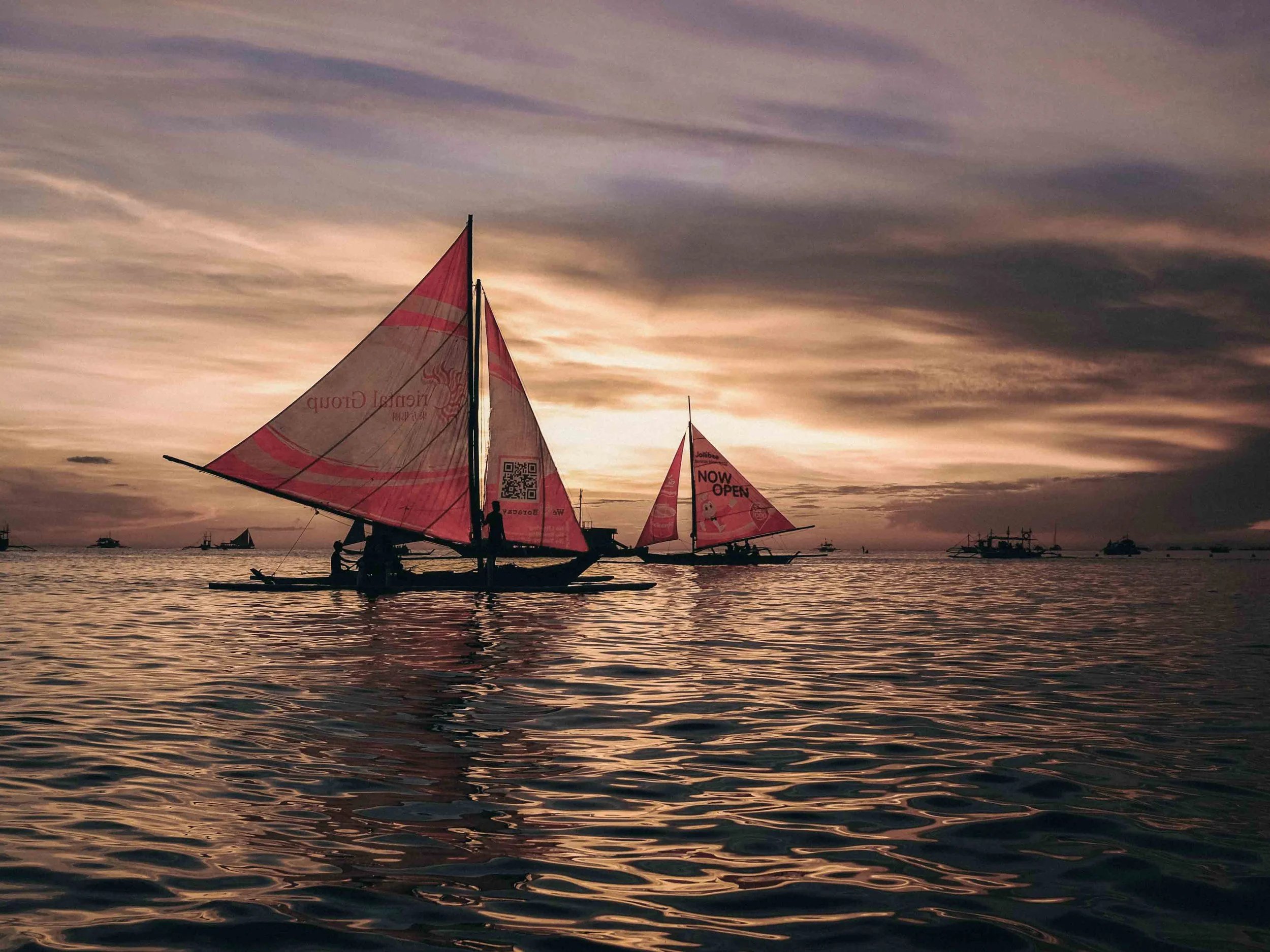
Location: White Beach at the edge of late afternoon, the tide low and the horizon washed in pale heat.
It begins with the sea whispering against the shore, the water reflecting the last traces of afternoon like brushed silver. You walk through the shallows, the sand cool beneath you, the world quiet except for sails sliding across the distance. The sky is soft, almost translucent. Your silhouettes waver on the surface like second versions of yourselves.
As you draw closer to the curve of the beach, the wind picks up — gentle, but enough to pull at your clothes and let the moment breathe wider. You pause. Not because I ask you to, but because the air asks you first. The frame tightens: your hands meeting lightly, the surf brushing ankles, the horizon stretching in a slow exhale in the Philippines.
Then the light shifts. A warm spill of gold drifts over your faces, catching the edge of your movement. You step into it, unthinking. The ocean repeats its rhythm behind you. The day folds into a quieter register. Nothing loud. Nothing staged. Just the gentle fall into a memory being shaped in real time.
When the sun slips behind the waterline, color fades into a soft blue hush. Your reflections dissolve. The waves blur into texture. The world narrows into you and the faint echo of the tide. The camera drifts back, letting the final seconds loosen into grain, salt, and air. What remains isn’t a pose — it’s the breath after the moment breaks.
What It Actually Feels Like
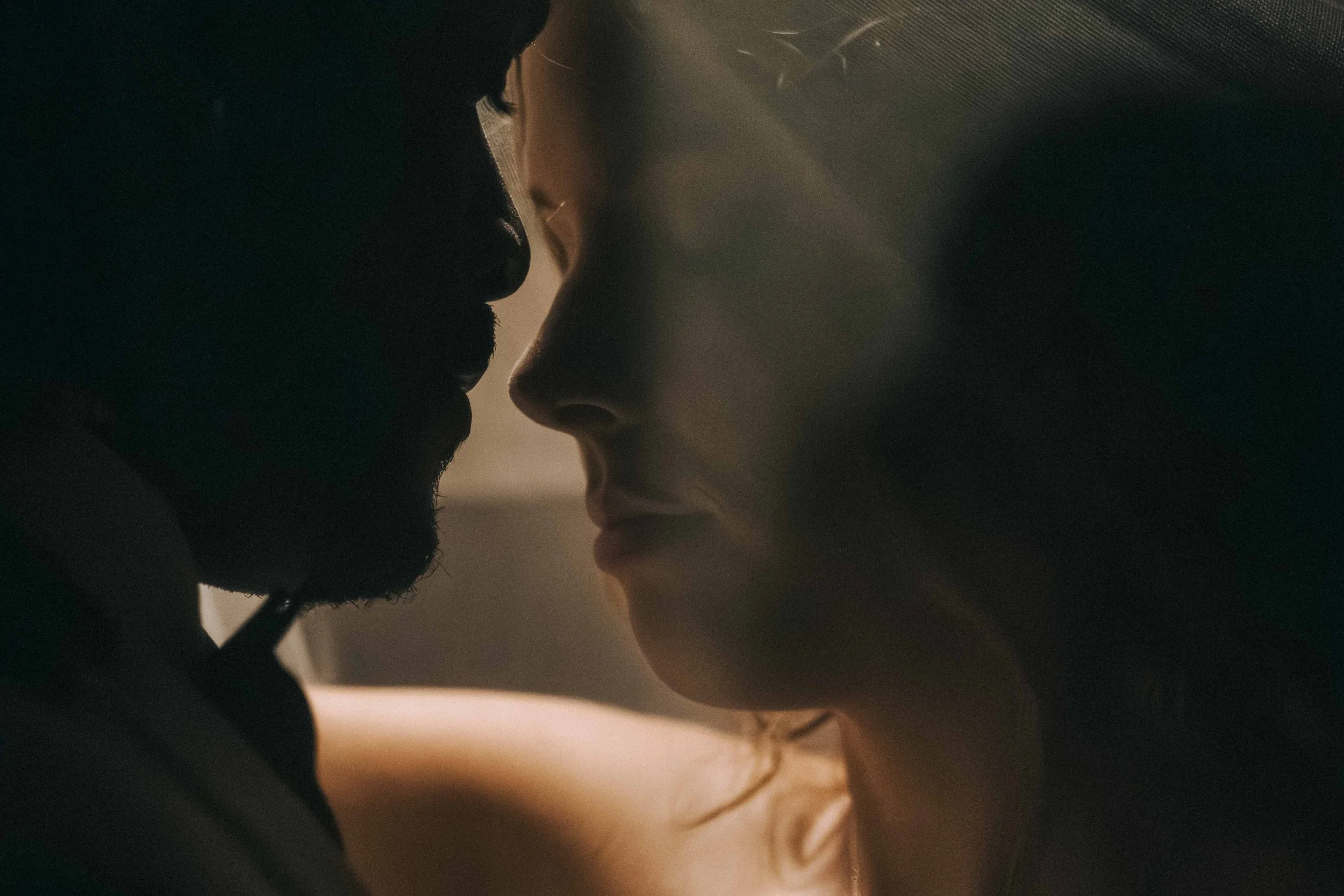
You’ll receive 40–50 hand-edited stills, shaped through light and atmosphere into a visual memory. The experience may unfold in one setting or move across multiple locations and days, allowing contrast and progression without breaking the feeling of the story.
For motion, a 6–12-minute film can be added, drawn from the same moments as the stills.
The Way a Scene Finds Its Shape
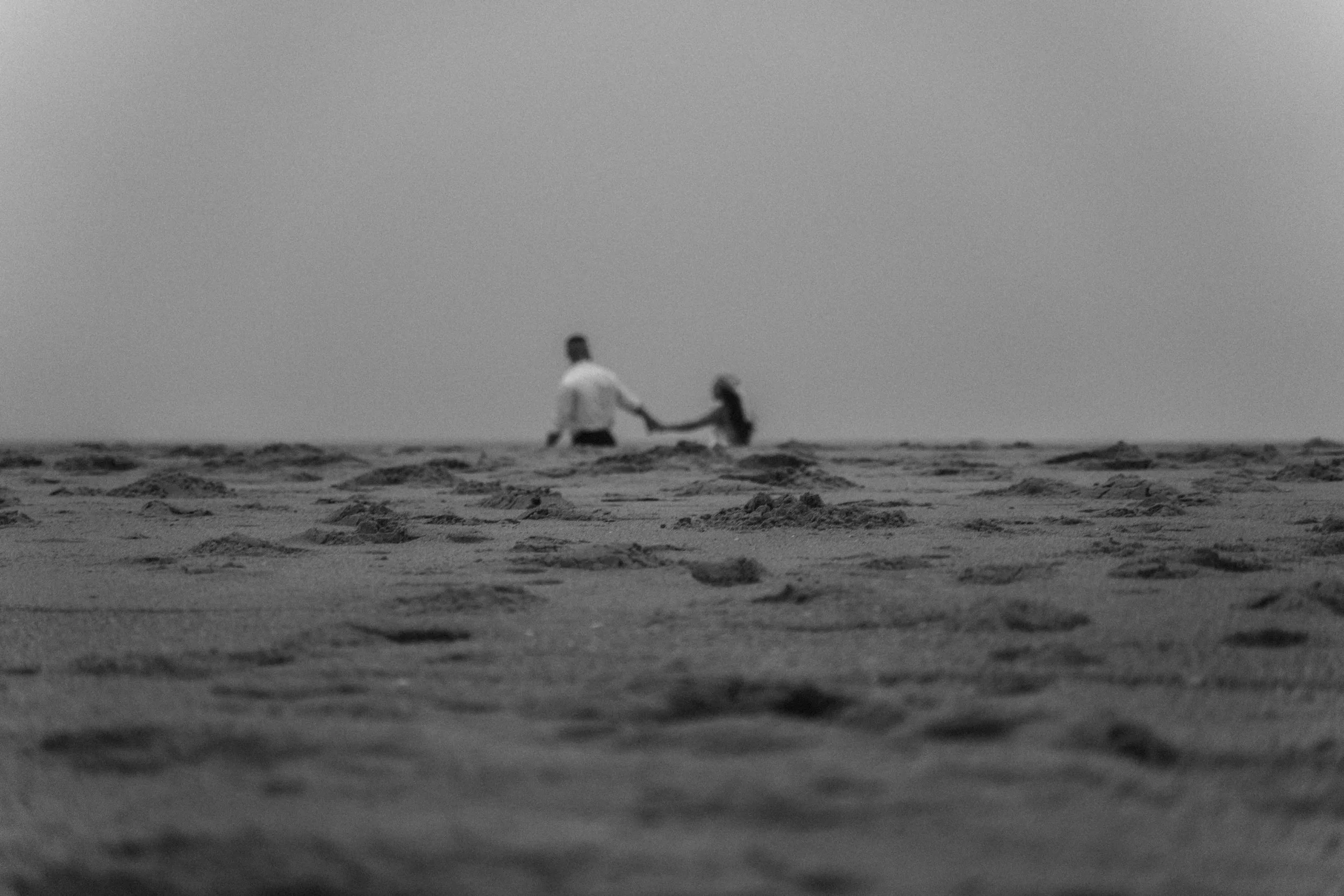
Nothing here is scripted, but you’re never left wandering. Boracay gives us its cues — the flicker of palm shadows, the warm drag of wind across your skin, the quiet shimmer of the waterline — and you move with them naturally. I offer small direction only when the moment needs it: a shift into brighter tide-light, a slow turn toward the horizon, a step where the world feels suspended.
The island does the rest. The sound of shallow waves. The glow of late sun. The drift of fabric caught by breeze. These unplanned pieces become the backbone of the film. I steady the moment just enough to hold it, then let the world soften the edges. In the end, what we make isn’t a session — it’s a fragment of this island, and a fragment of you, held in the same breath.
About Me
I am Caz Isaiah — a Fragmented Memories couples photographer, shaping cinema from unscripted moments and the atmosphere around you. My work lives in the space between direction and intuition: the pull of weather, the shift of light, the breath before something real appears. Nothing posed, nothing forced — just scenes that feel lived and held with intention.
You can explore more on my About Me page.
