Bukidnon Prenup Photographer
Caz Isaiah | Stills and films shaped by altitude, silence, and long movement as a Bukidnon Prenup Photographer
Bukidnon Prenup Photographer
Caz Isaiah | Stills and films shaped by altitude, silence, and long movement as a Bukidnon Prenup Photographer
Before the Scene Begins
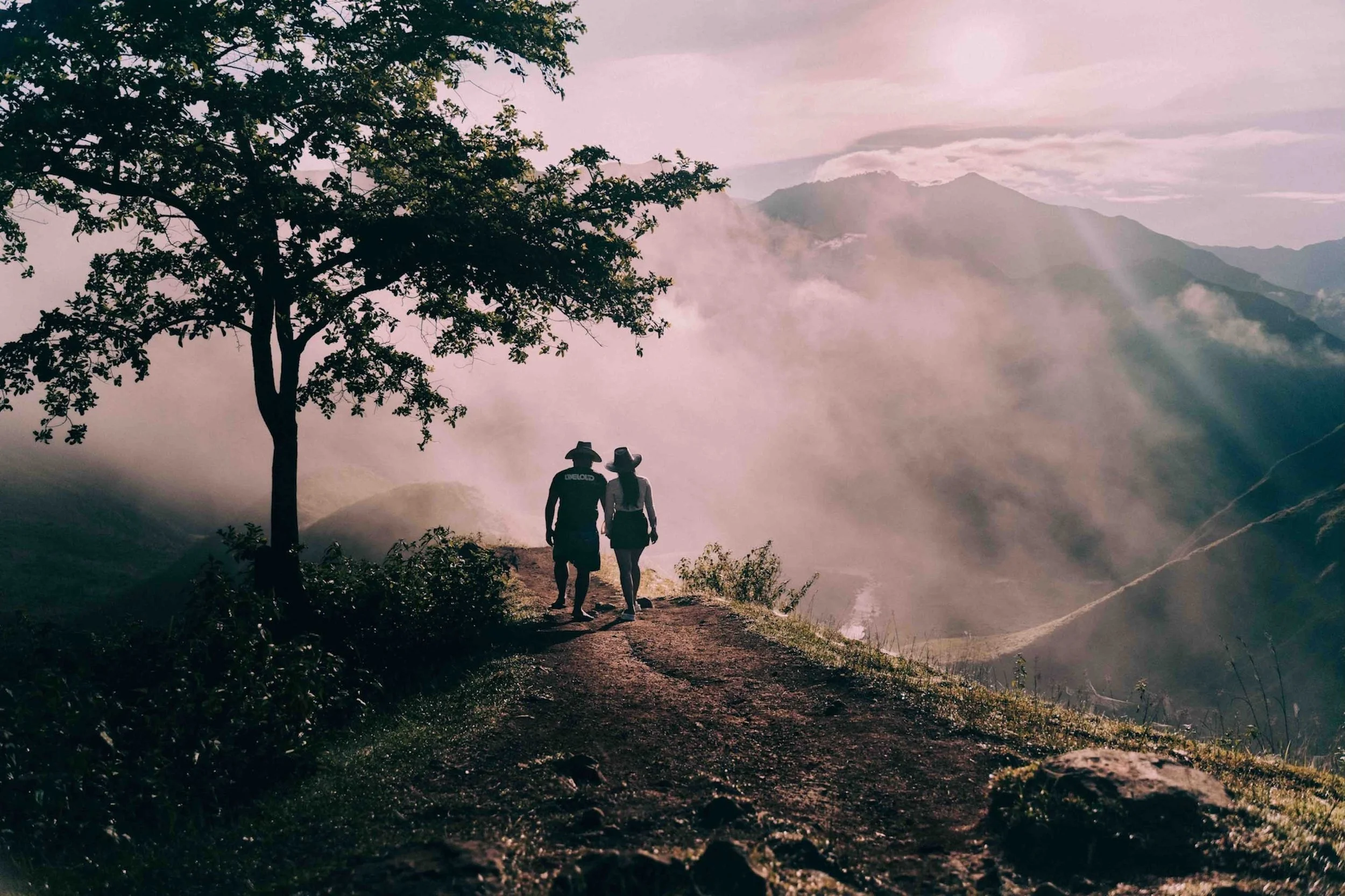
Some places ask you to slow down before you even notice it happening. I have spent enough time moving through the Philippine highlands to recognize when the land begins to dictate pace instead of preference. In Bukidnon, the air thins just enough to stretch each breath, and the road opens into long, unbroken views that make rushing feel unnecessary. The mornings arrive cool and deliberate, with fog lifting slowly from fields rather than burning off all at once. Movement here is wide and unhurried, shaped by elevation and distance instead of crowds. I arrive quietly, watching how you adjust without instruction, how shoulders drop as the land expands around you. The stills and films begin before the camera is raised, formed in the way you stand differently once the noise fades and the space takes over.
The Invitation
Entering Bukidnon is a gradual transition rather than a clear moment.
The drive stretches outward, climbing gently through farmland, roadside markets, and long curves where visibility opens farther with every turn. Vehicles move steadily, not aggressively, and people cross roads without urgency. As we arrive, posture changes almost immediately. Steps lengthen. Pauses feel natural. You become aware of the wind moving across grass instead of between buildings. I follow this shift rather than setting a direction, allowing the environment to establish the rhythm. Bukidnon does not reward control; it responds to attentiveness.
We walk dirt paths and narrow ridges, stopping when the ground suggests it rather than when a schedule demands it. The place leads, and the session enters it fully, shaped by the openness and restraint of the land itself.
The Descent
Once the camera lifts, Bukidnon begins offering its own structure. The soundscape is sparse: distant birds, wind crossing open fields, the occasional engine passing far below.
Timing is dictated by cloud cover drifting slowly across the plateau and by how light filters through uneven terrain. Direction becomes minimal, often limited to choosing higher ground or turning slightly to avoid harsh contrast. The land does the work, creating depth through layers of hills and valleys rather than through movement alone.
We wait when fog rolls in, knowing it will thin gradually instead of disappearing. Stills are captured as complete frames, each one standing on its own without needing continuation. Films follow the same logic, built from extended moments rather than rapid transitions. Bukidnon rewards patience, and the work reflects that restraint.
The Scene
Location: Bukidnon — highland fields, rolling plateaus, and open ridgelines shaped by altitude and distance.
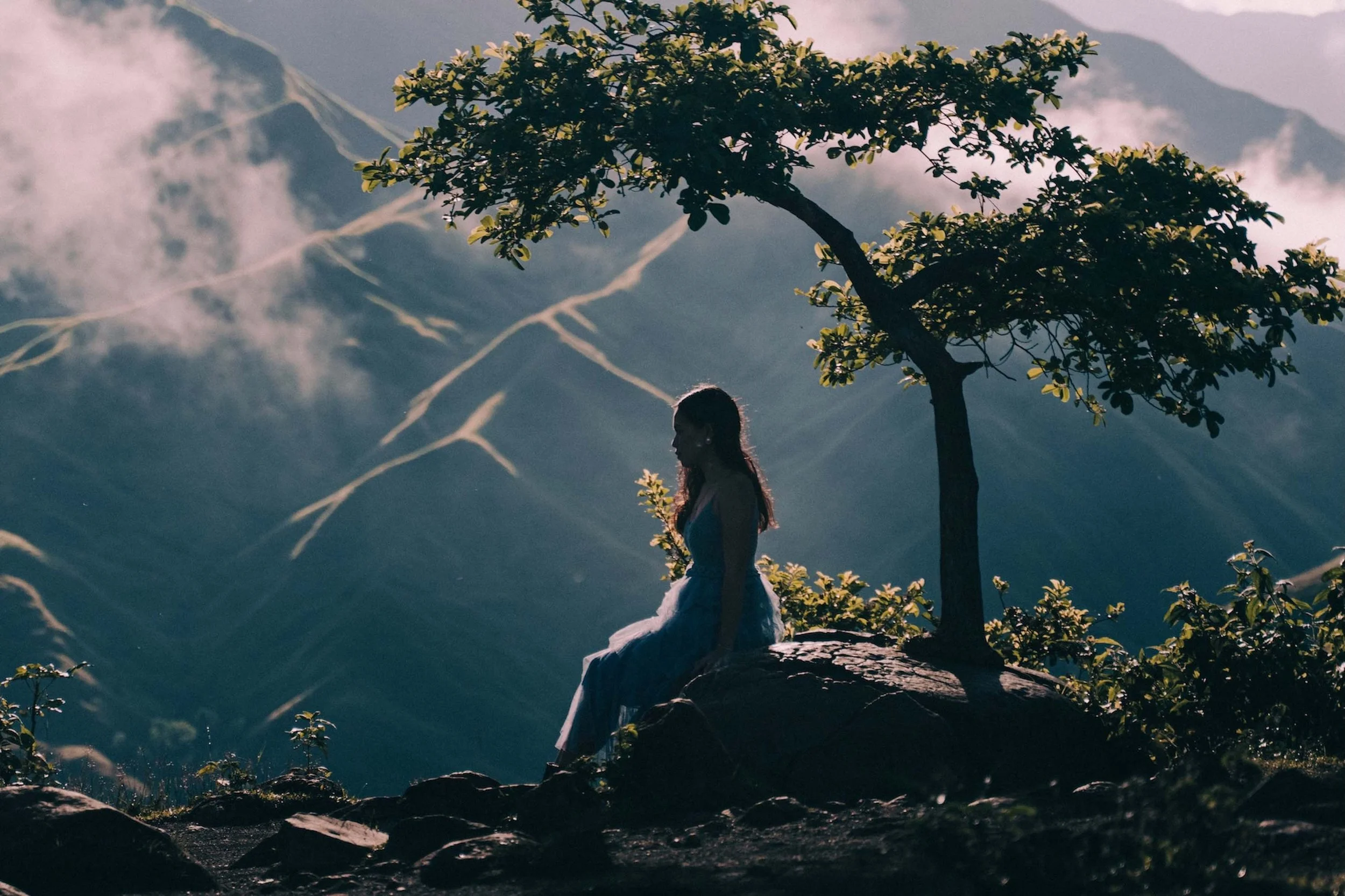
The sequence begins with you standing along a dirt ridge as fog lifts unevenly from the valley below. Grass bends with steady wind, creating motion without noise. We move slowly, stepping around uneven ground and low stone markers that break the landscape into subtle lines. As the sun rises higher, the light shifts from cool and diffused to clear and directional, carving shadows across the hills.
Bukidnon reveals scale gradually, with each step opening another layer of distance. We pause near scattered trees where the land dips slightly, allowing the horizon to sit lower in frame. Later, clouds gather again, muting contrast and softening edges just as the day begins to warm. In Bukidnon, the environment changes without warning yet never feels rushed.
The scene unfolds entirely within this terrain, shaped by elevation, wind, and the quiet authority of space. This sequence could only happen here, where time stretches and the land insists on being seen rather than used.
What It Actually Feels Like
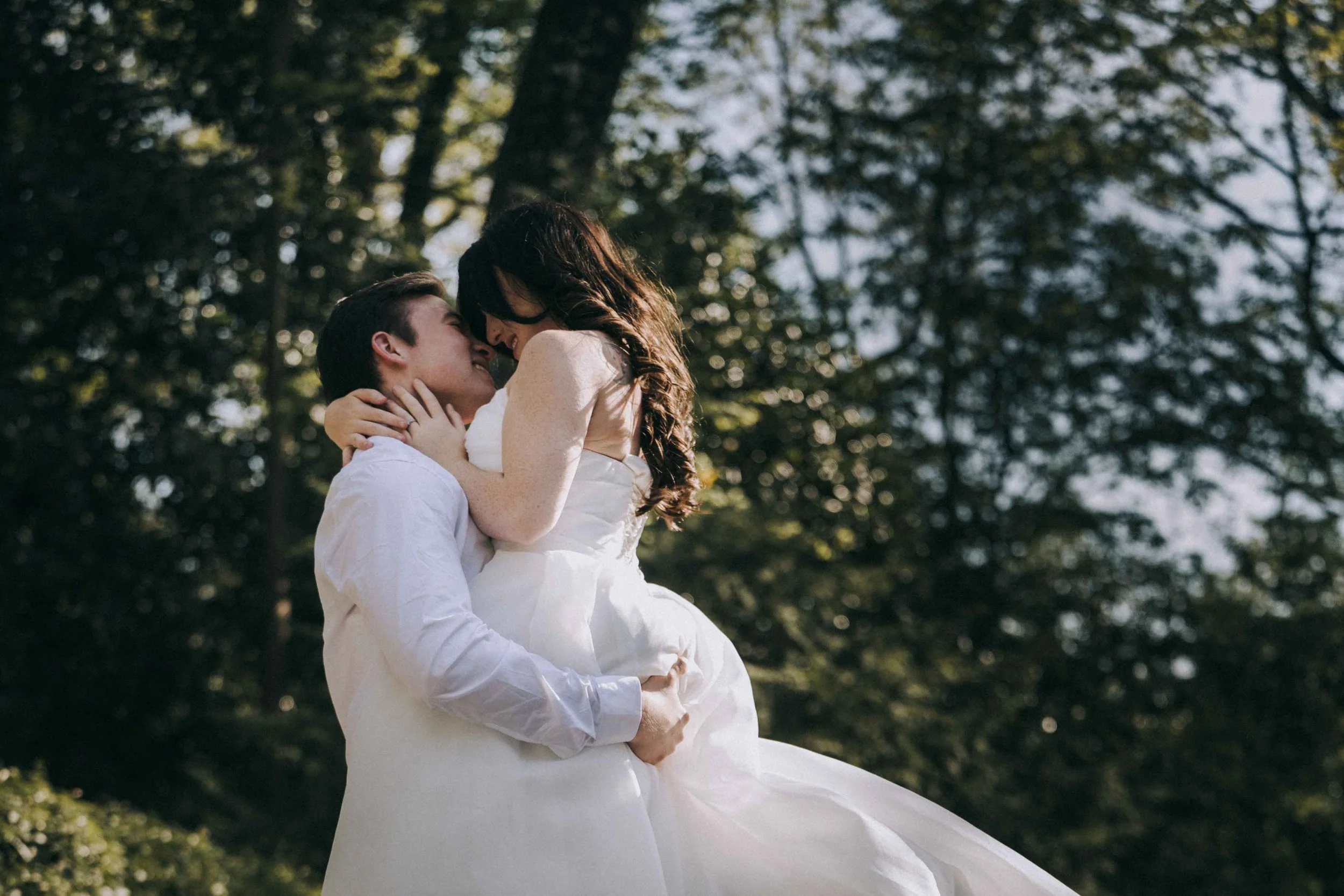
You’ll receive 40–50 hand-edited stills, shaped through light and atmosphere into a visual memory. The experience may unfold in one setting or move across multiple locations and days, allowing contrast and progression without breaking the feeling of the story.
For motion, a 6–12-minute film can be added, drawn from the same moments as the stills.
The Way a Scene Finds Its Shape
Working in Bukidnon alters decisions in ways that are immediately physical. Stamina matters more than speed, and timing is tied to weather rather than convenience. I adapt continuously, adjusting routes when fog thickens or when light flattens across open ground.
There is no fixed plan imposed on the day, only a response to what the land allows. If the wind strengthens, we lean into its movement instead of resisting it. If clouds settle low, we wait rather than force clarity. Stills remain the foundation, each image composed as a finished moment, complete and self-contained. Films extend from these still frames, built quietly from real transitions rather than manufactured beats. The work stays responsive, shaped by Bukidnon’s altitude, silence, and scale. Nothing here is produced for effect.
Everything is allowed to happen as the place permits, leaving behind images that carry the weight and restraint of the highlands themselves.
About Me
I am Caz Isaiah — a Fragmented Memories photographer, shaping cinema from unscripted moments and the atmosphere around you. My work lives in the space between direction and intuition: the pull of weather, the shift of light, the breath before something real appears. Nothing posed, nothing forced — just scenes that feel lived and held with intention.
