Buscalan Prenup Photographer
Caz Isaiah | Buscalan Prenup Photographer working in stills and films shaped by stone paths, mountain quiet, and human pace
Buscalan Prenup Photographer
Caz Isaiah | Buscalan Prenup Photographer working in stills and films shaped by stone paths, mountain quiet, and human pace
Before the Scene Begins
Some places ask you to slow down before you even realize you are moving too fast.
I have spent enough time moving through remote Philippine villages to recognize when sound thins out, when footsteps begin to matter more than words, and when a camera must wait its turn.
Buscalan does not open itself all at once. The village reveals itself through walking, through elevation, through the simple fact that everything here happens at the speed of legs on stone. There are no vehicles to hide behind, no shortcuts that bypass attention. Paths climb and curve between homes, rice terraces, and resting places where people pause because that is how movement works here.
Before anything is photographed, posture changes. Shoulders drop. Steps shorten. Conversations lower on their own. In Buscalan, presence is not an idea but a requirement. The work begins by matching that requirement, not interrupting it.
The Invitation
A prenup in Buscalan is not introduced. It is entered.
Arrival is physical. The road ends, and walking begins. Bags are carried by hand. Equipment is reduced to what can move comfortably uphill and down narrow paths. Couples feel this immediately, not as difficulty, but as clarity. There is no excess here, only what is needed to keep moving.
As the village comes into view, sound changes. Wind brushes grass and terraces rather than traffic. Voices travel farther, so they soften. Attention narrows to footing, to timing, to when to step aside as someone passes. In Buscalan, even arrival has etiquette.
I respond to this by letting the camera settle into the same rhythm. Nothing is rushed forward. Nothing is pulled into position. The place shapes how long we stay in one spot and when we move on. The invitation is quiet but firm: follow the path as it exists.
The Descent
Once the camera lifts, Buscalan begins feeding the scene without instruction.
Stone steps carry texture into every frame. Wood, earth, and woven materials absorb sound instead of reflecting it. Time is not measured by clocks but by how long the light stays gentle between the mountains before shifting away.
Movement dictates timing. A group passes, and we pause. A conversation drifts across the path, and we wait. Direction becomes minimal because the village already knows where people stand, where they walk, where they stop.
The work here listens first. The sound of feet on stone, fabric brushing against skin, wind passing through higher grass all signal when a moment is complete. In Buscalan, you do not create pauses. You notice them.
The Scene
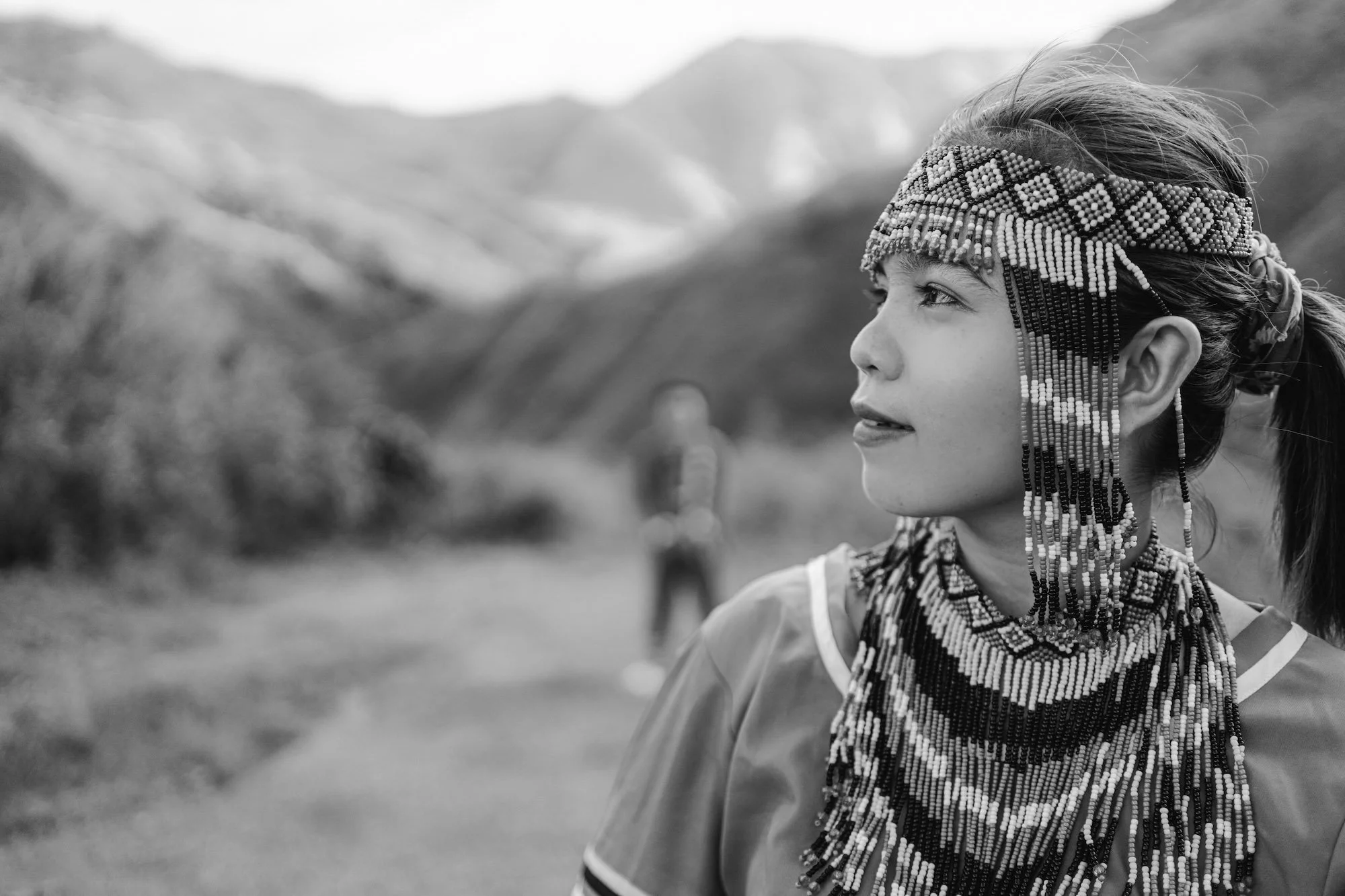
Location: Buscalan — stone footpaths threading between homes and terraced land.
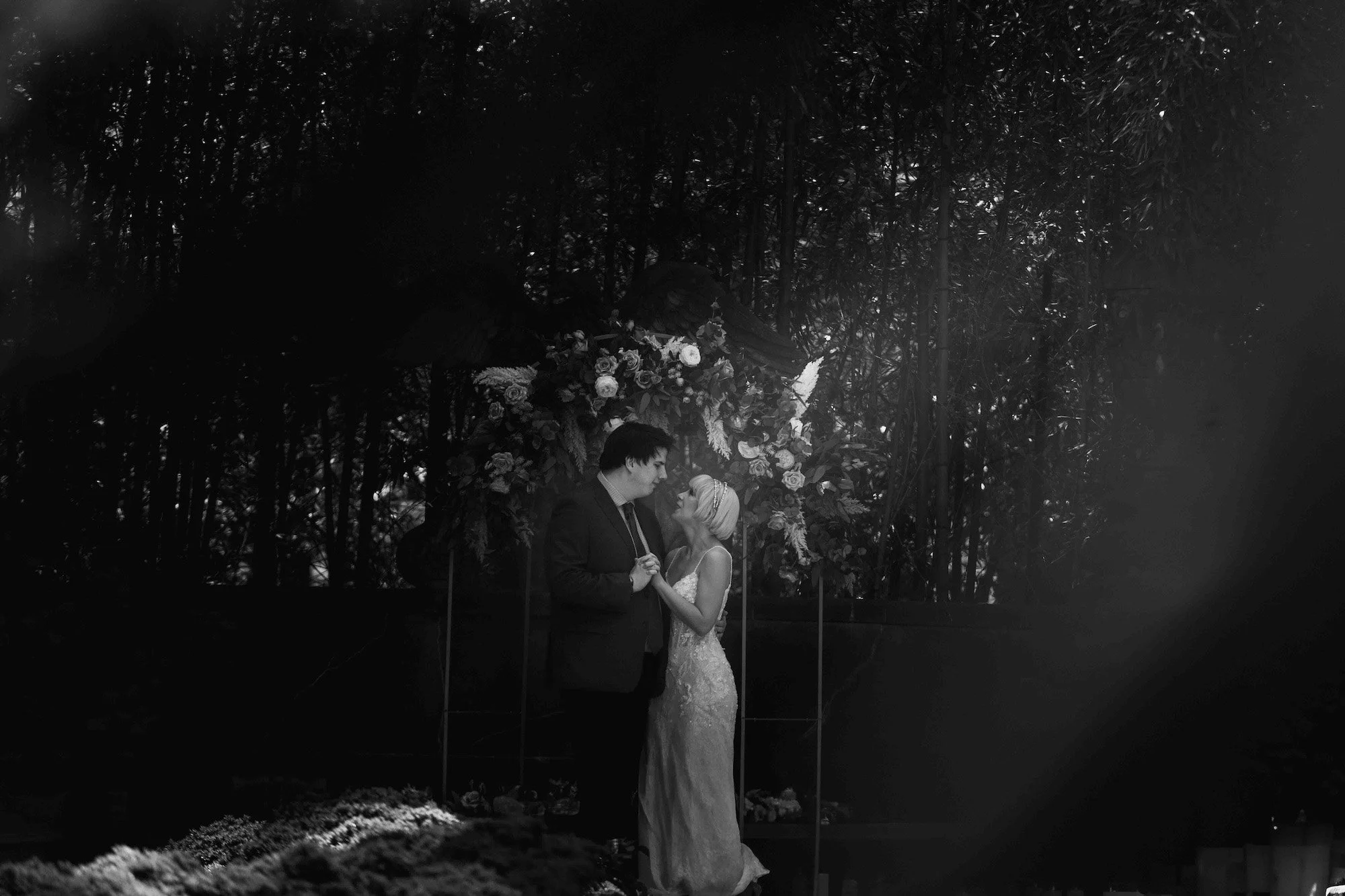
The sequence begins with walking. A couple moves side by side, adjusting to uneven steps, hands brushing occasionally because balance requires awareness. Behind them, terraces layer upward, each level shaped by hands long before the camera arrived.
As the path narrows, movement slows further. The village opens in small clearings rather than wide views. Faces appear, then disappear. The environment shifts not through spectacle, but through accumulation.
Light in Buscalan does not flood. It filters. It slips between structures and softens against skin. The couple pauses where the path bends, not because they were asked to stop, but because the space holds them there naturally.
Later, higher ground changes the scene again. Wind moves more freely. The village stretches below, not dramatically, but truthfully. Buscalan shows itself as lived space, not a backdrop. This could only happen here because elsewhere movement would be faster, sound louder, and pauses less respected.
What It Actually Feels Like
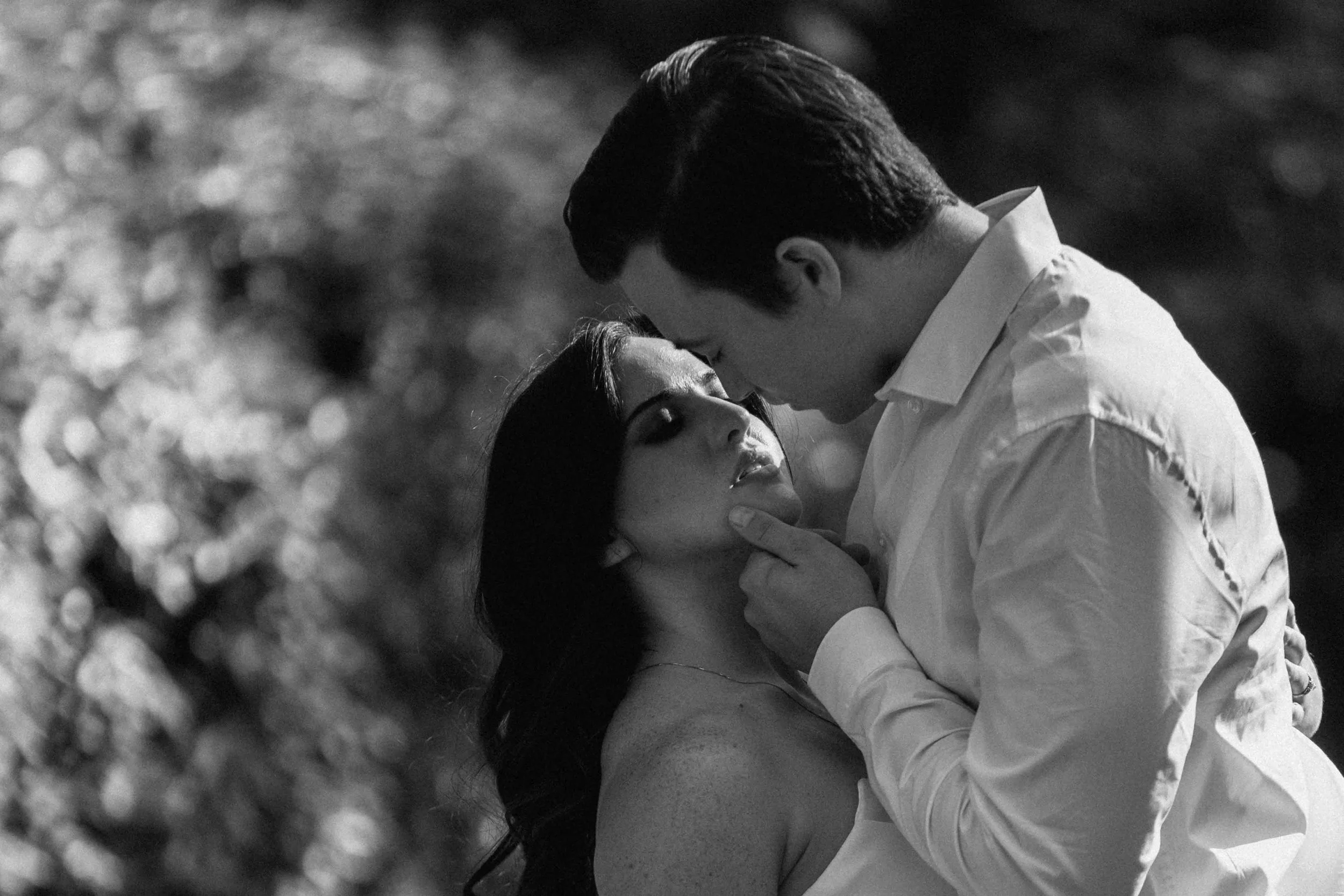
You’ll receive 40–50 hand-edited stills, shaped through light and atmosphere into a visual memory. The experience may unfold in one setting or move across multiple locations and days, allowing contrast and progression without breaking the feeling of the story.
For motion, a 6–12-minute film can be added, drawn from the same moments as the stills.
The Way a Scene Finds Its Shape
In Buscalan, I adapt by removing expectation. There is no fixed route, no predetermined moment to capture. The place decides when stillness arrives and when motion resumes.
Environmental constraints become guides. Narrow paths limit angles. Elevation limits stamina. Light windows are brief and specific. These are not obstacles but instructions.
Stills come first, each frame allowed to stand complete on its own, shaped by where bodies naturally rest. Films follow the same logic, moving only when the environment does. Nothing is produced. Everything is responded to.
The result is work that belongs to Buscalan because it was allowed to form there, slowly, honestly, and without forcing the village to become something else.
About Me
I am Caz Isaiah — a Fragmented Memories photographer, shaping cinema from unscripted moments and the atmosphere around you. My work lives in the space between direction and intuition: the pull of weather, the shift of light, the breath before something real appears. Nothing posed, nothing forced — just scenes that feel lived and held with intention.