Cebu Engagement Photographer
Caz Isaiah | Cebu Engagement Photographer capturing sculpted stills and restrained films where heat, wind, and quiet movement
guide the frame
Cebu Engagement Photographer
Caz Isaiah | Cebu Engagement Photographer capturing sculpted stills and restrained films where heat, wind, and quiet movement
guide the frame
Before the Scene Begins
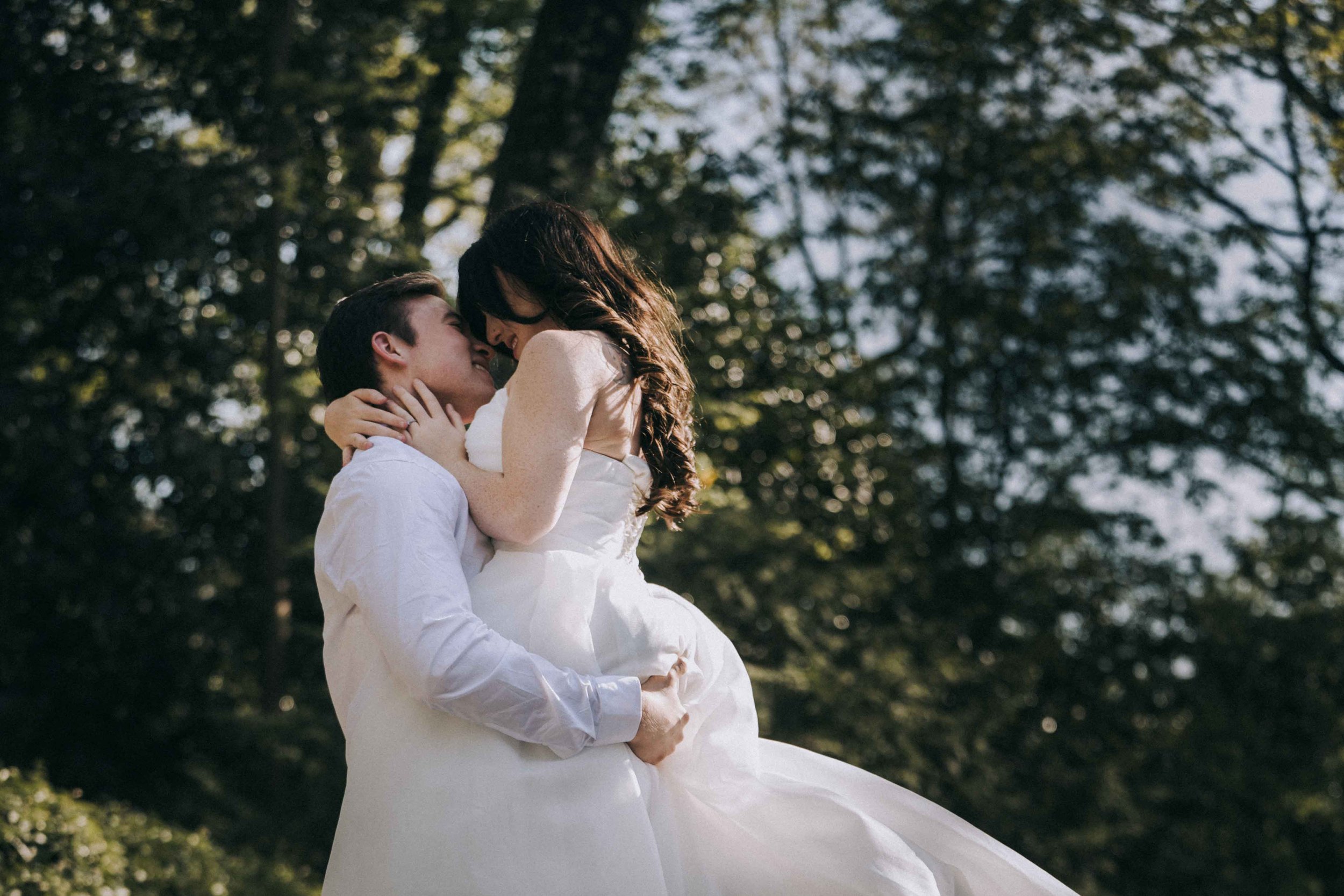
Before the first step is taken, understand this: nothing here is rushed, and nothing is forced. Cebu does not ask for performance. It offers light that slips through palms, salt moving through the air, and heat that slows everything just enough for moments to surface. I work inside that rhythm. I guide when clarity is needed, and I step back when the place itself is already speaking. What unfolds is not a plan, but a current — a sequence shaped for still images that stand alone, each one finished, graded, and complete.
The Invitation
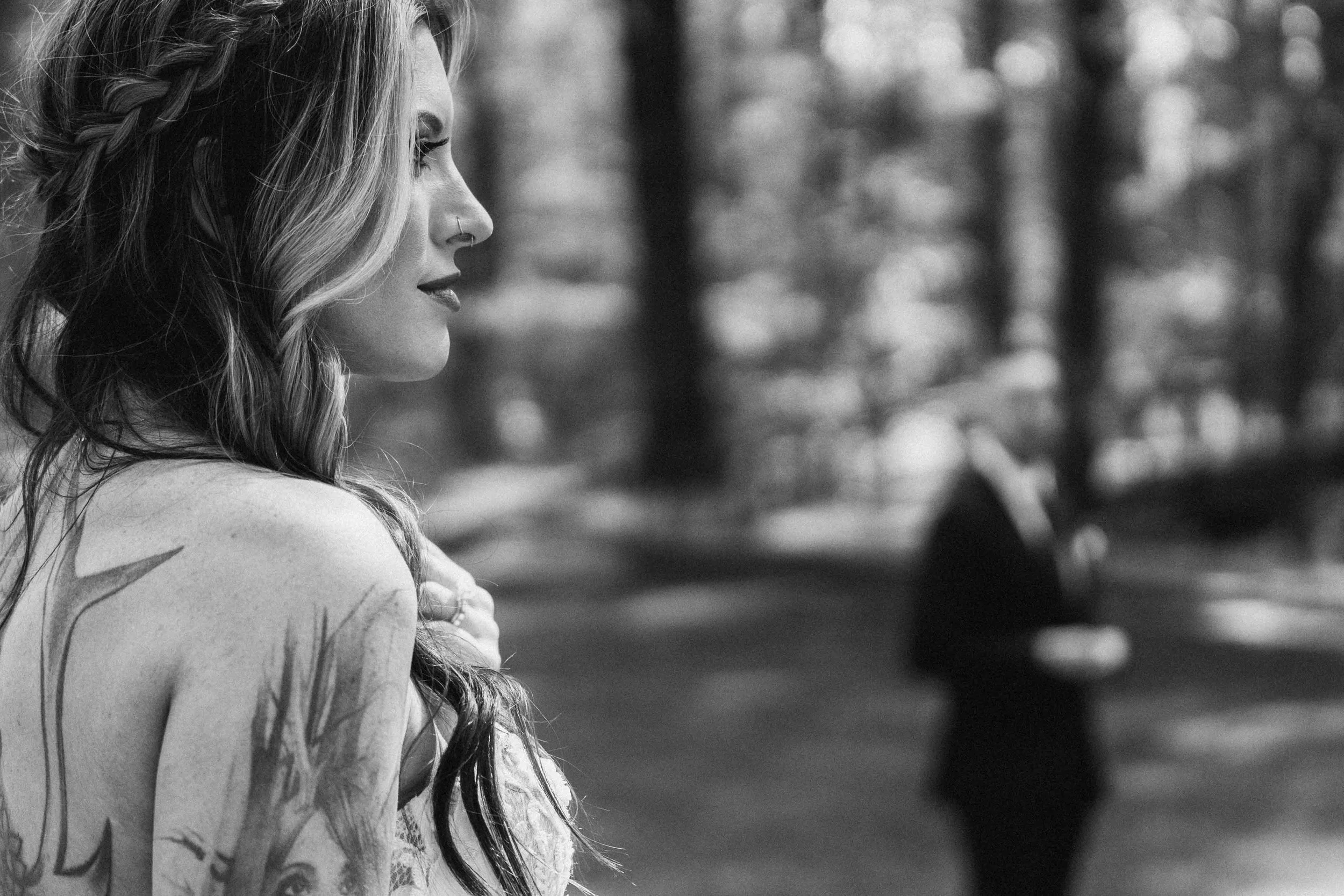
Entering this space feels less like a session and more like crossing a threshold. The world keeps moving — tricycles passing, waves folding in, voices drifting somewhere beyond the frame — yet everything around you begins to narrow. You walk, you pause, you lean into each other without instruction. When a scene sharpens, I give direction that is barely felt: a shift toward the breeze, a step into open shade, a moment held long enough for the light to settle. The intention is always the still photograph first — images with weight, atmosphere, and narrative — with motion available as an extension, not a requirement.
The Descent
As the camera comes up, details start to layer themselves in. Skin warmed by sun. Fabric catching humidity. The faint rhythm of water against stone. You move naturally through Cebu’s textures, and I let the environment do most of the work. When alignment appears — a clean horizon, a wall softened by age, a stretch of air where the light falls evenly — I anchor you there. Not to pose, but to let the image finish forming. Time loosens. Each frame deepens. The story builds through stillness rather than speed.
The Scene
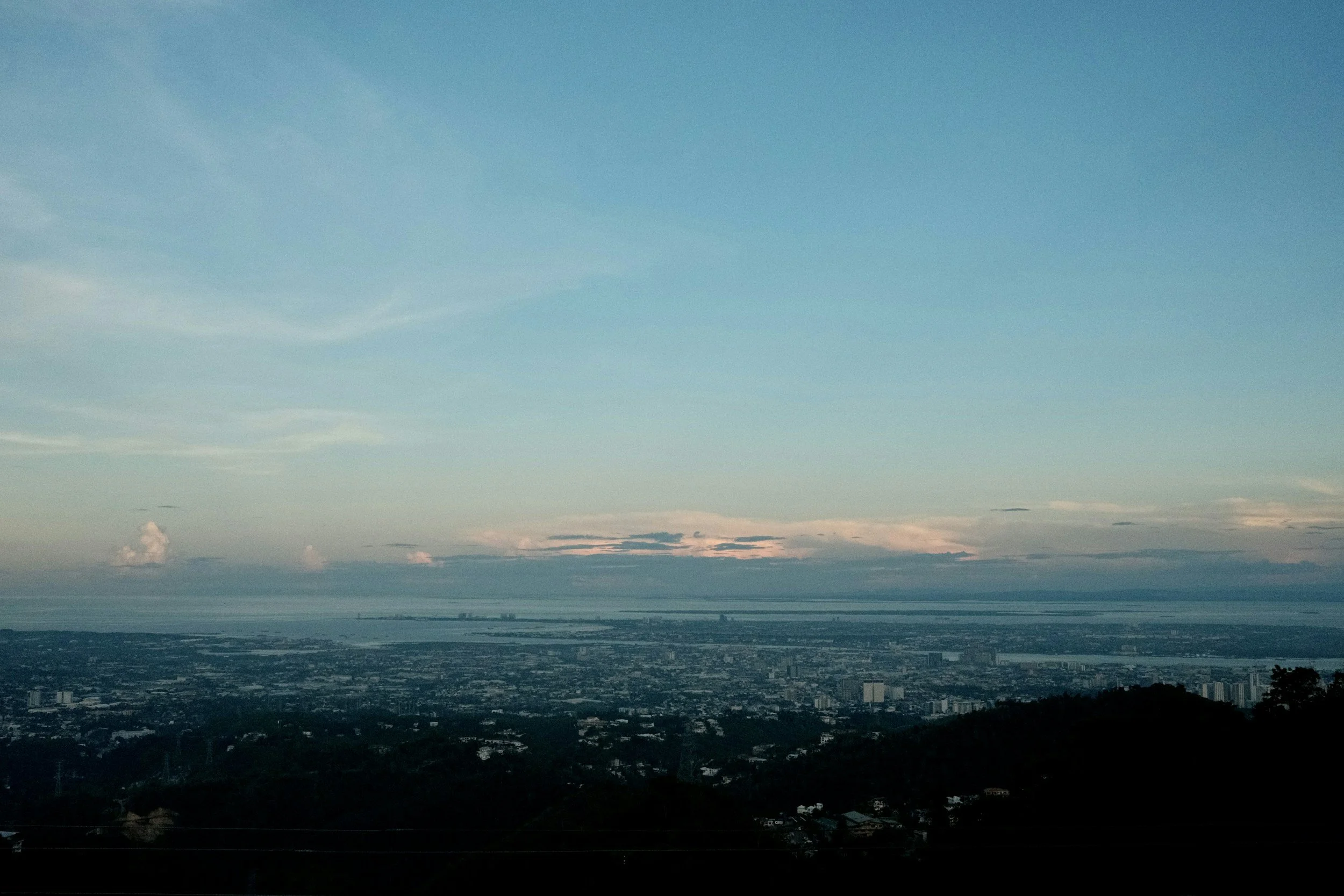
Location: Cebu, where shoreline, city, and heat exist in quiet overlap.
It begins near the water, the afternoon light flattened by haze, the sea stretching outward in pale layers. The shoreline is calm, almost empty, sound reduced to small waves repeating themselves. You move side by side, shoes brushing sand, silhouettes softened by the glare. Nothing asks to be done. The first image settles without effort.
The frame draws closer as the light warms. Salt hangs in the air. A breeze lifts fabric and lets it fall again. You turn toward each other instinctively, foreheads almost touching, breath shared in the space between. The city exists only as a distant presence, blurred into texture. Each still locks into place — not dramatic, not loud — just exact.
As the sun lowers, the color shifts gently. Shadows lengthen across concrete and stone. The water darkens. The moment slows further, as if Cebu itself is holding you there. The last frames arrive quietly: a hand resting, a glance held, the day easing toward evening. When the camera lowers, the scene does not end — it simply releases.
What It Actually Feels Like
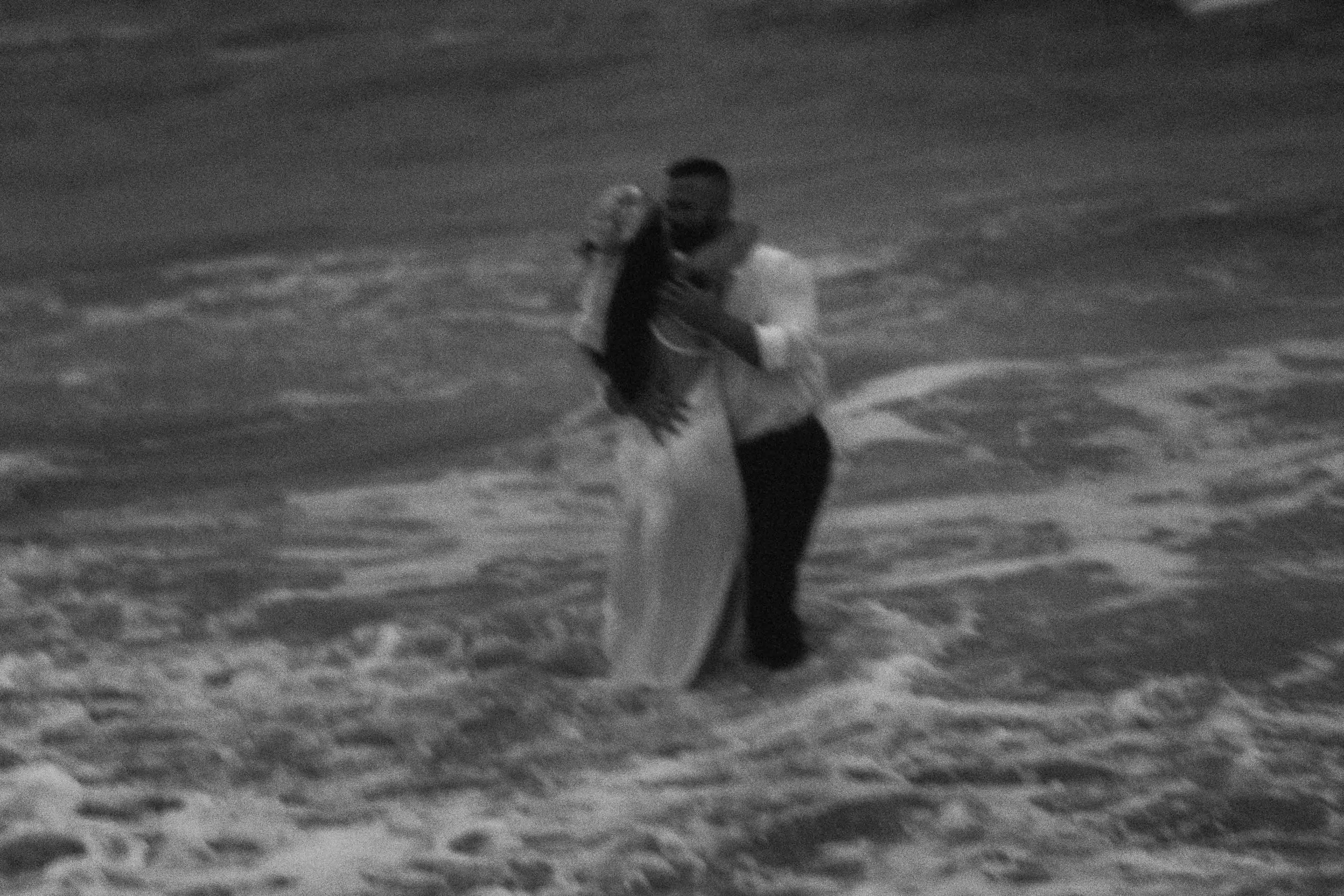
You’ll receive 40–50 hand-edited stills, shaped through light and atmosphere into a visual memory. The experience may unfold in one setting or move across multiple locations and days, allowing contrast and progression without breaking the feeling of the story.
For motion, a 6–12-minute film can be added, drawn from the same moments as the stills.

The Way a Scene Finds Its Shape
Nothing here is scripted, but nothing is uncertain. You move the way you always do, and when the frame needs refinement, I guide with restraint — a pause, a turn, a step into cleaner light. Each still is built to stand on its own, finished and cinematic, carrying its own atmosphere without relying on motion.
The film exists as an option, a way to let sound, movement, and breath extend what the images already hold. The foundation is always the still photograph: texture, light, and presence aligned into something lasting. What remains is not a shoot or a performance, but a memory shaped gently enough to feel untouched — a fragment of Cebu, held steady long enough to stay with you.
About Me
I am Caz Isaiah — a Fragmented Memories couples photographer, shaping cinema from unscripted moments and the atmosphere around you. My work lives in the space between direction and intuition: the pull of weather, the shift of light, the breath before something real appears. Nothing posed, nothing forced — just scenes that feel lived and held with intention.
You can explore more on my About Me page.
