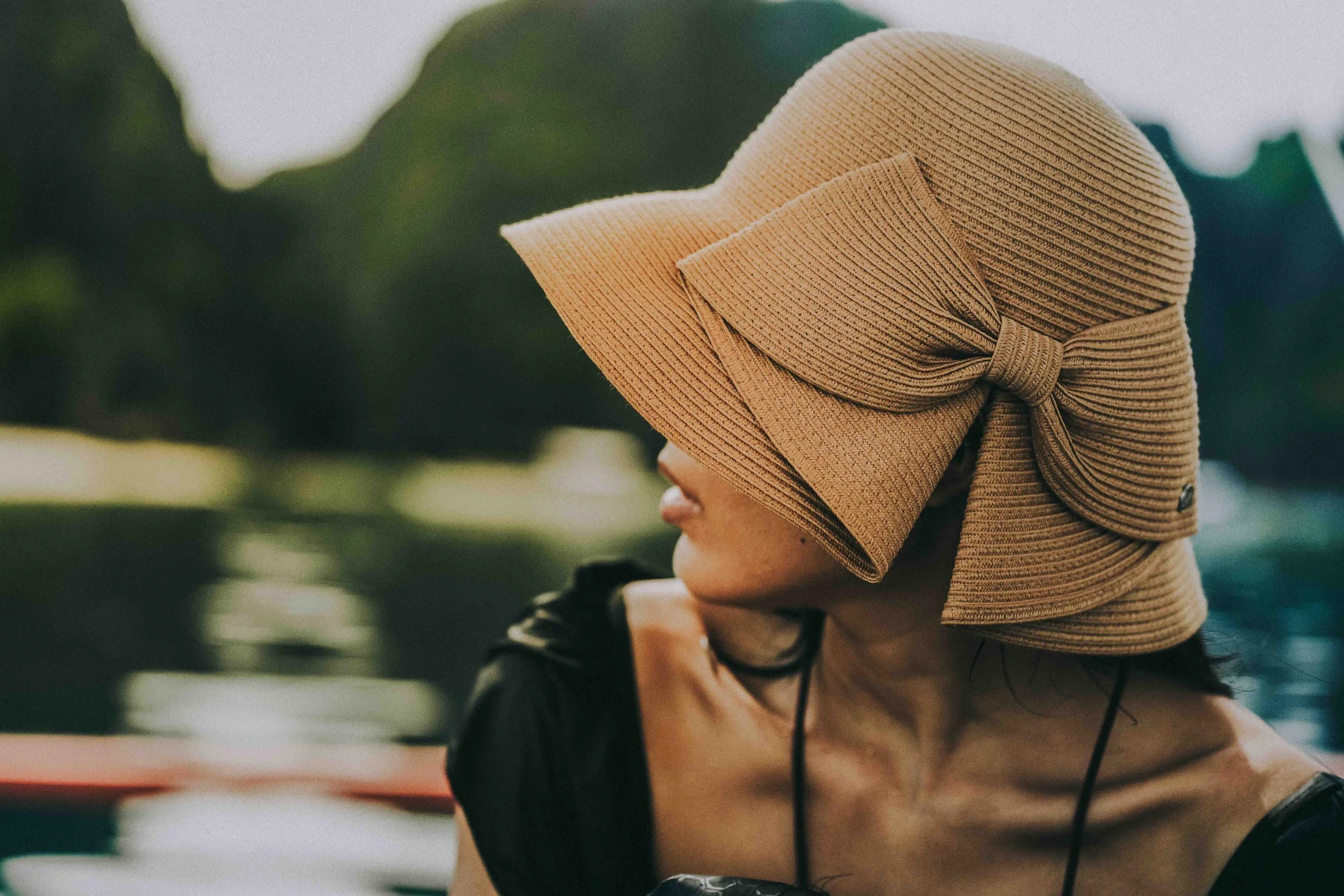
El Nido Couples Photographer
Caz Isaiah | an El Nido couples photographer creating films and stills shaped by cliffs, shifting tides, and the hush before the world opens
El Nido Couples Photographer
Caz Isaiah | an El Nido couples photographer creating films and stills shaped by cliffs, shifting tides, and the hush before the world opens
Before the Scene Begins
Before anything unfolds, El Nido speaks in its own language — limestone rising like ancient walls, water clear enough to catch the shape of your shadow, boats drifting in slow arcs across the cove. I’m not here to choreograph every movement, and I’m not here to let the day drift without direction. I guide when the frame needs structure and let the island shape everything else. What follows isn’t a plan. It’s the first breath before memory opens.
I know these islands the way you know a familiar breath — sixty provinces, countless coastlines, fifteen years spent moving between ferries, cliffs, and quiet shores. Living here means I’m not arriving as an outsider; I’m stepping into a world I already understand.
The Invitation
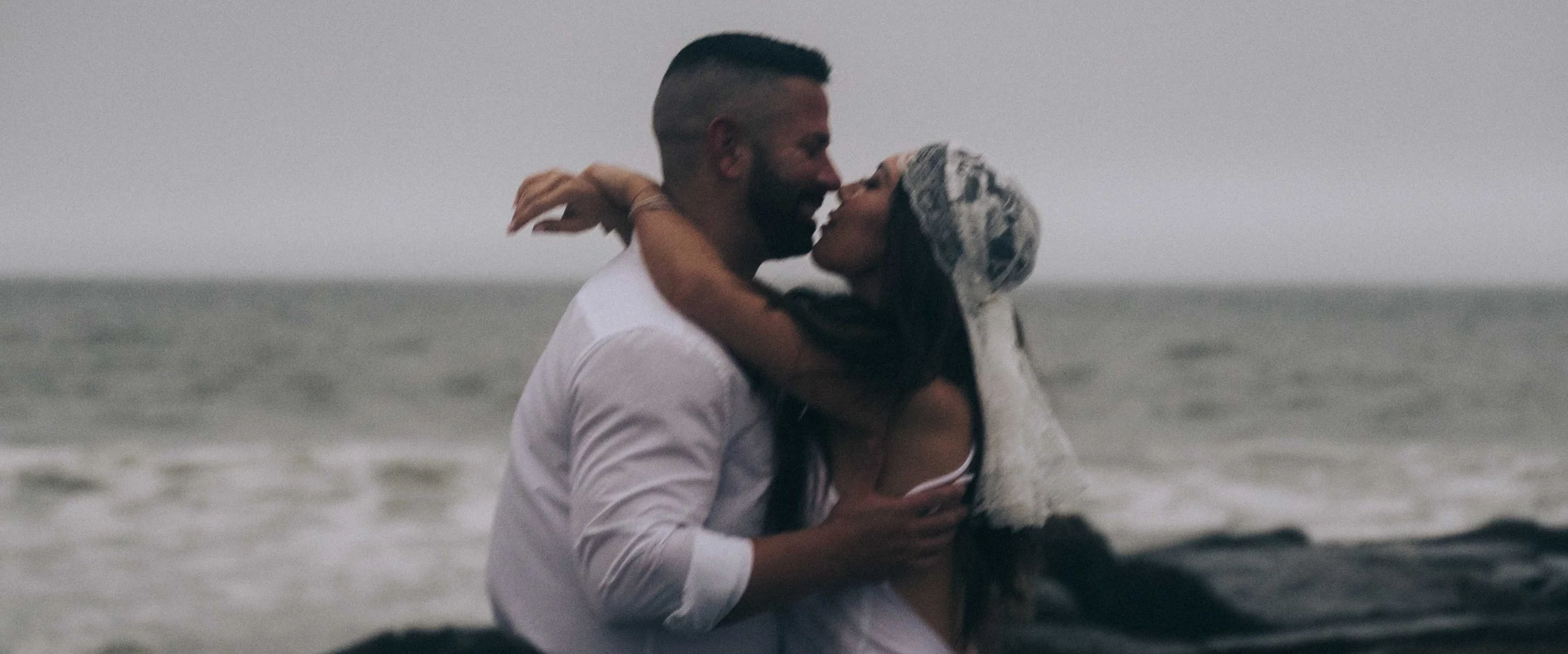
Stepping into the lens here feels like slipping underwater for a moment — sound softens, light bends, and everything slows. One moment you’re simply moving through the cove, and the next the world starts to feel cinematic: ripples widening around your steps, cliffs painting long shadows across the water, wind threading through your clothes. When a moment sharpens — a pocket of shade under jagged limestone, a glimmer across shallow blue, a pause that leans toward closeness — I step in. Not to pose you, but to place you where the frame breathes.
The Descent
Once the camera rises, the island begins offering its fragments: the slap of water against hulls, sunlight filtering through rock gaps, the low echo trapped between cliffs in Palawan. You move the way you naturally would in a place this open — unhurried, curious, following the sound of your own footsteps across sand. When the atmosphere gives us something rare, I’ll place you inside it. A still sliver of lagoon. A narrow ledge glowing gold at noon. A breath before the tide shifts. Small, steady directions hold the moment together without touching its truth.
The Scene
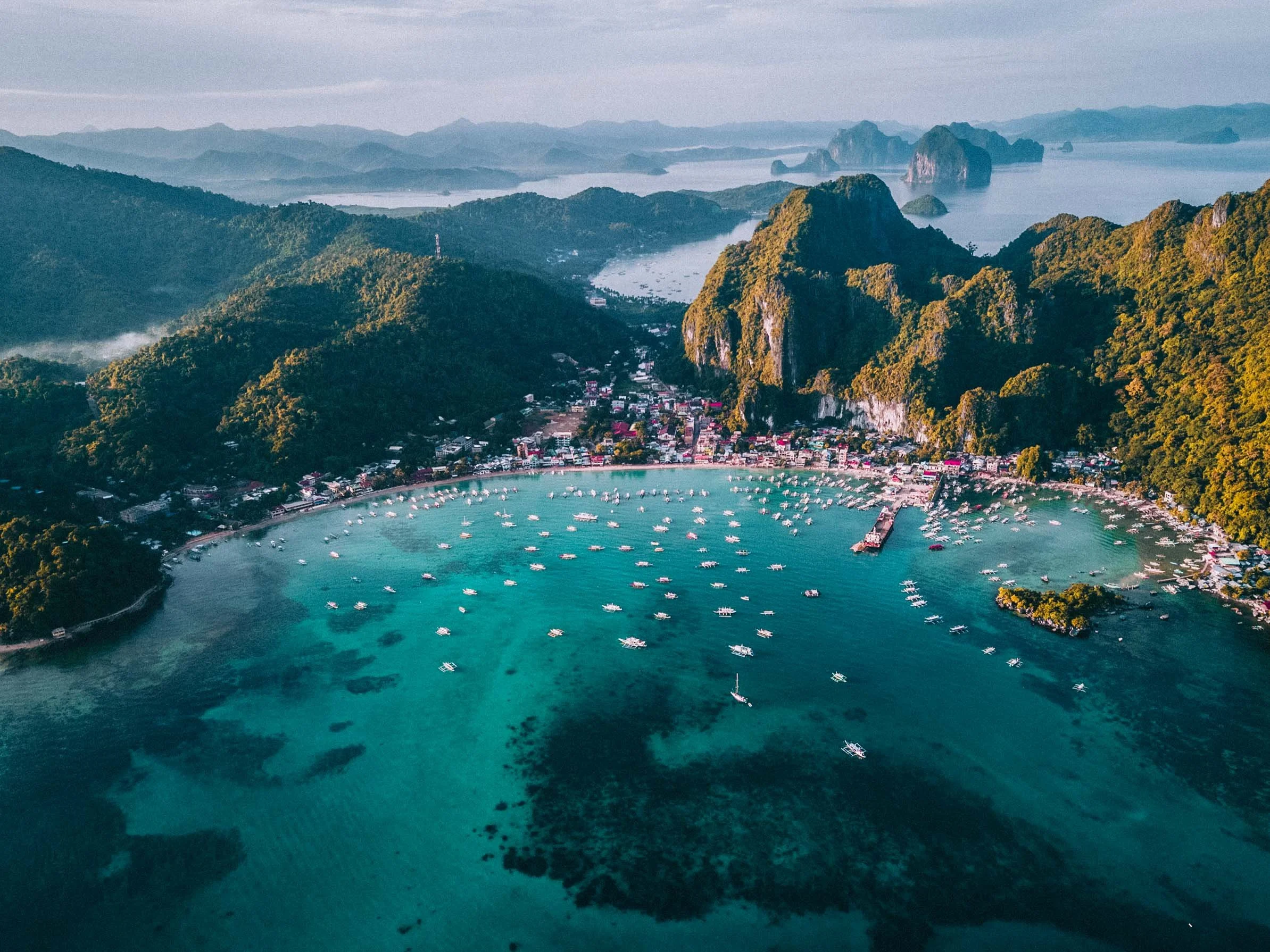
Location: El Nido — cliffs rising like cathedral walls over glass water, light drifting in long, quiet strokes.
It begins in a shallow lagoon, your steps sending soft rings across the surface. Limestone towers cast shadows that move slowly with the sun, and for a moment everything feels suspended — just water, color, and breath. You walk along the sandbar, the cove widening beside you, green-blue light wrapping around your silhouettes.
The frame drifts closer as you enter a narrow passage between cliffs. Light splits into two tones — warm gold on one side, cool blue on the other. You pause beneath the overhang, the world dimming just enough for your outlines to sharpen. Hands meet. Foreheads lean in. Sound collapses into a hush.
Then the late sun arrives, turning the lagoon into a sheet of molten copper. You step into it together, the water catching fire around your legs. The camera pulls back as boats drift into the distance, the cliffs darkening behind you. What stays isn’t the place or the color — it’s the stillness you held in the middle of it, the fragment that lingers when the light fades.
What It Actually Feels Like
You’ll receive 40–50 hand-edited stills, shaped through light and atmosphere into a visual memory. The experience may unfold in one setting or move across multiple locations and days, allowing contrast and progression without breaking the feeling of the story.
For motion, a 6–12-minute film can be added, drawn from the same moments as the stills.
The Way a Scene Finds Its Shape
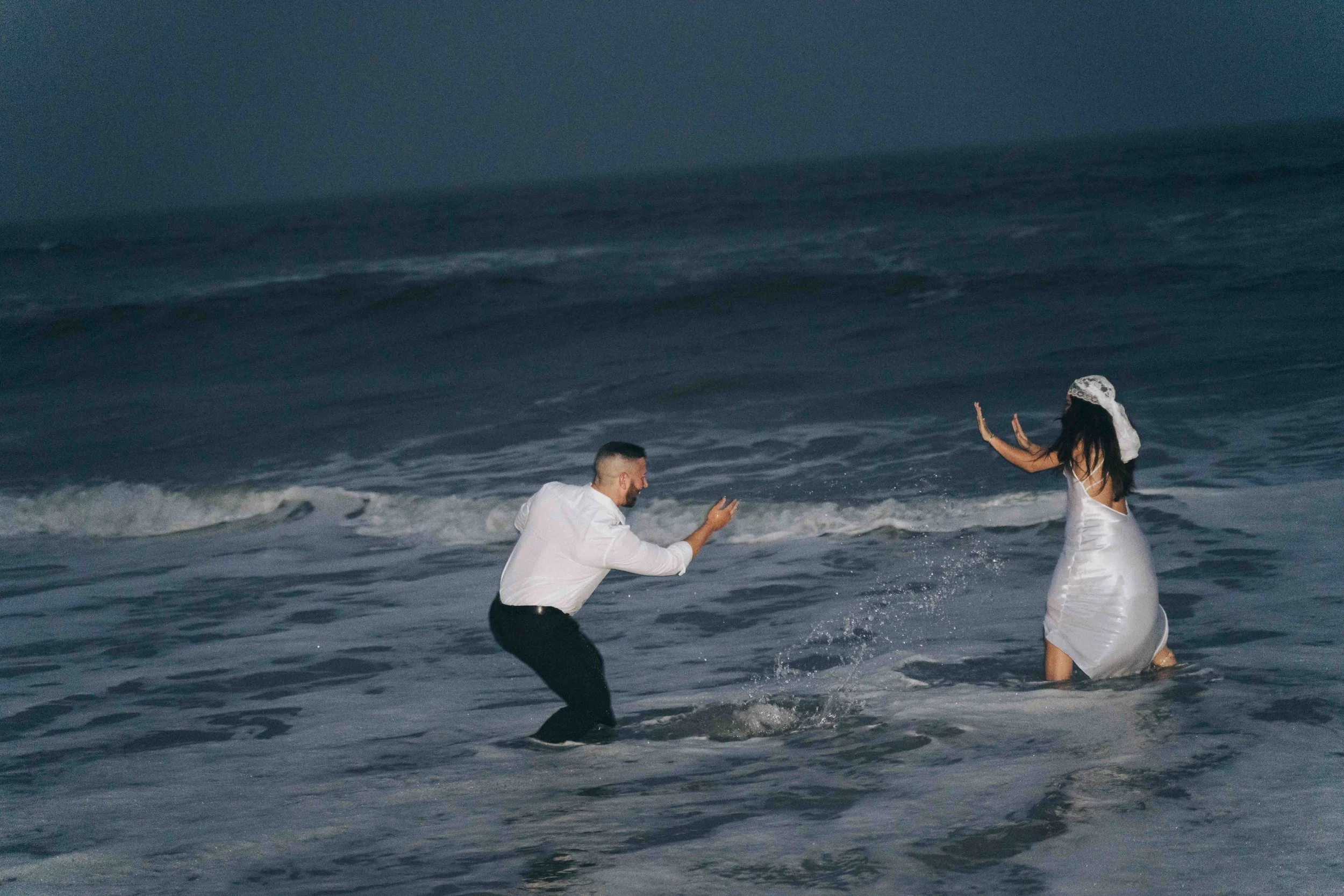
Nothing here is scripted, but you’re never left wandering through the cove. You walk, pause, breathe — and I place you where the world is doing something honest: sunlight spilling through a crack in the rock, ripples brushing your legs, the faint echo of your footsteps against stone. These details shape the film more than any pose ever could.
I’m not chasing performance. I’m chasing atmosphere — the weight of heat on your skin, the pull of tide across sand, the way memory forms when you’re surrounded by cliffs and sky and water. What remains isn’t a session. It’s a living fragment of your life, held long enough to return to whenever you need it.
About Me
I am Caz Isaiah — a Fragmented Memories couples photographer, shaping cinema from unscripted moments and the atmosphere around you. My work lives in the space between direction and intuition: the pull of weather, the shift of light, the breath before something real appears. Nothing posed, nothing forced — just scenes that feel lived and held with intention.
You can explore more on my About Me page.
