El Nido Prenup Photographer
Caz Isaiah | El Nido Prenup Photographer crafting cinematic stills first, with motion added only where the scene asks for it
El Nido Prenup Photographer
Caz Isaiah | El Nido Prenup Photographer crafting cinematic stills first, with motion added only where the scene asks for it
Before the Scene Begins
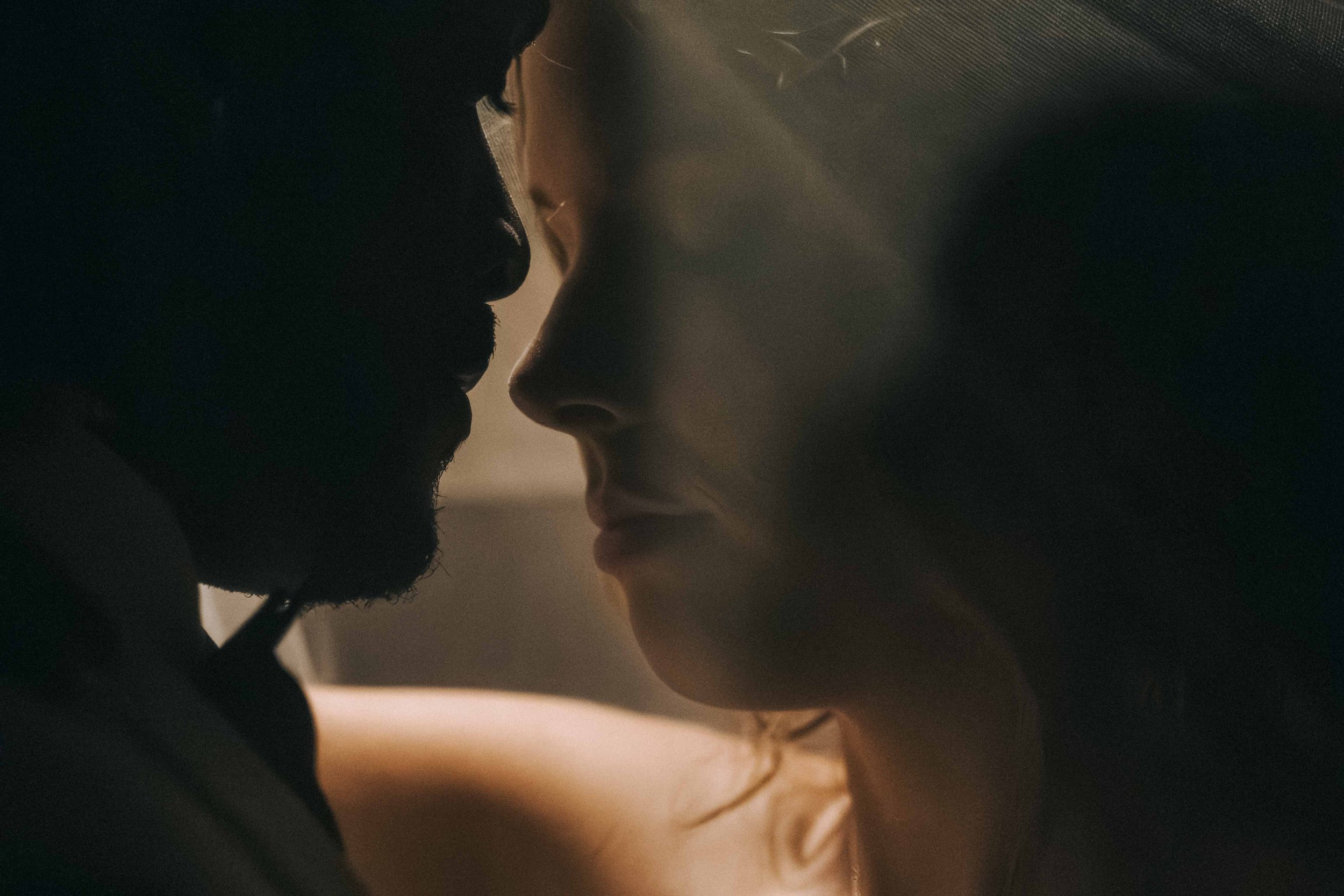
Long before the camera enters the day, time has already left its mark. Familiar movements replace hesitation, and closeness no longer asks to be explained. What exists at the start isn’t anticipation, but continuity—life already in motion.
Having lived across the Philippines for years, I understand how days here unfold through tide, heat, distance, and waiting. I don’t impose structure or manufacture feeling. I let the place set its pace, then guide only when something sharpens—holding presence briefly before it drifts back into the day.
The Invitation
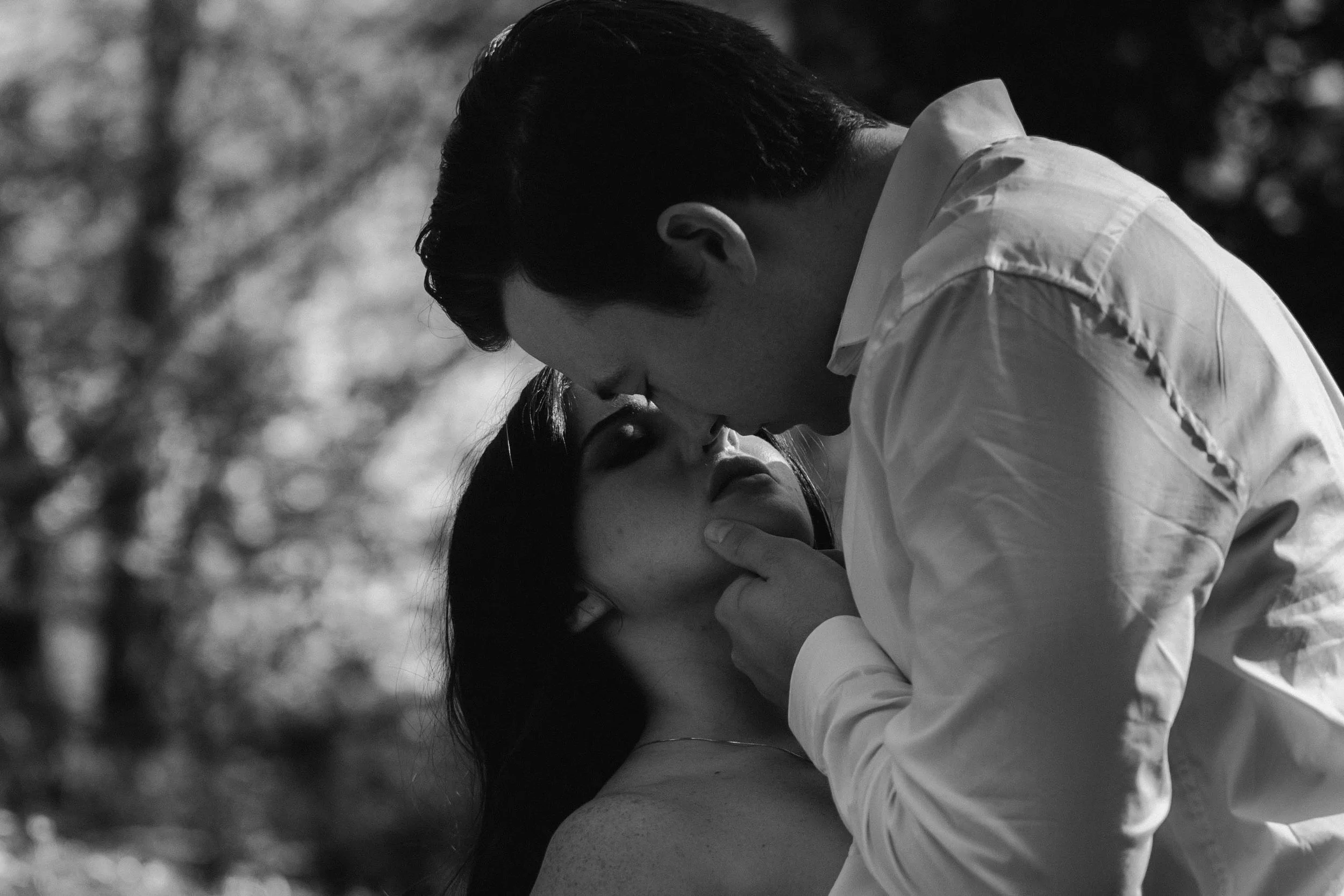
A prenup in El Nido doesn’t announce itself; it reveals itself slowly. One moment you’re moving between boats and paths, and the next, the air thickens and the frame begins to settle. Limestone walls rise without warning, water reflects back fragments of sky, and everything feels slightly suspended.
Most of what happens is unprompted—the way you balance on a banca edge, the way you lean closer when waves pass beneath you. When the scene offers clarity—a quiet inlet, a strip of sand exposed by tide, a pause that feels complete—I step in. Not to choreograph, but to align you with what’s already there.
The Descent
As the camera lifts, El Nido begins offering details. Oars tapping against wood. Salt drying on skin. Shadows shifting along rock faces as clouds pass overhead. You move forward, and I follow the rhythm until the environment presents something exact.
A step closer to the waterline. A turn toward reflected light bouncing off the sea. A moment of stillness as the tide pulls back. Direction is minimal and precise, meant only to anchor what’s forming without interrupting its truth. Time stretches, not through excess, but through allowance.
The Scene
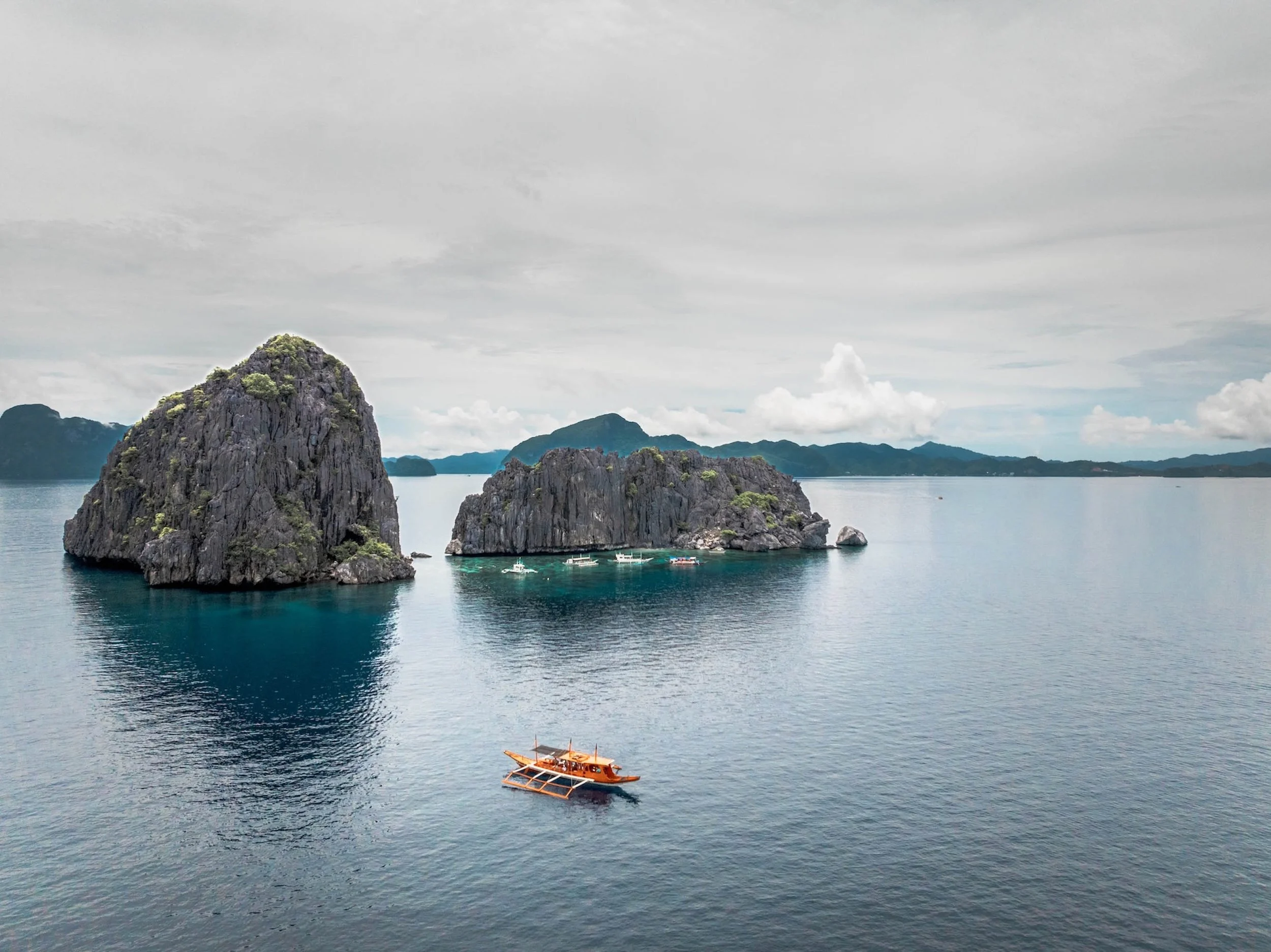
Location: Limestone cliffs rising from clear water, boats drifting nearby.
The sequence opens offshore, the sea glassy and pale beneath a muted sky. Limestone walls frame the horizon, cutting the world into clean planes of rock and water. You stand near the edge of a banca, steady but unposed, the scale of the place doing most of the work.
The camera moves closer as the boat drifts into a narrow inlet. Water darkens. Sound softens. Reflections fracture across the surface, catching your outlines and breaking them apart. You step onto sand newly revealed by the tide, footprints briefly marking a place that won’t remember them.
Later, the light lowers and turns dense. Shadows climb the cliffs whileโพ light lingers on the water. You move slowly now, guided by the terrain rather than intention. Hands meet without instruction. Breath settles. The camera pulls back, allowing the scene to dissolve naturally. What remains is not spectacle, but a held moment, shaped by sea and stone.
What It Actually Feels Like
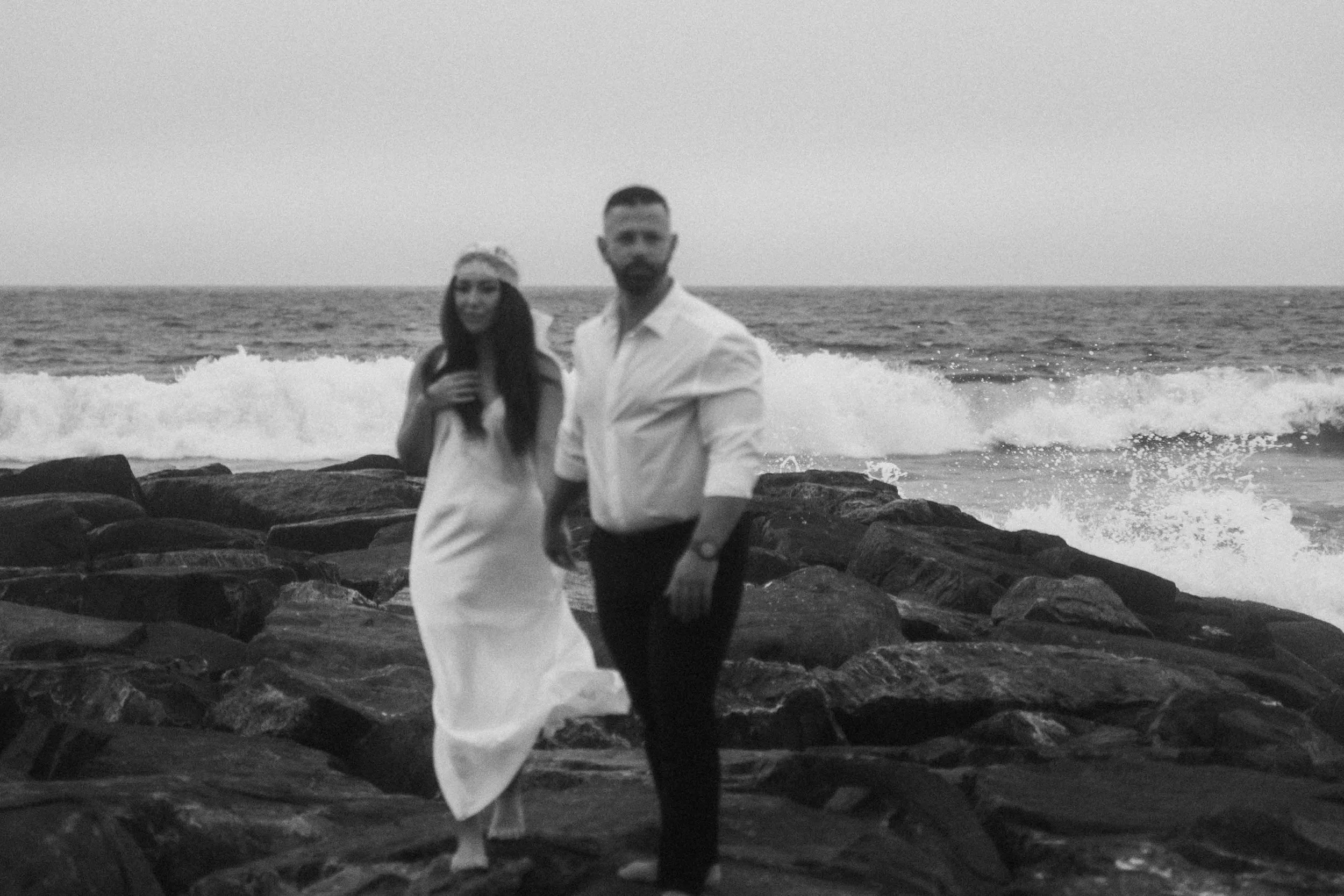
A full-day cinematic prenup, shaped around light, movement, and rest. The day flows between moments of shooting and pauses for travel, wardrobe changes, and resets—without pressure or rushing.
You’ll receive 60-80 hand-edited digital stills, shaped through light and atmosphere into a visual memory. The experience may unfold in one setting or move across multiple locations and days, allowing contrast and progression without breaking the feeling of the story.
For motion, a 6–12-minute film can be added, drawn from the same moments as the stills.

The Way a Scene Finds Its Shape
Nothing here is scripted, but nothing is left uncertain. You move as you naturally would, and when the scene asks for refinement, I guide you—one adjustment toward the light, one pause where the environment is doing something quiet and exact. Not posing. Not performance. Just instinct shaped gently into form.
Each finished still is cinematic on its own, fully graded and complete without explanation. Motion is optional, drawn from the same moments as the photographs—used sparingly, only when movement adds coherence rather than noise. What’s created isn’t coverage of a day, but a sequence of fragments, gathered carefully and allowed to breathe.
About Me
I am Caz Isaiah — a Fragmented Memories photographer, shaping cinema from unscripted moments and the atmosphere around you. My work lives in the space between direction and intuition: the pull of weather, the shift of light, the breath before something real appears. Nothing posed, nothing forced — just scenes that feel lived and held with intention.
