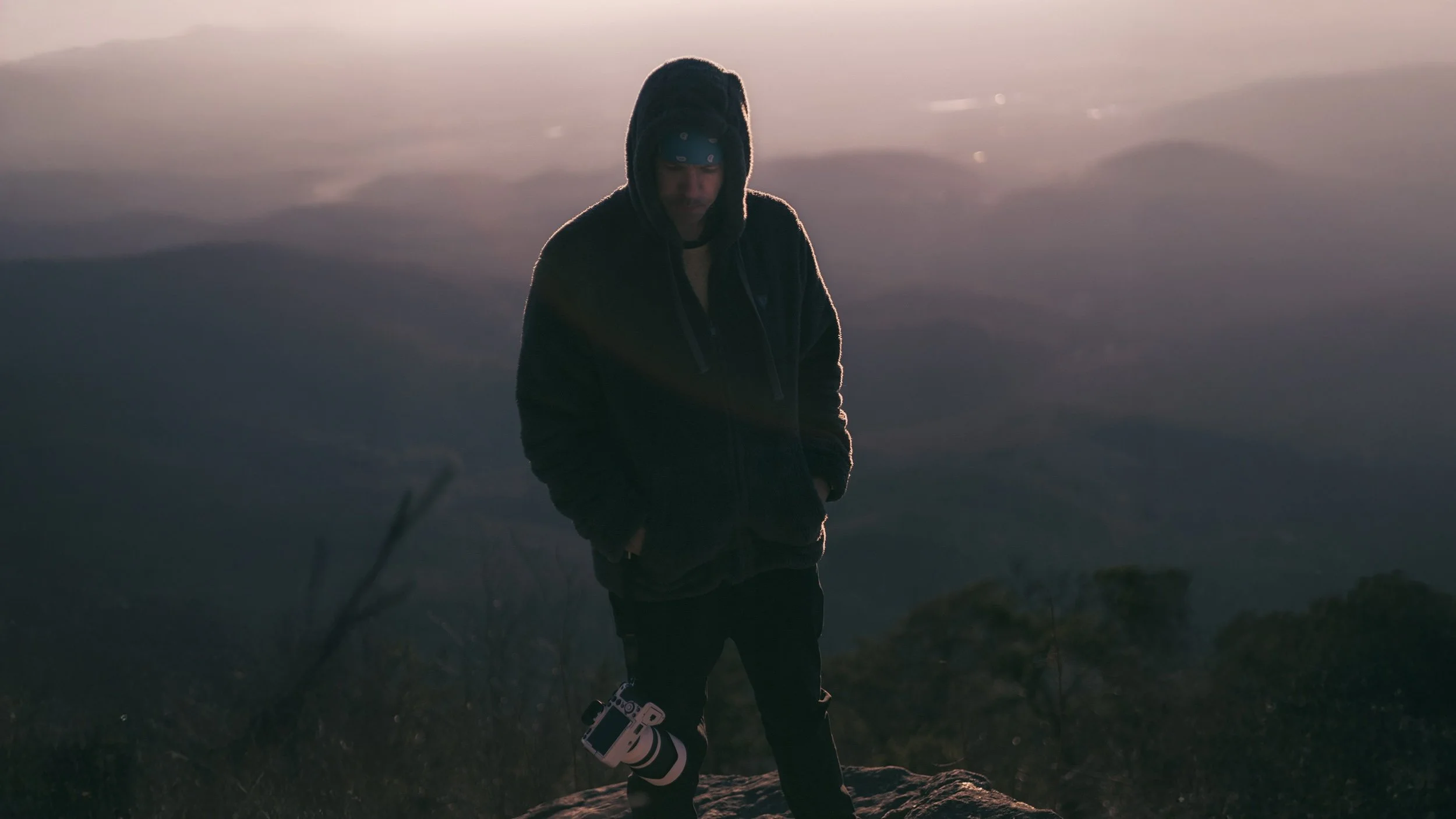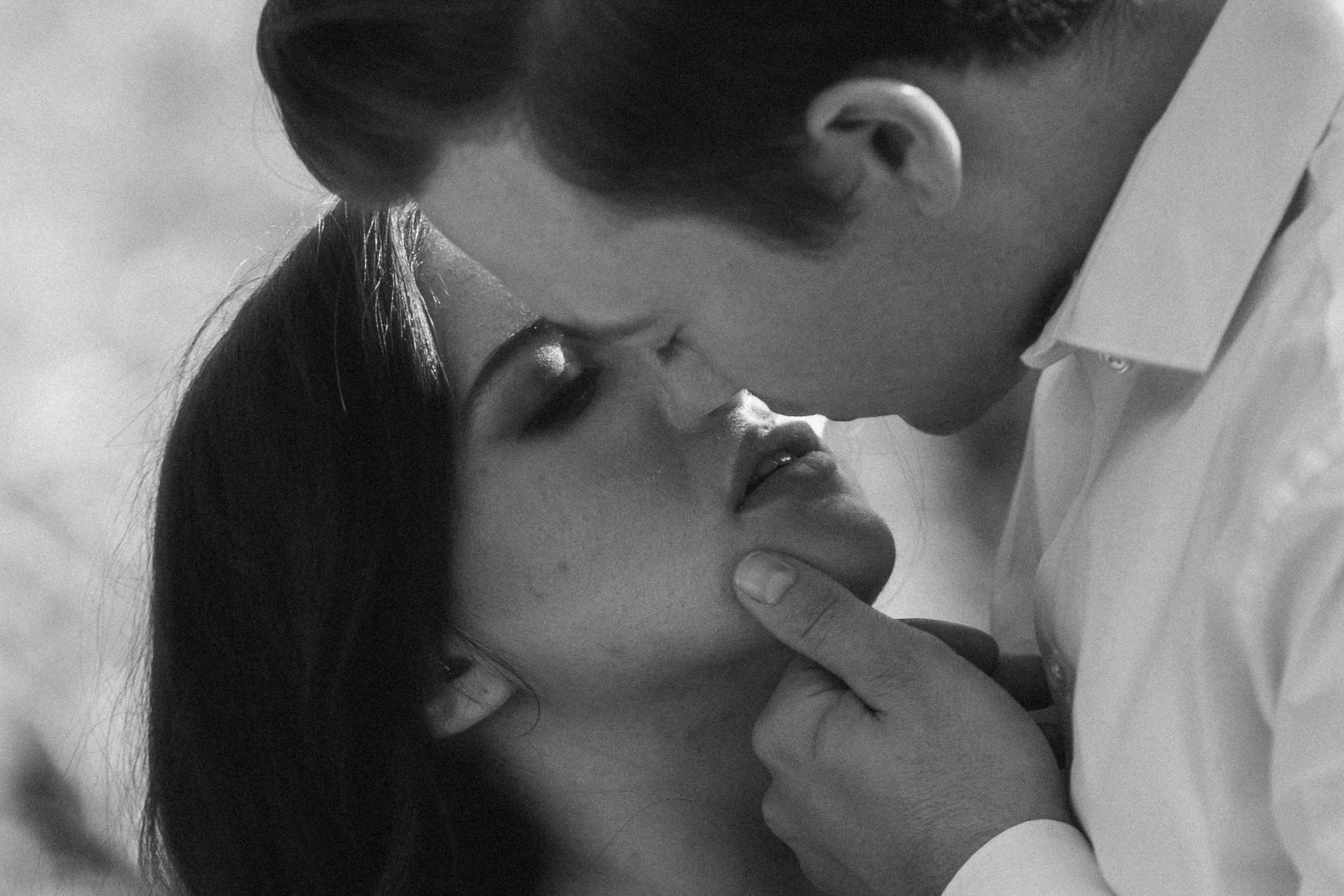
Intramuros Prenup Photographer
Caz Isaiah | Intramuros Prenup Photographer working in stills and films shaped by stone walls, courtyards, and the slow rhythm of the old city.
Intramuros Prenup Photographer
Caz Isaiah | Intramuros Prenup Photographer working in stills and films shaped by stone walls, courtyards, and the slow rhythm of the old city.
Before the Scene Begins
Some places ask you to slow down without saying a word.
I have moved through cities across the Philippines long enough to recognize when stone, not scenery, sets the pace. In Intramuros, footsteps soften instinctively as shoes meet cobblestone and brick. The walls hold heat from the afternoon sun and release it slowly, long after traffic noise fades beyond the gates. Carriages pass with measured rhythm, guards pause at archways, and tourists thin out as shadows stretch along the fortifications. The work here begins by matching that tempo, allowing the city’s age to steady the frame rather than interrupt it.
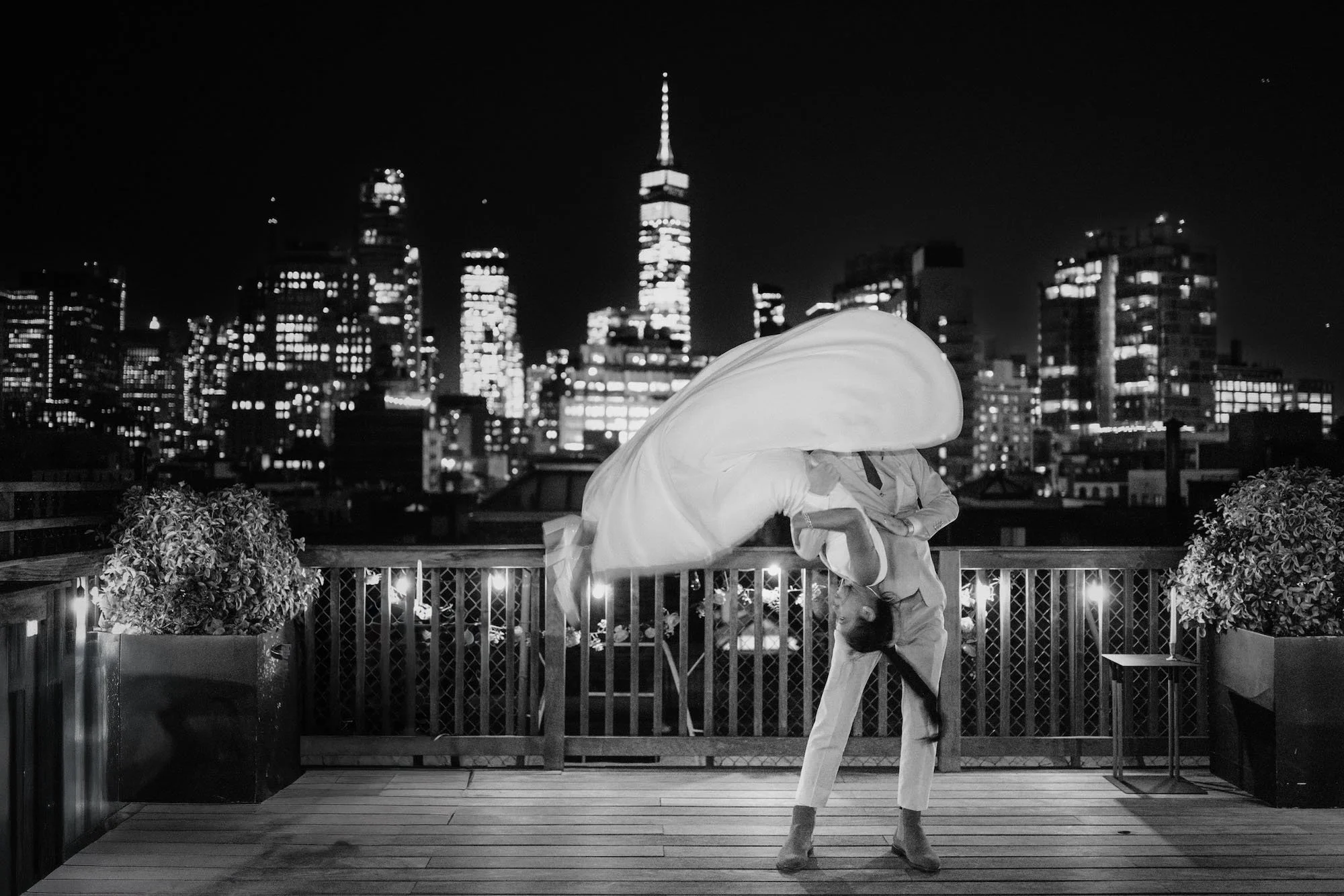
The Invitation
A prenup in Intramuros is entered through gates that narrow your field of view.
You arrive by foot, calesa, or slow-rolling car, crossing from modern Manila into streets that curve instead of rush. The weight of the walls changes posture immediately, shoulders drop, steps shorten, and voices lower. You respond to narrow sidewalks, uneven stone, and sudden pockets of quiet where churches and courtyards absorb sound. Intramuros guides attention inward, pulling couples closer together as movement becomes deliberate. I follow that shift, adjusting position to the street rather than rearranging it.
The Descent
Once the camera lifts, Intramuros begins feeding the scene through texture and repetition.
Iron gates creak open, pigeons scatter from ledges, and footsteps echo briefly before disappearing into thick masonry. Timing bends around shade and exposure as sun angles slip between buildings and vanish without warning. Direction stays minimal because the city supplies its own geometry, doorways framing stillness, walls guiding alignment, and archways creating natural pauses. Intramuros decides when to wait and when to move, and the work listens.
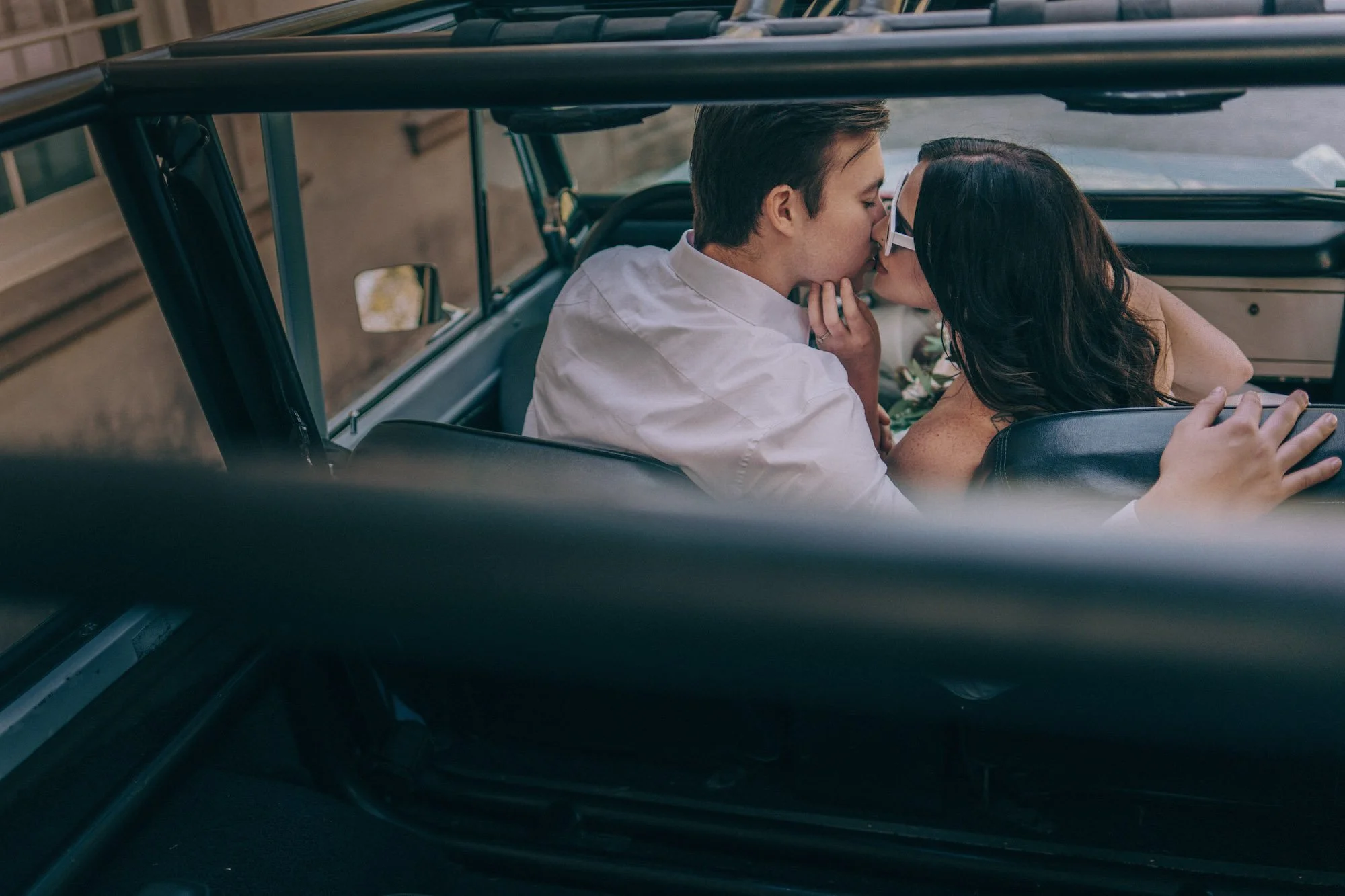
The Scene
Location: Intramuros — stone ramparts, inner courtyards, and cobbled streets enclosed by historic walls.
The sequence begins along the fortifications where the city edge meets open sky. Couples walk parallel to the walls, stone rising beside them, space compressing and releasing as streets bend inward. Inside the plazas, light shifts quickly, reflecting off pale brick and dark iron, changing the tone of each frame within minutes. Near the churches, movement slows again as visitors drift past and then disappear, leaving sudden stillness behind. Intramuros reappears throughout the scene in repeating textures, worn steps, layered shadows, and quiet corners that only exist inside these walls. The environment evolves without instruction, turning time itself into a visible element.
What It Actually Feels Like
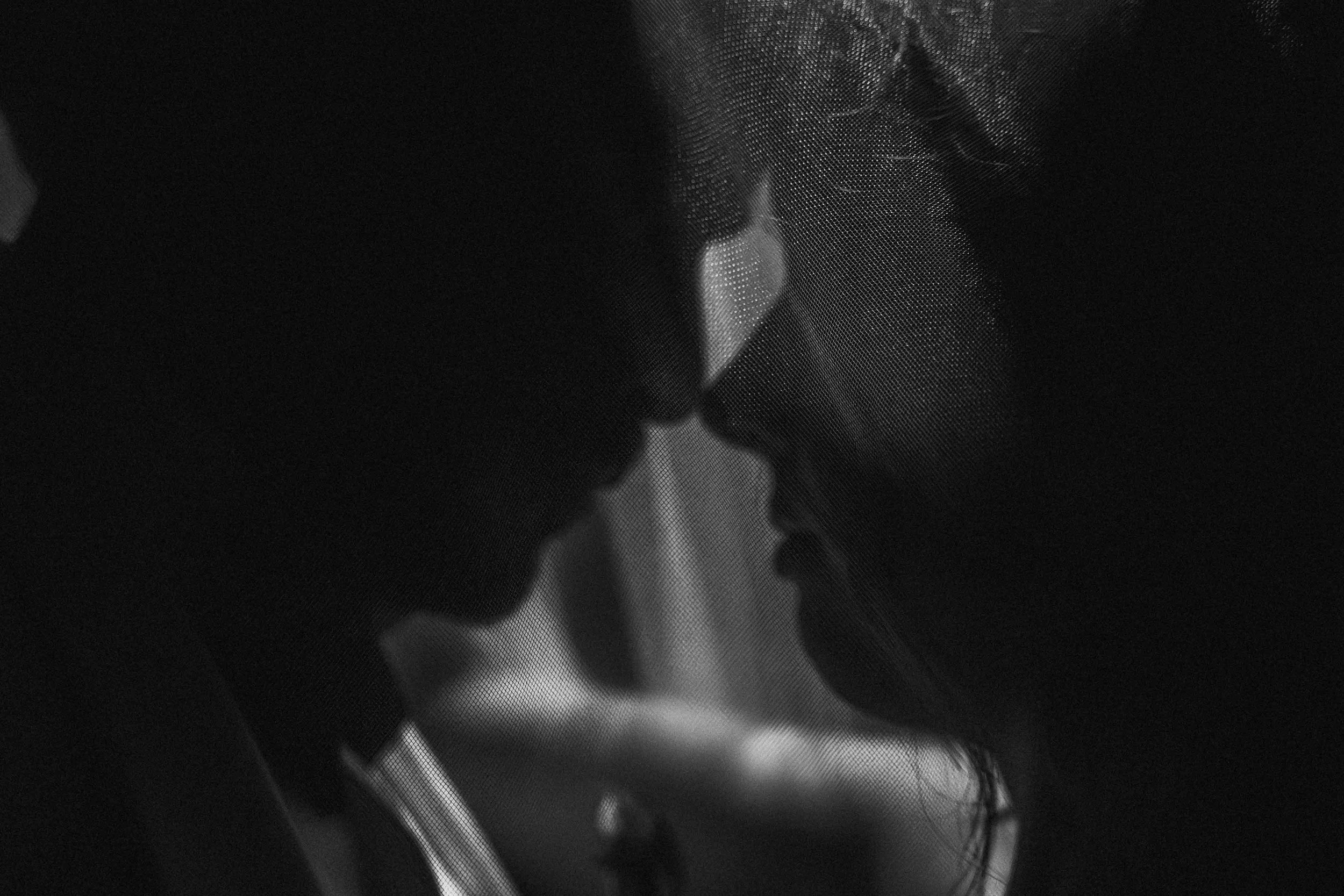
You’ll receive 40–50 hand-edited stills, shaped through light and atmosphere into a visual memory. The experience may unfold in one setting or move across multiple locations and days, allowing contrast and progression without breaking the feeling of the story.
For motion, a 6–12-minute film can be added, drawn from the same moments as the stills.
The Way a Scene Finds Its Shape
Working in Intramuros means adapting to constraint rather than resisting it.
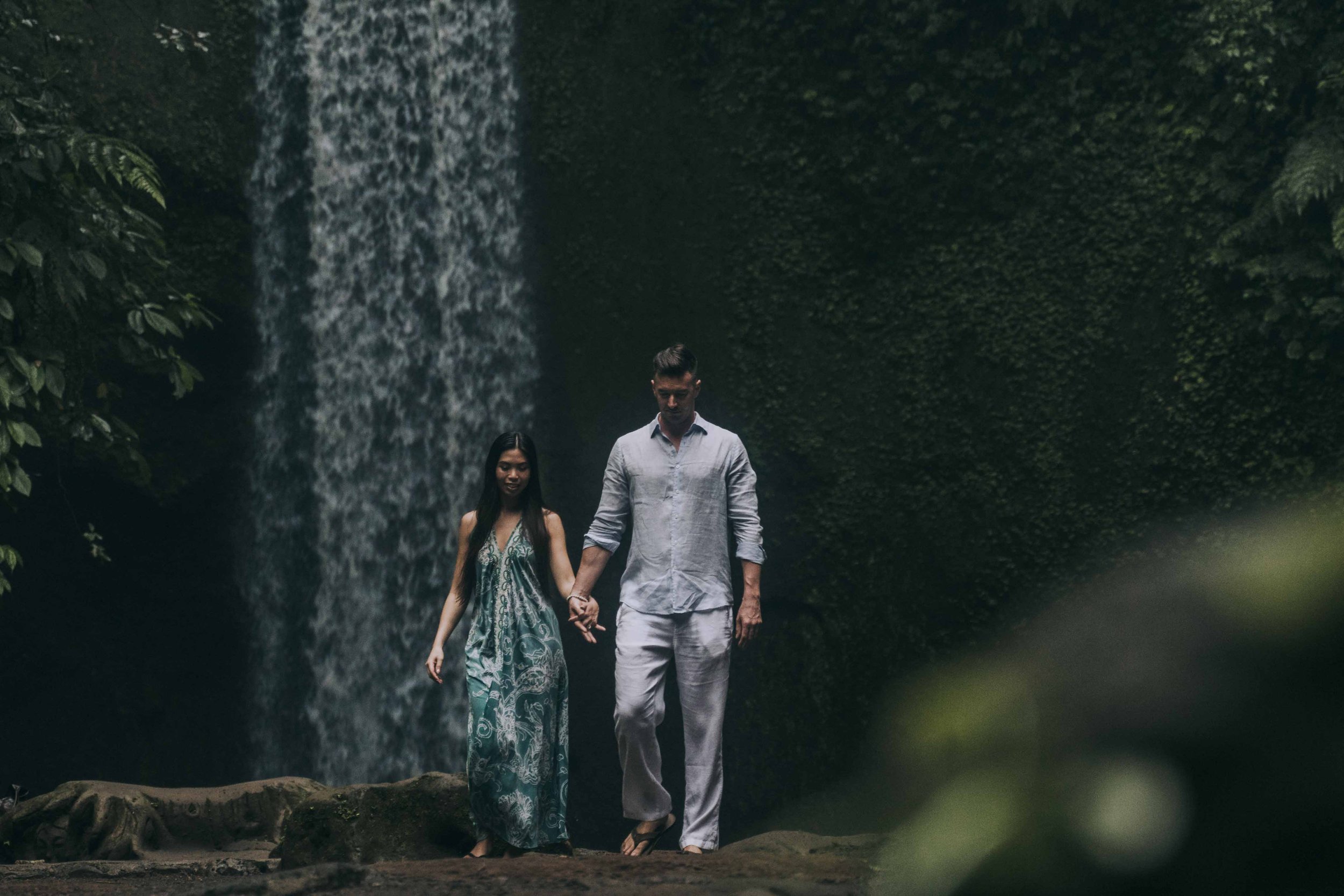
Walls limit angles, crowds appear and dissolve without warning, and sound changes block by block. I adjust by waiting instead of repositioning, letting passages clear naturally and light return on its own terms. The city offers gifts through symmetry, patina, and silence that no plan could reproduce. The work responds to what Intramuros allows in that moment, shaping scenes that feel settled rather than arranged.
About Me
I am Caz Isaiah — a Fragmented Memories photographer, shaping cinema from unscripted moments and the atmosphere around you. My work lives in the space between direction and intuition: the pull of weather, the shift of light, the breath before something real appears. Nothing posed, nothing forced — just scenes that feel lived and held with intention.