
Japan Couples Photographer
Caz Isaiah | A Japan couples photographer creating films and stills where quiet hours glow like lanterns drifting through the night.
Japan Couples Photographer
Caz Isaiah | A Japan couples photographer creating films and stills where quiet hours glow like lanterns drifting through the night.
Before the Scene Begins
Japan moves at its own frequency — train chimes in the distance, soft announcements, a breeze slipping between alleys and temples. Before anything begins, I’m not asking you to perform or fit into poses that don’t belong to you. I’m here to read the atmosphere — the way the light falls on tiled roofs, the hush under cedar trees, the glow of vending machines at midnight. What follows isn’t an itinerary. It’s the way a day in Japan might replay later in your mind, half-memory, half-cinema.
The Invitation
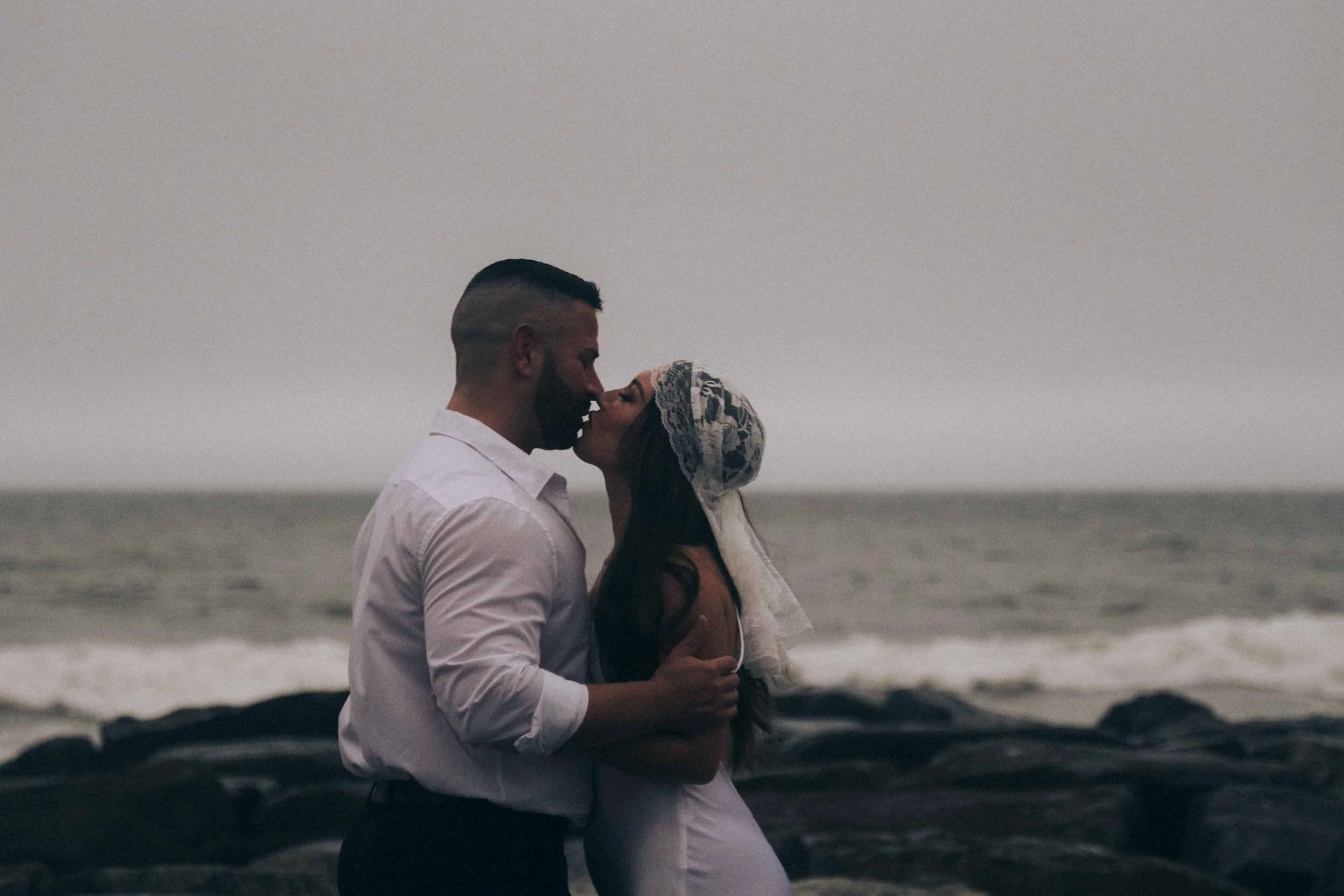
The first step is simple: you arrive as you are. Maybe it’s an early street in Kyoto before shops open, or a quiet platform after rush hour in Tokyo when the crowd thins and the air finally stretches. The world slows around you in small ways — steam rising from a cup, the rustle of a kimono, the hush of footsteps on stone. You’ll walk, talk, laugh, get lost for a second in your own world. When a corner, reflection, or shaft of light turns into something that feels like a frame meant to hold you, I’ll call you into it. A pause beside a lantern. A shared look on a crossing. Not performance — just the moment tightened so it can be remembered.
The Descent
Once the camera lifts, Japan starts feeding us details. Neon buzzing above a side street. Wind catching the edge of an umbrella. A distant temple bell folding over the city’s low hum. You move the way you naturally do, and I follow the current — but when the atmosphere forms something perfect, I place you inside it. A stillness beneath maples just turning red. A turn toward each other as a train erupts past in a blur. A breath held as snow begins to fall in a back alley no one else seems to notice. Time stretches here. Seconds feel longer. It starts to feel less like documenting and more like you’ve stepped sideways into a story that was already waiting.

The Scene
Location: Evening streets after the rush, lanterns waking one by one.
The light has just begun to dim when the scene opens. The sidewalks are damp from a light rain, reflecting streaks of neon and paper lantern glow like brushstrokes on asphalt. The city is no longer loud, just murmuring — the last rush of office workers dissolving into quiet pockets of stillness. You walk side by side along a narrow street, steam drifting from doorways, a distant sizzle from a tiny shop with three stools. You’re not posed; you’re simply there, hands brushing, shoulders almost touching, wrapped in the low hum of it all.
We pause beneath a row of lanterns, their soft red and white shapes painting the air around you. A cast of light falls across your faces, turning the street behind into a soft blur of color. You turn in, closer, not because you’re asked to, but because the moment pulls you that way. A laugh slips out, small and real, visible in the cool air. Somewhere above, a sign flickers, and the street narrows into a tunnel of glow and shadow.
Later, we find ourselves near a river, the water carrying the reflections of the city in broken ribbons. You stand near the railing as a train passes overhead, its windows flashing brief glimpses of lives you’ll never know. The sound rolls over us and then fades, leaving only the quiet lap of water and your silhouettes leaning together. The camera drifts back, letting the scene soften — lanterns, river, tracks, and the faint echo of footsteps behind you. What remains isn’t a single gesture, but the lingering feeling of being held inside a night that belonged only to you.
What It Actually Feels Like
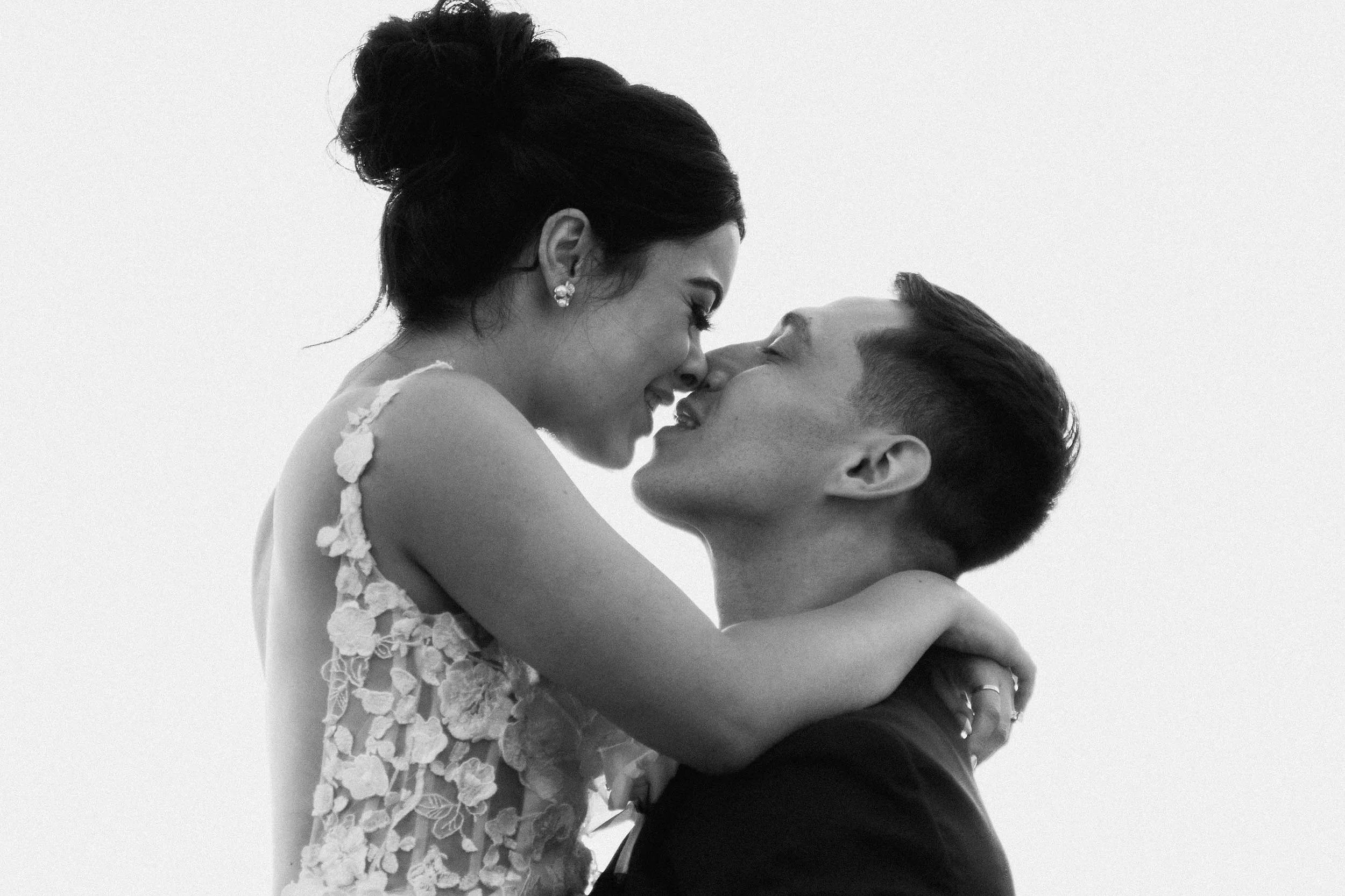
You’ll receive 40–50 hand-edited stills, shaped through light and atmosphere into a visual memory. The experience may unfold in one setting or move across multiple locations and days, allowing contrast and progression without breaking the feeling of the story.
For motion, a 6–12-minute film can be added, drawn from the same moments as the stills.
The Way a Scene Finds Its Shape
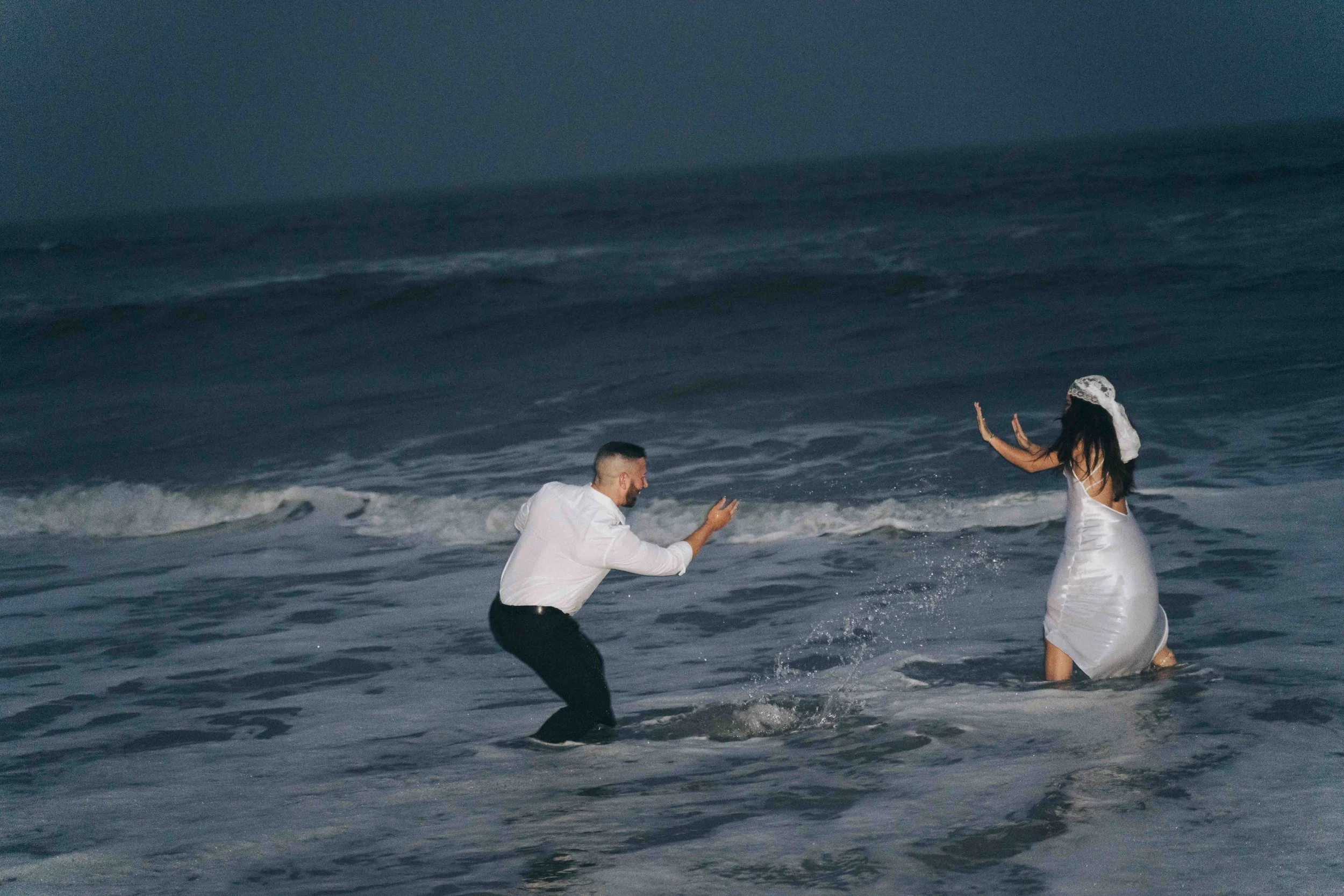
Nothing here runs on a shot list, but you’re never left wondering what to do with your hands. I watch how you naturally move together — how you cross a street, share an umbrella, lean in to read a menu pinned to a wall — and I nudge when the frame needs it. A step backward so the lantern aligns above you. A slow walk toward a pool of light under a sign. A moment of stillness on temple steps while the wind brushes past the trees. Small, precise adjustments that keep everything grounded in reality.
Japan itself does most of the heavy lifting: the rhythm of trains, the hush of shrines, the delicate mess of tangled power lines against the evening sky. Sound, color, and movement become the spine of the film. I hold the scene just enough so it doesn’t fall apart, then let the real world keep seeping in — passing bicycles, snippets of conversation, the rustle of fabric, rain ticking softly on umbrellas. In the end, what remains isn’t a conventional session. It’s a fragment of your time here, steady enough to revisit, but loose enough that it still feels alive.
About Me
I am Caz Isaiah — a Fragmented Memories couples photographer, shaping cinema from unscripted moments and the atmosphere around you. My work lives in the space between direction and intuition: the pull of weather, the shift of light, the breath before something real appears. Nothing posed, nothing forced — just scenes that feel lived and held with intention.
You can explore more on my About Me page.
