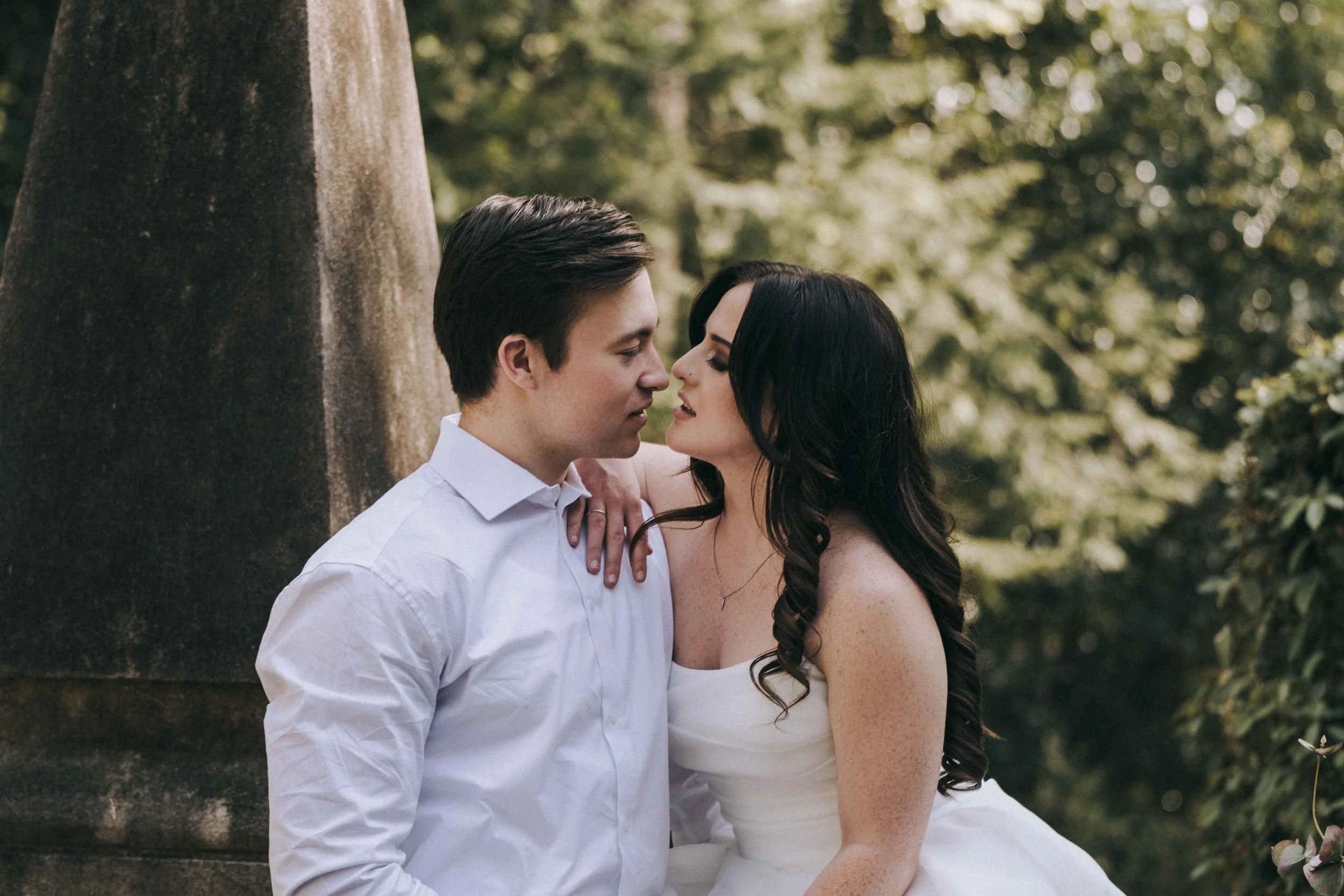
Lake Como Couples Photographer
Caz Isaiah | fragments of films and stills shaped at the water’s edge through the quiet perspective of a Lake Como couples photographer
Lake Como Couples Photographer
Caz Isaiah | fragments of films and stills shaped at the water’s edge through the quiet perspective of a Lake Como couples photographer
Before the Scene Begins
Before anything begins, understand this: the lake sets the first tone. Its stillness, its drifting light, its quiet reach across the mountains will shape more of your film than any instruction ever could. I move with that rhythm — guiding when the frame tightens, stepping back when the world is already doing the work. What follows isn’t a structure, but a pulse — a way of stepping into Lake Como as if you were walking into a film already in motion.
The invitation here is simple: let the atmosphere lead.
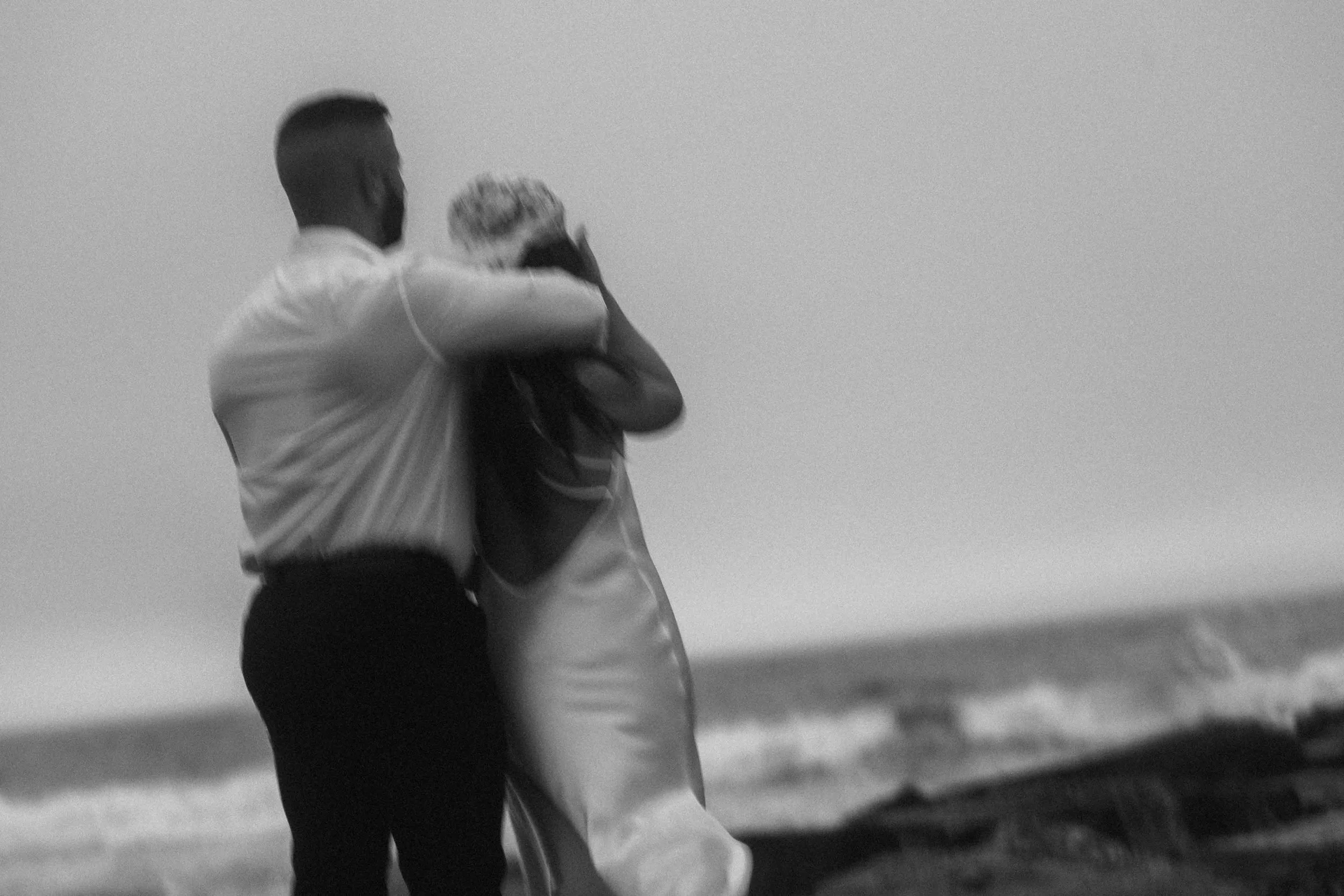
The Invitation
Stepping into the lens feels different in a place like this. One moment you’re just exploring a narrow lane, and the next the world slows — cobblestones warming in the sun, water flickering against stone walls, a breath of wind lifting fabric in a way that feels unreal and entirely natural at the same time. You move the way you naturally move. Lake Como responds the way it always has: with drifting light, long echoes, and a calm that sharpens the smallest gesture. When a moment opens — a curve of a balcony, a corridor of shade, light catching water like glass — I guide you into it. Not posing. Not staging. Just stepping into whatever the lake offers.
The Descent
Once the camera rises, the atmosphere begins to feed us everything: the hush of the boats passing far below, the distant bells carried by air, the layered silence of the mountains that lean close without ever speaking. Your steps soften. Your breath changes. And I follow the current of it — shaping only what the world has already begun.
Maybe it’s the lift of a dress caught in the lakeside wind. Maybe it’s the moment your hands find each other in a garden path washed in afternoon gold. Maybe it’s a pause before the light bends into blue. Direction happens in tiny adjustments: a shift toward the glow, a pause in the shade, a slow turn that lets the lake settle behind you like a memory forming its first outline.

The Scene
Location: A quiet lakeside path, water folding softly beside you, mountains drawn in the distance.
It starts with the lake holding its breath. The surface lays itself out like a sheet of muted glass, touched only by the smallest ripples from a passing boat. You walk the narrow stone path as evening begins its slow descent, and the world narrows to color and sound — lavender sky, the hush of water, the muted echo of footsteps.
The frame moves closer. Light gathers on your silhouettes, turning the edges warm. A breeze lifts fabric and hair, carrying everything into a soft drift. You stop for a moment beneath a terrace vine, the leaves trembling in the last warmth of day. Your fingers meet, barely touching at first, then resting with certainty — no theatrics, no performance, just the weight of being here.
Then the lake changes. Blue deepens into silver. Shadows stretch across the stone. You step toward the water, its quiet pulse rising to meet you. Your reflection folds and unfolds in the shifting light — two figures suspended between day and something quieter. The frame pulls back as the sky fades, letting the scene dissolve into grain and evening stillness.
What remains is not an action, but a breath — the final moment before the world slips into night.
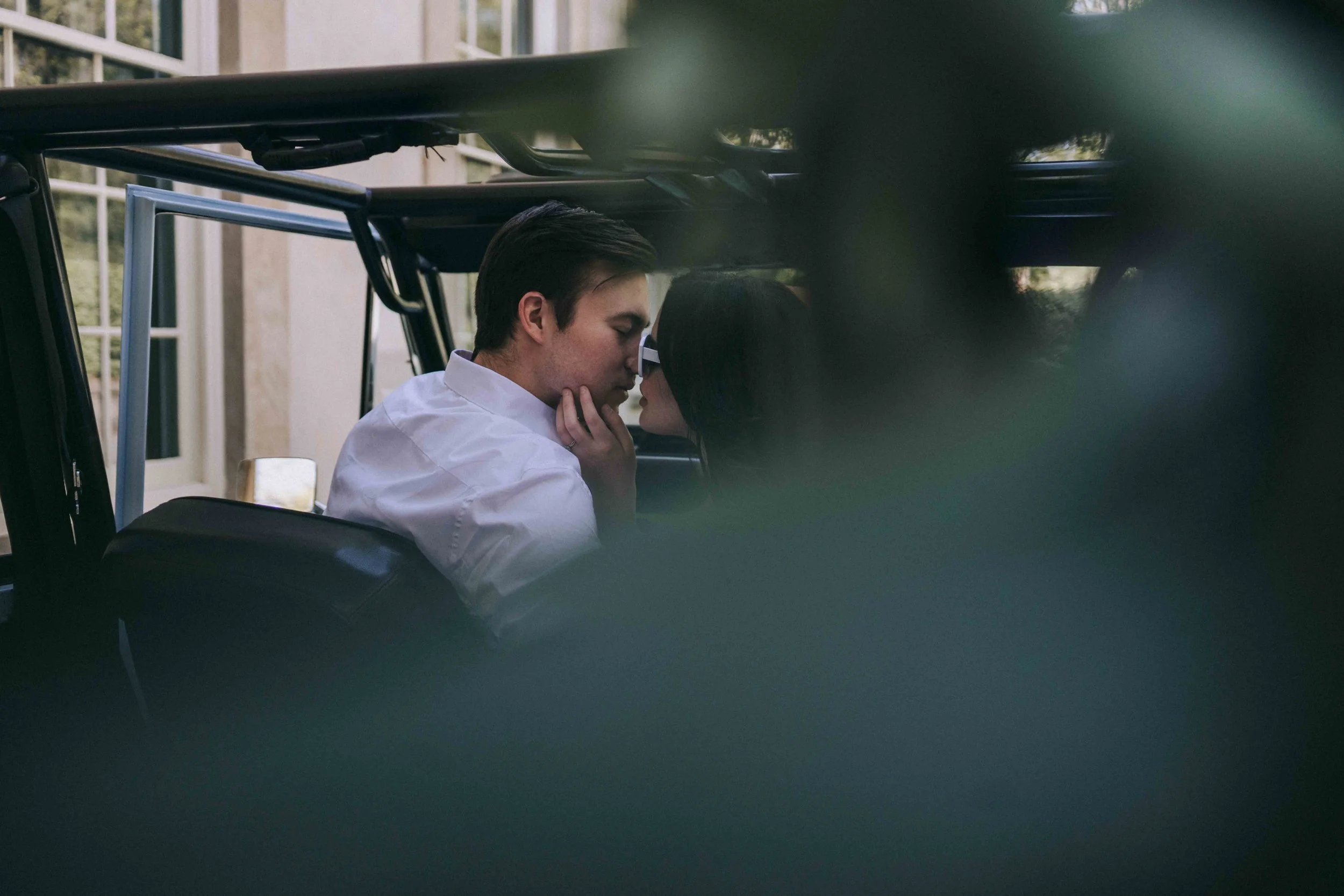
What It Actually Feels Like
You’ll receive 40–50 hand-edited stills, shaped through light and atmosphere into a visual memory. The experience may unfold in one setting or move across multiple locations and days, allowing contrast and progression without breaking the feeling of the story.
For motion, a 6–12-minute film can be added, drawn from the same moments as the stills.
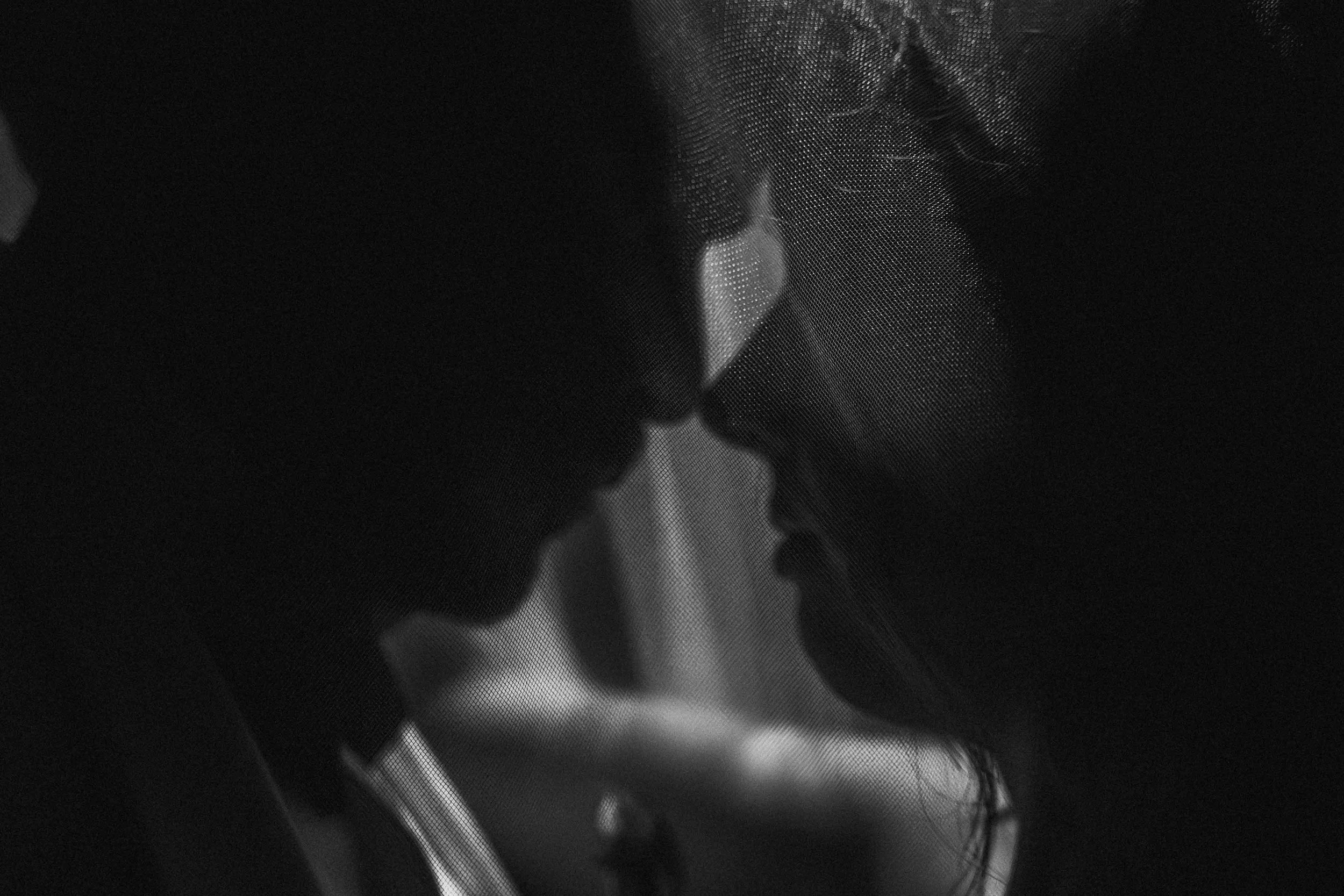
The Way a Scene Finds Its Shape
Nothing here is scripted. You won’t be left guessing, and you won’t be performing. You move, the lake moves, the light shifts, and I shape only what needs shaping — a pause near the waterline, a turn toward a descending glow, a quiet step into a shadowed garden. These small instincts become the spine of the film.
What builds the memory is everything between the big gestures: the sound of water brushing against stone, the faint breeze echoing down the mountains, the way fabric lifts in the golden hour as if responding to something unseen. I hold the frame just long enough for it to feel intentional, then let it breathe.
In the end, what remains isn’t a session — it’s a fragment of your life, held in the calm of the lake, long enough to be remembered.
About Me
I am Caz Isaiah — a Fragmented Memories couples photographer, shaping cinema from unscripted moments and the atmosphere around you. My work lives in the space between direction and intuition: the pull of weather, the shift of light, the breath before something real appears. Nothing posed, nothing forced — just scenes that feel lived and held with intention.
You can explore more on my About Me page.
