Malapascua Island
Prenup Photographer
Caz Isaiah | Stills and films shaped by island movement and coastal rhythms as your Malapascua Prenup Photographer
Bantayan Island
|Prenup Photographer
Caz Isaiah | Stills and films shaped by island movement and coastal rhythms as your Malapascua Prenup Photographer
Before the Scene Begins
Some places ask you to slow down before you even notice that you have arrived.
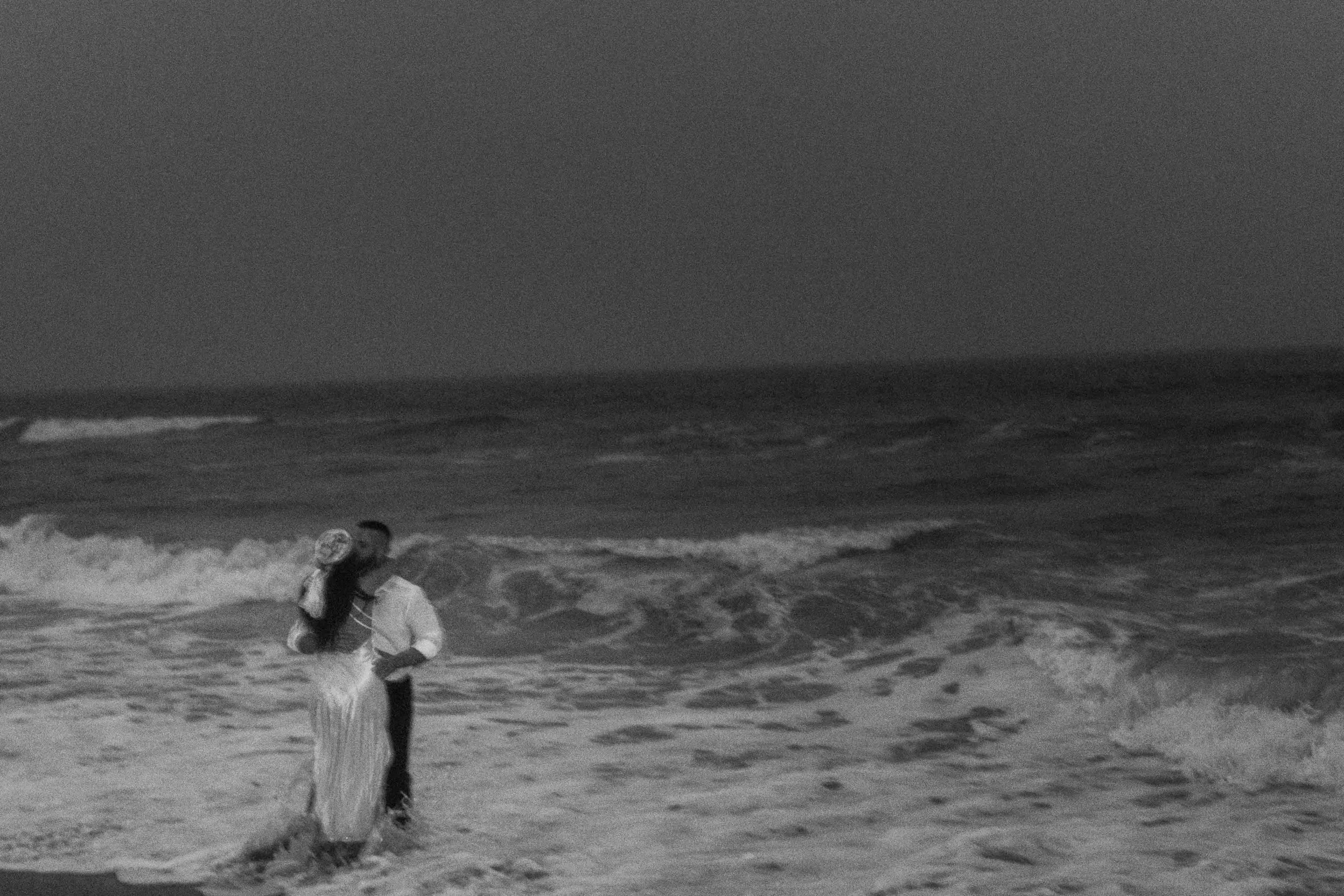
I have learned to read the rhythm of island mornings in the Philippines, where movement is dictated by tide tables, boat departures, and the brief quiet before the heat settles in. In Malapascua, the day begins with fishermen returning along narrow paths and scooters idling softly near the shore. The ground is coral dust and packed sand, uneven enough that your steps naturally shorten.
Nothing here invites haste. The scene forms because you are already adjusting your breathing to the island’s pace, and I follow that adjustment rather than interrupt it. This is where the work starts, long before a camera is raised, while the light remains low and the island is still transitioning from night into activity.
THE INVITATION
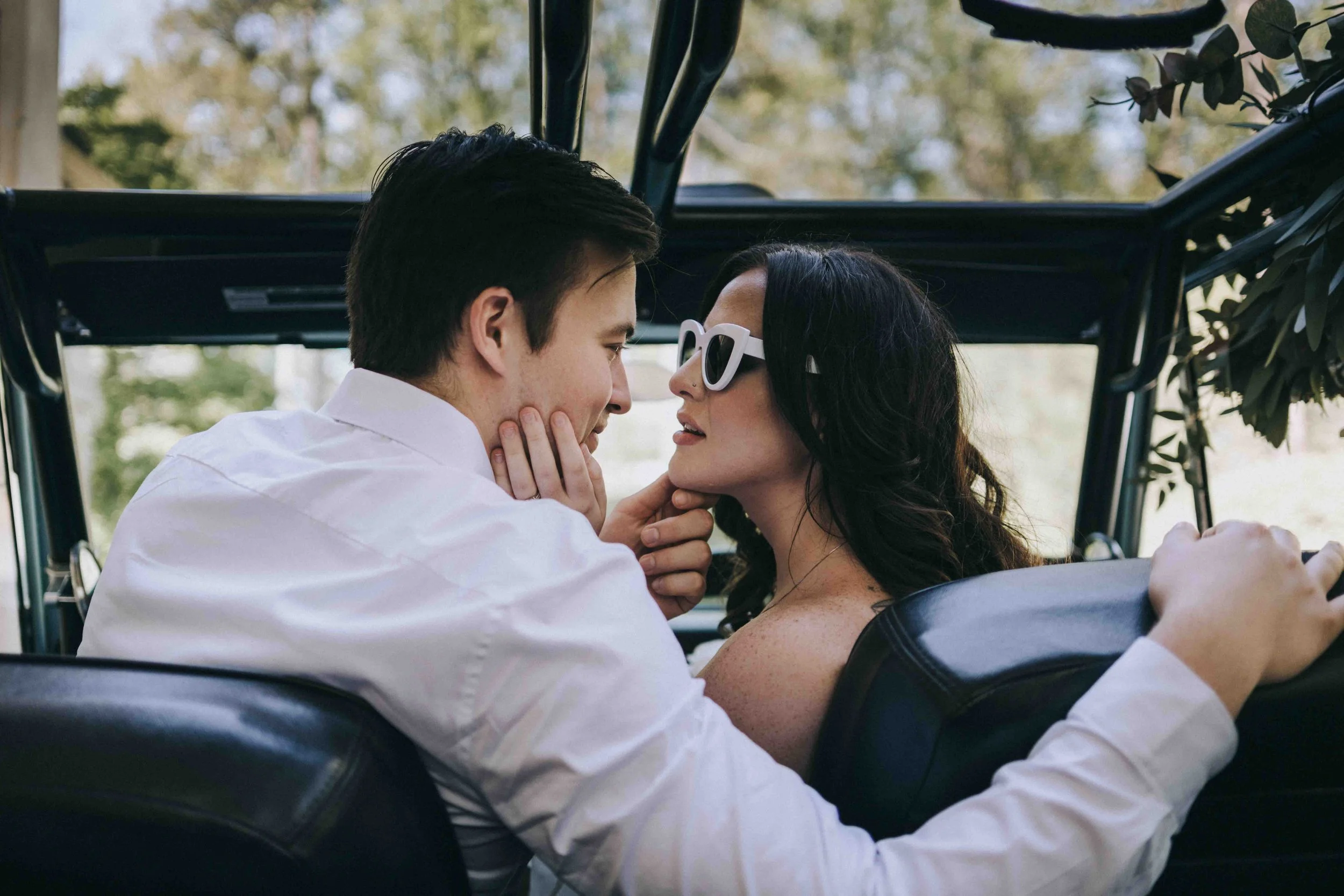
A prenup in Malapascua is entered through water and patience.
Arrival is not immediate. You come by small boat, timing the crossing with calmer seas, stepping off onto a shoreline that offers no clear boundary between land and water. People move here on foot or by scooter, weaving between palm shade and open sand, always aware of the sun’s position.
As you walk inland, the salt air thickens and posture changes, shoulders relaxing as the horizon disappears behind coconut trees. I respond to this shift, staying close enough to notice when you pause to let a boat pass or step aside for locals carrying nets. Malapascua begins to guide attention away from the camera and toward what is happening underfoot, and that redirection becomes the foundation of the session.
THE DESCENT
Once the camera lifts, Malapascua starts feeding the scene through sound and repetition.
The steady lap of water against banca hulls replaces traffic noise, and roosters mark time more reliably than clocks. Timing is dictated by shade, not schedules. When clouds pass, the island cools briefly, and movement resumes. When the sun clears, everything slows again. Direction is minimal here because the environment already frames the work. Narrow sand paths create natural leading lines.
Low fences and beach rock form quiet edges that hold the composition. I guide only when necessary, often stepping back as the island arranges spacing and distance on its own. The stills and films that emerge are shaped by these constraints, grounded in how Malapascua actually moves through the day.
The Scene
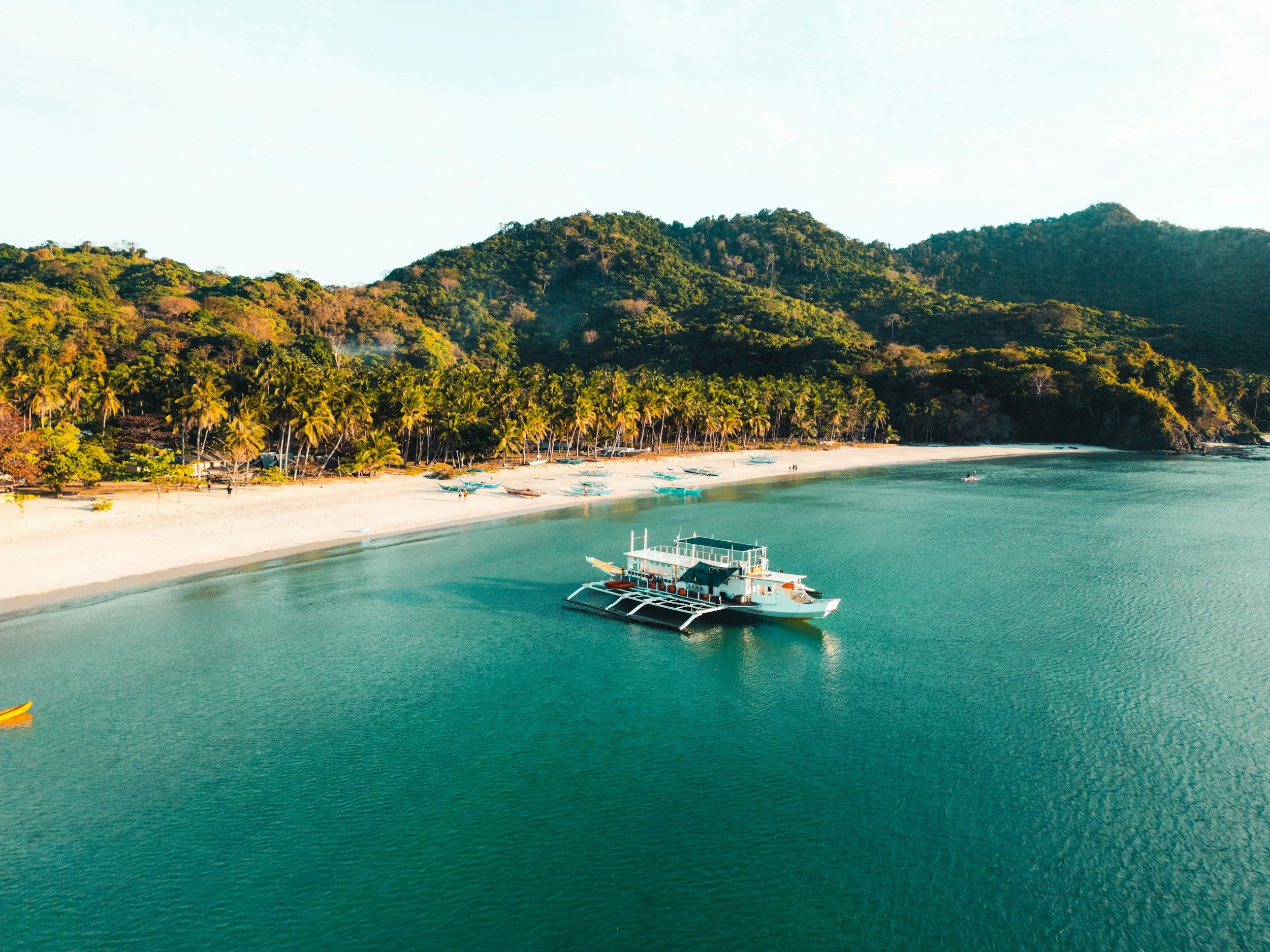
Location: Malapascua — a low coral island where sand streets meet shallow reefs and the sea is always within earshot.
The sequence begins near the eastern shore as boats drift farther out and the water shifts from gray to pale blue. You walk along the tide line, shoes in hand, adjusting to the pull of wet sand as waves recede.
The island feels narrow here, with homes close behind you and open water ahead. As the sun climbs, shadows shorten and textures flatten, so we move inland toward palm cover where the light filters unevenly through leaves. Later, Malapascua opens again near the western edge, where beach rock breaks the shoreline and the water deepens in color. The wind picks up in the afternoon, lifting fabric and softening edges.
By the time the sun lowers, the island quiets, and the final frames are shaped by long shadows stretching across sand paths. This progression belongs only to Malapascua, where scale is intimate and every shift in light is immediately felt.
What It Actually Feels Like
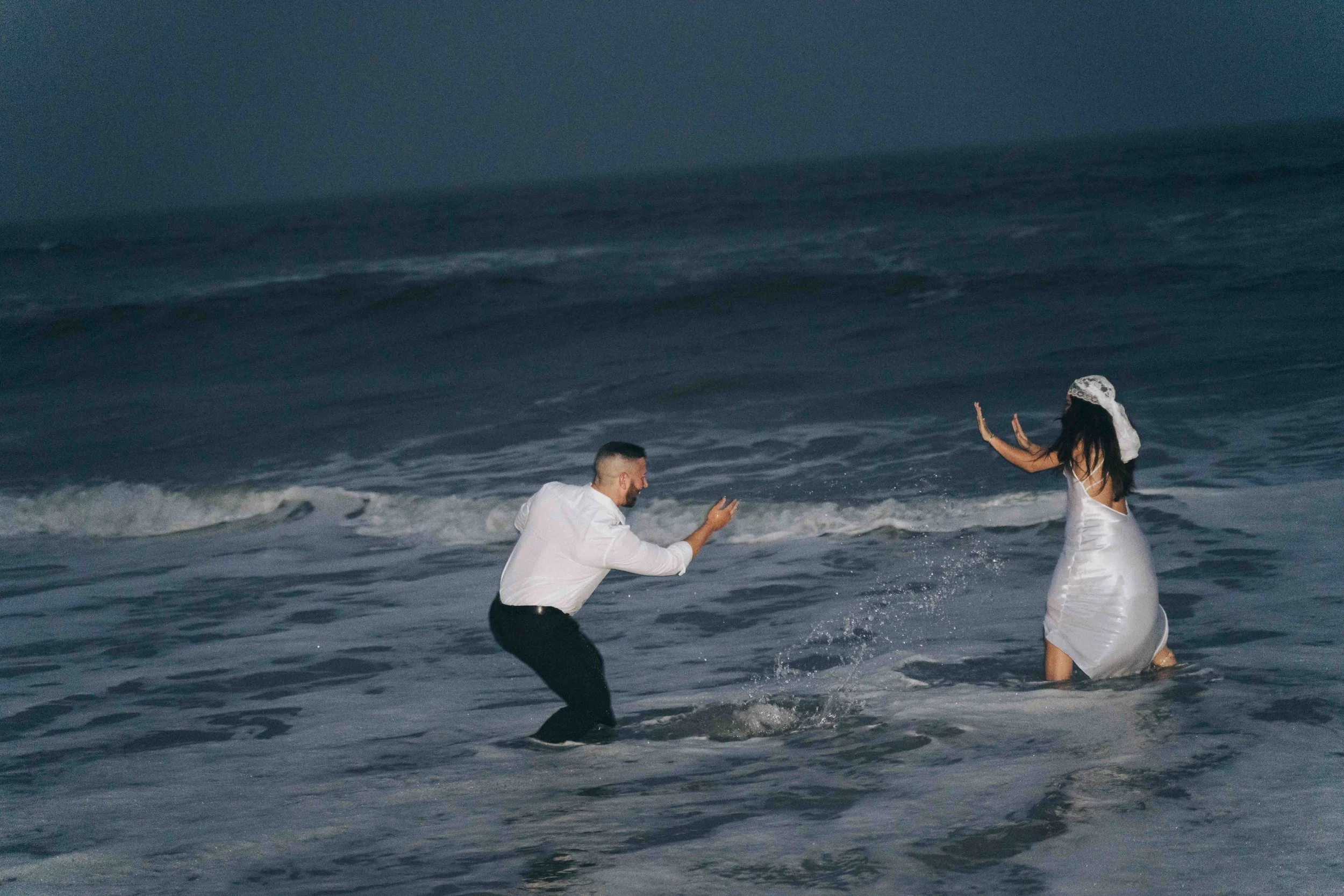
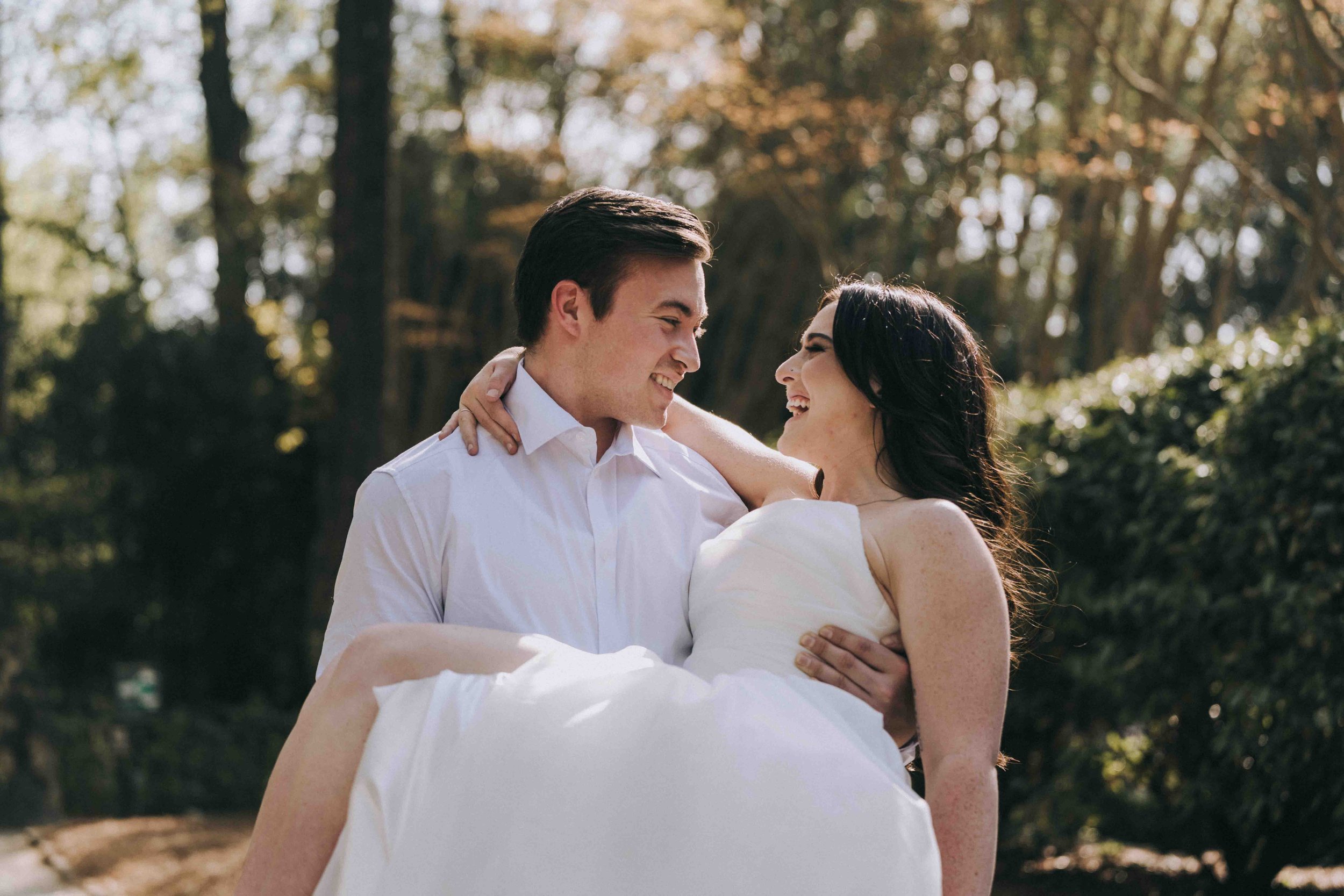
A full-day cinematic prenup, shaped around light, movement, and rest. The day flows between moments of shooting and pauses for travel, wardrobe changes, and resets—without pressure or rushing.
You’ll receive 60-80 hand-edited digital stills, shaped through light and atmosphere into a visual memory. The experience may unfold in one setting or move across multiple locations and days, allowing contrast and progression without breaking the feeling of the story.
For motion, a 6–12-minute film can be added, drawn from the same moments as the stills.
The Way a Scene Finds Its Shape
Working in Malapascua requires constant adaptation rather than preplanned structure. The island’s size limits options, but that limitation sharpens attention.
If the tide runs high, we stay closer to the village. If the wind increases, we move where palms break it. Heat affects stamina, so breaks happen naturally, often becoming part of the story rather than interruptions. I adapt to these conditions instead of imposing a fixed route, allowing the work to respond to what the island offers in that moment. Each still is treated as a complete frame, and each film sequence is built from observation rather than direction.
The result is not produced but gathered, shaped by the island’s pace and the quiet cooperation between place, movement, and presence.
About Me
I am Caz Isaiah — a Fragmented Memories photographer, shaping cinema from unscripted moments and the atmosphere around you. My work lives in the space between direction and intuition: the pull of weather, the shift of light, the breath before something real appears. Nothing posed, nothing forced — just scenes that feel lived and held with intention.
