
Osaka Couples Photographer
Caz Isaiah | an Osaka Couples Photographer tracing films and stills through river glow, neon corridors, and the pulse of the city at dusk
Osaka Couples Photographer
Caz Isaiah | an Osaka Couples Photographer tracing films and stills through river glow, neon corridors, and the pulse of the city at dusk
Before the Scene Begins
Osaka arrives in layers — river wind, warm streetlight, the distant chorus of signs waking up for the night. Before anything unfolds, know this: I’m not here to force a performance, and I’m not here to disappear into the background. I move with you, letting the city shape us while stepping in when the moment asks for clarity. What follows isn’t a blueprint. It’s the pulse of a day treated like cinema — fluid, intimate, atmospheric.

The Invitation
Here, the shift happens fast. One moment you’re walking through a marketplace or stepping onto a bridge, and the next, everything slows: lanterns dim slightly, the river reflects a broken ribbon of light, and the world folds itself around you. You move as yourselves — the way your steps fall into rhythm, the way you lean toward each other without thinking — and when Osaka offers a pocket of perfect light or a stillness that feels cinematic, I guide lightly. Not posing. Not sculpting. Just opening the frame already waiting for you in Japan.
The Descent
Once the camera lifts, the city begins feeding us texture: the pulse of trains crossing overhead, the warm glow of takoyaki stalls, murmured conversations drifting from open doorways. You keep moving naturally, and I follow the energy until something sharpens — a turn beneath a sign, the way your silhouettes stretch across a pedestrian bridge, the hush before a boat slices through the river current. My direction is minimal: a pause into shadow, a step into the glow, a breath held long enough for Osaka’s hum to settle around you. Time dilates. The scene thickens.

The Scene
Location: Osaka’s riverfront at blue hour.
It begins on a quiet edge of the canal, where the surface of the water catches the early neon like scattered constellations. You walk along the railing, hips brushing, footsteps syncing in ways that feel almost pre-written. Lanterns flicker above, casting long strokes of amber across the pavement.
The frame moves closer. A river taxi glides past, its light sweeping briefly across your faces. You turn toward each other in that moment, the glow resting softly on your profiles. Your hands find each other. A gust of river wind lifts a strand of hair across your cheek, and the world briefly narrows to just that.
You continue walking. A bridge arches ahead of you, its underside painted with shifting reflections. You step beneath it, and the sound changes — quieter, closer, like memory carrying itself forward. Your outlines merge in the half-shadow. The camera drifts behind you as the city hum fades into a soft vibration.
By the time you reach the next set of lights, Osaka is fully alive — bright, kinetic, electric. And yet, in the frame, everything feels slowed. Held. You pause at the center of the bridge while reflections shimmer beneath your feet. The moment stretches until it becomes something you can step back into years from now. The camera pulls away. The fragment stays.
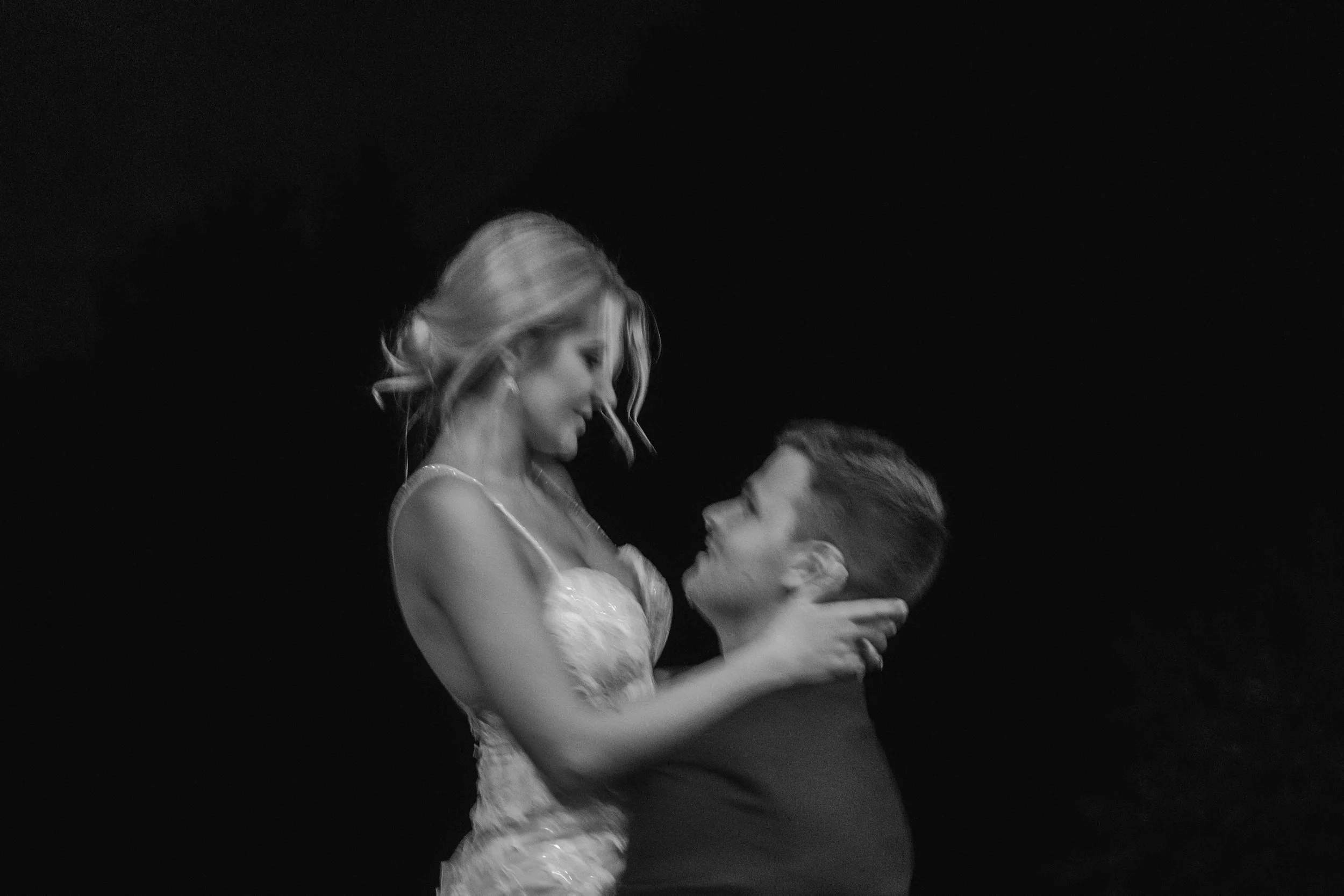
What It Actually Feels Like
You’ll receive 40–50 hand-edited stills, shaped through light and atmosphere into a visual memory. The experience may unfold in one setting or move across multiple locations and days, allowing contrast and progression without breaking the feeling of the story.
For motion, a 6–12-minute film can be added, drawn from the same moments as the stills.

The Way a Scene Finds Its Shape
Osaka provides the rhythm; you provide the gravity. Lantern flicker, train rumble, alley glow, river shimmer — these become the architecture of the frame. You continue being yourselves, and when the world hands us something precise — a narrow slice of shadow, a color wash across the street, a breeze that reveals the right angle — I nudge you gently into it. Nothing stiff. Nothing staged.
I’m shaping atmosphere, letting the city’s breath overlap with your own. Light moves. Sound shifts. Fabric catches the wind. These small, unscripted details become the spine of the film.
What remains in the end isn’t a couples session — it’s a lived fragment of Osaka, carried in the way only cinema can hold.
About Me
I am Caz Isaiah — a Fragmented Memories couples photographer, shaping cinema from unscripted moments and the atmosphere around you. My work lives in the space between direction and intuition: the pull of weather, the shift of light, the breath before something real appears. Nothing posed, nothing forced — just scenes that feel lived and held with intention.
You can explore more on my About Me page.
