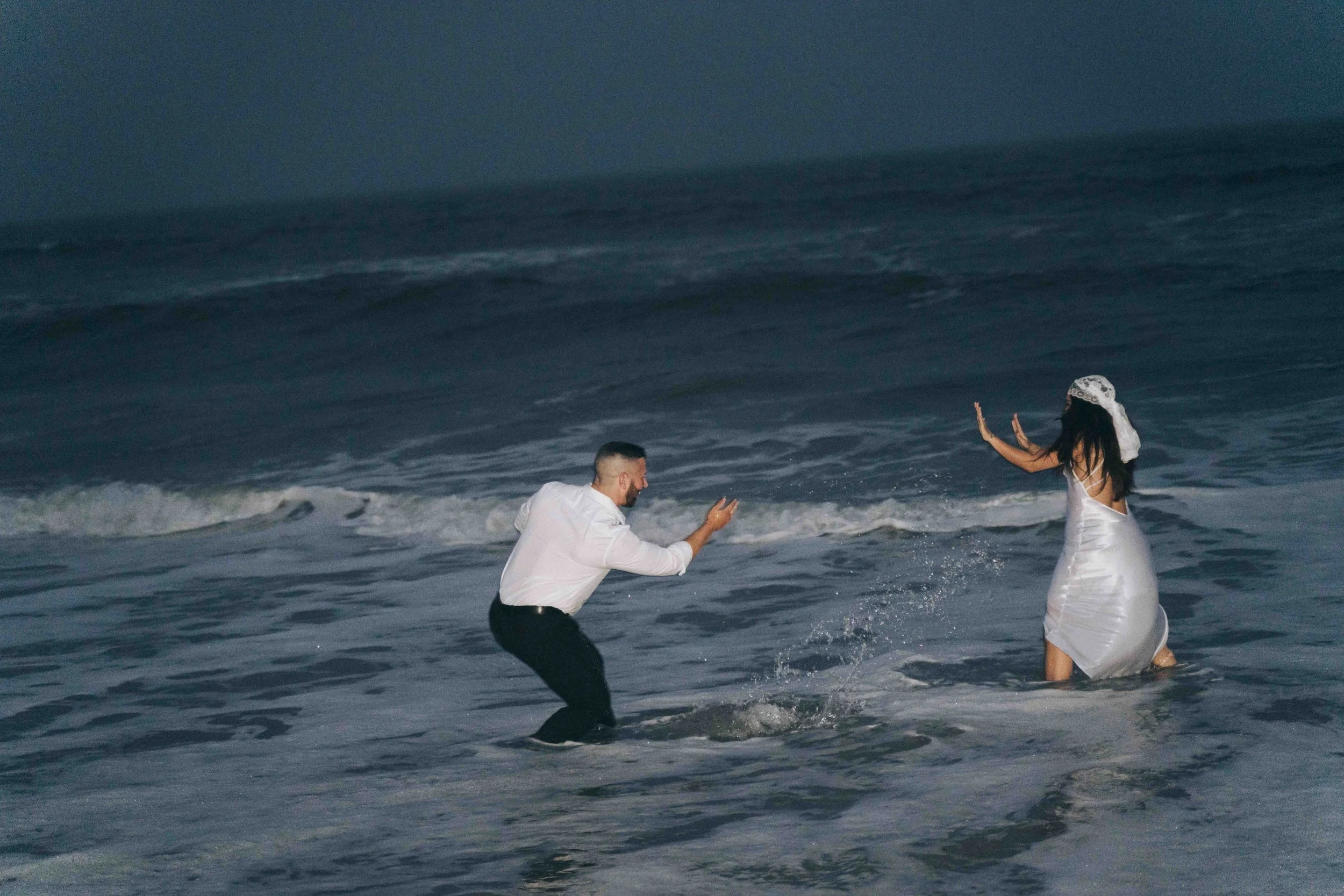
Palawan Prenup Photographer
Caz Isaiah | Palawan Prenup Photographer creating film-grade stills rooted in the land itself, with motion added only where the environment asks
Boracay Prenup Photographer
Caz Isaiah | Palawan Prenup Photographer creating film-grade stills rooted in the land itself, with motion added only where the environment asks
Before the Scene Begins
Before anything becomes a photograph, there is already a settled rhythm between you. Time has stripped away the need for explanation, leaving familiarity to move on its own terms. The beginning is not anticipation, but continuity allowed to remain unbroken.
Having lived across the Philippines for years, I understand how places like Palawan shape behavior before intention appears. Travel is slow here. Distances matter. Boats wait on tides, days bend around heat and access. I don’t rush or arrange emotion. I let the place lead, guiding only when presence briefly gathers into focus.
The Invitation
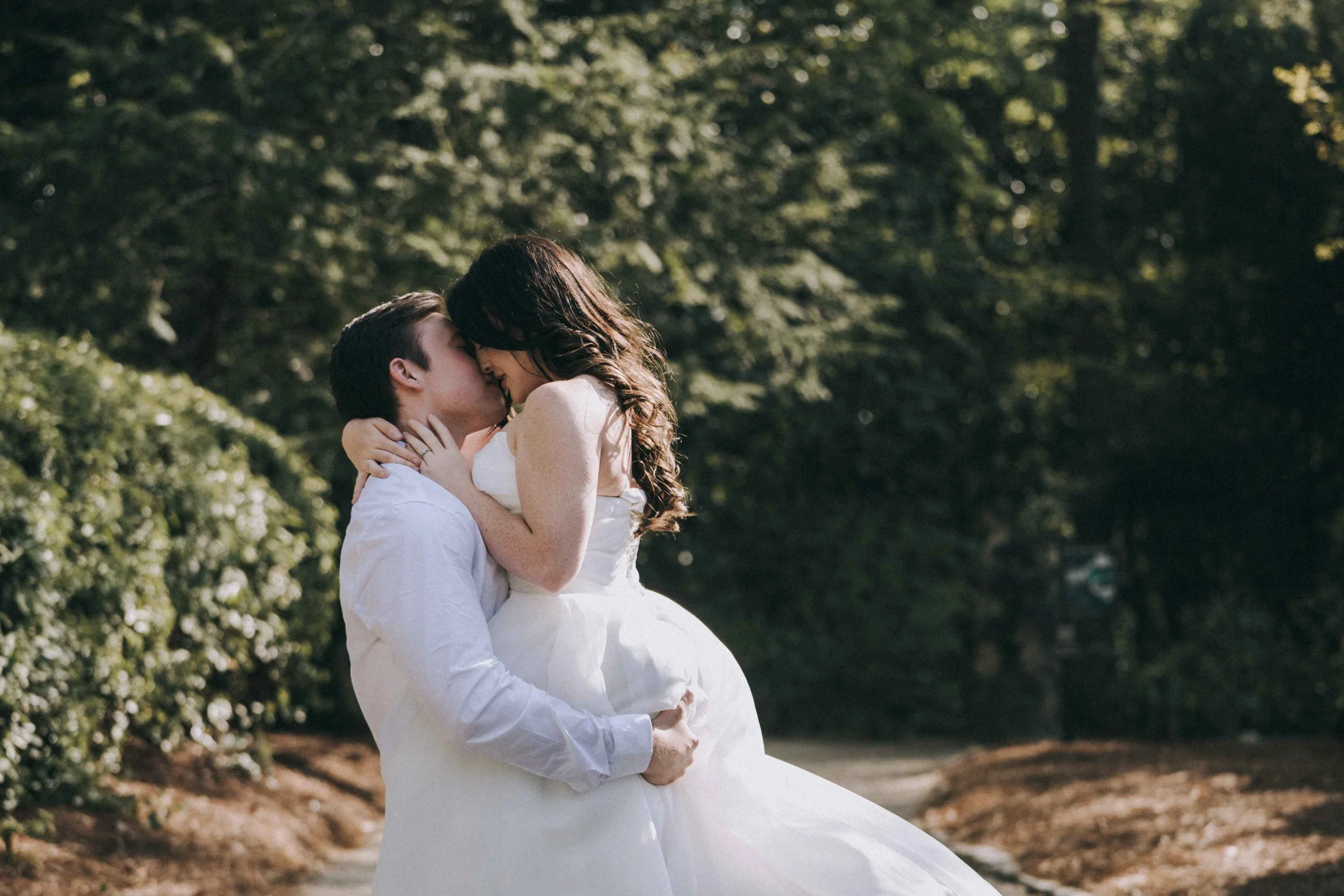
A prenup in Palawan isn’t announced; it’s entered gradually. Arrival itself resets the body. Movement slows as transfers stretch across water and roads narrow into jungle edges. Posture changes. Attention drifts outward, pulled by scale rather than schedule.
You step onto sand or stone without instruction, already responding to the environment. When the space clarifies—a shoreline exposed by tide, a path opening between limestone, a pause created by distance—I respond to it. Not to direct you, but to place you where Palawan is already doing the work.
The Descent
Once the camera lifts, Palawan begins feeding the scene. Water laps against hulls at uneven intervals. Cicadas rise and fall in waves. Heat presses stillness into the afternoon, forcing patience. Timing here belongs to the environment, not the clock.
You move naturally within these limits, and I follow until the surroundings offer something exact. A step closer to the edge where limestone drops into water. A turn toward reflected light bouncing off the bay. Direction is minimal and precise, shaped by terrain rather than design. Time stretches because it has to.
The Scene
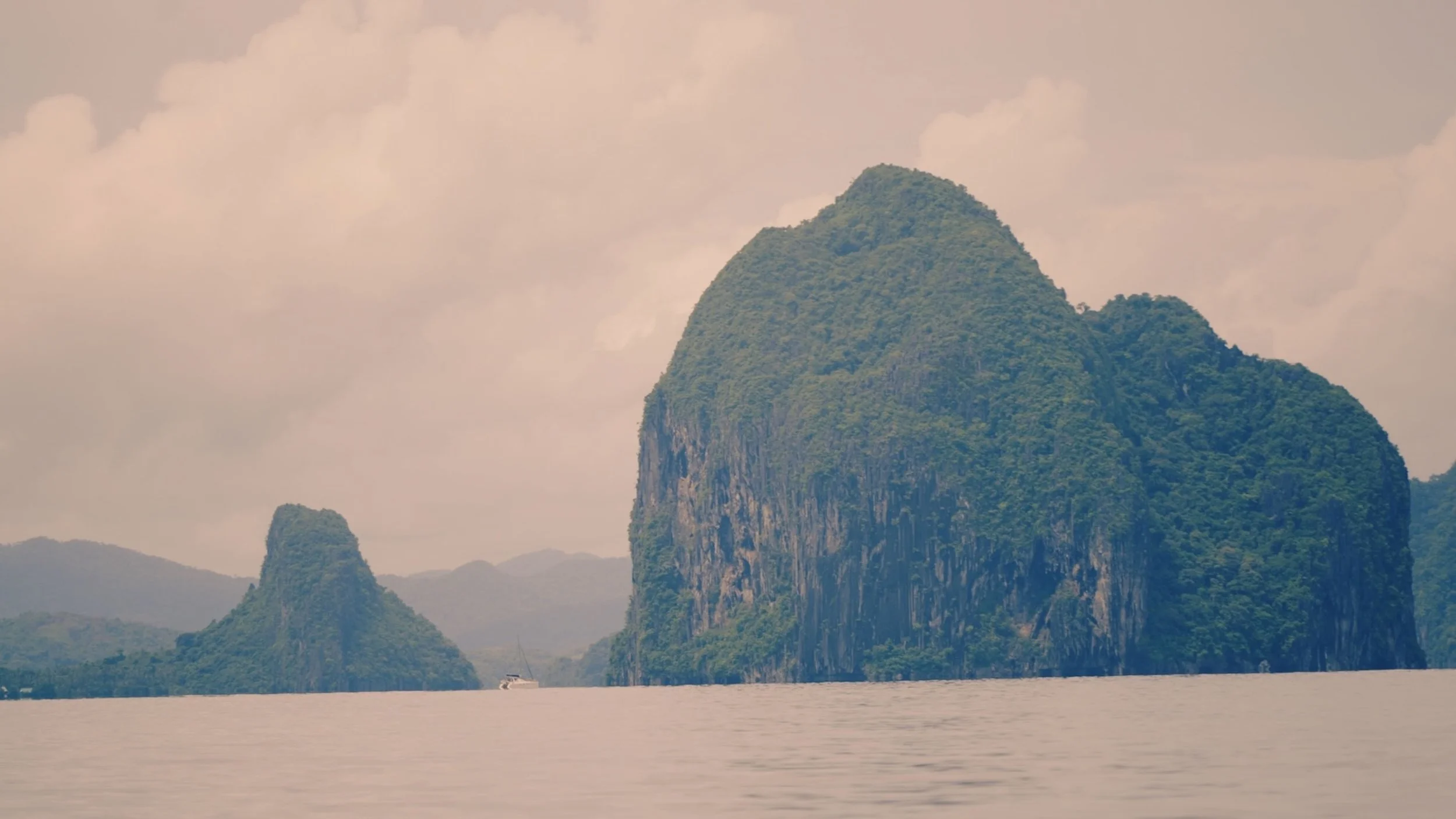
Location: Palawan — limestone karst rising from shallow water, jungle pressing close behind.
The sequence opens offshore, where Palawan’s islands break the horizon into uneven fragments. Water darkens as depth changes without warning. Boats drift in loose formation, their movement dictated by current rather than control. You stand near the edge, unposed, the scale of the place carrying the frame.
As the boat slips closer to land, sound narrows. Oars dip. Wind moves through mangroves along the shoreline. Limestone walls rise abruptly, compressing space and slowing everything down. You step onto rock worn smooth by tide, footprints already beginning to disappear.
Later, the light shifts unevenly as clouds pass over jungle canopy. Palawan never offers consistency; brightness arrives and leaves without warning. You walk along a narrow stretch of sand, guided by what’s accessible rather than what’s ideal. Hands meet without instruction. The moment doesn’t build—it settles.
As the day thins, water cools and sound deepens. Shadows climb the rock faces. The camera pulls back, not to end the scene, but to let it dissolve naturally. What remains is not a spectacle of place, but the experience of moving through Palawan together, briefly held inside it.
What It Actually Feels Like
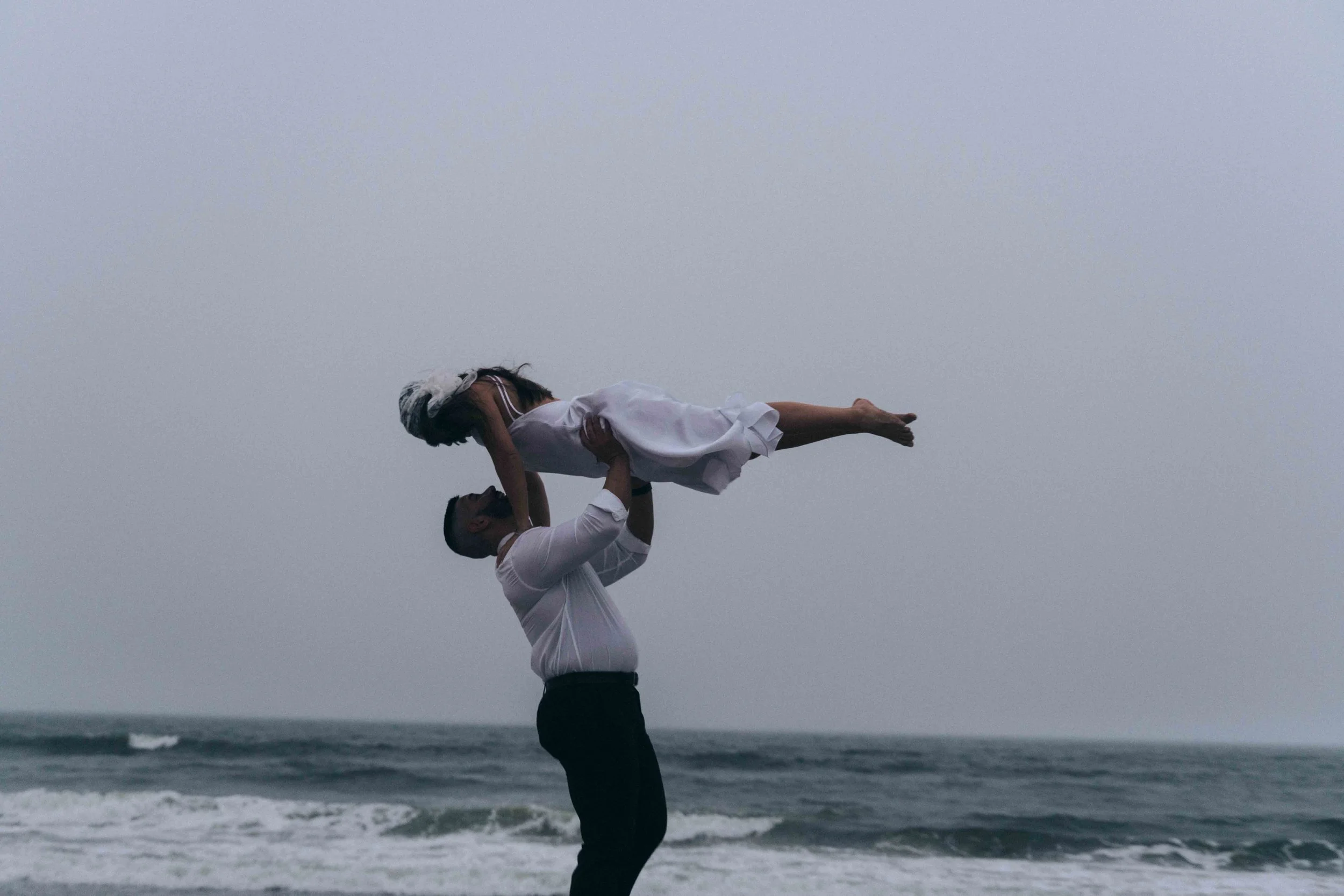
A full-day cinematic prenup, shaped around light, movement, and rest. The day flows between moments of shooting and pauses for travel, wardrobe changes, and resets—without pressure or rushing.
You’ll receive 60-80 hand-edited digital stills, shaped through light and atmosphere into a visual memory. The experience may unfold in one setting or move across multiple locations and days, allowing contrast and progression without breaking the feeling of the story.
For motion, a 6–12-minute film can be added, drawn from the same moments as the stills.

The Way a Scene Finds Its Shape
Nothing here is imposed. I adapt to Palawan rather than forcing it to cooperate. Routes change. Light disappears. Access closes. These constraints aren’t obstacles—they’re structure. I guide you within what the place allows, not beyond it.
When the scene asks for clarity, I offer it—a pause where the land opens, a shift into shadow when the heat demands it, a turn that lets the environment complete the frame. The result isn’t production. It’s response. A handful of moments shaped by Palawan itself, held just long enough to become memory, then released.
About Me
I am Caz Isaiah — a Fragmented Memories photographer, shaping cinema from unscripted moments and the atmosphere around you. My work lives in the space between direction and intuition: the pull of weather, the shift of light, the breath before something real appears. Nothing posed, nothing forced — just scenes that feel lived and held with intention.
