
Sapporo Couples Photographer
Caz Isaiah | where a Sapporo Couples Photographer carves films and stills out of snowfall, quiet streets, and the hush before light settles
Sapporo Couples Photographer
Caz Isaiah | where a Sapporo Couples Photographer carves films and stills out of snowfall, quiet streets, and the hush before light settles
Before the Scene Begins
Before anything begins in Sapporo, the city exhales a soft winter hush — a glow from streetlamps on fresh snow, a distant rumble of a tram, the cold air holding everything in suspension. I’m not here to script each breath, and I’m not here to vanish into the background. I move between the two. What you’ll read isn’t a plan; it’s a pulse — the sense of how a moment changes when it’s treated like a film frame, shaped by weather, texture, and the quiet breath of the north.

The Invitation
Stepping into the lens in Sapporo feels like the world slowing by a fraction. Snow shifts under your steps. Light scatters across rooftops. One movement becomes a frame, and you feel the atmosphere collecting around you. Your gestures remain natural — how you walk, how you lean into each other, how your breath hangs in the cold. When a moment sharpens — a lantern glow along the path, a patch of untouched snow, a stairway washed in soft winter light — I bring you into it. Not posing. Not orchestrating. Just guiding you toward what the city is already offering.
The Descent
When the camera rises, the world begins speaking in fragments: the crunch of snow, the muted glide of a passing cyclist, the faint echo of wind slipping between buildings. You continue moving, unforced, and I follow the rhythm you’re creating. When Sapporo gives us something rare — the drift of a snowflake catching light, an alley glowing with steam from a food stall, a brief stillness beneath a bridge — I shape the moment just enough to hold it. A slight pause. A turn of your shoulders. A breath shared before it escapes into the cold. Time stretches. The film feels less like a performance and more like something you unknowingly stepped inside.
The Scene
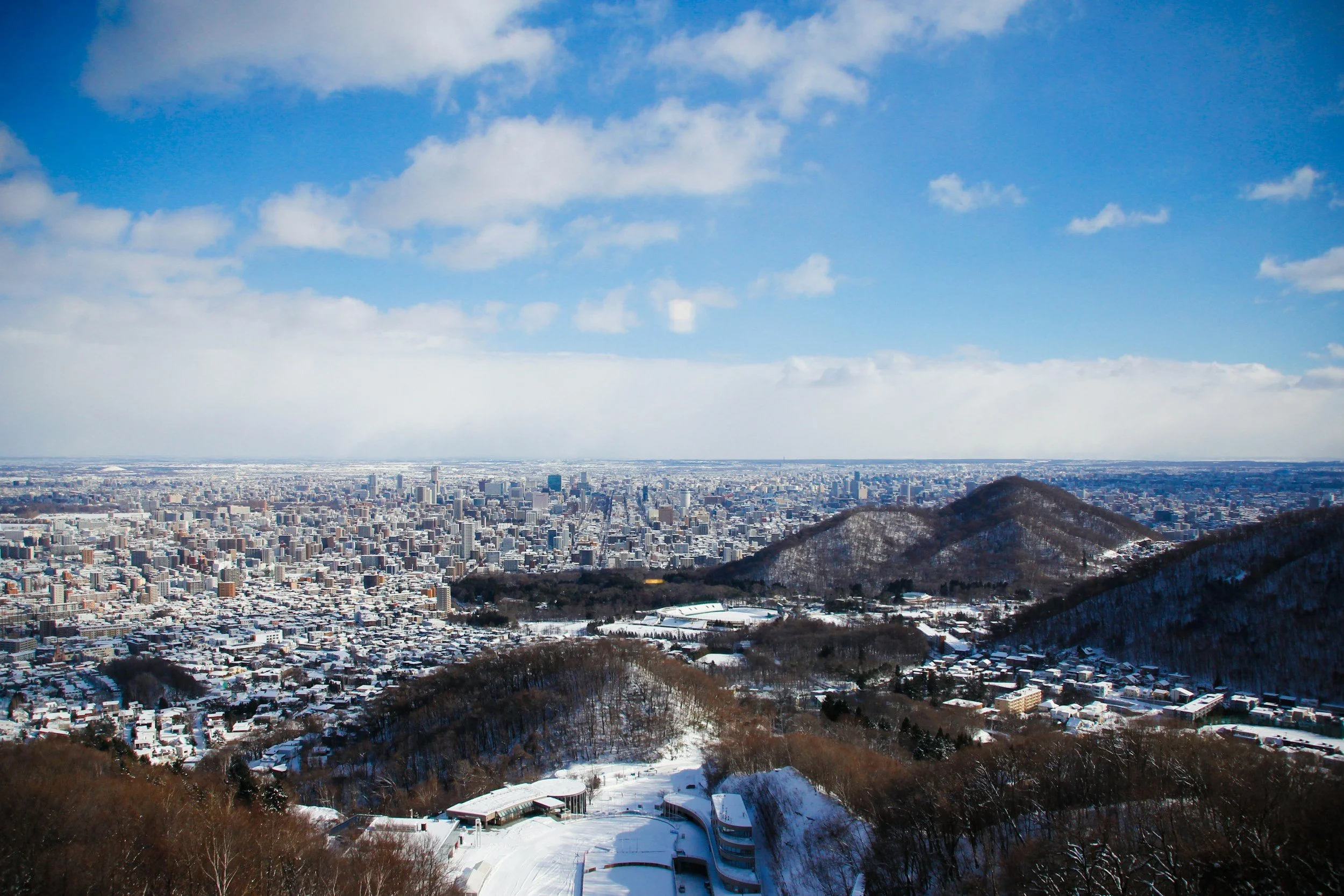
Location: Sapporo’s winter streets, evening snow drifting like slow-burning embers across the city.
The scene begins at the edge of Odori Park, where the snow falls in broad, gentle patterns, softening every distant sound. Streetlights cast warm halos through the drift, turning each flake into a tiny, glowing fragment. You move along the path, hands brushing, your silhouettes framed by the quiet shimmer rising from the ground in Japan.
The first fragment forms in the stillness — your breath clouding in the air, the city humming gently behind you. A tram passes through the distance, its lights bending across the snowpack. You pause without instruction, drawn by something in the air’s weight. The camera drifts closer as the snow thickens — slow, cinematic, unhurried.
You turn onto a narrow side street, the kind Sapporo keeps tucked away. Warm light spills from a ramen shop window; steam curls into the cold. Your reflections appear faintly in the glass, layered with the trembling neon above. You step closer to each other, letting the drift settle into your hair, your shoulders, the soft folds of your coats.
Evening deepens. The snow becomes finer, almost mist-like. You stand beneath a single lantern, its red glow flickering against the pale city. The world falls away for a moment — no sound, no movement, just the soft descent of winter settling around your outline. When the frame finally widens, the city folds you back into its glow, leaving behind the impression of a memory that could only exist here.

What It Actually Feels Like
You’ll receive 40–50 hand-edited stills, shaped through light and atmosphere into a visual memory. The experience may unfold in one setting or move across multiple locations and days, allowing contrast and progression without breaking the feeling of the story.
For motion, a 6–12-minute film can be added, drawn from the same moments as the stills.
The Way a Scene Finds Its Shape
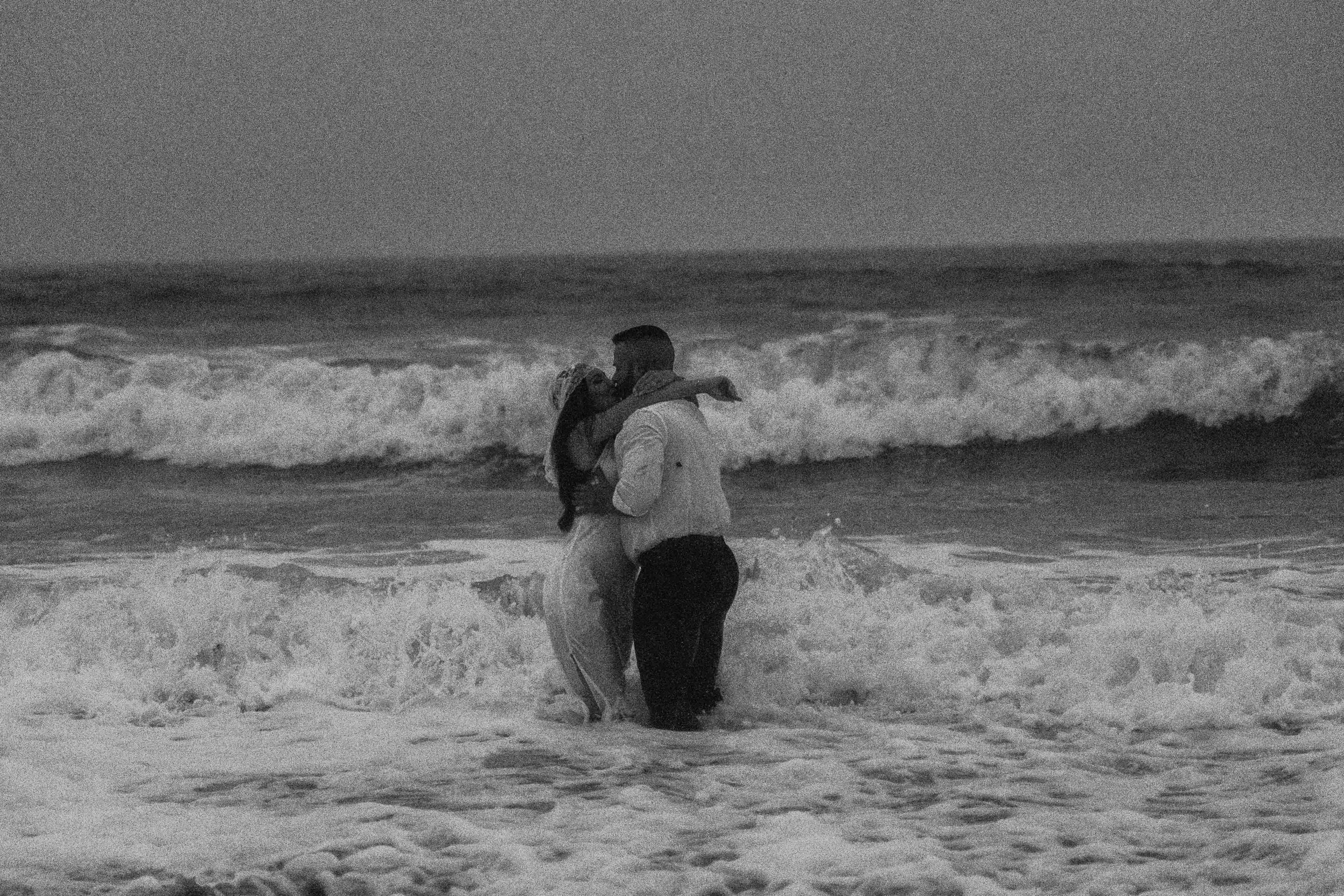
Nothing is scripted in Sapporo, yet nothing drifts without intention. You move through snow, light, and shadow as yourself, and when the atmosphere gathers into something worth holding — a gust of wind scattering flakes, the glow of a vending machine, the press of your hands warming together — I direct you just enough to steady the moment. Not posing. Not choreography. Only instinct and presence. The city adds the rest: soft echoes, shifting color, the cold carrying each breath like a line of dialogue. What remains is not a session, but a memory — shaped long enough to be remembered.
About Me
I am Caz Isaiah — a Fragmented Memories couples photographer, shaping cinema from unscripted moments and the atmosphere around you. My work lives in the space between direction and intuition: the pull of weather, the shift of light, the breath before something real appears. Nothing posed, nothing forced — just scenes that feel lived and held with intention.
You can explore more on my About Me page.
