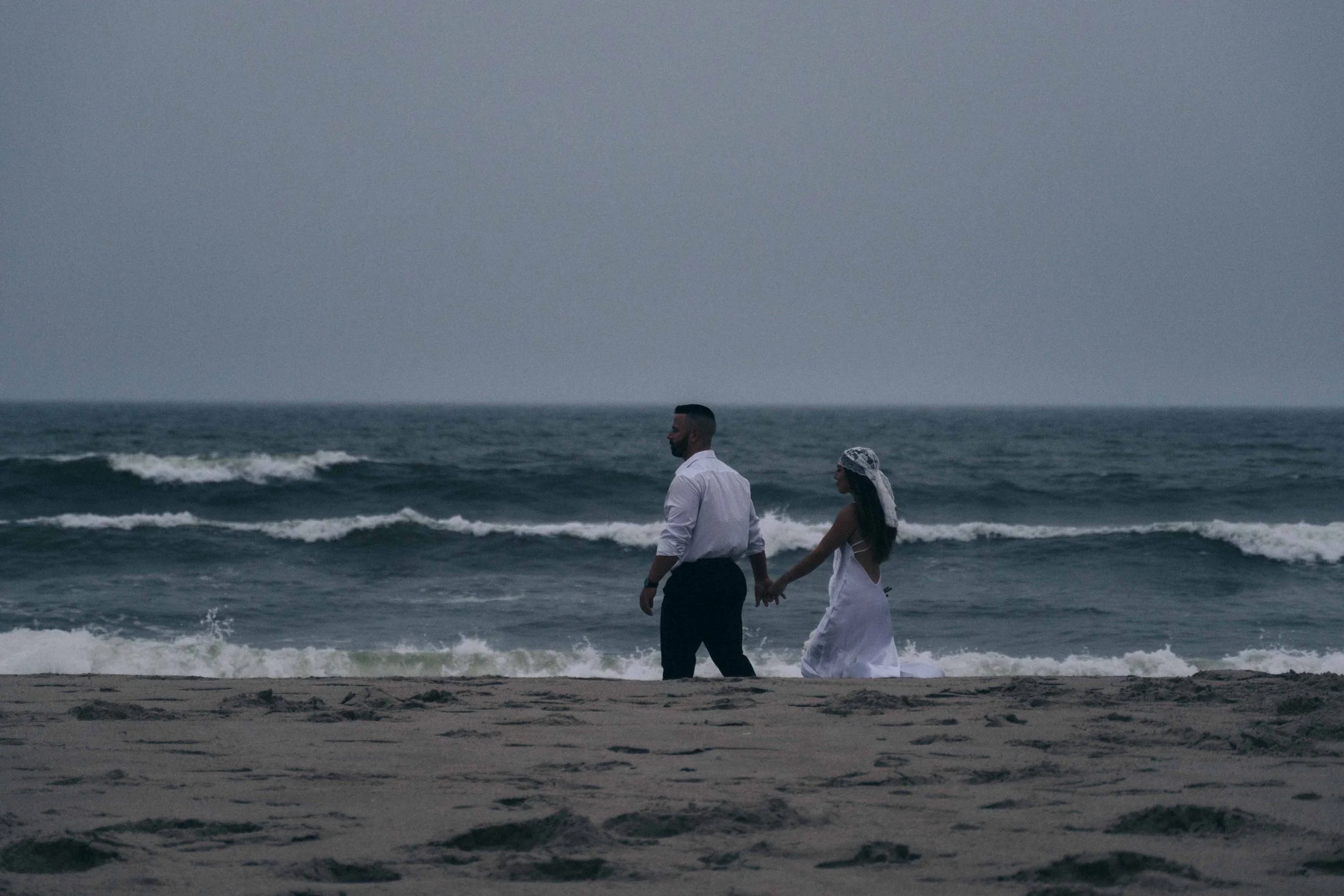
Siargao Prenup Photographer
Caz Isaiah | Siargao Prenup Photographer working in cinematic stills and films shaped by reef breaks, dirt roads, and shifting light
Siargao Prenup Photographer
Caz Isaiah | Siargao Prenup Photographer working in cinematic stills and films shaped by reef breaks, dirt roads, and shifting light
Before the Scene Begins
Before anything becomes a photograph, there is already a rhythm holding you steady, something continuous that does not ask to be named before it is felt. Moments arrive here without urgency, moving forward whether they are watched or not.
Having spent enough time moving through islands like this, I recognize how Siargao shapes behavior before intention appears. Life here follows tide tables and daylight rather than clocks. Motorbikes idle until rain passes. Boards rest in sand while swell builds offshore. People wait because waiting is part of getting anywhere. I don’t push against that tempo. I let Siargao set it, stepping in only when presence naturally gathers.
The Invitation
A prenup in Siargao is not introduced — it is entered.
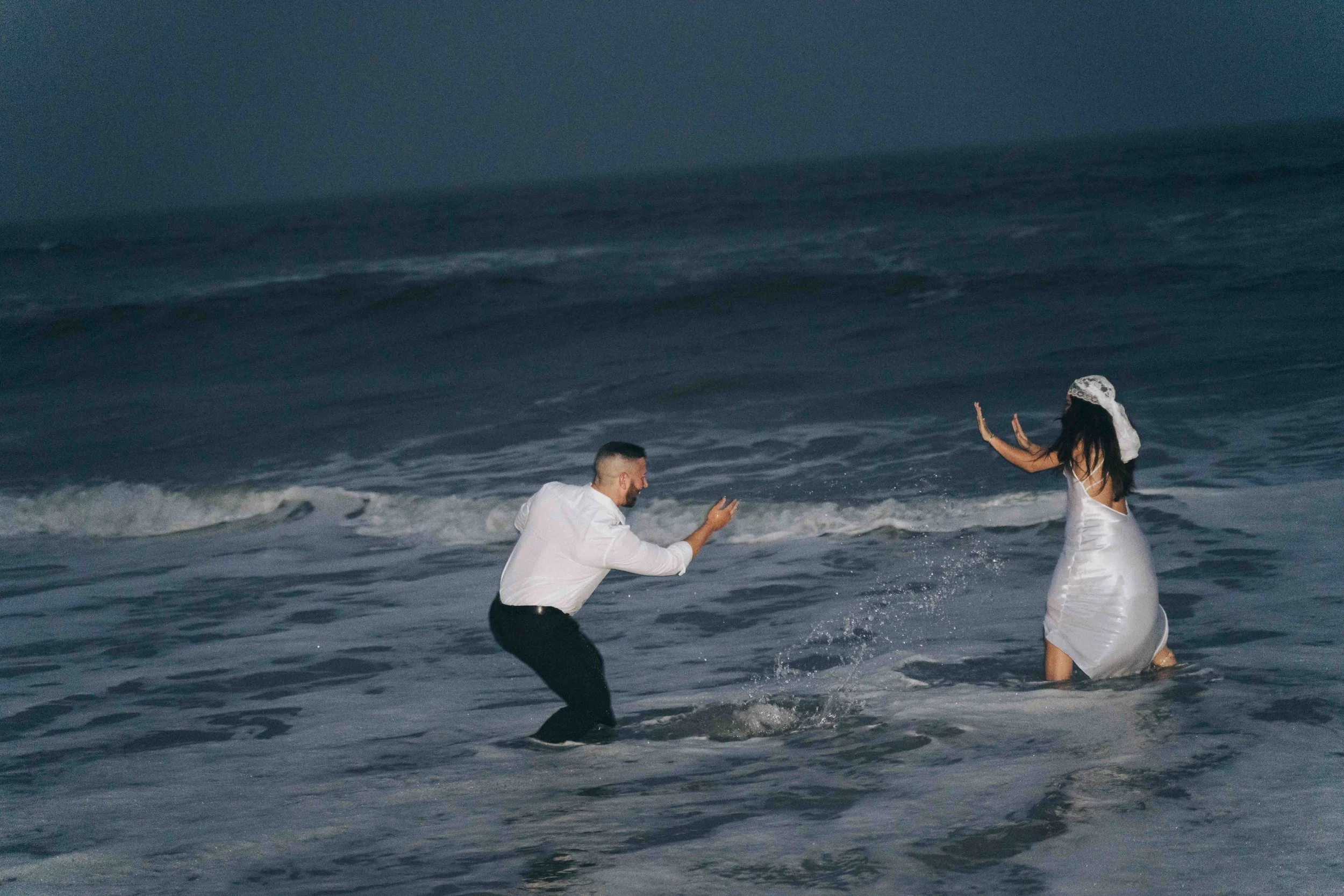
Arrival happens slowly. Roads narrow into packed dirt, then dissolve into sand. Movement becomes deliberate as puddles, roots, and soft ground dictate each step. Bodies lean forward slightly when walking, adjusting to uneven terrain and sudden openings toward the sea.
I arrive into that adjustment rather than correcting it. I watch how posture changes once the shoreline appears, how attention drifts outward toward water and horizon, how timing loosens when the day is shaped by swell and weather instead of schedule. The invitation lives in that release, when the island begins deciding how the scene will move.
The Descent
Once the camera lifts, Siargao itself begins feeding the scene.
Waves arrive in sets rather than intervals, pulling attention offshore again and again. Wind moves across palms unevenly, flattening fabric one moment and lifting it the next. Rain appears without warning, cooling the air and forcing pauses that cannot be negotiated away.
Direction becomes minimal because it has to. Access changes with tide. Some paths open only briefly, others disappear entirely once water rises. Light shifts as clouds roll in from the ocean, thinning and thickening without pattern. The place is already composing, and the work is to follow closely enough not to interrupt it.
The Scene
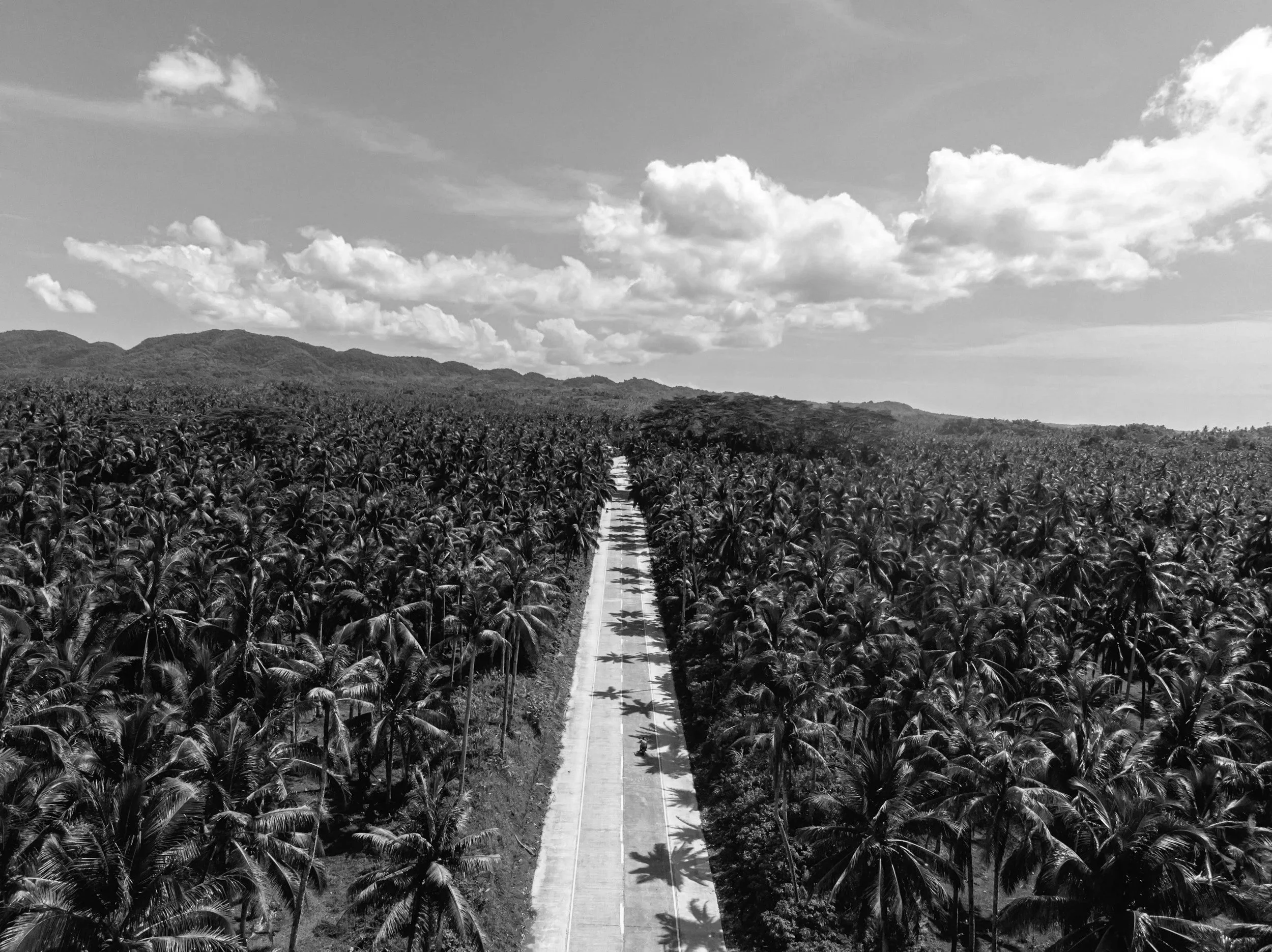
Location: Siargao — reef-lined coast, interior dirt roads, and palm-dense clearings opening toward the sea.
The sequence begins inland, where sound is muted by trees and the ground absorbs each step. Footprints appear briefly in sand before collapsing back into themselves. Movement is slow, shaped by shade and heat rather than distance.
As the scene pulls outward, Siargao opens toward the coast. The sound of waves grows louder, then recedes between sets. Wind crosses the beach in irregular bursts, pressing clothing flat before releasing it again. You stand closer together without direction, bodies responding to exposure rather than instruction.
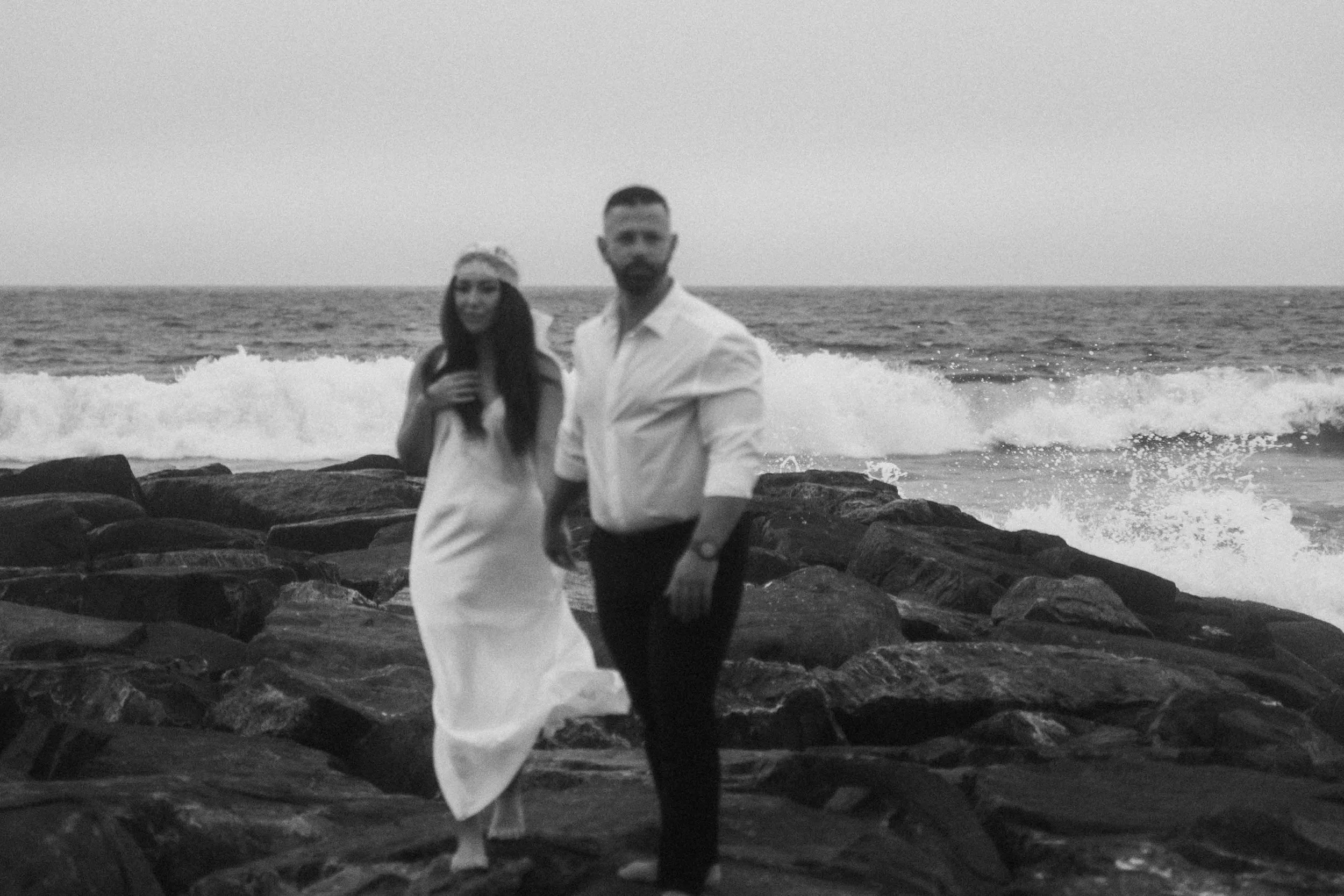
Later, the tide shifts. Water creeps higher across rock and reef, narrowing the space where movement is possible. Light changes color as clouds pass overhead, flattening contrast and then restoring it minutes later. By the final frames, Siargao has reduced the scene to placement and timing, shaped entirely by what the island allows in that window. This could only happen here.
What It Actually Feels Like
A full-day cinematic prenup, shaped around light, movement, and rest. The day flows between moments of shooting and pauses for travel, wardrobe changes, and resets—without pressure or rushing.
You’ll receive 60-80 hand-edited digital stills, shaped through light and atmosphere into a visual memory. The experience may unfold in one setting or move across multiple locations and days, allowing contrast and progression without breaking the feeling of the story.
For motion, a 6–12-minute film can be added, drawn from the same moments as the stills.
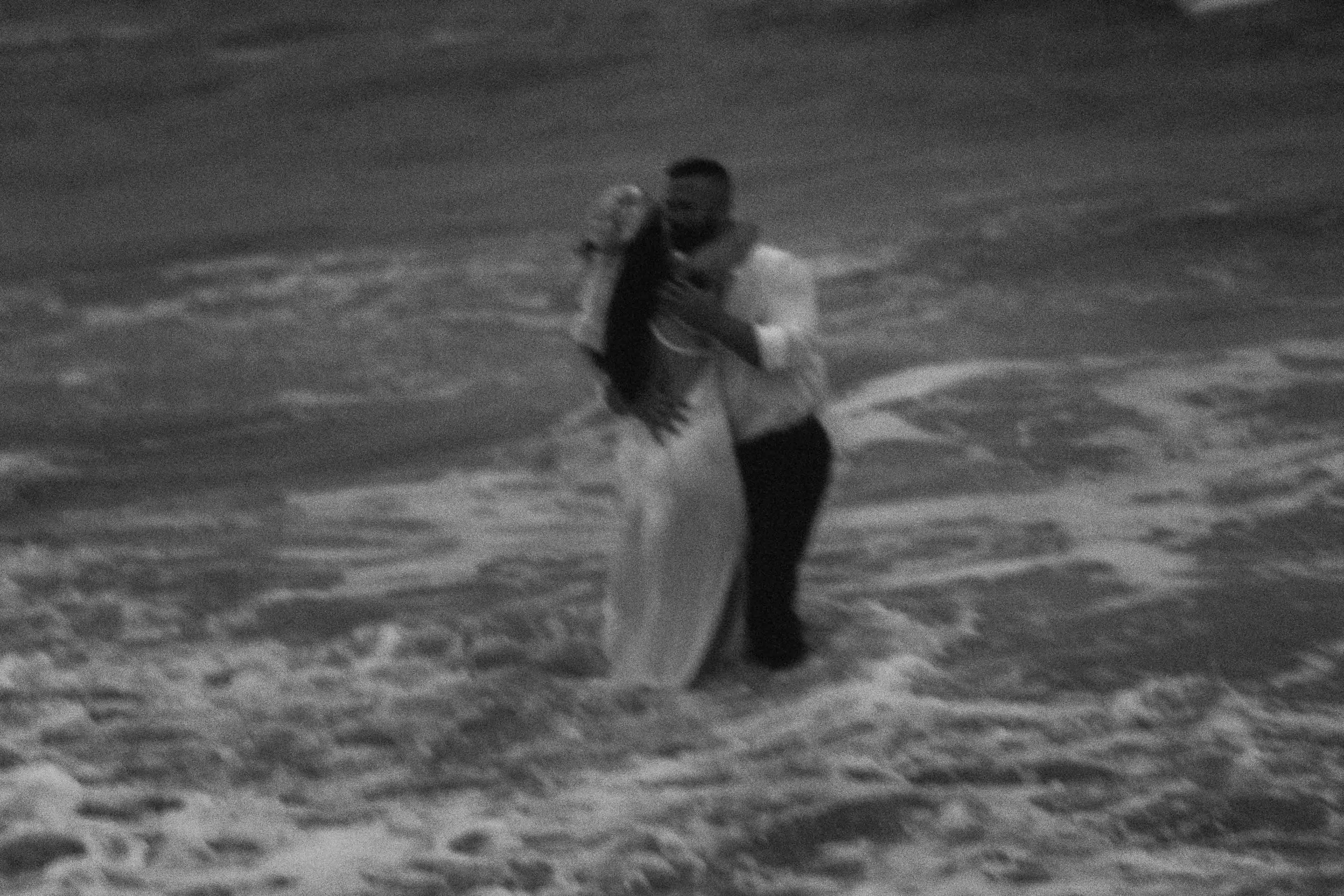
The Way a Scene Finds Its Shape
I do not impose a plan on Siargao; I adapt to it.
Tide dictates access. Rain resets pacing. Heat limits stamina. Crowds gather briefly around breaks, then vanish once sets fade. These conditions are not obstacles but structure, defining when and where something can unfold.
When the shoreline narrows, the frame tightens with it. When space opens between sets, the scene breathes. Direction stays quiet and precise, offered only when the environment creates room for it. The result is not production but response, a sequence shaped by Siargao’s constant negotiation between movement and pause, held briefly before the island carries on.
About Me
I am Caz Isaiah — a Fragmented Memories photographer, shaping cinema from unscripted moments and the atmosphere around you. My work lives in the space between direction and intuition: the pull of weather, the shift of light, the breath before something real appears. Nothing posed, nothing forced — just scenes that feel lived and held with intention.
