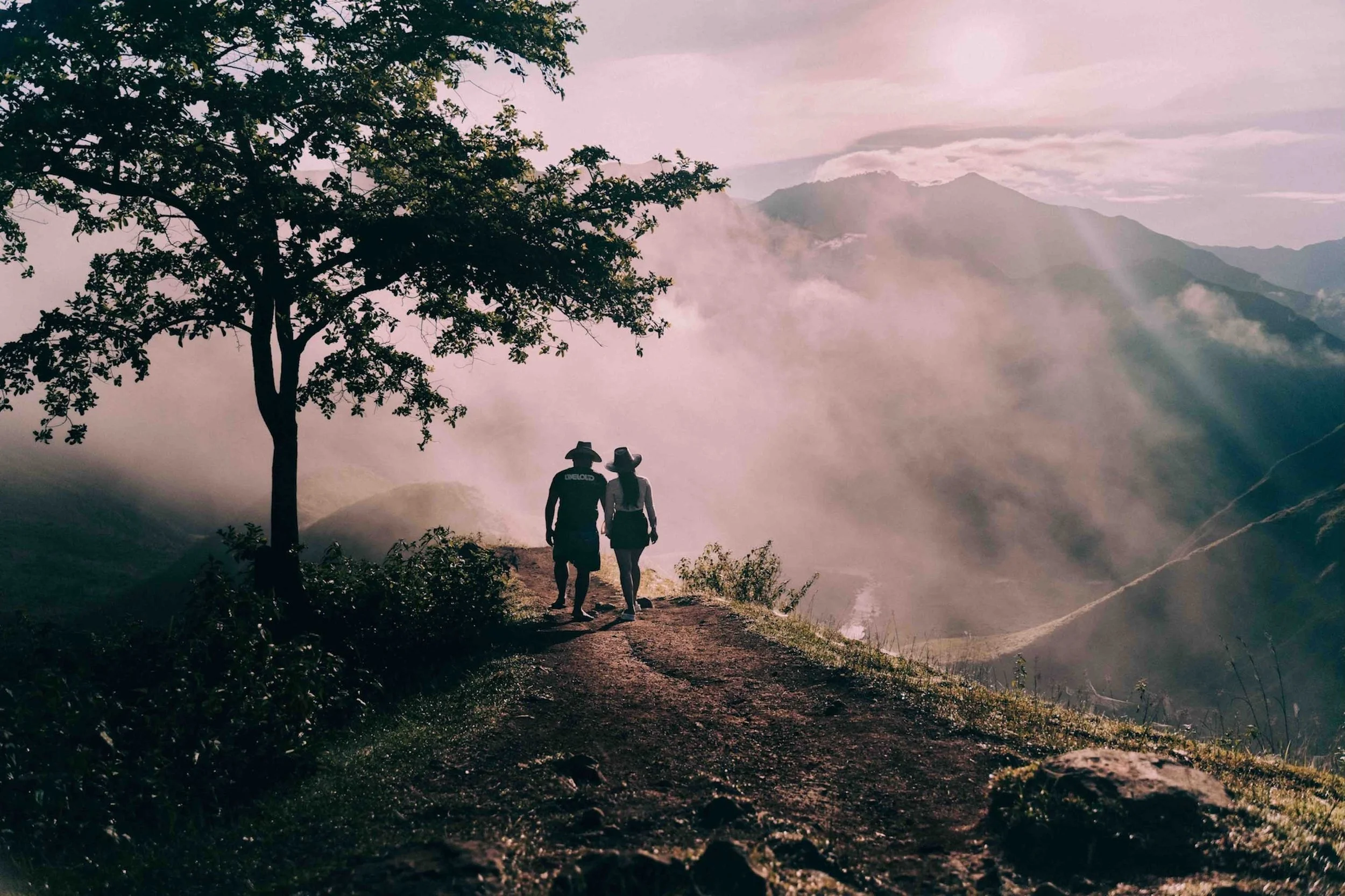
Baguio Prenup Photographer
Caz Isaiah | Baguio Prenup Photographer working in cinematic stills and films shaped by elevation, pine-lined roads, and shifting visibility
Baguio Prenup Photographer
Caz Isaiah | Baguio Prenup Photographer working in cinematic stills and films shaped by elevation, pine-lined roads, and shifting visibility
Before the Scene Begins
Before anything becomes a photograph, there is already a sense of closeness, a quiet continuity that exists before attention tries to hold it still. Moments here do not announce themselves; they continue, steady and unforced, asking only to be entered rather than arranged.
Having moved through places like this long enough to feel their timing, I recognize how Baguio shapes behavior before intention appears. Elevation changes breath and pace. Roads wind tightly, slowing movement whether you plan for it or not. People pause instinctively when fog thickens, waiting for visibility to return before continuing. I don’t hurry that process. I let Baguio establish its rhythm, stepping in only when presence gathers naturally.
The Invitation
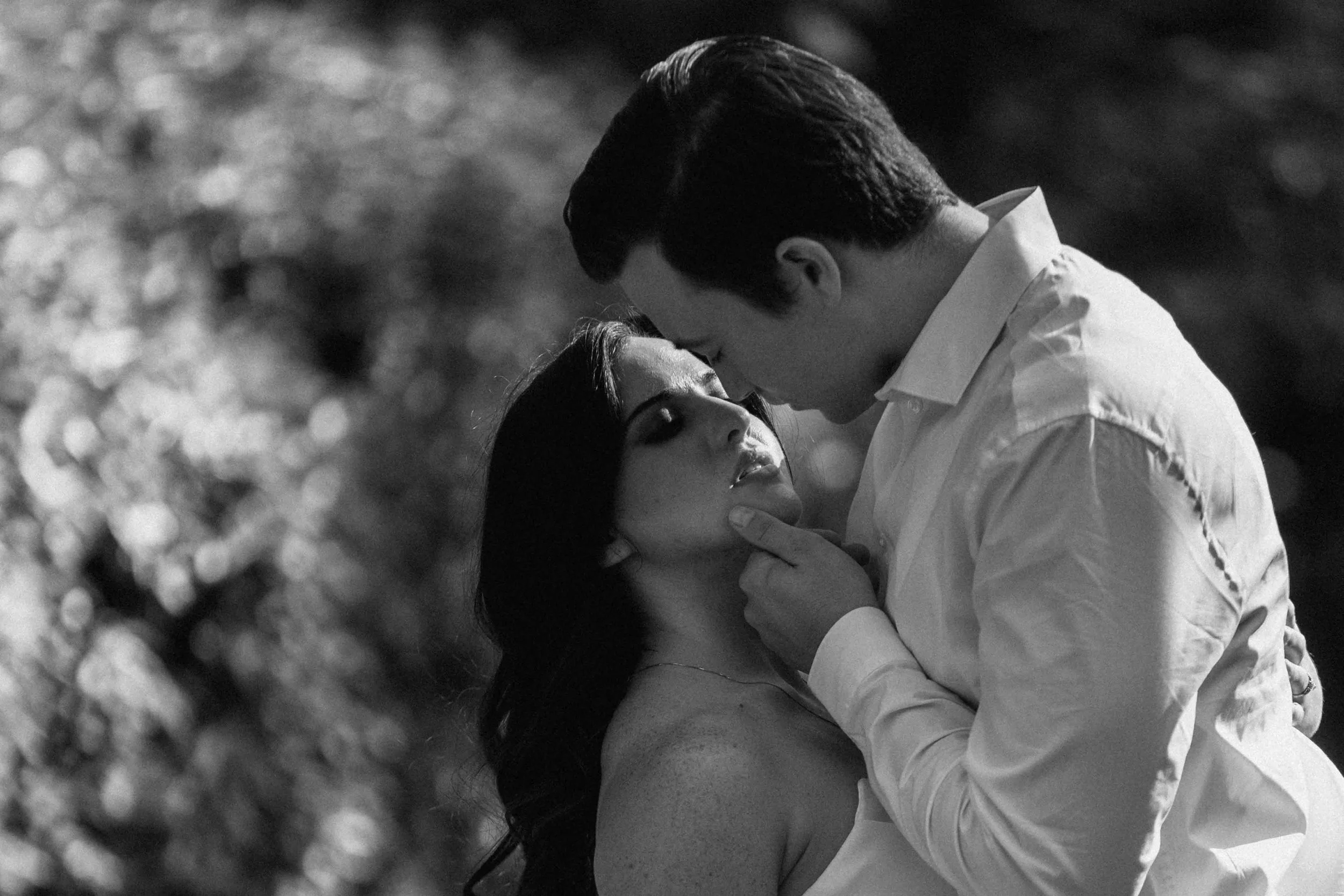
A prenup in Baguio is not introduced — it is entered.
Arrival happens through ascent. Roads narrow as they climb, turns tightening while temperature drops without warning. Bodies lean forward slightly when walking uphill, shoulders hunch when cold air moves in, and conversations soften as breath becomes more deliberate.
I arrive into that adjustment rather than interrupting it. I watch how posture changes once fog rolls across the road, how timing stretches when traffic slows to match visibility, how attention turns inward in moments of quiet between passes of movement. The invitation lives in that recalibration, when the highlands begin deciding how the scene will unfold.
The Descent
Once the camera lifts, Baguio itself begins feeding the scene.
Wind moves unevenly through pine trees, creating bursts of sound followed by sudden stillness. Fog drifts across open areas, sometimes clearing in seconds, sometimes settling long enough to flatten distance entirely. Light arrives filtered and indirect, often late, often briefly.
Direction becomes minimal because it has to. Visibility dictates placement. Crowds appear quickly in central areas and dissolve just as fast once you step away from main roads. Timing belongs to weather and elevation, not schedule. The place is already composing, and the work is to follow closely without forcing clarity where it does not exist.
The Scene
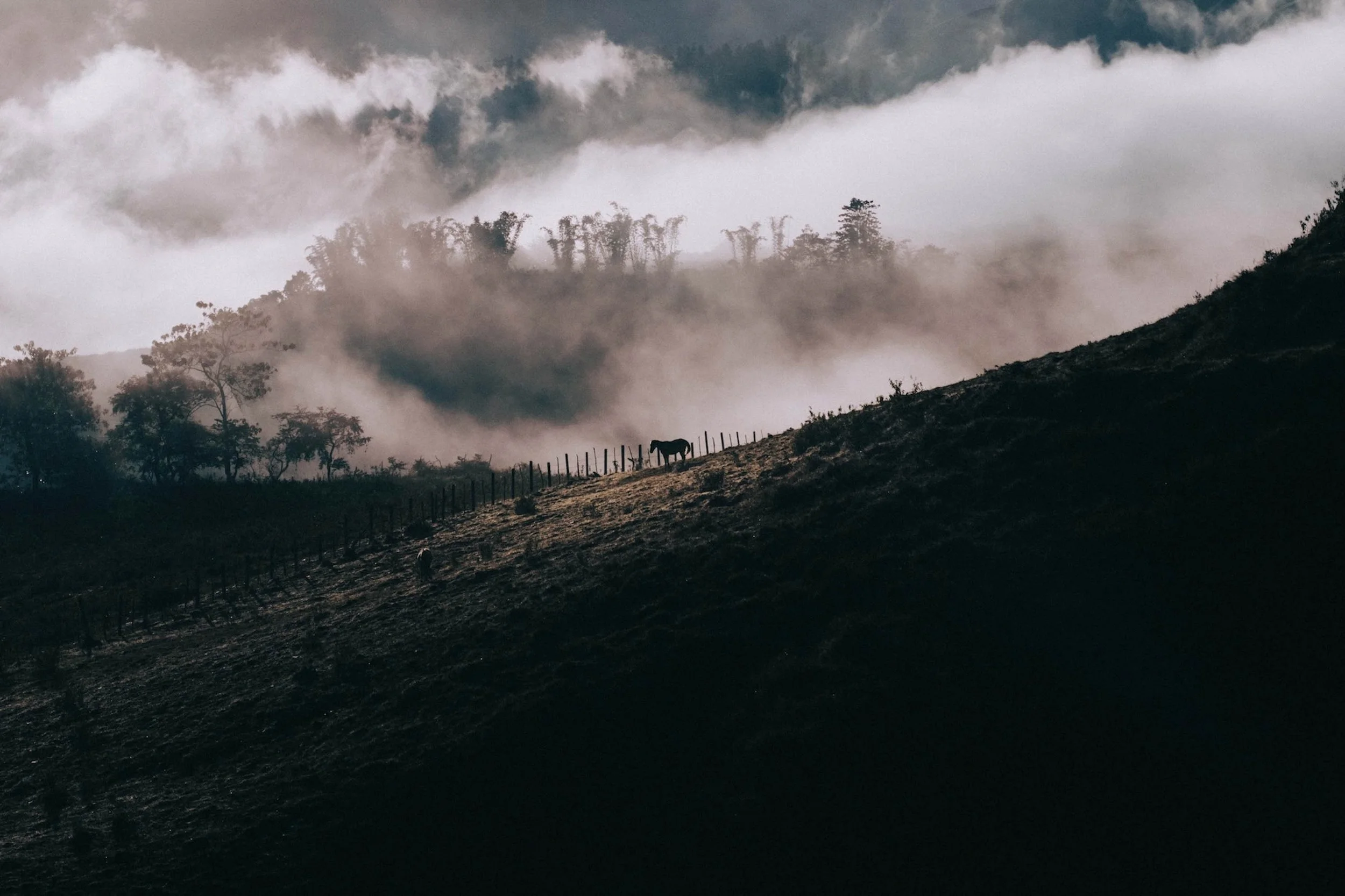
Location: Baguio — winding mountain roads, pine-lined clearings, and dense fog moving across elevated ground.
The sequence begins near the road, where sound carries differently at altitude. Engines hum softly, tires scrape against damp pavement, and space feels compressed by trees and mist. Movement is careful, shaped by slope and visibility rather than distance.
As the scene moves inward, Baguio opens into quieter pockets. Pines thin briefly, revealing layered hills before fog closes the view again. Wind presses fabric close, then releases it as the air shifts. Bodies draw nearer without instruction, responding to cold and reduced space.
Later, visibility changes again. Fog lifts just enough to restore depth, then settles back across the frame. Light shifts subtly as clouds pass overhead, flattening contrast and restoring it in cycles. By the final frames, Baguio has reduced the scene to proximity and timing, shaped entirely by elevation and weather. This could only happen here.

What It Actually Feels Like
A full-day cinematic prenup, shaped around light, movement, and rest. The day flows between moments of shooting and pauses for travel, wardrobe changes, and resets—without pressure or rushing.
You’ll receive 60-80 hand-edited digital stills, shaped through light and atmosphere into a visual memory. The experience may unfold in one setting or move across multiple locations and days, allowing contrast and progression without breaking the feeling of the story.
For motion, a 6–12-minute film can be added, drawn from the same moments as the stills.
The Way a Scene Finds Its Shape
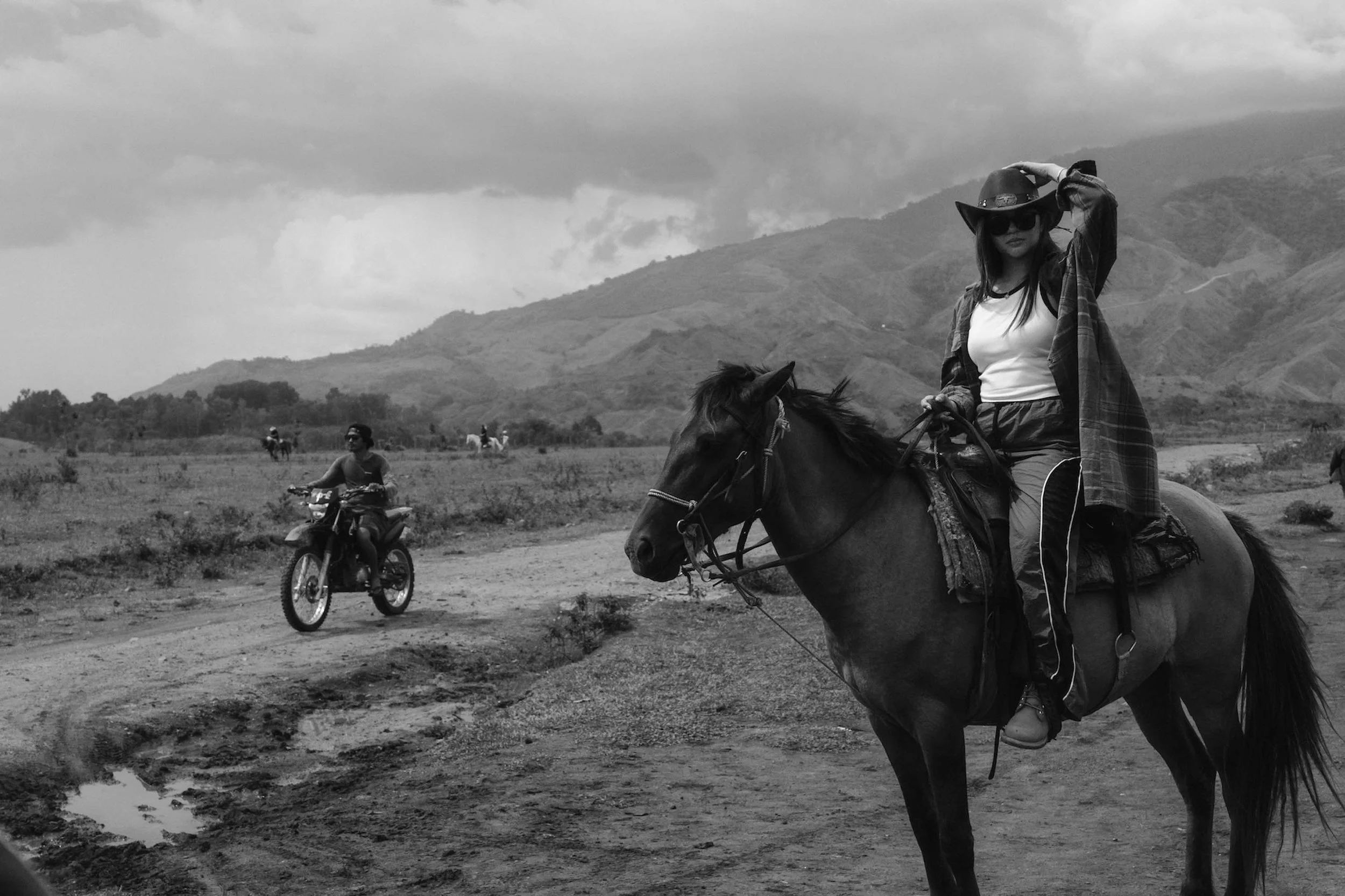
I do not impose a plan on Baguio; I adapt to it.
Elevation limits stamina. Fog controls access. Cold shortens patience and refines movement. Crowds cluster briefly, then disappear once you step away from the center. These conditions are not obstacles but structure, defining what can exist in a given window.
When visibility narrows, the frame tightens with it. When space opens between fog banks, the scene expands briefly before closing again. Direction stays quiet and precise, offered only when the environment creates room. The result is not production but response, a sequence shaped by Baguio’s constant negotiation between concealment and reveal, held momentarily before the mountain settles back into itself.
About Me
I am Caz Isaiah — a Fragmented Memories photographer, shaping cinema from unscripted moments and the atmosphere around you. My work lives in the space between direction and intuition: the pull of weather, the shift of light, the breath before something real appears. Nothing posed, nothing forced — just scenes that feel lived and held with intention.
