Bantayan Prenup Photographer
Caz Isaiah | Bantayan Prenup Photographer capturing stills and films where island pace, tide cycles, and open roads quietly dictate the frame
Bantayan Prenup Photographer
Caz Isaiah | Bantayan Prenup Photographer capturing stills and films where island pace, tide cycles, and open roads quietly dictate the frame
Before the Scene Begins
Some places ask you to slow down before you even notice you have arrived.
I have spent enough time moving through the islands of the Philippines to recognize when a place adjusts your breathing before it offers you a view, and Bantayan does this immediately.
Here, distance is measured in minutes on a motorbike, not landmarks, and the day opens gradually as fishing boats return, tricycles idle, and roads stay mostly empty.
In Bantayan, the air does not rush you forward, and the quiet between movements becomes part of how the scene begins.
I work as a witness inside that rhythm, letting the island show where attention should settle instead of interrupting it.
The Invitation
A prenup in Bantayan is not announced, it is entered through motion.
Arrival usually means a ferry crossing that resets your sense of time, followed by slow roads where palms lean inward and traffic rarely competes for space.
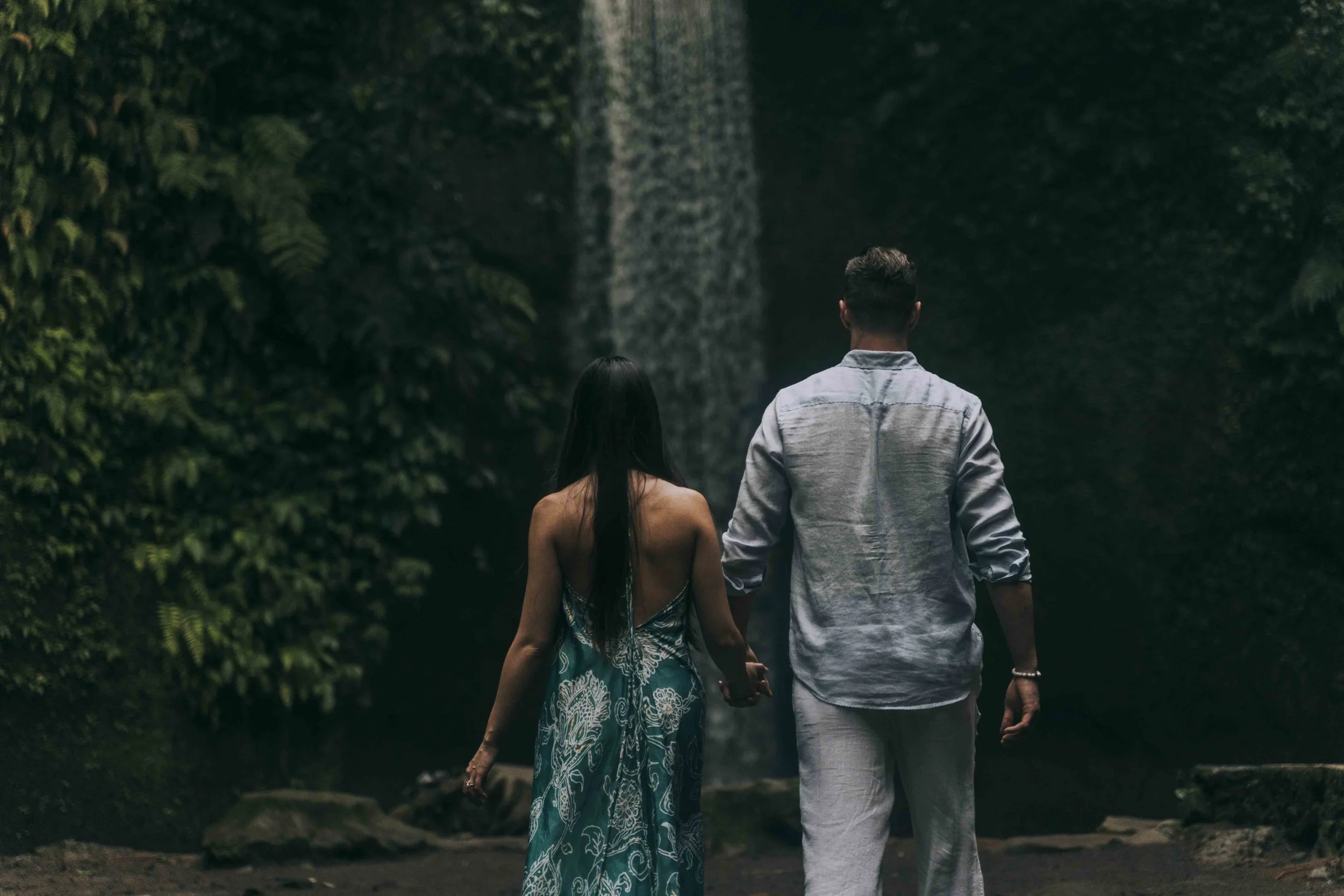
Walking here is unhurried, posture loosens, shoulders drop, and conversations stretch as the horizon stays open.
Bantayan influences how couples move before the camera ever lifts, encouraging pauses, longer glances, and side by side walking rather than posed stops.
I respond to that invitation by keeping distance when the island asks for it and stepping closer only when the scene naturally gathers itself.
The Descent
Once the camera lifts, Bantayan begins shaping the sequence without instruction.
Footsteps sound different on packed sand paths than on concrete, and timing shifts as tides pull attention away from clocks.
The island’s quiet roads allow movement to continue uninterrupted, with no need to reset or redirect.
Wind comes in softly across open stretches, not as spectacle but as steady presence that changes fabric and posture over time.
In Bantayan, direction becomes minimal because the environment already sets the pace, leaving space for observation rather than correction.
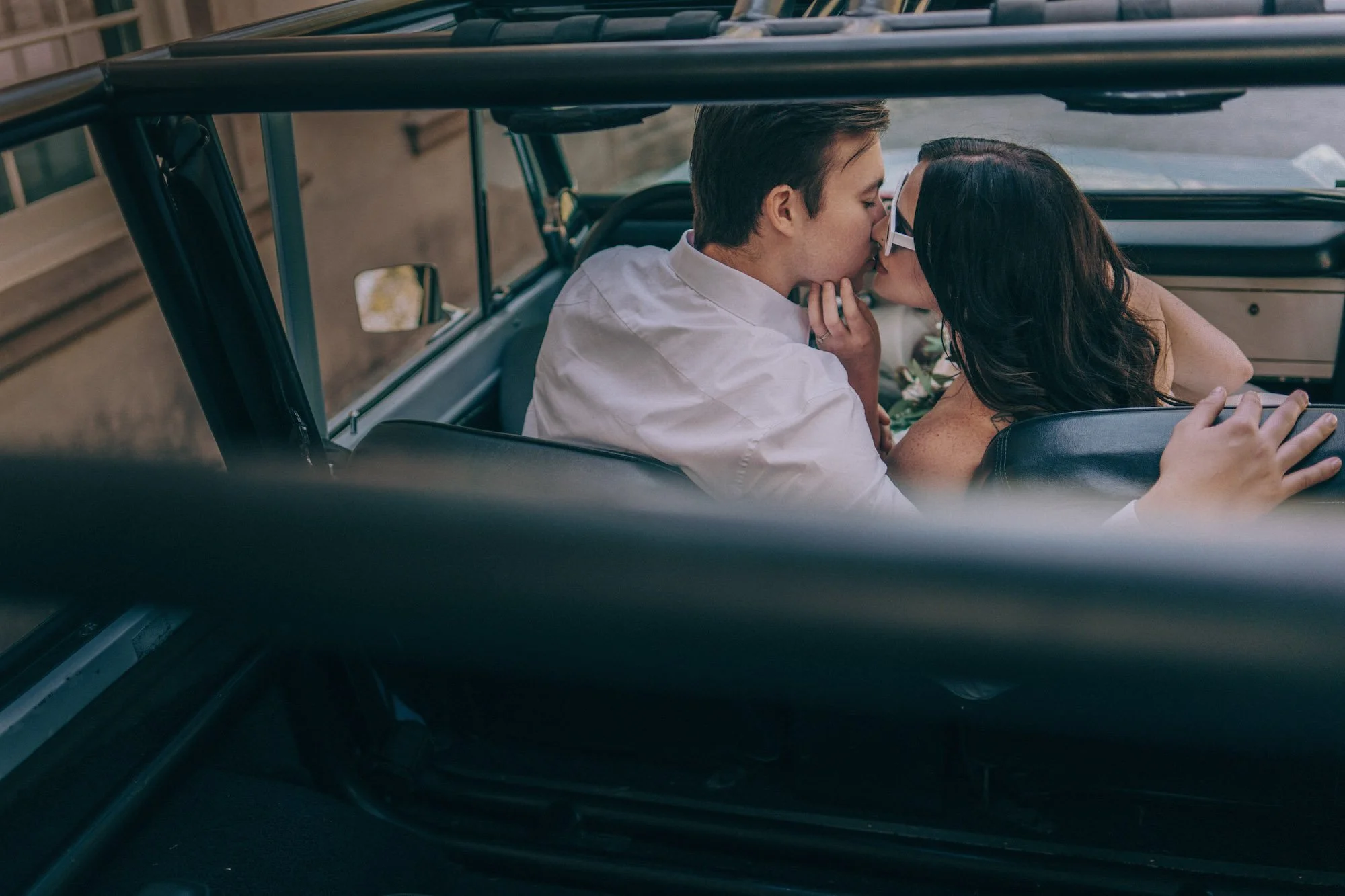
The Scene
Location: Bantayan — open shoreline roads, shallow reefs, and low villages facing wide water.
The sequence begins near the coast where the land stays flat and the horizon remains constant, grounding each frame in distance rather than height.
As the afternoon progresses, light shifts laterally instead of dropping quickly, allowing scenes to unfold across longer stretches of time.
Bantayan reveals itself through repetition, waves moving at similar intervals, boats drifting in and out of view, and locals passing without interruption.
Later, movement turns inland where sandy roads meet clusters of trees, and the soundscape changes to wind through leaves and distant engines.
This scene could only happen in Bantayan because the island never competes for attention, it simply holds it.
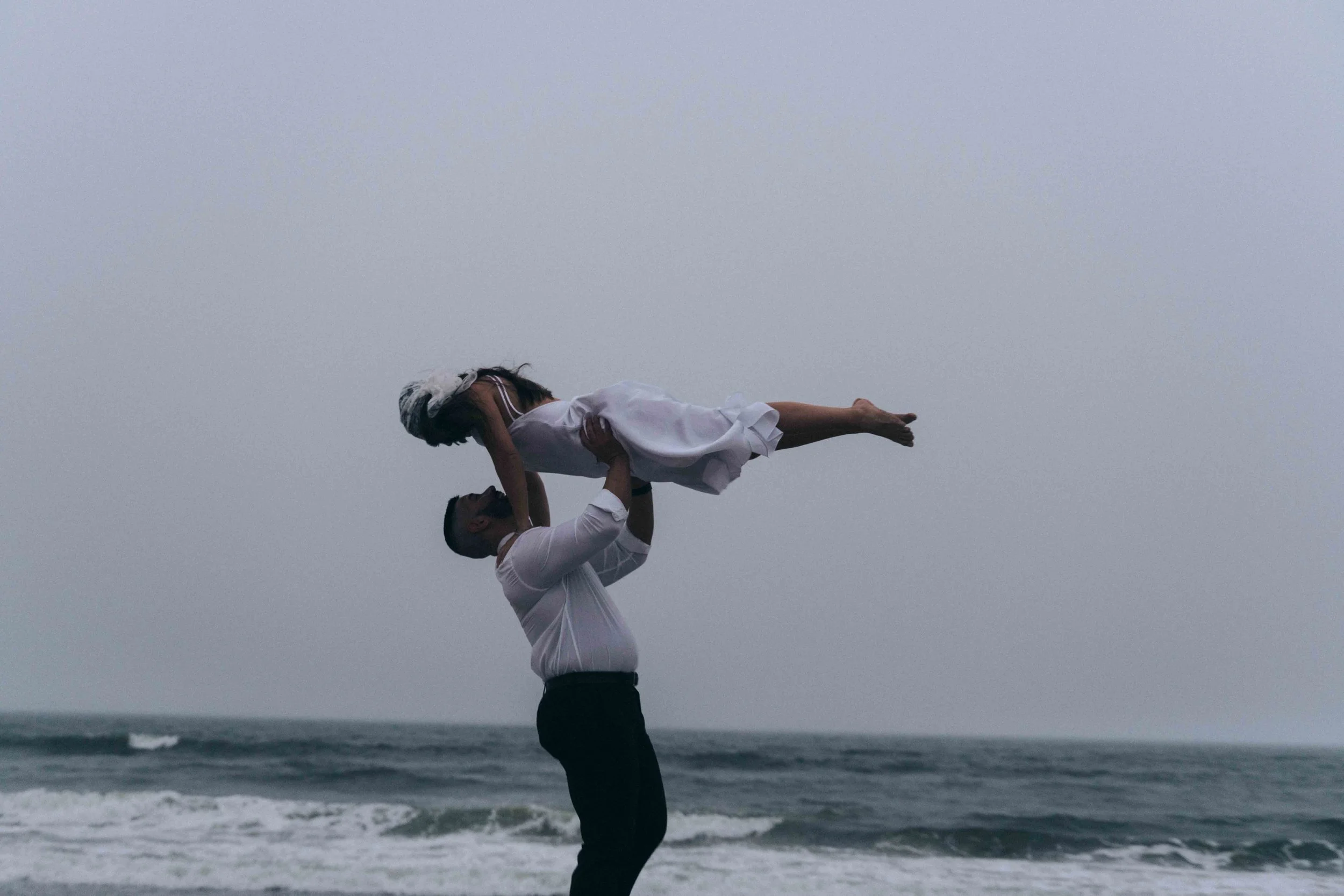
What It Actually Feels Like
You’ll receive 40–50 hand-edited stills, shaped through light and atmosphere into a visual memory. The experience may unfold in one setting or move across multiple locations and days, allowing contrast and progression without breaking the feeling of the story.
For motion, a 6–12-minute film can be added, drawn from the same moments as the stills.
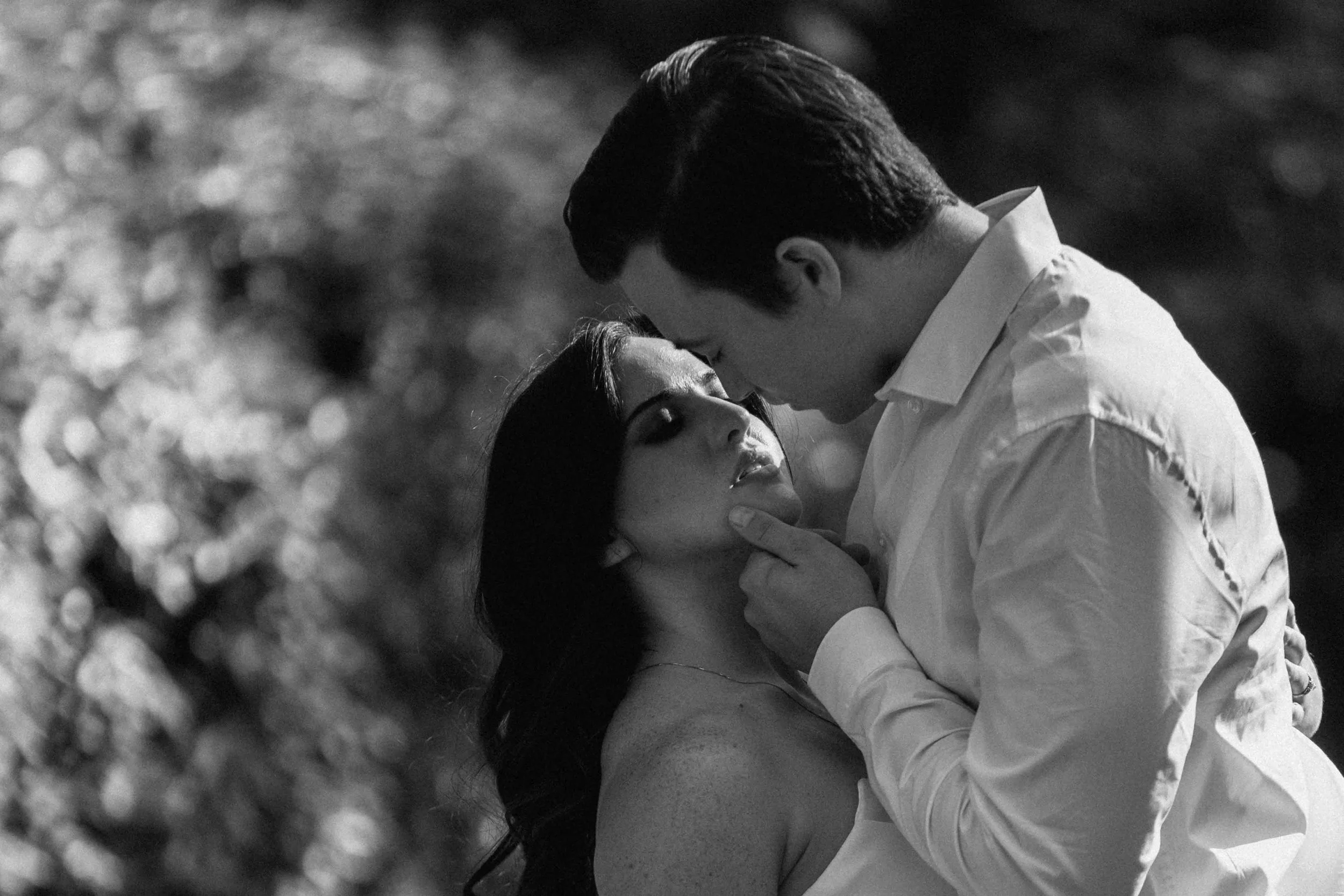
The Way a Scene Finds Its Shape
I adapt to Bantayan by letting constraints become structure.
Limited crowds, long empty roads, and predictable tidal patterns act as guides instead of obstacles.
When clouds gather or clear without warning, the work shifts with them rather than against them.
Bantayan offers space as its gift, and I treat that space with restraint, allowing scenes to form quietly instead of producing them.
The result is work that remains responsive to the island, shaped by its movement and silence rather than imposed design.
About Me
I am Caz Isaiah — a Fragmented Memories photographer, shaping cinema from unscripted moments and the atmosphere around you. My work lives in the space between direction and intuition: the pull of weather, the shift of light, the breath before something real appears. Nothing posed, nothing forced — just scenes that feel lived and held with intention.