Bohol Prenup Photographer
Caz Isaiah | Bohol Prenup Photographer creating cinematic stills and films shaped by island movement, restraint, and shifting ground
Bohol Prenup Photographer
Caz Isaiah | Bohol Prenup Photographer creating cinematic stills and films shaped by island movement, restraint, and shifting ground
Before the Scene Begins
Before anything becomes a photograph, there is already a rhythm holding you in place, a sense that what matters has been moving long before attention turns toward it. Moments here don’t begin with anticipation; they arrive already in progress, asking only to be noticed rather than arranged.
Having moved through islands like this long enough to read their timing, I recognize how Bohol shapes behavior before intention appears. Travel unfolds slowly between ferries, narrow roads, and long stretches where waiting is part of moving forward. Boats idle until water allows passage, motorbikes pause under shade when heat settles in, and distance is measured by access rather than urgency. I don’t press the scene forward. I let Bohol set the pace, responding quietly when presence gathers and the place offers something exact.
The Invitation
A prenup in Bohol is not introduced — it is entered.
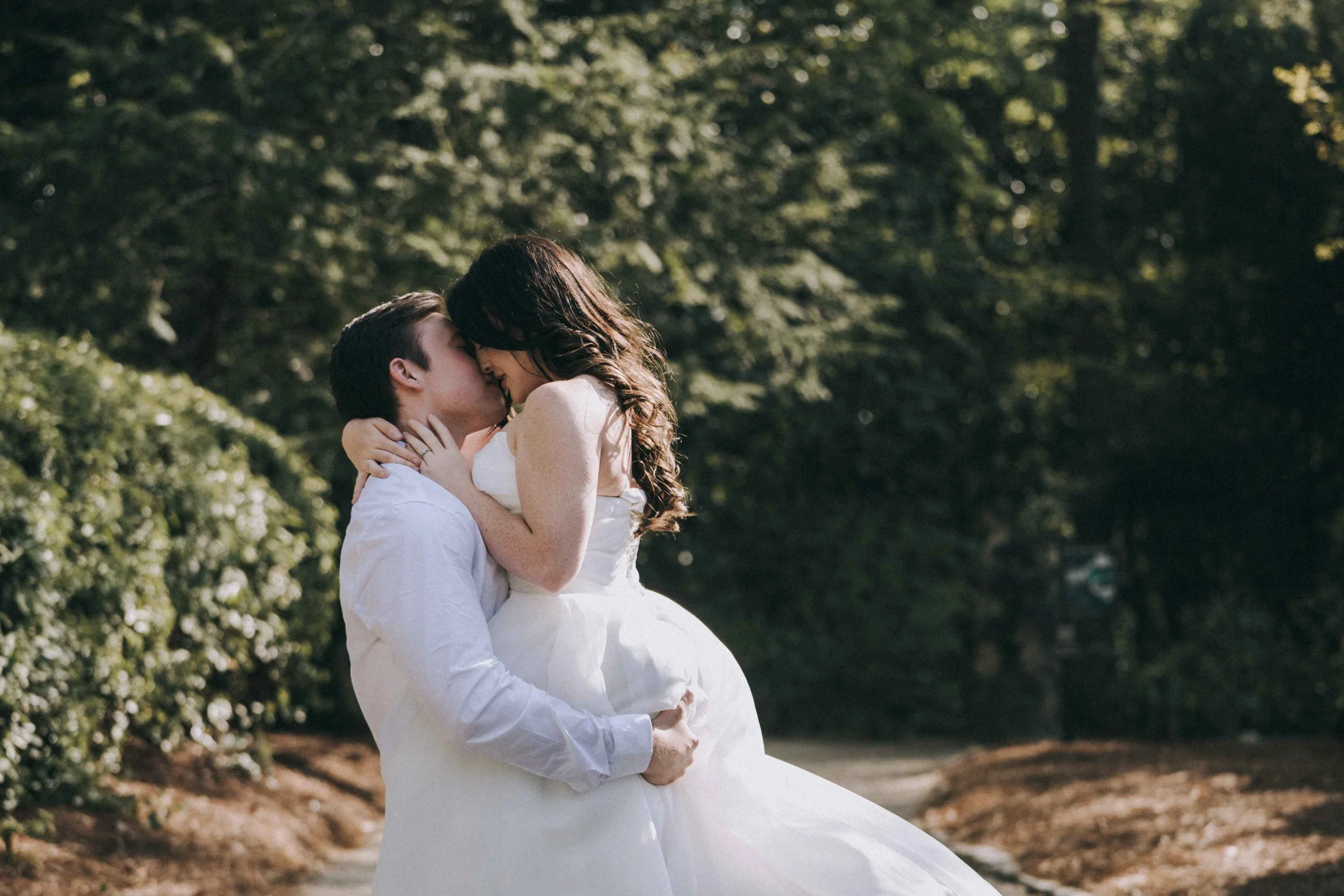
Arrival happens gradually. The island doesn’t announce itself all at once. You move from ferry terminals to open roads, from clustered buildings to long stretches of quiet, from heat pressed close to skin to wind cutting across open coast. Bodies respond immediately. Shoulders loosen. Steps widen. Attention shifts outward toward space rather than inward toward schedule.
I arrive into that adjustment rather than interrupting it. I watch how Bohol pulls people into its rhythm through distance and exposure, how posture changes once the horizon opens, how timing stretches when there is nowhere else to be. The invitation is felt in movement slowing and awareness widening without instruction.
The Descent
Once the camera lifts, Bohol itself begins feeding the scene.
Water moves at uneven intervals against shorelines. Wind travels unobstructed across open land, then drops completely once you step behind rock formations. Cicadas rise and fall in waves, punctuating long stretches of quiet. Heat presses pauses into the day, forcing resets whether planned or not. Timing belongs to the environment, not the itinerary.
Direction becomes minimal because it has to. Paths narrow unexpectedly. Light shifts as clouds pass over interior hills. When the sun disappears behind limestone, the frame tightens. When it breaks through again, the scene opens briefly before changing once more. The place is already shaping what can happen.
The Scene
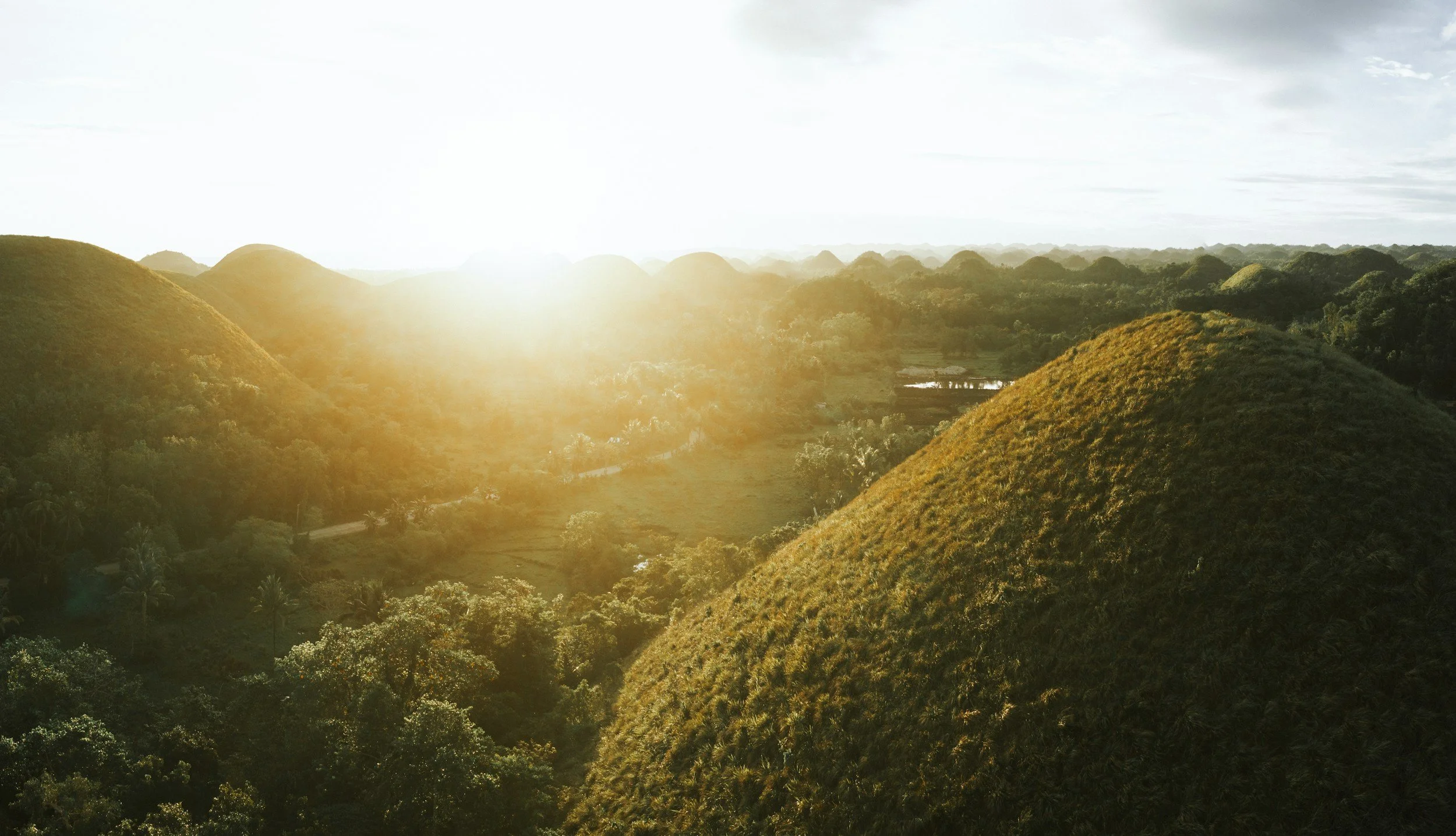
Location: Bohol — limestone formations, coastal flats, and interior roads cutting through palms and stone.
The sequence begins inland, where limestone rises abruptly from flat ground. Footsteps change sound as shoes move from dust to rock. Heat lingers close to the body, then releases when wind moves through gaps in the terrain. The land dictates where you can stand and how long you can stay.
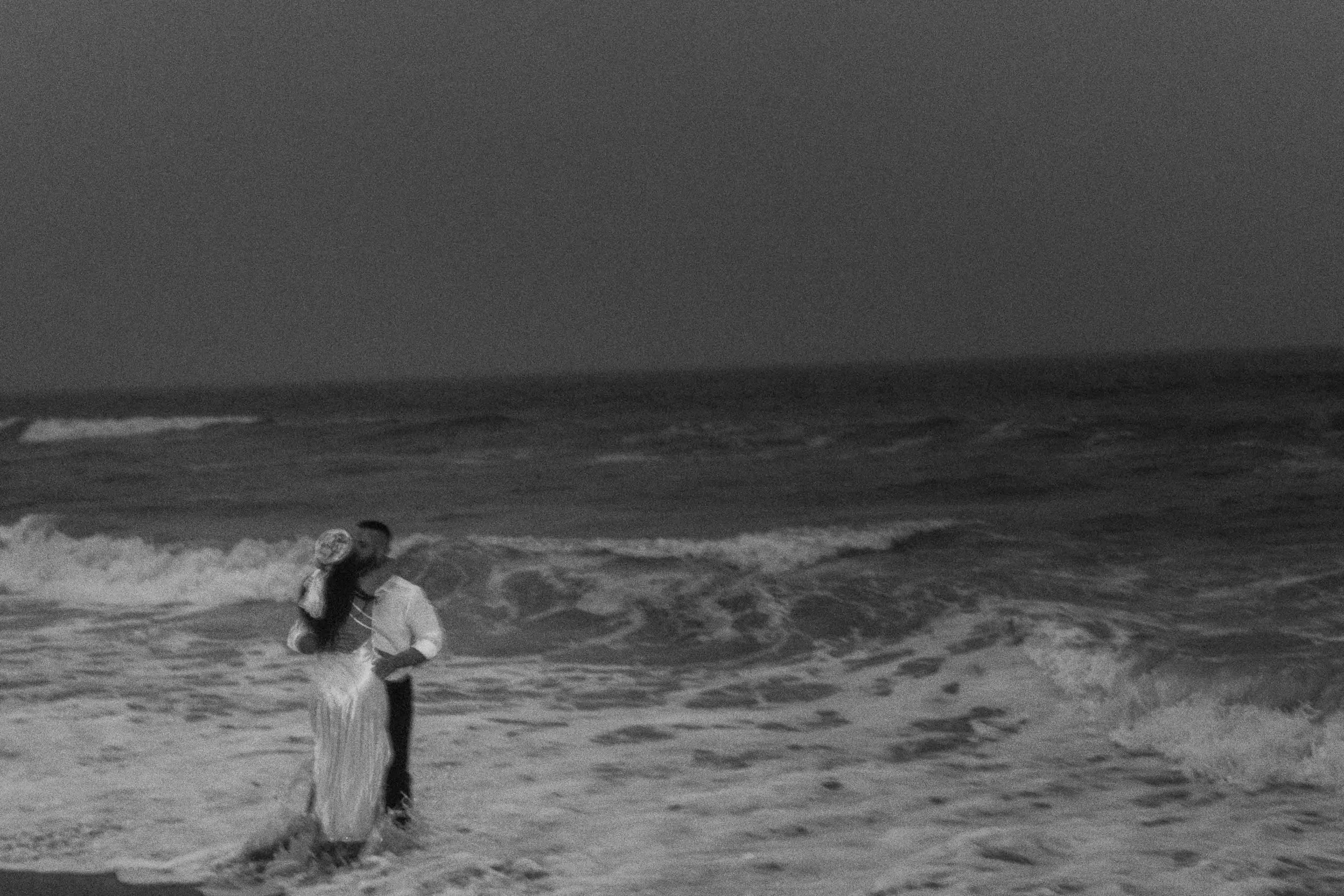
As movement continues toward the coast, Bohol reshapes itself. Roads widen, then disappear. Sand replaces stone. Water pulls attention outward, but tides decide access. The shoreline opens and closes depending on the hour. You pause not for composition, but because the environment requires it.
Later, as light lowers, shadows stretch unevenly across the ground. Sound thins. The island feels larger, not smaller, as distance between landmarks grows harder to judge. Hands meet without direction. Bodies settle into stillness because the day has already spent most of its motion. By the final frames, Bohol has stripped the scene down to presence and placement, nothing decorative, nothing excess. This could only happen here.

What It Actually Feels Like
A full-day cinematic prenup, shaped around light, movement, and rest. The day flows between moments of shooting and pauses for travel, wardrobe changes, and resets—without pressure or rushing.
You’ll receive 60-80 hand-edited digital stills, shaped through light and atmosphere into a visual memory. The experience may unfold in one setting or move across multiple locations and days, allowing contrast and progression without breaking the feeling of the story.
For motion, a 6–12-minute film can be added, drawn from the same moments as the stills.
The Way a Scene Finds Its Shape
I do not impose a plan on Bohol; I adapt to it.
Access shifts with tide and light. Heat dictates how long energy holds. Roads and terrain decide where scenes can unfold safely and honestly. These constraints are not obstacles. They are structure. I work within what the island allows in that specific window rather than forcing consistency across locations.
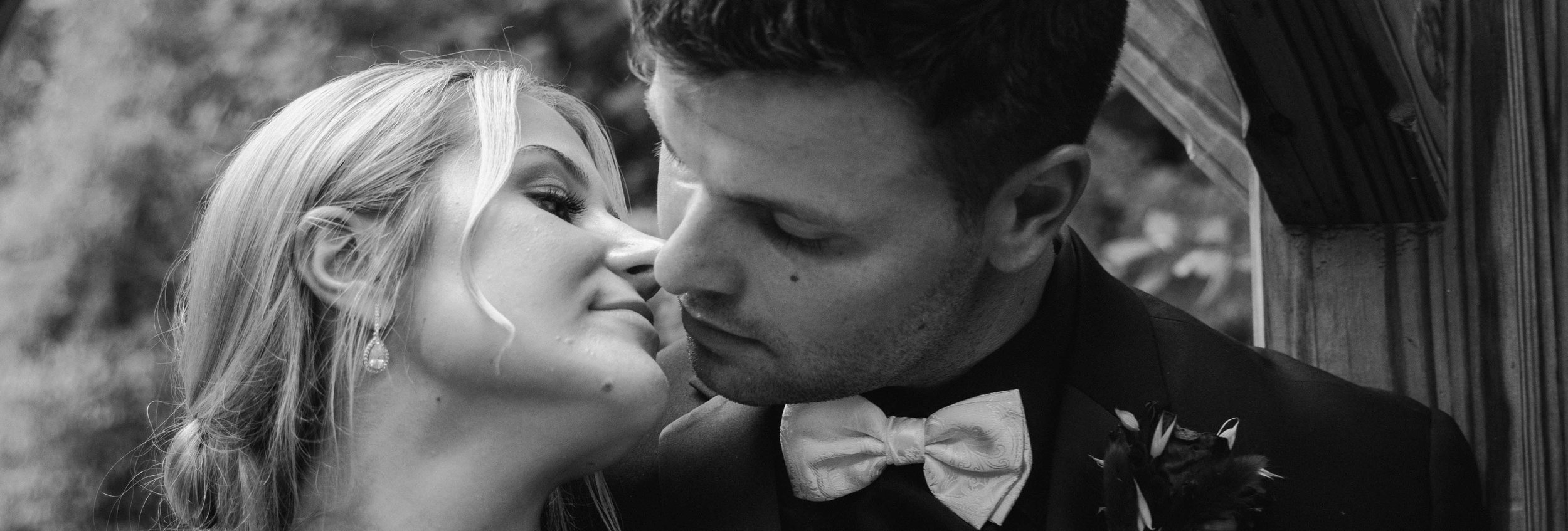
When clarity appears, I hold it briefly. When conditions tighten, the frame tightens with them. Direction stays quiet and precise, offered only when the environment creates space for it. The result is not production, but response, a scene shaped by Bohol’s geography and pacing, held just long enough to become memory before the island moves on.
About Me
I am Caz Isaiah — a Fragmented Memories photographer, shaping cinema from unscripted moments and the atmosphere around you. My work lives in the space between direction and intuition: the pull of weather, the shift of light, the breath before something real appears. Nothing posed, nothing forced — just scenes that feel lived and held with intention.
