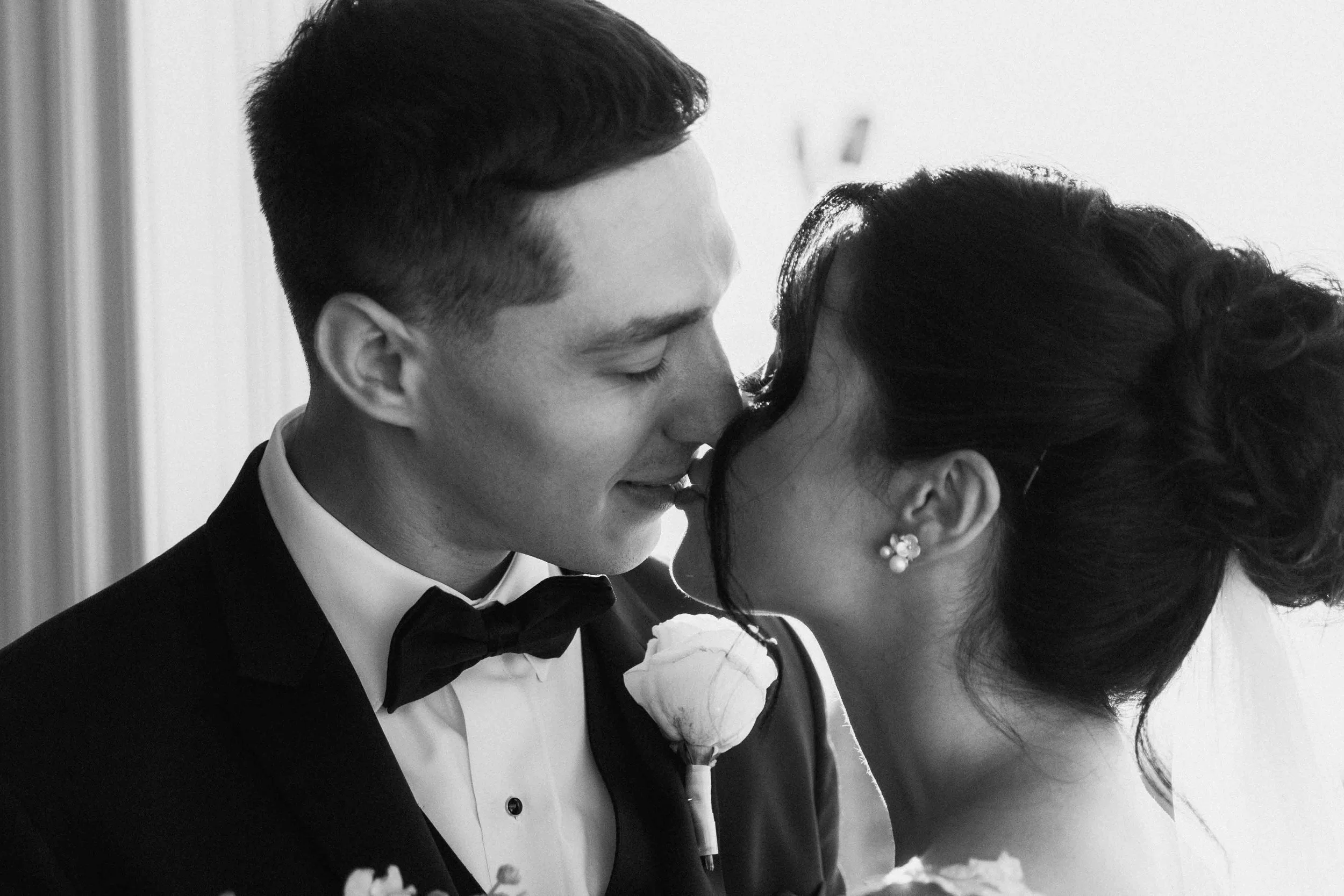
Tagaytay Prenup Photographer
Caz Isaiah | Tagaytay Prenup Photographer working in cinematic stills and film, shaped by elevation, silence, and shifting skies
Tagaytay Prenup Photographer
Caz Isaiah | Tagaytay Prenup Photographer working in cinematic stills and film, shaped by elevation, silence, and shifting skies
Before the Scene Begins
Before anything becomes an image, Tagaytay has already imposed its rhythm. Roads climb steadily out of the lowlands, engines working harder as temperature drops and pressure shifts, and the body adjusts without instruction. Jackets come out. Breathing slows. People linger near guardrails because the lake below may appear for seconds or not at all. In Tagaytay, visibility dictates behavior long before intention does.
Daily life here follows that pattern. Vendors pause mid-setup when clouds roll across the ridge, drivers idle at overlooks waiting for a break in the fog, and conversations stretch because no one knows when the view will return. Time expands and contracts depending on what the environment allows. A prenup in Tagaytay begins with this recalibration, learning when to wait, when to move, and when to accept that the place is deliberately withholding something.
The Invitation
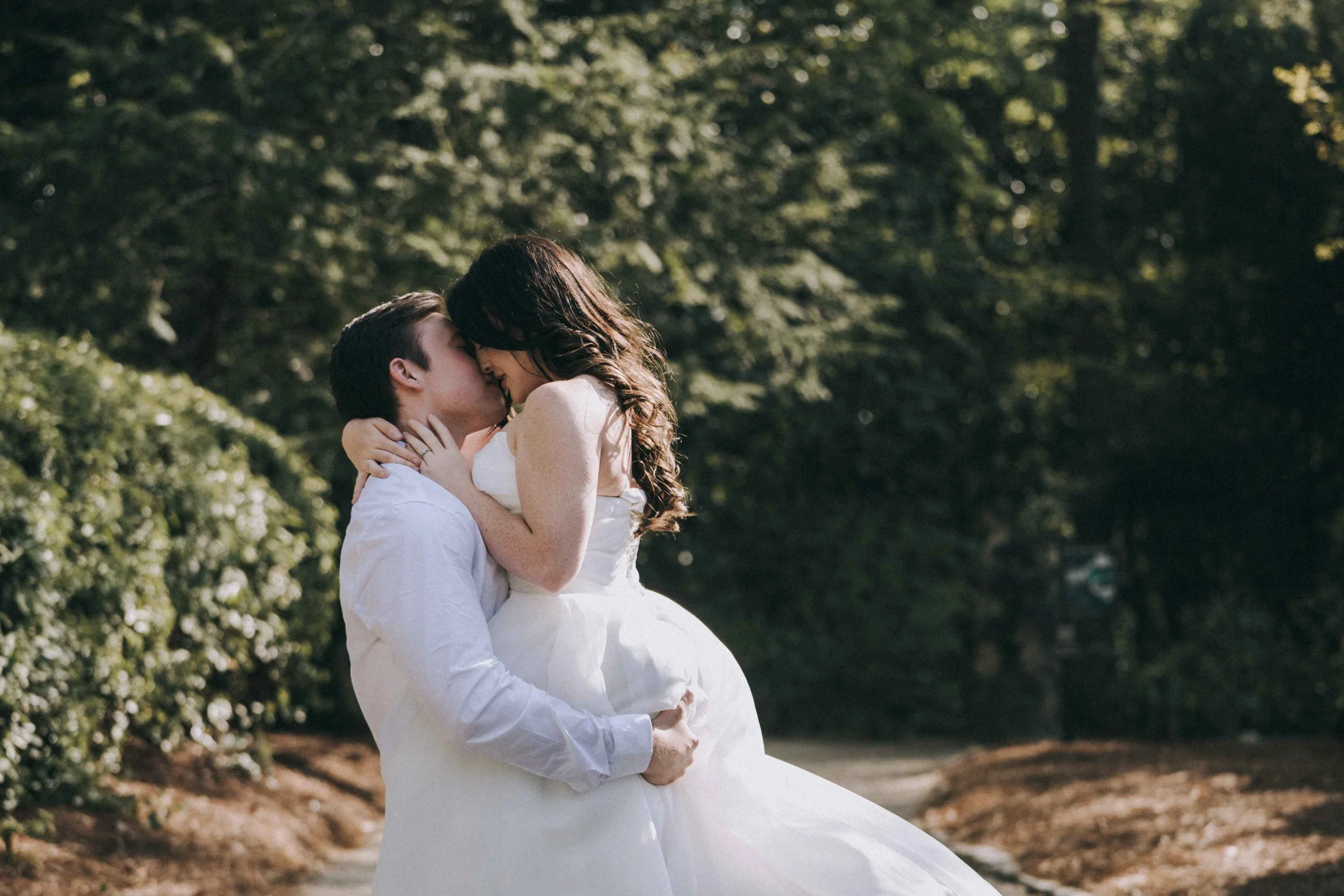
A prenup in Tagaytay is not introduced; it is entered.
Arrival happens through ascent. Curving highways tighten, roadside pullouts interrupt momentum, and stepping out of the car means leaning slightly into wind that cuts across open edges. Posture changes immediately. Shoulders draw inward. Attention lifts outward toward space rather than forward toward schedule. The place begins shaping timing before any direction is given.
I respond to that shift rather than correcting it. I watch how Tagaytay pulls people closer together as wind presses across the ridge, how silence settles when fog thickens, how patience replaces urgency as bodies adjust to altitude. The invitation is felt in movement slowing and focus narrowing on its own.
The Descent
Once the camera lifts, Tagaytay itself begins feeding the scene.
Wind moves unevenly along the ridge, flattening fabric one moment and releasing it the next. Trees bend at different angles depending on exposure, and distant traffic hums far below, softened by elevation. Fog advances and retreats in sheets, turning backgrounds on and off without warning. Timing belongs to the environment, not the clock.
Direction becomes minimal because it has to. Light arrives late and leaves early. Visibility dictates framing. When the lake disappears completely, the frame tightens. When it briefly returns, the scene opens just enough to hold it. The place is already composing, and the work becomes responsive rather than directive.
The Scene
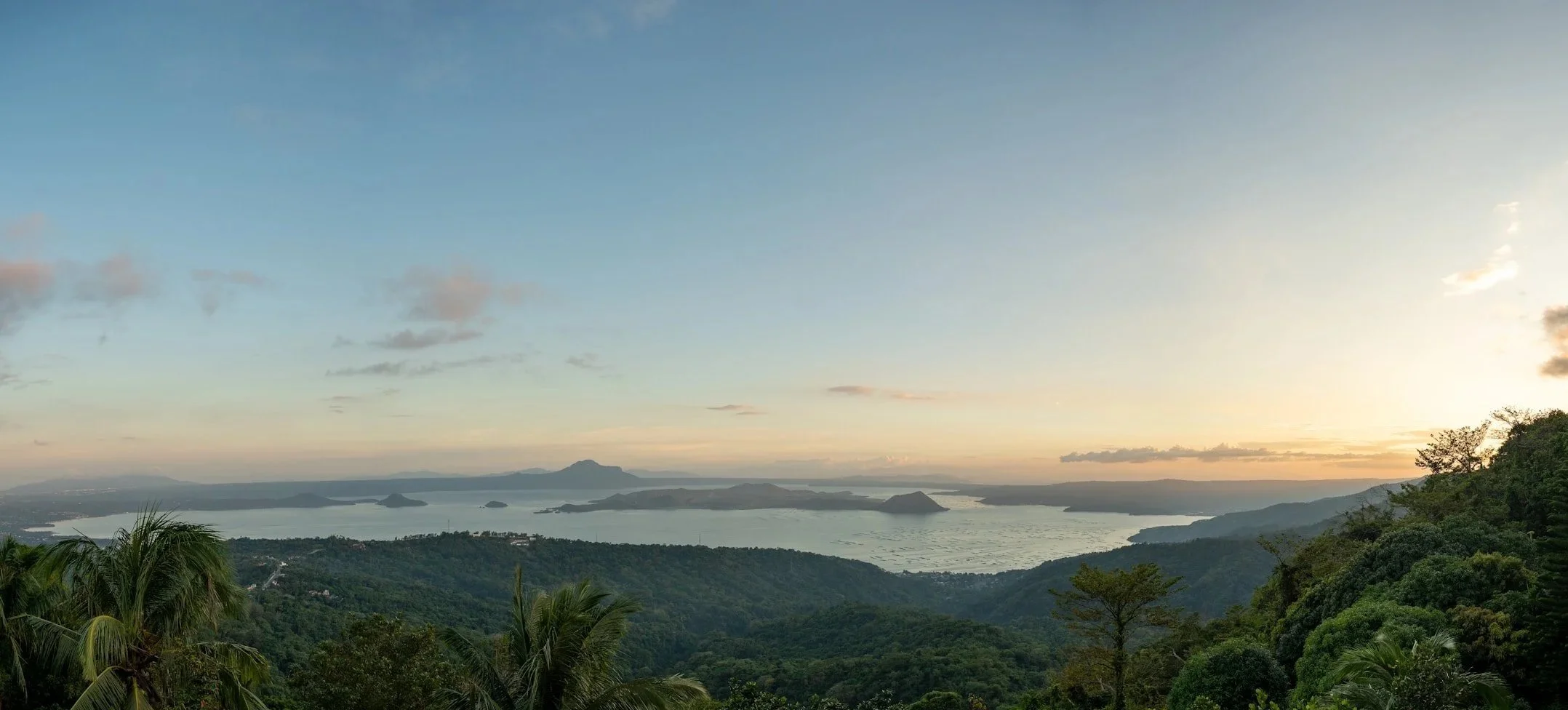
Location: Tagaytay — elevated ridge roads overlooking Taal Lake and its volcanic island.
The sequence begins with partial visibility. The lake appears in fragments as fog pulls back just enough to expose water, then closes again. Pavement stays damp underfoot, and shoes scrape softly as footing adjusts near the edge. Wind presses clothing flat, then loosens it as clouds shift overhead.
As Tagaytay cycles through concealment and reveal, the scene simplifies itself. The volcanic island below fades, returns briefly, then dissolves again. Sound thins as traffic drops away and breath replaces everything else. Proximity changes without instruction because the environment demands it. By the final frames, nothing extraneous survives, just posture, distance, and altitude held briefly before the fog resets the landscape.

What It Actually Feels Like
A full-day cinematic prenup, shaped around light, movement, and rest. The day flows between moments of shooting and pauses for travel, wardrobe changes, and resets—without pressure or rushing.
You’ll receive 60-80 hand-edited digital stills, shaped through light and atmosphere into a visual memory. The experience may unfold in one setting or move across multiple locations and days, allowing contrast and progression without breaking the feeling of the story.
For motion, a 6–12-minute film can be added, drawn from the same moments as the stills.
The Way a Scene Finds Its Shape
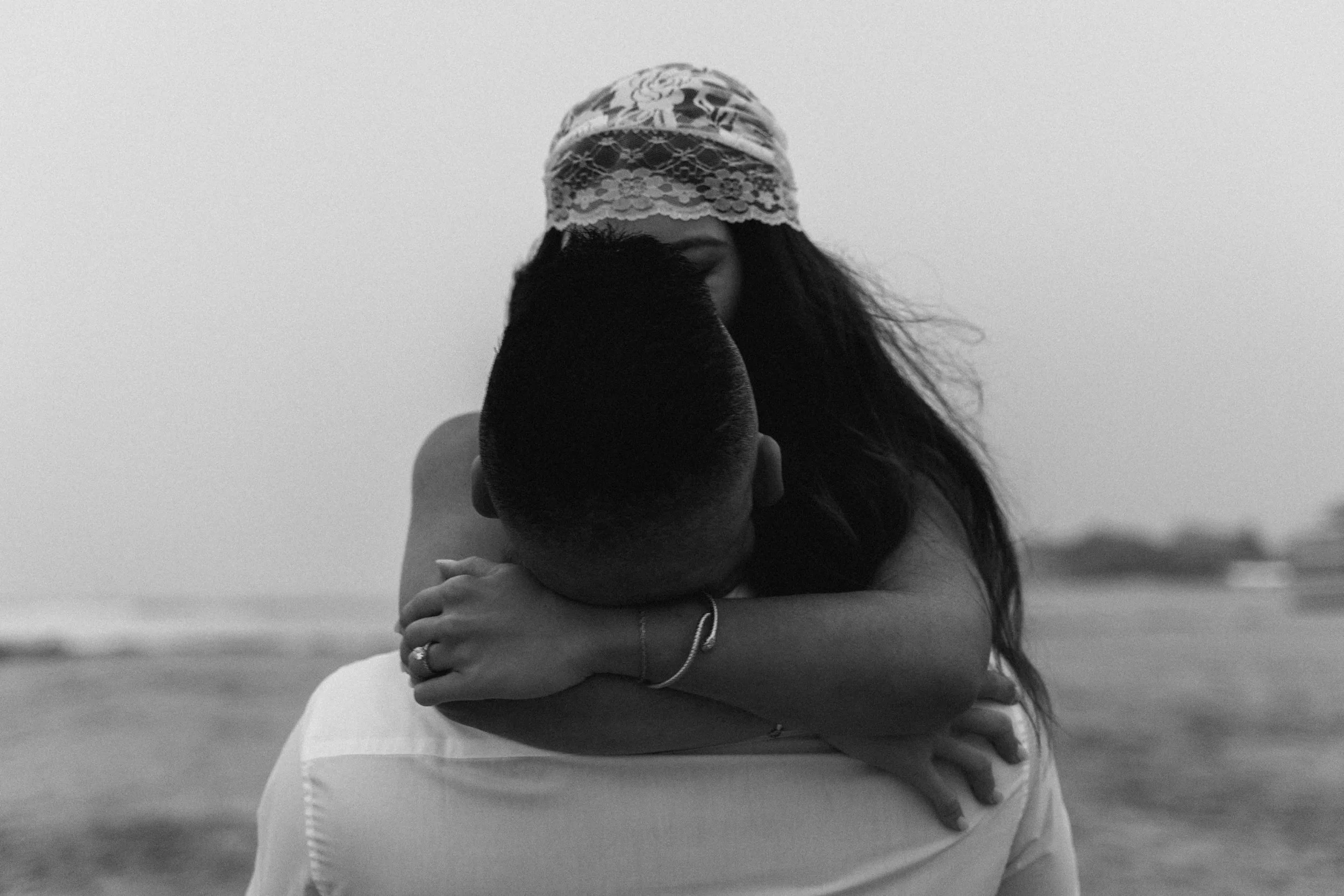
I do not impose a plan on Tagaytay; I adapt to it.
Crowds appear and vanish as traffic patterns shift, fog erases backgrounds without warning, and access points open or close depending on visibility. These constraints are not obstacles; they are structure. When clarity appears, I hold it briefly. When the environment tightens, the frame tightens with it. The result is not production but response, a scene shaped by elevation, weather, and timing, held just long enough to become memory.
About Me
I am Caz Isaiah — a Fragmented Memories photographer, shaping cinema from unscripted moments and the atmosphere around you. My work lives in the space between direction and intuition: the pull of weather, the shift of light, the breath before something real appears. Nothing posed, nothing forced — just scenes that feel lived and held with intention.
