
Busan Couples Photographer
Caz Isaiah | where a Busan Couples Photographer turns films and stills into drifting tide-lit fragments shaped by shoreline wind and city glow
Busan Couples Photographer
Caz Isaiah | where a Busan Couples Photographer turns films and stills into drifting tide-lit fragments shaped by shoreline wind and city glow
Before the Scene Begins
Before anything opens in Busan, there’s the sound — waves folding against the sand, a ship horn drifting from the harbor, the softened murmur of a city caught between sea and mountain. I’m not here to arrange every gesture, and I’m not here to disappear. I work in the space between. What follows isn’t a checklist; it’s a pulse — how a day shifts when it becomes cinema, when motion and stillness begin speaking the same language.

The Invitation
Walking into the lens in Busan feels like stepping into a slowed tide. The breeze carries salt and warmth. Light glances off glass towers and scatters across the water. One moment you’re simply moving; the next, the world hushes around you. Your gestures are your own — how you walk, how you lean closer, how the shoreline reacts to you. When a moment sharpens — a pocket of wind lifting your hair, a corner of shade beneath a pier, a glimmer of reflection along damp sand — I guide you into it. Not staging. Not choreographing. Just aligning you with what the coast is already offering.
The Descent
Once the camera rises, details begin threading themselves through the frame: gulls circling above, the rhythm of your footsteps on wooden planks, distant conversations rolling across the shoreline. You keep moving naturally, and I follow the energy you’re generating. When Busan gives us something rare — the glint of a fishing boat’s lantern, a gust of wind that shifts fabric at the right moment, the soft echo beneath a sea bridge — I anchor the scene with subtle guidance. A pause. A glance. A breath before the tide pulls back. Time dilates, and the film becomes a space you inhabit rather than something performed.
The Scene
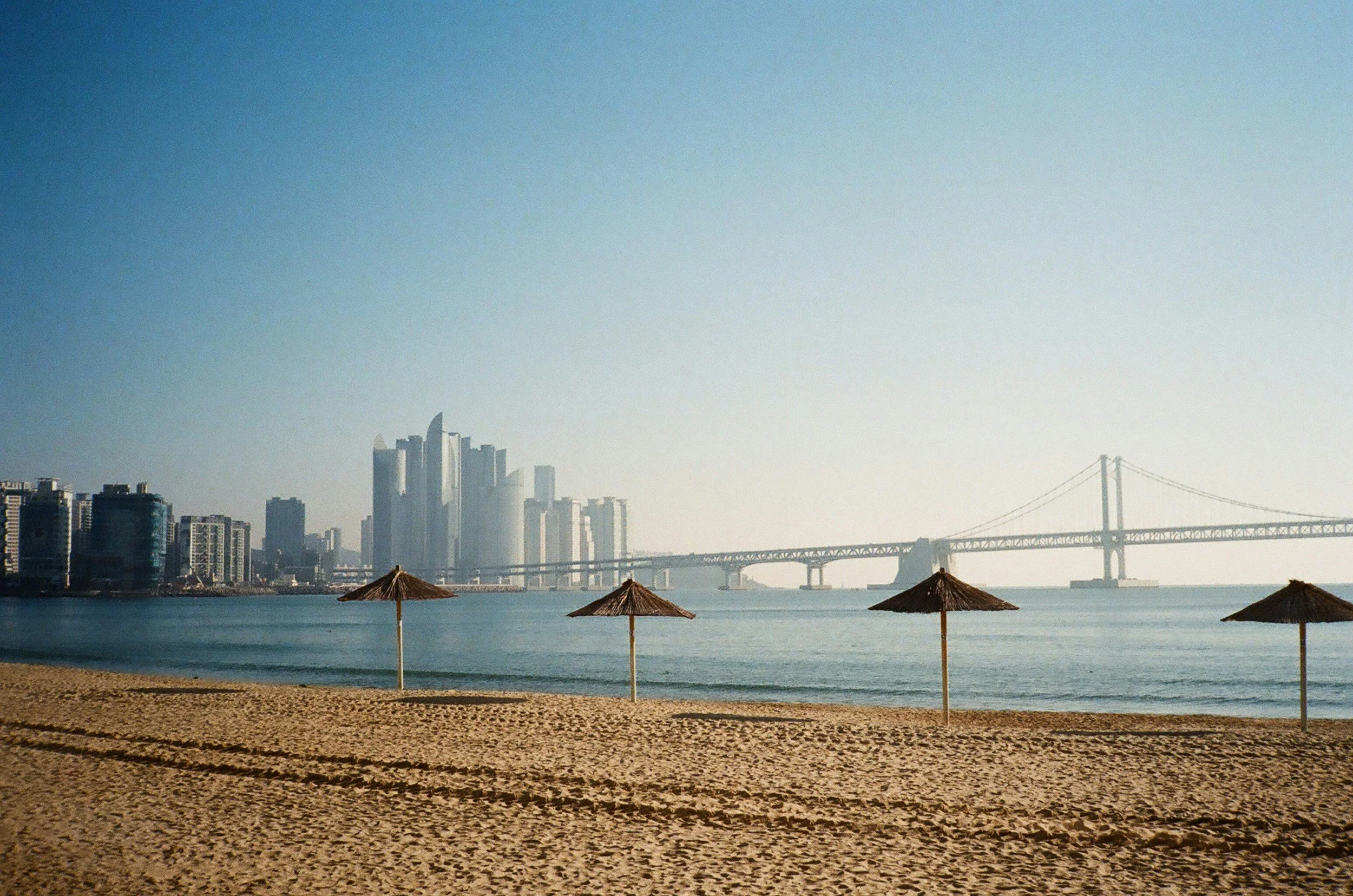
Location: Busan’s shoreline at dusk, where the sea holds the last light like a secret.
It begins on a wide stretch of sand near Gwangalli, the ocean folding in slow, deliberate strokes. The sky leans toward blue-grey, its edges rimmed with gold. You walk close to the tide, your silhouettes framed by the faint shimmer rising from the surface. The first fragment forms in how the water curls around your feet — quiet, unforced, waiting.
A fishing boat drifts in the distance, its lantern flickering as the waves tremble beneath it. You turn toward each other, moving as though the moment is choosing you rather than the other way around. The camera moves closer. Wind lifts strands of hair and sends them across your shoulders, a subtle choreography created by the shoreline itself.
As dusk deepens, the bridge lights ignite behind you — long bands of color stretching across the bay. Your shapes blur slightly against the brightness, softening into something almost dreamlike. You step into the shallow water, letting the tide wrap around your ankles, then rise. The world quiets except for the sea, steady and patient.
The final shot drifts backward as the waves pull in again, dissolving your outlines into grain, glow, and motion. Nothing ends; the light simply slips away, leaving behind a memory that belongs only to this coast.
What It Actually Feels Like
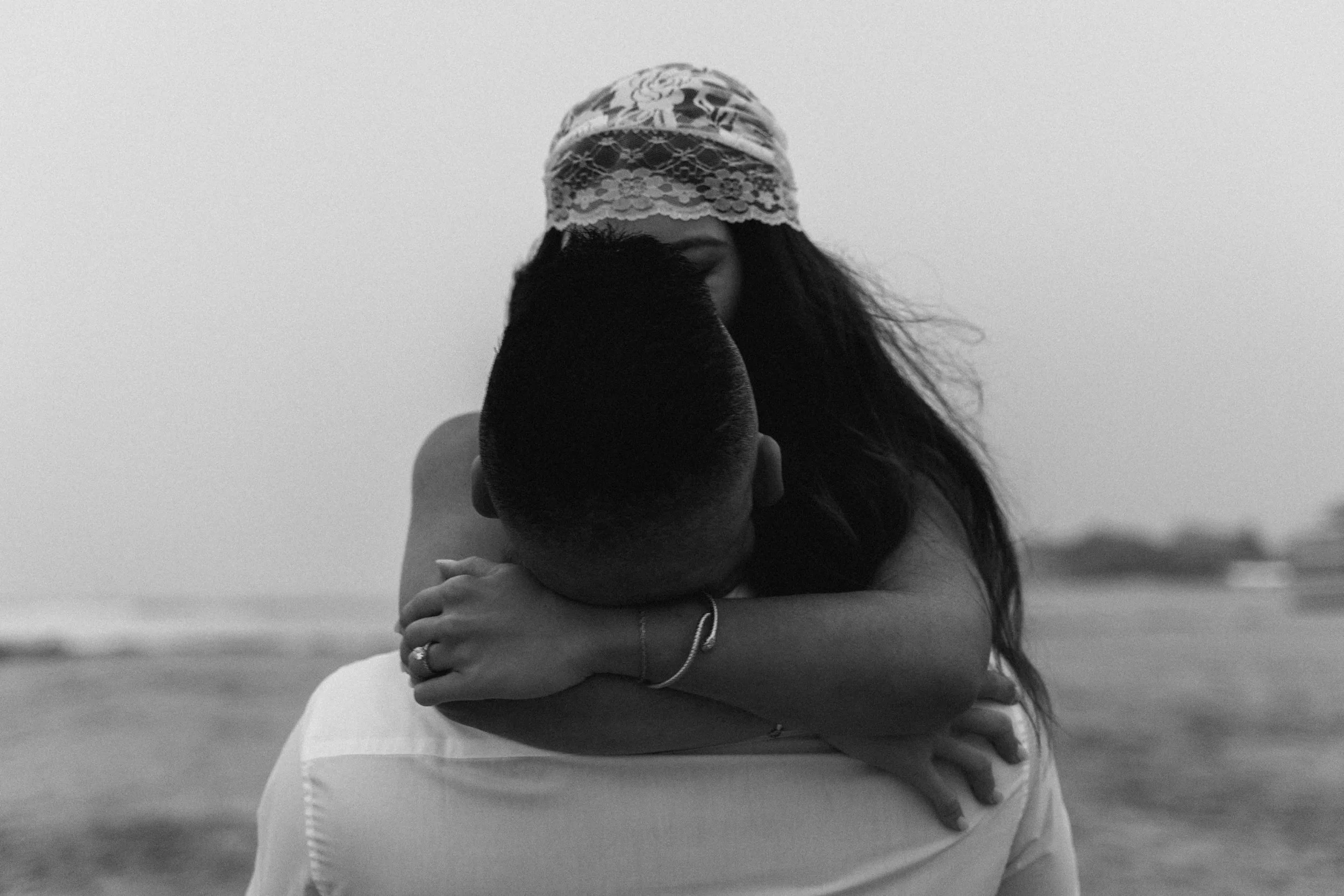
You’ll receive 40–50 hand-edited stills, shaped through light and atmosphere into a visual memory. The experience may unfold in one setting or move across multiple locations and days, allowing contrast and progression without breaking the feeling of the story.
For motion, a 6–12-minute film can be added, drawn from the same moments as the stills.
The Way a Scene Finds Its Shape
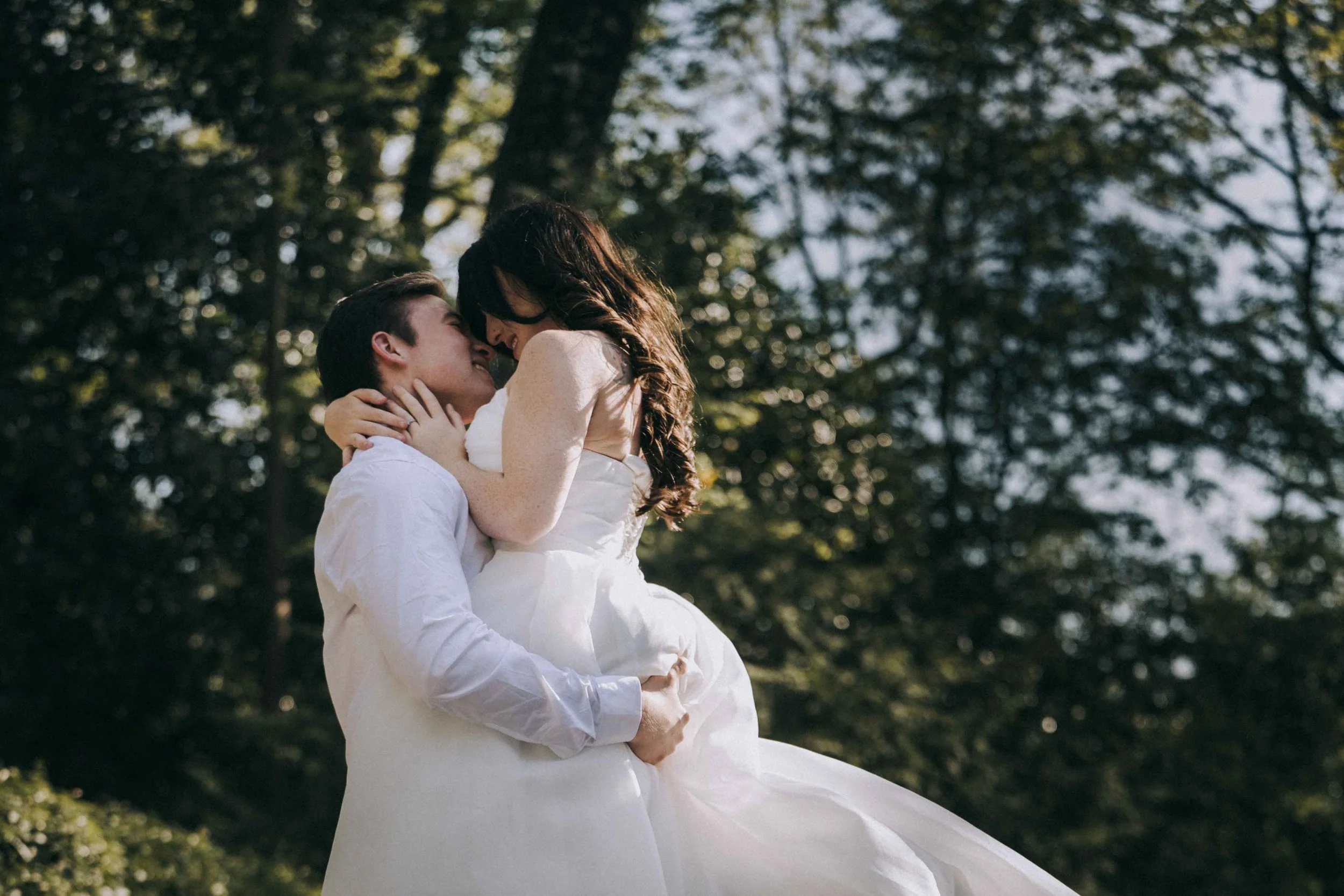
In Busan, the scene forms from the smallest shifts: a gust threading through a pier, a reflection trembling across wet sand, the warmth of your hands against the cool air. You move naturally, and when the light or texture sharpens into something worth holding, I give just enough direction to anchor it. Not posing. Not choreography. Just instinct and presence. The sea adds the rest — sound, motion, the steady pull of water shaping each frame. What remains is not a session but a fleeting memory, held long enough to be remembered.
About Me
I am Caz Isaiah — a Fragmented Memories couples photographer, shaping cinema from unscripted moments and the atmosphere around you. My work lives in the space between direction and intuition: the pull of weather, the shift of light, the breath before something real appears. Nothing posed, nothing forced — just scenes that feel lived and held with intention.
You can explore more on my About Me page.
