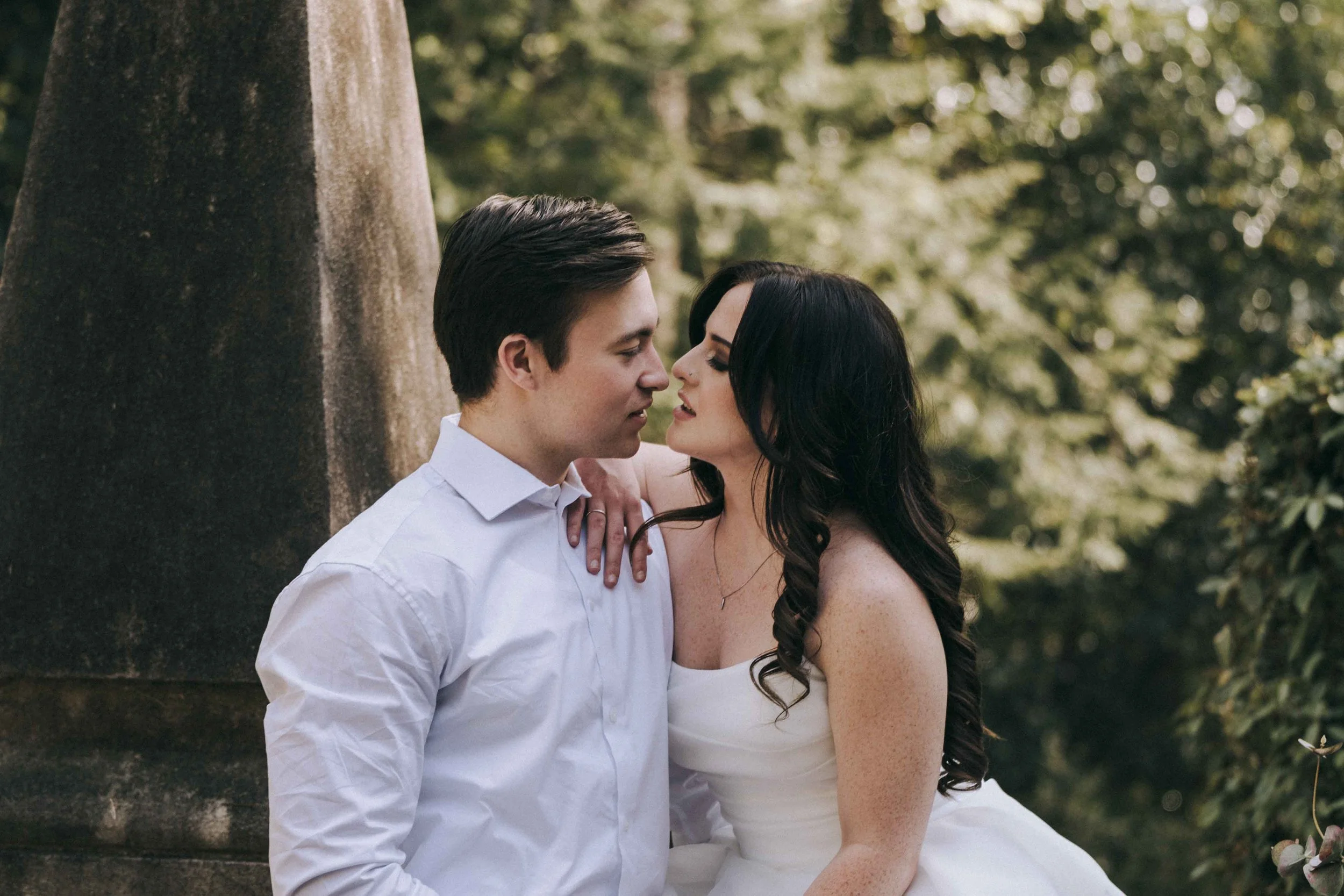
Camiguin Prenup Photographer
Caz Isaiah | Stills and films traced across lava fields, jungle roads, and open shoreline as your Camiguin Prenup Photographer.
Camiguin Prenup Photographer
Caz Isaiah | Stills and films traced across lava fields, jungle roads, and open shoreline as your Camiguin Prenup Photographer.
Before the Scene Begins
Some places do not rush you forward; they ask you to slow until your breathing matches the land.
I have learned to read island mornings in the Philippines by how the road empties after sunrise and how heat gathers softly rather than sharply. In Camiguin, movement begins early or not at all. The air stays heavy near the ground, and motorcycles pass in long gaps, not clusters. You feel it immediately, the way time stretches between moments. This is not a place that rewards urgency.
I arrive attentive to that rhythm, watching how clouds cling to the slopes of Hibok-Hibok and how locals step aside without hurry. The camera stays lowered longer here. The scene waits for itself.
THE INVITATION
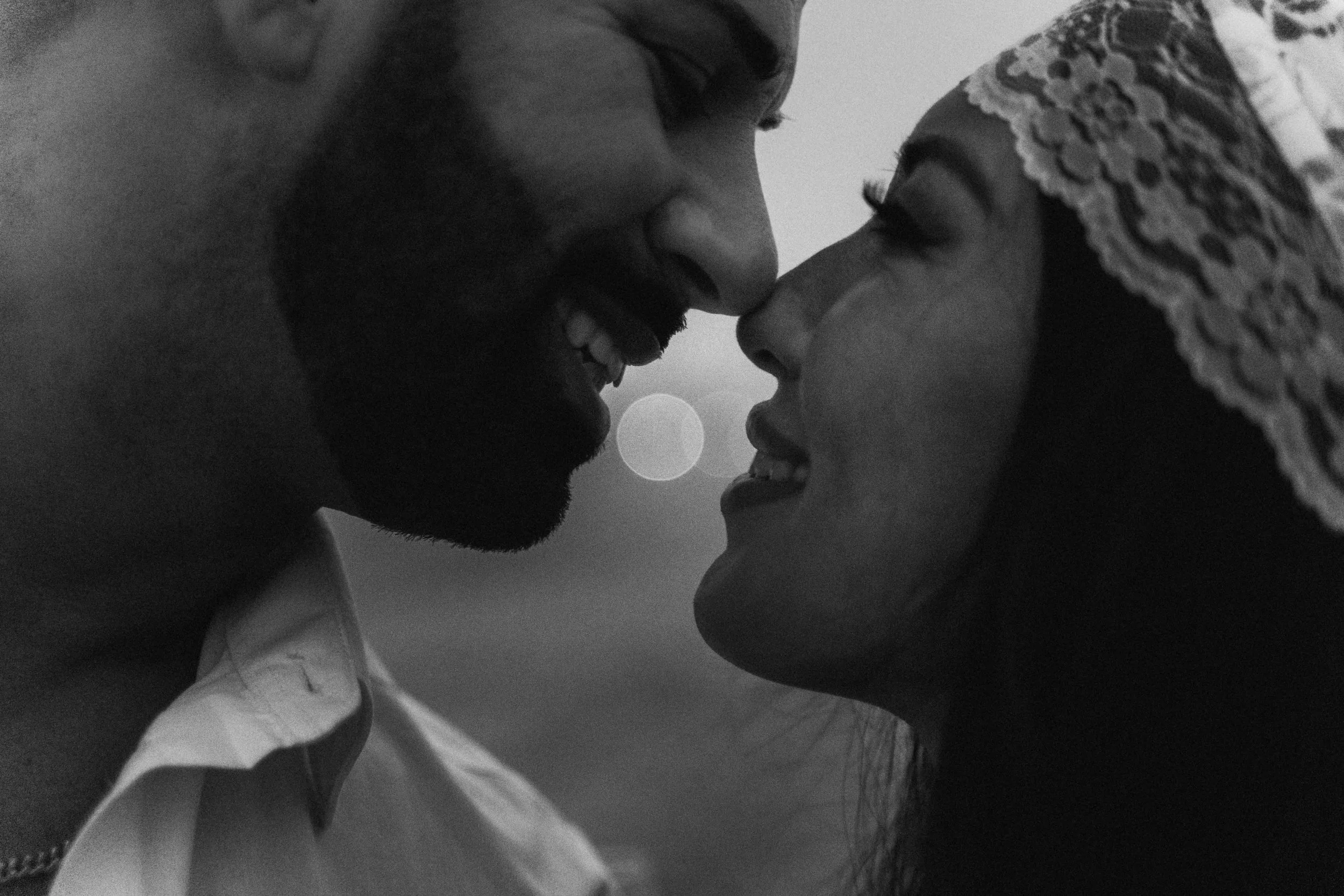
A prenup in Camiguin is entered by crossing water first. The ferry ride narrows the world until only the island remains, rising with dark green edges and volcanic contours that never fully smooth out. Arrival is quiet.
Tricycles idle. Footsteps slow on concrete warmed by early sun. As you move inland, the road curves tightly, hugging the coastline before lifting into shade. Your posture changes without instruction. Shoulders drop. Steps shorten. Camiguin influences attention by removing noise, not by adding spectacle.
I respond to how you pause at roadside viewpoints and how your gaze keeps returning to the horizon. We move when the island allows it, adjusting pace to passing clouds and the steady hum of cicadas that swell and fade without warning.
THE DESCENT
Once the camera lifts, Camiguin begins offering details that cannot be staged. The soundscape shifts constantly, from wind moving through banana leaves to distant surf breaking against black stone.
Timing is dictated by temperature and incline. Midday heat presses down, slowing everything, while late afternoon opens narrow windows where motion feels possible again. Direction becomes minimal. I may gesture toward a line of lava rock or a patch of filtered shade, but the island does most of the work. Footing matters here.
Paths are uneven, soil soft in places, sharp in others. The scene forms as you navigate those surfaces together, adjusting balance, stopping when breath demands it. Each still and film segment emerges from that negotiation between body and ground.
The Scene
Location: Camiguin — the volcanic shoulder above the old lava flow, where jungle growth breaks against exposed stone.
The sequence begins with you standing at the edge of hardened black rock, the surface still uneven decades later. Behind you, the slope drops toward the sea, partially hidden by drifting mist.
Camiguin reveals itself in layers rather than wide gestures. As we move along the ridge, the light shifts repeatedly, clouds passing low enough to change contrast every few minutes. You walk slowly, hands brushing against each other as the path narrows. Further along, the terrain softens into soil and fallen leaves, damp from earlier rain that never fully dries here. We pause near a lone tree shaped by constant coastal wind, its branches leaning inland. Camiguin appears again through sound, the distant echo of waves meeting rock far below.
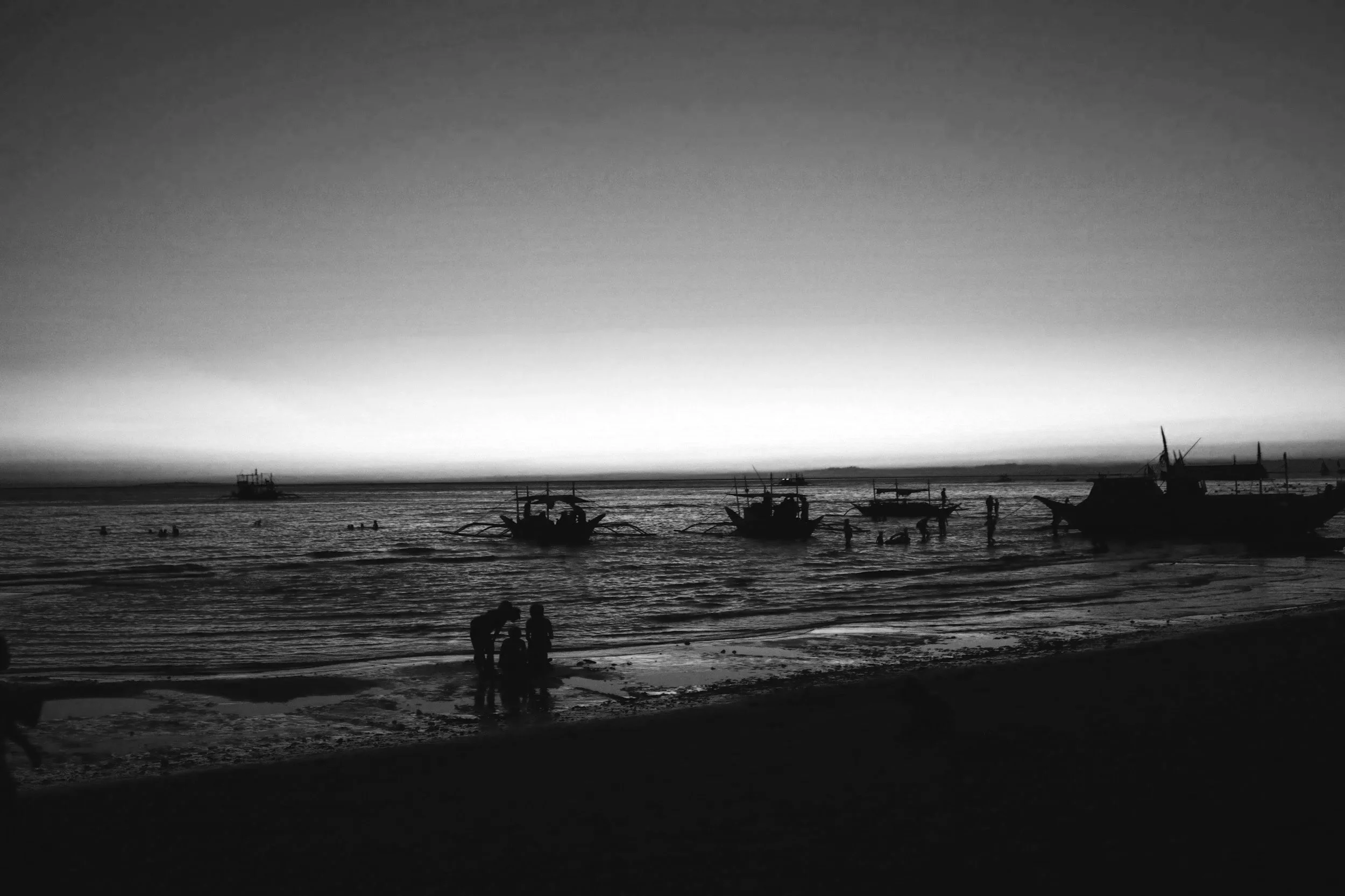
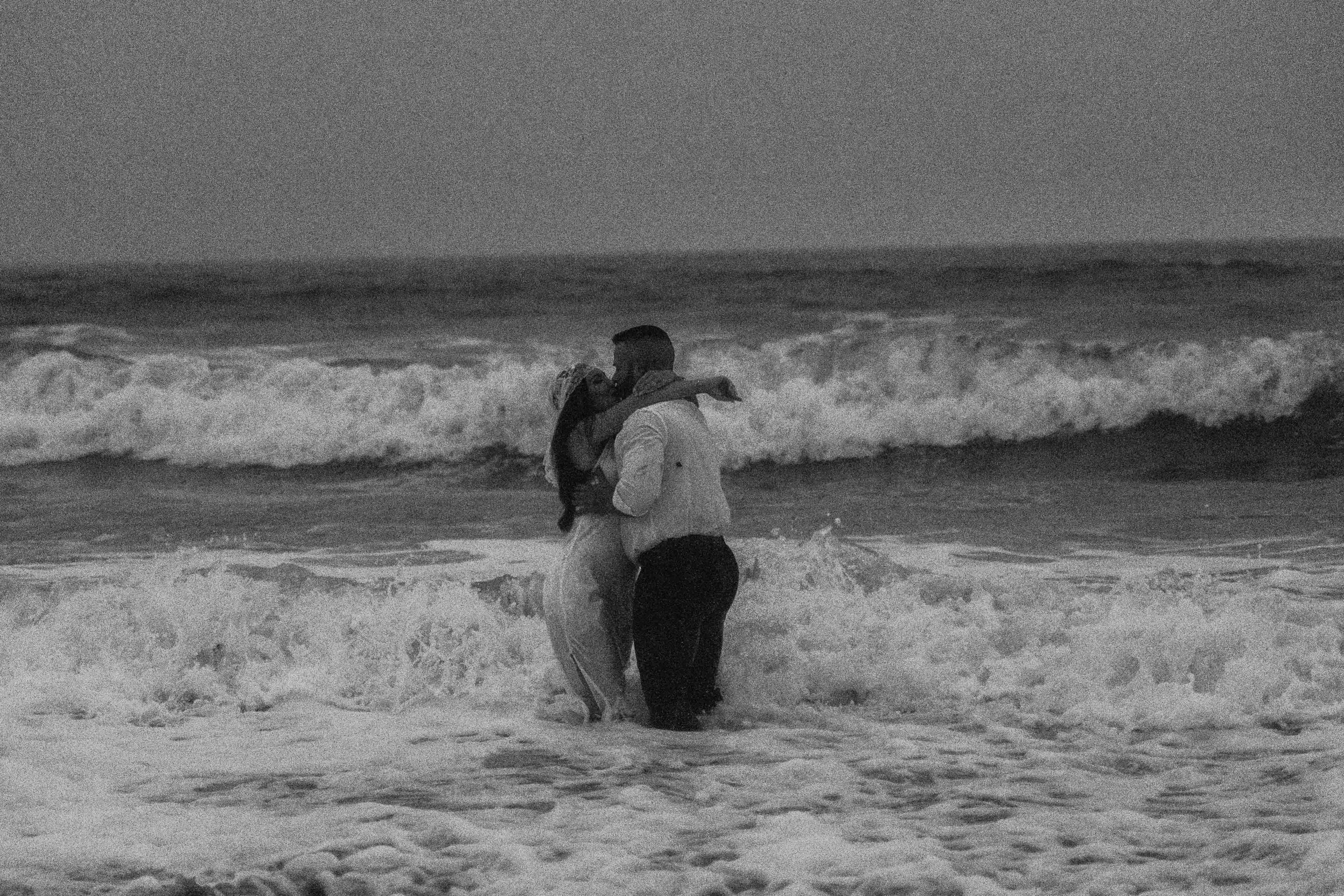
As the sun lowers, color deepens rather than brightens, and the island grows quieter. The scene closes near the shoreline, where water meets stone without sand, the tide pulling back in long, deliberate motions. This sequence could only happen here because Camiguin refuses smooth transitions.
What It Actually Feels Like
A full-day cinematic prenup, shaped around light, movement, and rest. The day flows between moments of shooting and pauses for travel, wardrobe changes, and resets—without pressure or rushing.
You’ll receive 60-80 hand-edited digital stills, shaped through light and atmosphere into a visual memory. The experience may unfold in one setting or move across multiple locations and days, allowing contrast and progression without breaking the feeling of the story.
For motion, a 6–12-minute film can be added, drawn from the same moments as the stills.

The Way a Scene Finds Its Shape
Working in Camiguin requires yielding to constraint. Roads loop rather than cut through. Weather changes without warning. Heat limits how long any sequence can run. I adapt by listening more than directing, letting clouds determine contrast and letting terrain decide where we stop.
If rain begins, we wait under cover without forcing continuation. If light disappears behind the volcano, we accept the shadow and work within it. This responsiveness allows each still to stand complete, shaped by the exact conditions present at that moment. Films unfold as extensions of those frames, not as performances but as records of movement through a living landscape.
Camiguin offers gifts only when met patiently, and the work takes its final shape by honoring that exchange rather than resisting it.
About Me
I am Caz Isaiah — a Fragmented Memories photographer, shaping cinema from unscripted moments and the atmosphere around you. My work lives in the space between direction and intuition: the pull of weather, the shift of light, the breath before something real appears. Nothing posed, nothing forced — just scenes that feel lived and held with intention.
