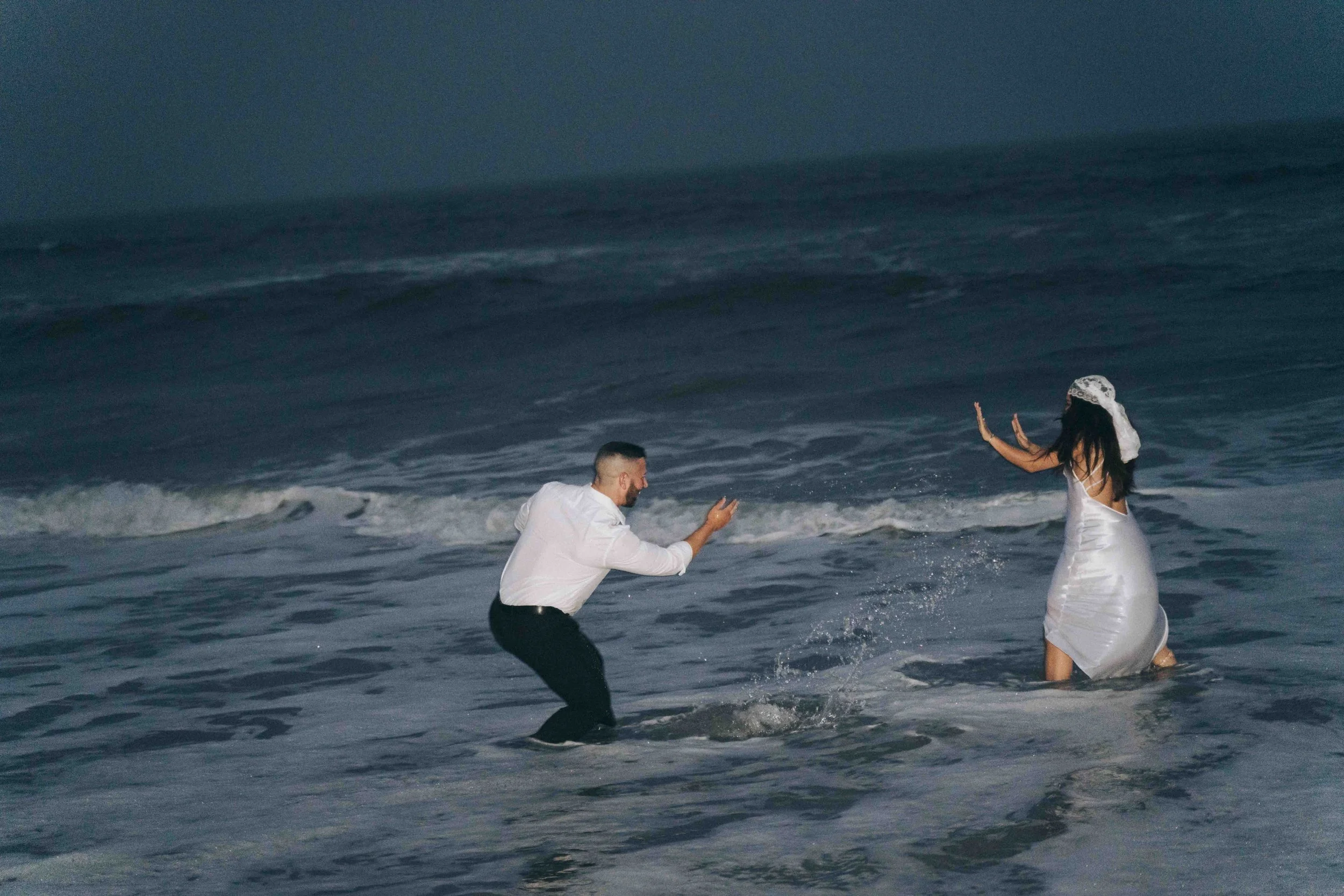
Zambales Prenup Photographer
Caz Isaiah | Cinematic stills and films shaped by shoreline, wind, and open distance as a Zambales Prenup Photographer
Zambales Prenup Photographer
Caz Isaiah | Cinematic stills and films shaped by shoreline, wind, and open distance as a Zambales Prenup Photographer
Before the Scene Begins
There is a moment when movement slows because the space around you demands it.
I have learned the cadence of the western Luzon coast through watching how people wait, walk, and listen long before they speak. In Zambales, mornings open quietly, with tricycles passing one at a time and the wind arriving before the sun clears the horizon. The land stretches wide here, and nothing rushes to fill it. You feel it in how footsteps naturally widen on sand, how shoulders lower when the road straightens, how pauses become longer without effort. I stay close to this rhythm, letting the place set the tempo rather than forcing one into it.
The work begins not when the camera rises, but when your presence aligns with how Zambales moves through the day.
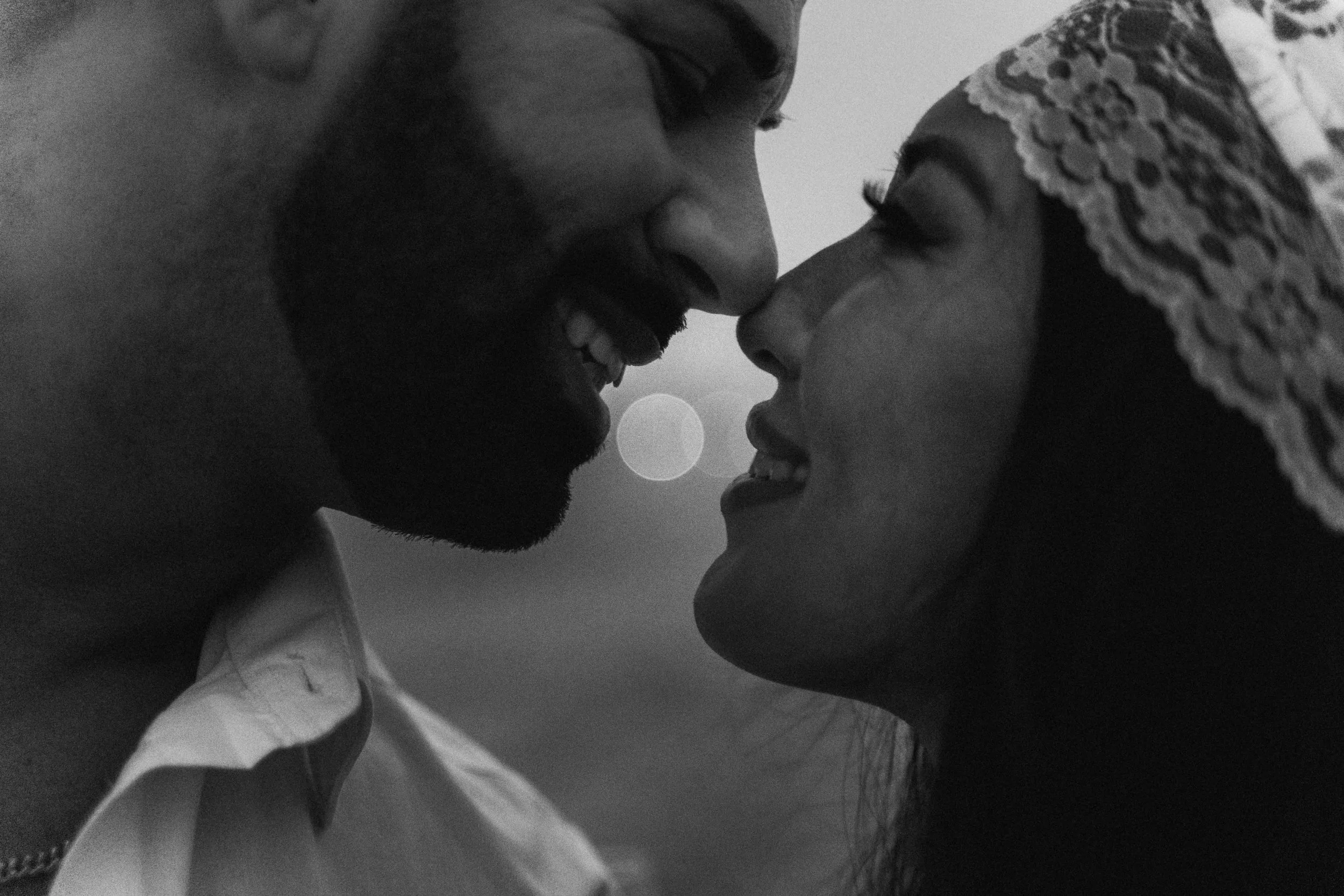
THE INVITATION
A prenup in Zambales is not introduced — it is entered. The approach comes by long highway, with mountains on one side and the West Philippine Sea opening slowly on the other. Vehicles thin out as you leave busier routes, and movement becomes deliberate rather than reactive.
People here walk with awareness of space, adjusting their pace to wind, heat, and distance between structures. As you step onto open shoreline or gravel paths leading inland, posture changes without instruction. The environment pulls attention outward, toward horizon lines and open sky rather than inward conversation. I follow that shift, responding to how Zambales encourages stillness between steps and space between gestures. The place does not frame you tightly; it allows you to exist fully within it.
THE DESCENT
Once the camera lifts, Zambales begins feeding the scene through texture and sound rather than spectacle. Waves arrive unevenly along the coast, breaking harder in some sections and flattening into glass just a few steps away. Wind moves constantly, brushing across skin and fabric in short, persistent passes.
Timing adjusts to this behavior, not to a plan. We wait for the surf to pull back before stepping forward, or for cloud cover to soften the heat coming off the sand. Direction stays minimal because the land offers its own cues — where footing feels secure, where light settles, where the background opens cleanly.
The rhythm of Zambales decides when moments happen, and the camera stays ready rather than insistent.
The Scene
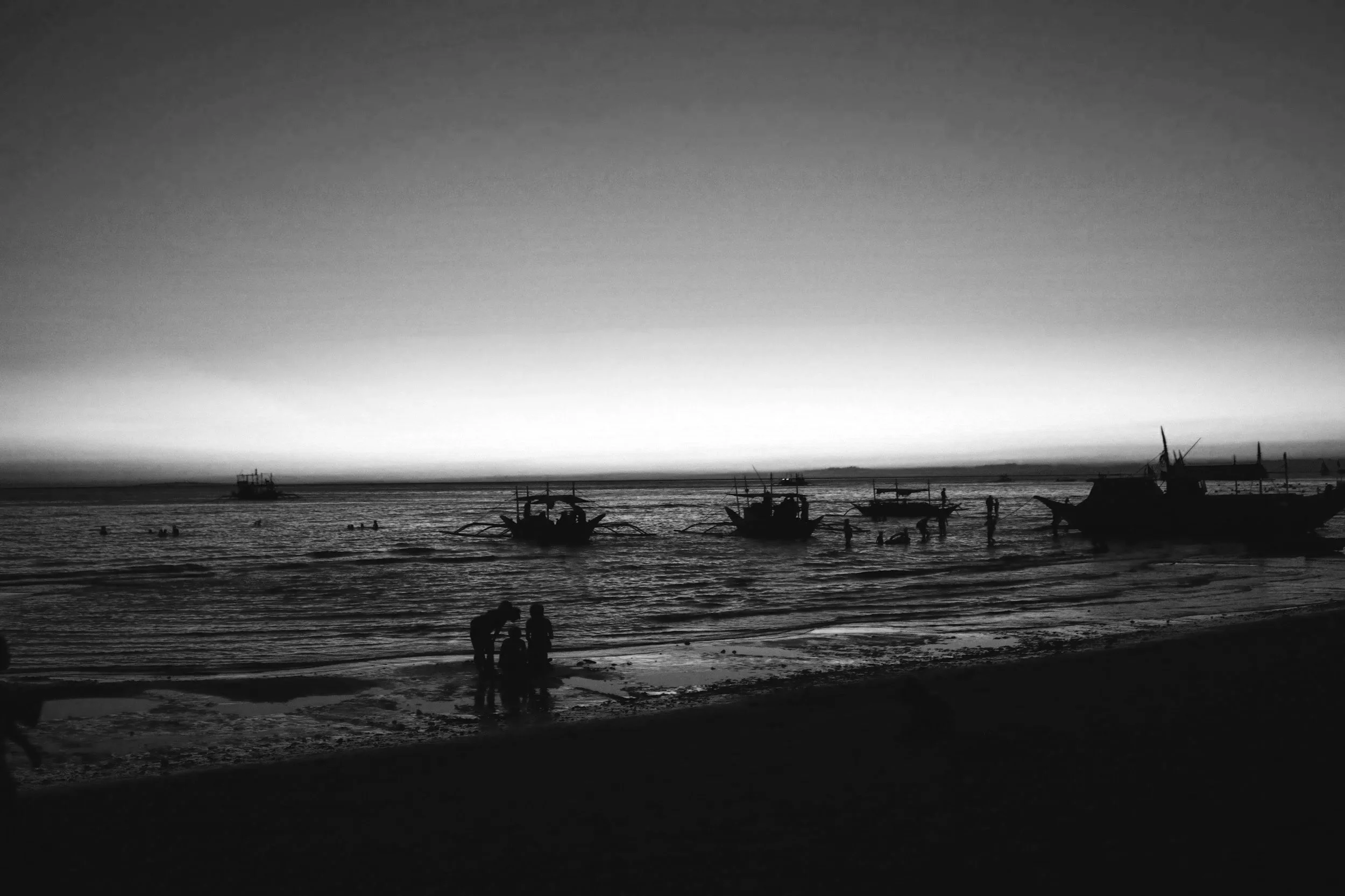
Location: Zambales — the open shoreline where coarse sand meets long, wind-driven waves under an unbroken western horizon.
The sequence begins with distance. You walk along the waterline where the sand darkens from moisture, leaving shallow impressions that disappear within seconds.
The wind presses steadily from the sea, shaping movement and slowing gestures without resistance. Farther inland, low vegetation and scattered trees interrupt the flatness, creating pockets of shade that briefly cool the air. In Zambales, the light shifts gradually rather than dramatically, moving from sharp brightness into a muted, reflective glow as afternoon stretches toward evening. We move between exposed shoreline and these quieter inland breaks, letting the environment change the tone naturally.
As the sun lowers, the sea deepens in color and the wind softens, allowing closer framing without urgency. Zambales remains present in every frame, not as backdrop, but as the force guiding when distance closes and when it stays open.
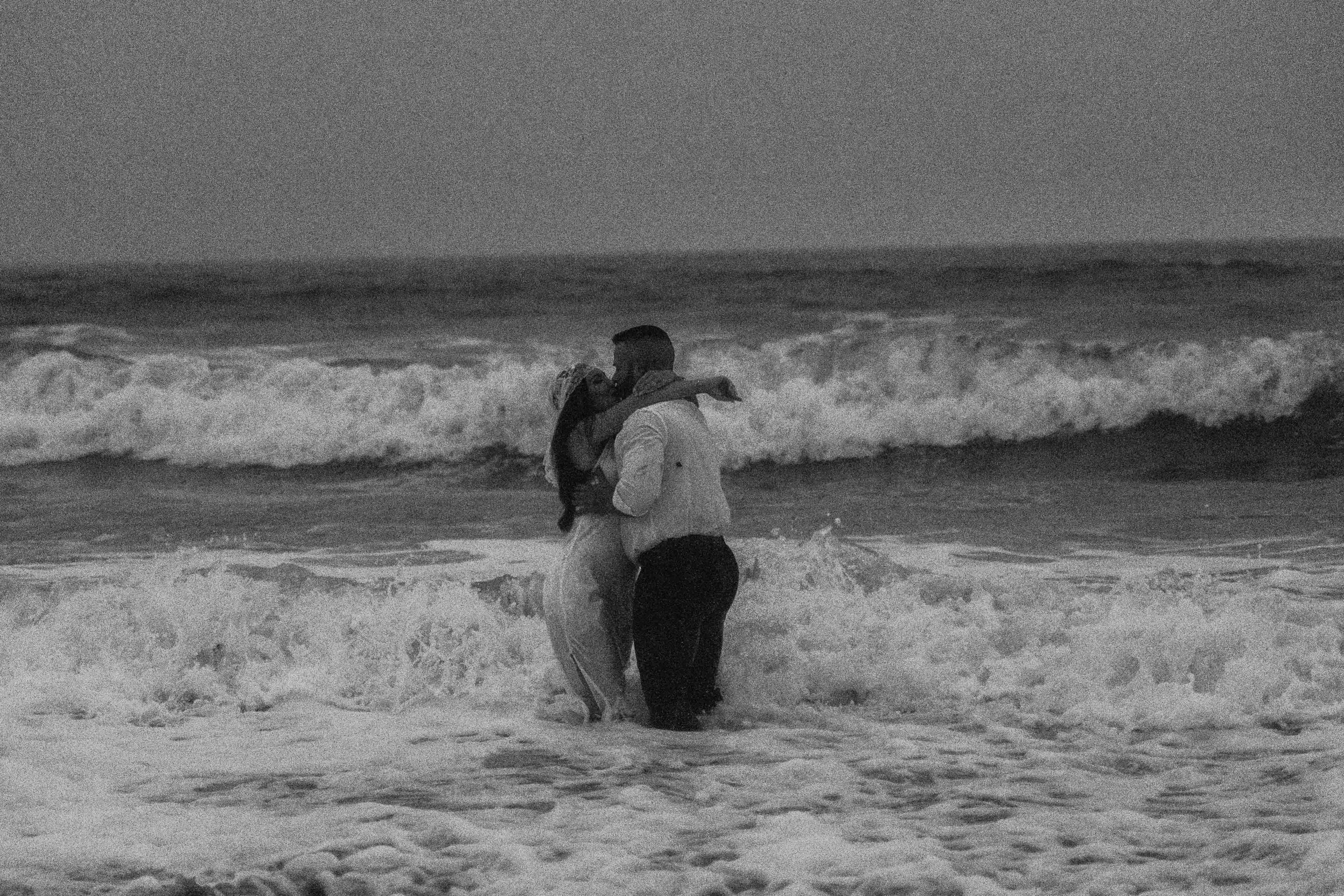
What It Actually Feels Like
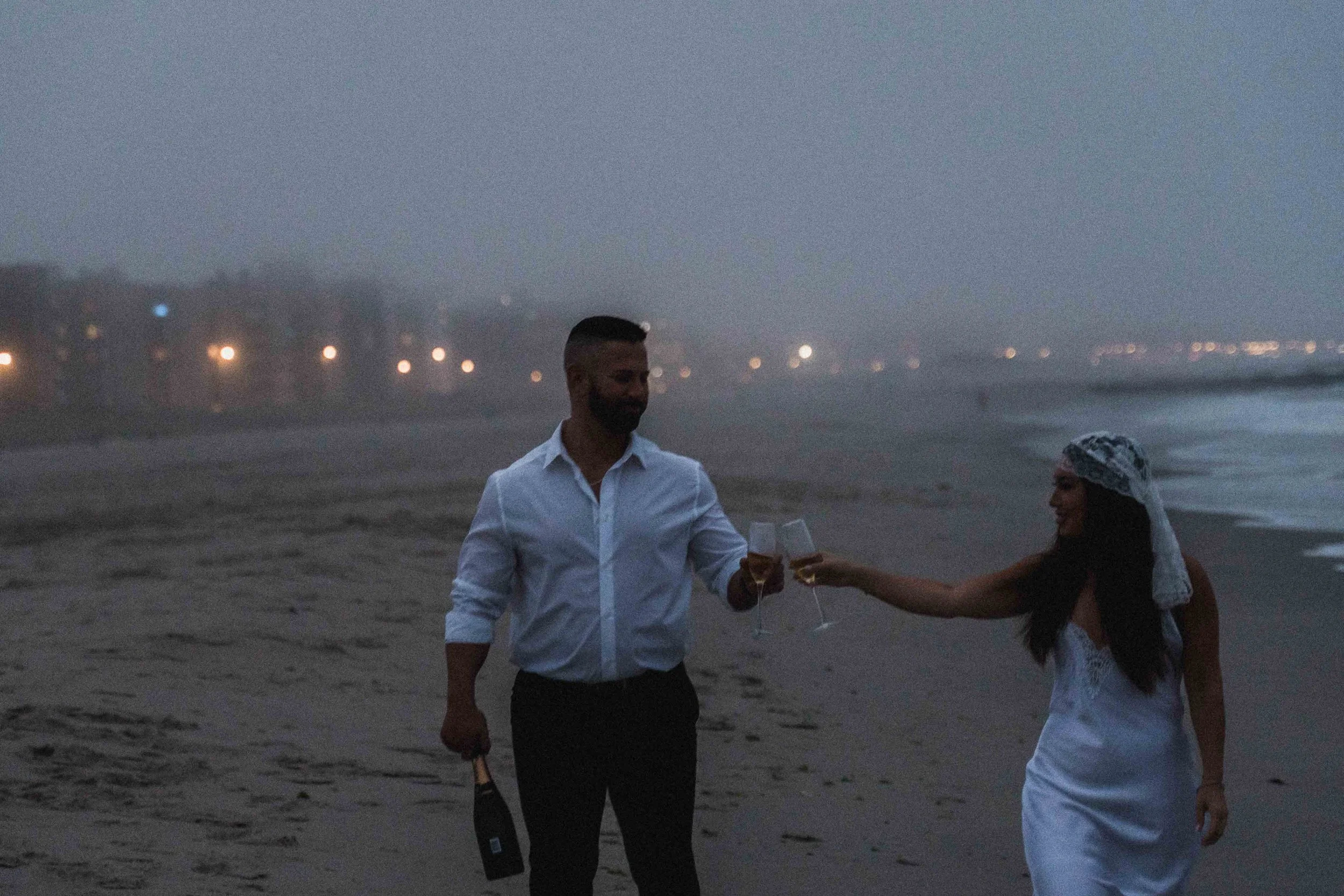
A full-day cinematic prenup, shaped around light, movement, and rest. The day flows between moments of shooting and pauses for travel, wardrobe changes, and resets—without pressure or rushing.
You’ll receive 60-80 hand-edited digital stills, shaped through light and atmosphere into a visual memory. The experience may unfold in one setting or move across multiple locations and days, allowing contrast and progression without breaking the feeling of the story.
For motion, a 6–12-minute film can be added, drawn from the same moments as the stills.
The Way a Scene Finds Its Shape
Working in Zambales requires adaptability rooted in observation. Heat rises quickly once the sun climbs, so pacing adjusts to conserve energy and attention.
Wind rarely stops entirely, which means clothing, hair, and posture are always in dialogue with the environment. I do not override these conditions; I respond to them. If the shoreline becomes too active, we step inland where movement slows and sound dampens. If the light flattens briefly, we wait, letting clouds or angle restore depth. Shooting here changes how decisions are made, favoring patience over momentum. Stills are captured as complete frames, each one standing on its own without reliance on sequence.
Film flows alongside them, shaped by the same wind, distance, and restraint. The result is work that feels inseparable from Zambales itself, not produced within it, but formed through it.
About Me
I am Caz Isaiah — a Fragmented Memories photographer, shaping cinema from unscripted moments and the atmosphere around you. My work lives in the space between direction and intuition: the pull of weather, the shift of light, the breath before something real appears. Nothing posed, nothing forced — just scenes that feel lived and held with intention.
