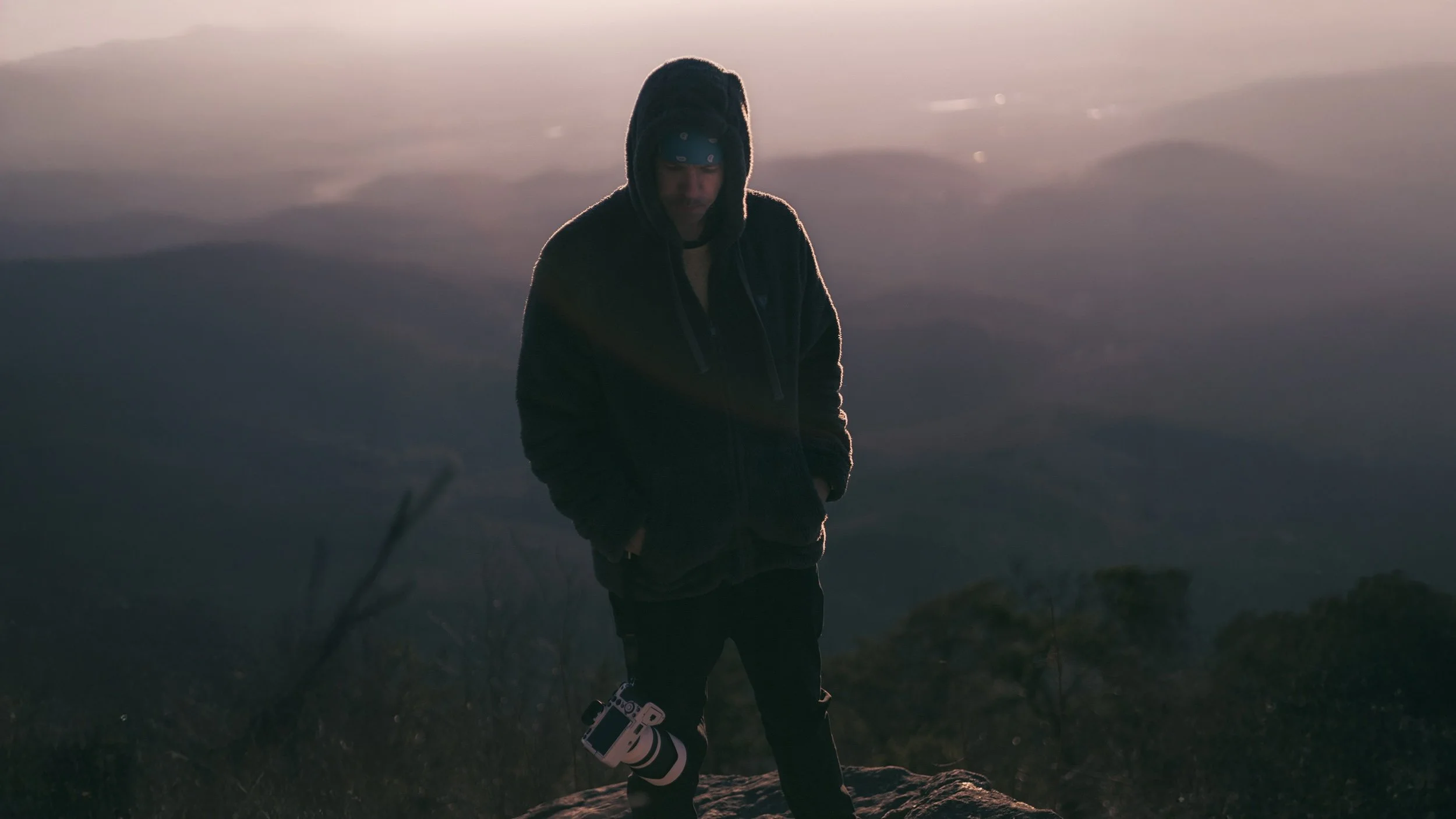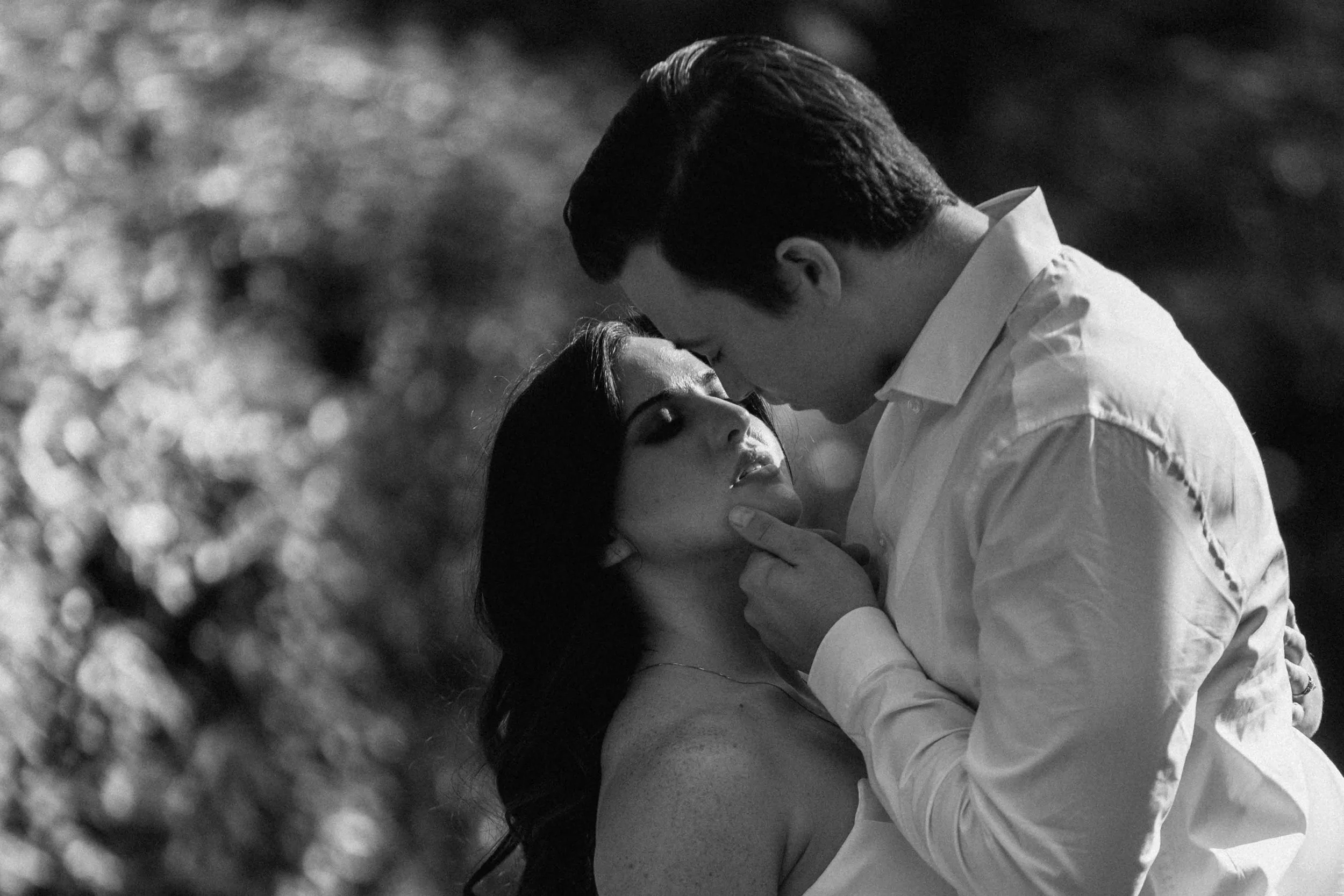
Caramoan Prenup Photographer
Caz Isaiah | Caramoan Prenup Photographer told through stills and films shaped by tides, stone, and remote island movement
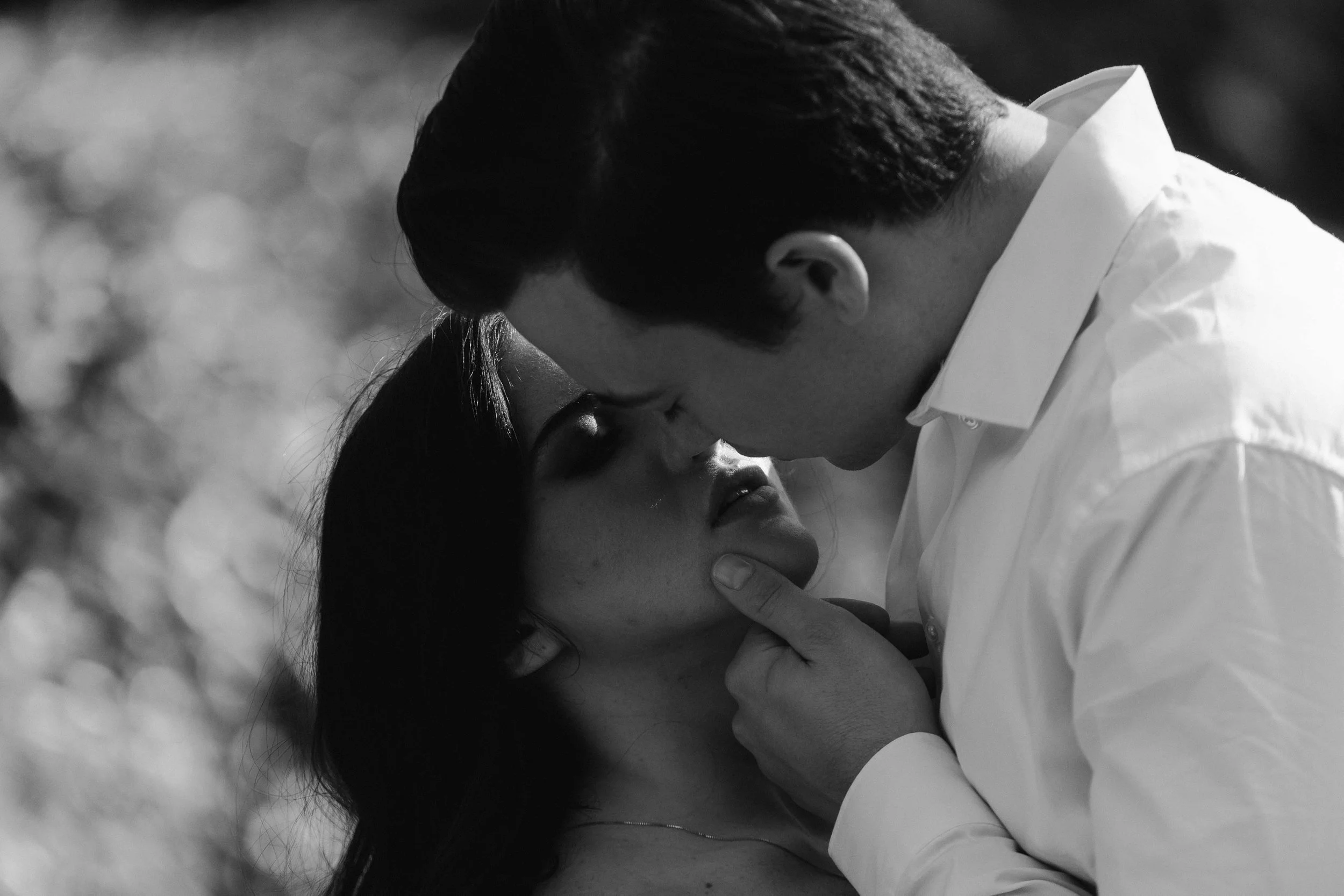
Caramoan Prenup Photographer
Caz Isaiah | Caramoan Prenup Photographer told through stills and films shaped by tides, stone, and remote island movement
Before the Scene Begins
Some places ask you to slow without announcing it.
I have moved through enough Philippine coastlines to recognize when the day will be dictated by boats, tides, and waiting rather than clocks, and Caramoan carries that rhythm immediately.
Here, time does not begin when you arrive but when the sea allows movement. The shoreline is quiet early, fishermen sorting nets while bancas idle, and the limestone silhouettes remain still until light reveals their edges. In Caramoan, patience is not a concept but a practical requirement, and the scene begins long before a camera is raised.
The Invitation
A prenup in Caramoan is not entered by road alone.
Arrival is layered, passing through small towns, then water, then smaller stretches of sand where boats nose gently into shore. Movement here is dictated by tide tables and fuel checks, by the weight of gear balanced on outriggers, by the need to travel light and deliberately.
As Caramoan opens, posture changes. Steps become careful on wet rock, voices lower inside boats, and attention shifts outward to the waterline and the sky. I respond to this pace by observing first, letting the place set the tempo rather than forcing momentum onto it.
The Descent
Once the camera lifts, Caramoan begins shaping the frame without instruction.
The sound of water against limestone changes as tide pulls back, revealing sharp textures and shallow pools that mirror the sky in broken fragments. Boats idle offshore while waves roll in uneven intervals, never fully predictable, never entirely calm.
Timing is set by exposure. Sun appears and disappears behind passing cloud cover, reflections flare and fade, and movement pauses when the shoreline becomes too slick to cross safely. Direction stays minimal here because Caramoan itself determines when motion can continue and when stillness must be honored.
The Scene
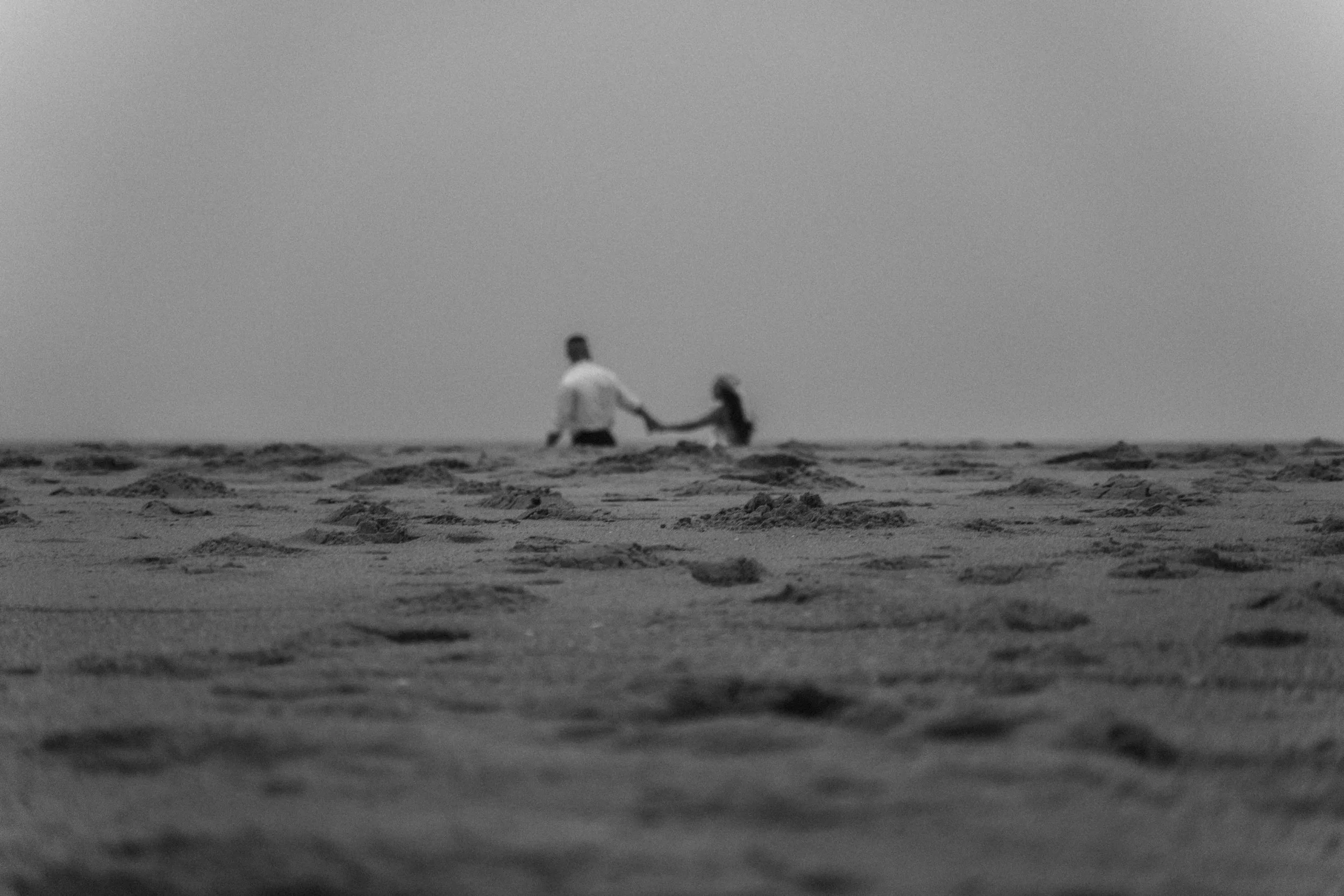
Location: Caramoan — limestone islands rising from shallow tidal flats, accessed by banca and exposed by retreating water.
The sequence begins with a boat cutting its engine near shore, the waterline shallow enough to step into, stones shifting beneath bare feet. As the tide continues to pull away, narrow sandbars emerge, connecting small islands temporarily before disappearing again.
In Caramoan, the environment changes quickly. What is reachable at one moment becomes isolated minutes later. Waves slap harder as wind shifts, and the surface of the water darkens without warning. The scene moves from open shoreline to sheltered coves where limestone walls block sound and narrow the frame.
Caramoan appears again inside the sequence through these transitions, through the way the islands compress distance and then release it, creating moments that cannot be repeated once the tide turns.
What It Actually Feels Like
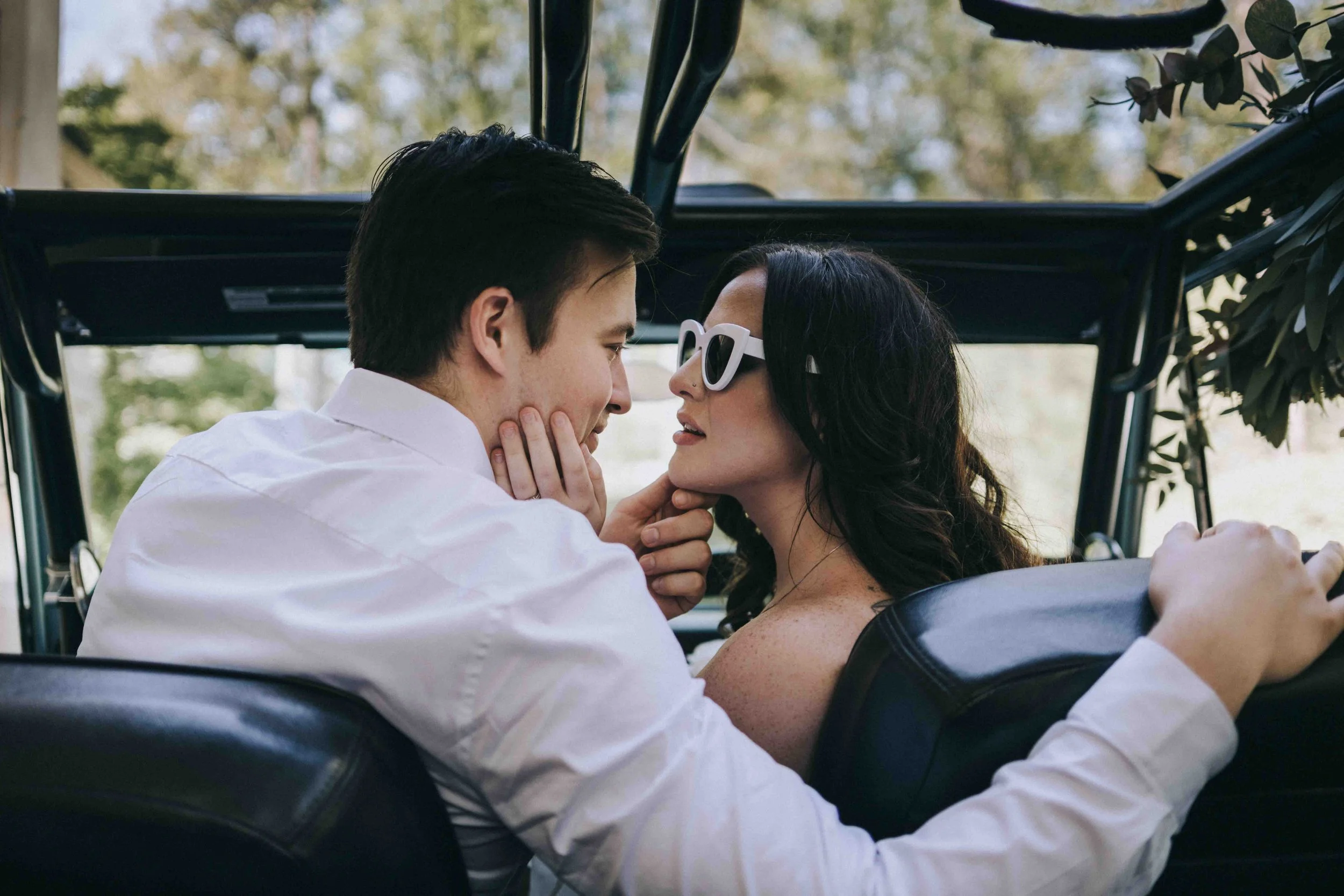
You’ll receive 40–50 hand-edited stills, shaped through light and atmosphere into a visual memory. The experience may unfold in one setting or move across multiple locations and days, allowing contrast and progression without breaking the feeling of the story.
For motion, a 6–12-minute film can be added, drawn from the same moments as the stills.
The Way a Scene Finds Its Shape
Caramoan does not allow rigid planning.
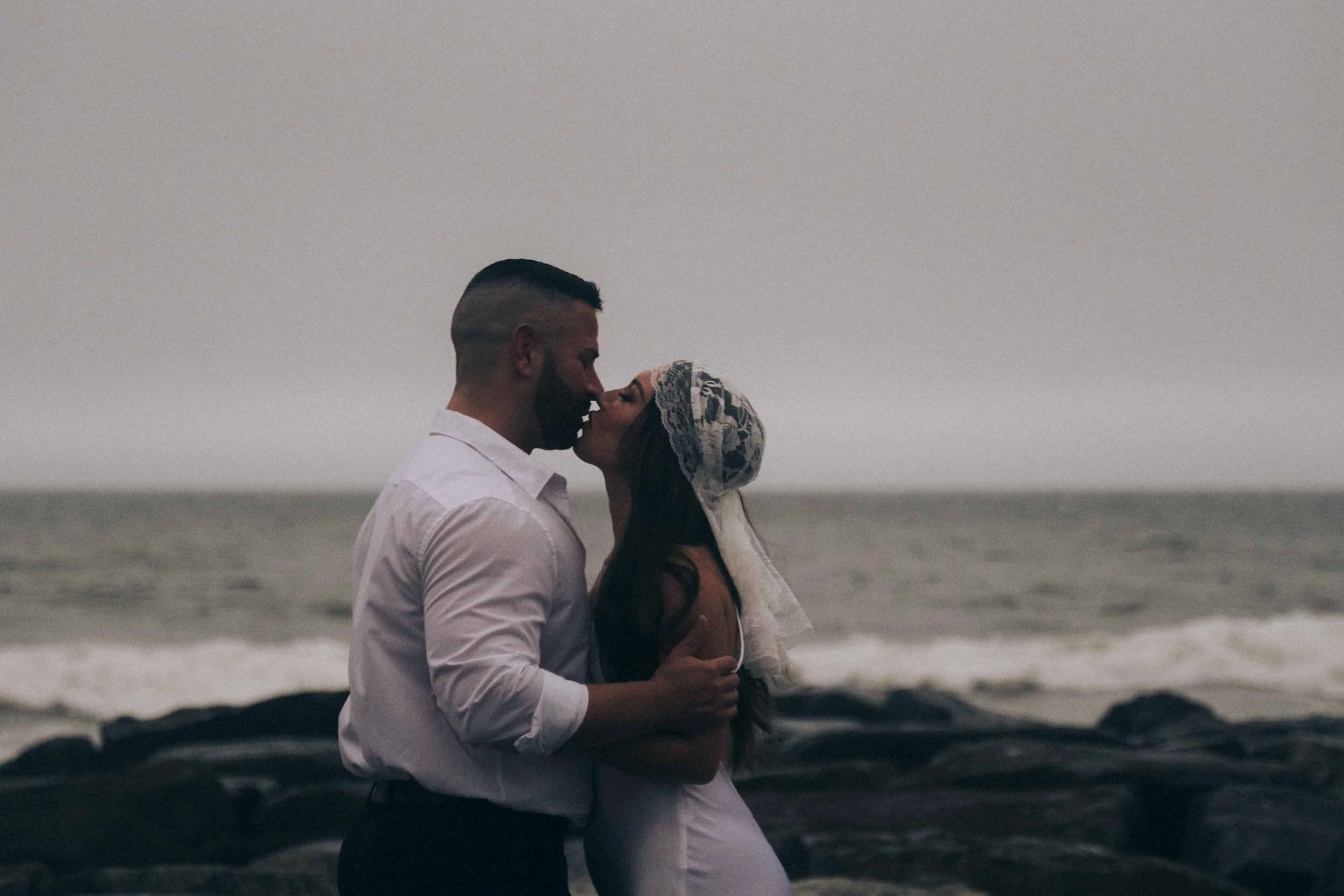
Boat schedules bend to weather, access routes change with the tide, and certain areas demand silence and care rather than direction. I adapt by watching the shoreline, by reading how locals move across rock and water, and by choosing positions that respect both safety and the scene unfolding naturally.
Environmental limits become gifts here. Harsh reflections soften as clouds pass, narrow beaches force closeness, and the constant movement of water introduces pauses that shape stills into complete frames. The work remains responsive, guided by Caramoan’s conditions rather than imposed structure, allowing each image to exist as a finished moment formed by place, timing, and restraint.
About Me
I am Caz Isaiah — a Fragmented Memories photographer, shaping cinema from unscripted moments and the atmosphere around you. My work lives in the space between direction and intuition: the pull of weather, the shift of light, the breath before something real appears. Nothing posed, nothing forced — just scenes that feel lived and held with intention.