Gigantes Islands
Prenup Photographer
Caz Isaiah | Gigantes Islands Prenup Photographer capturing stills and films shaped by tidal movement, island distance, and the raw pace of an exposed sea chain.

Gigantes Islands
Prenup Photographer
Caz Isaiah | Gigantes Islands Prenup Photographer capturing stills and films shaped by tidal movement, island distance, and the raw pace of an exposed sea chain.
Before the Scene Begins
Some places do not welcome rushing, only arrival.
I have learned to move through island regions of the Philippines by listening to boats, tides, and the gaps between departures, letting distance decide when a scene begins.
The Gigantes Islands are not a single destination but a scattered chain, where time stretches between crossings and silence arrives in long intervals between engines and voices.
Here, the ground is limestone and coral, the paths are uneven, and the horizon is broken into fragments that never fully align.
The photographer does not step in front of the place in Gigantes Islands but follows its pauses, waiting for boats to leave, for water to lower, for shade to shift against rock.
The Invitation
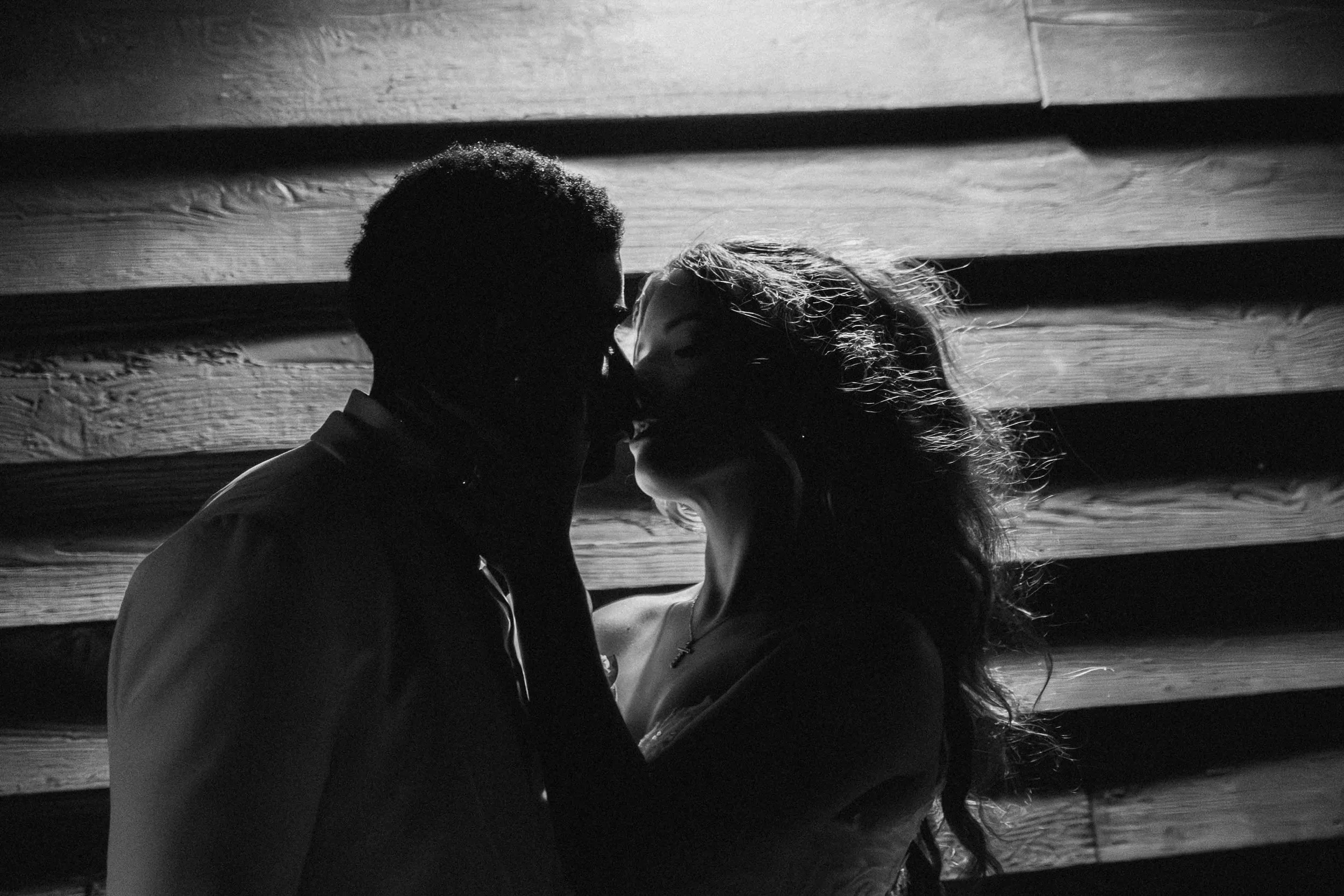
A prenup in the Gigantes Islands is entered by boat, not announced on land.
Arrival begins before shore appears, with long crossings over open water where posture changes as bodies brace against swell and wind.
Movement is slow and deliberate once the boat cuts its engine, shoes are removed, gear is lifted higher, and steps are measured against sharp stone and shifting sand.
In the Gigantes Islands, attention narrows naturally as space opens, couples stand closer together because there is nowhere else to go, no crowds to dissolve into, no streets to disappear down.
I respond to this approach by staying quiet, allowing the distance already traveled to carry weight into the frame.
The Descent
Once the camera lifts, the Gigantes Islands begin directing the scene through sound and surface.
Waves strike rock unevenly, echoing against carved limestone walls, while wind funnels through narrow passages between islets.
Timing follows the tide rather than a clock, scenes pause when water rises too high to cross, then resume when exposed sand reconnects the shoreline.
There is little need to guide movement because the terrain decides it, where footing is safe, where balance must be tested, where stillness becomes necessary.
In the Gigantes Islands, the environment performs first, and the camera listens.
The Scene
Location: Gigantes Islands — jagged limestone shores exposed between tides, with shallow channels cutting through coral flats.
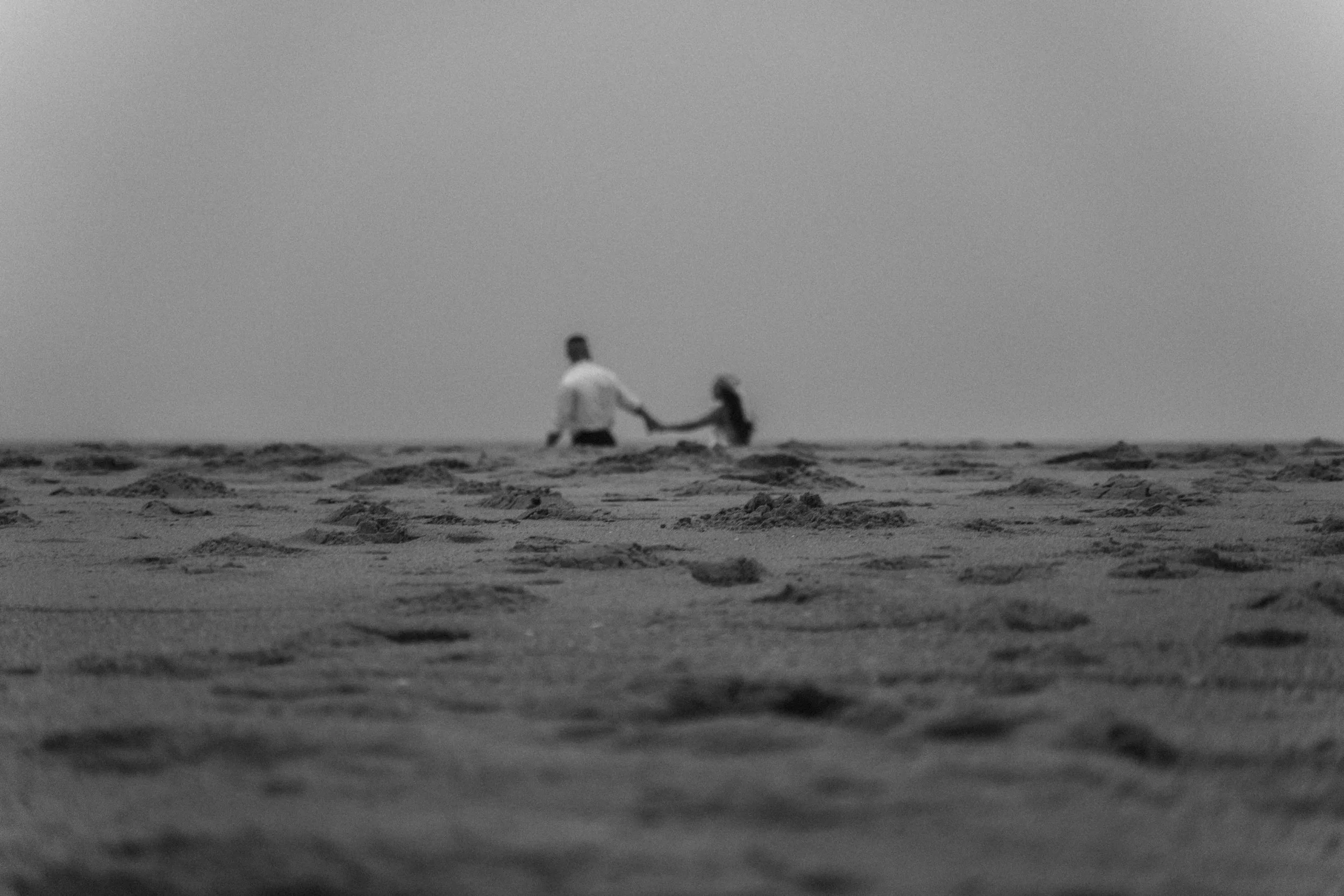
The sequence begins as the tide pulls back, revealing textured rock and wet sand that reflect light unevenly beneath cloud cover.
A couple moves carefully along the edge of an islet, hands connected not for display but for balance, adjusting their pace as waves return in unpredictable sets.
As water rises again, the Gigantes Islands compress the scene, forcing a pause against rock walls where wind carries voices away before they settle.
Later, as boats idle in the distance and shadows stretch across the limestone, the environment shifts once more, allowing space to open and movement to resume.
This sequence could only occur in the Gigantes Islands, where land appears and disappears within the same hour.
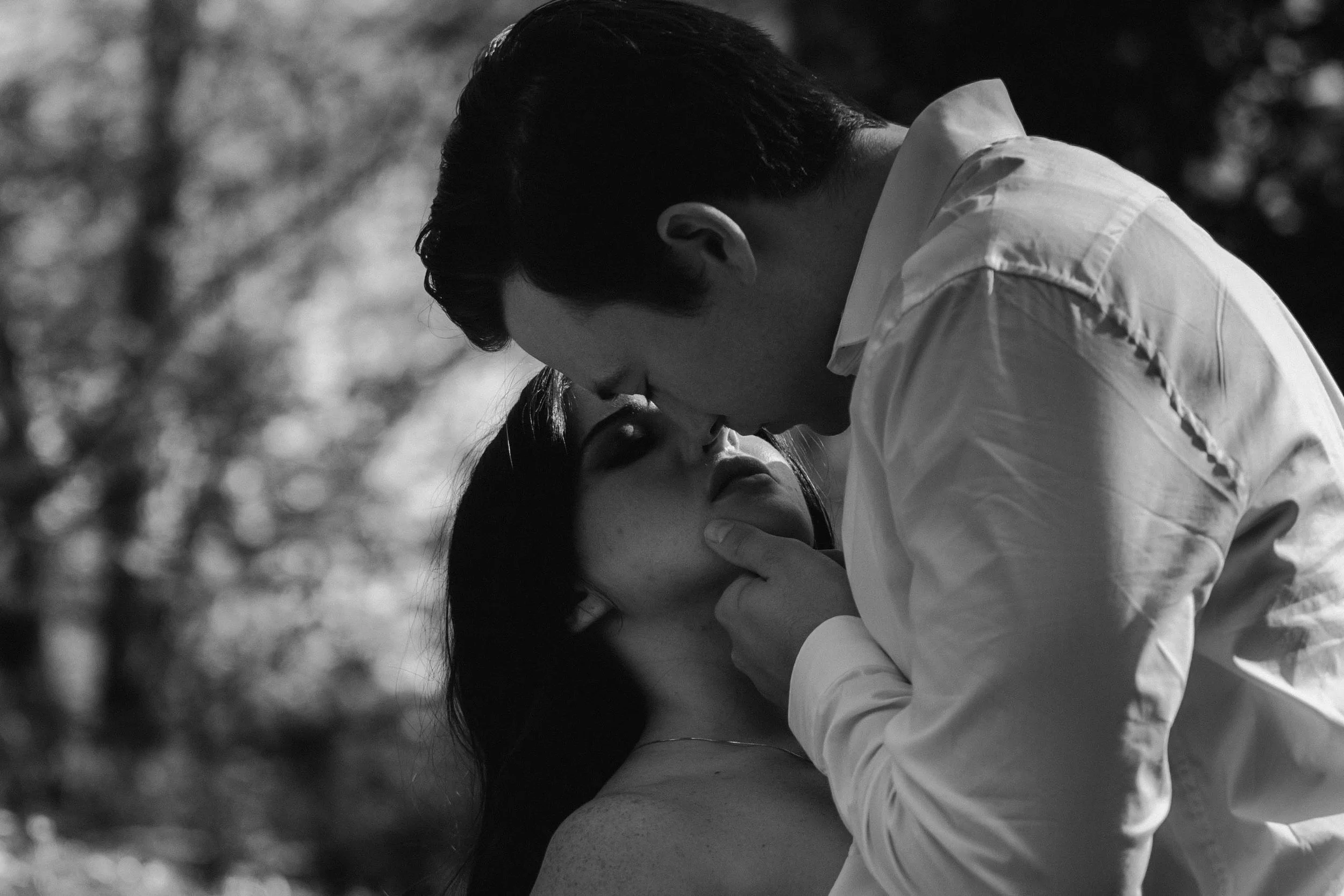
What It Actually Feels Like
You’ll receive 40–50 hand-edited stills, shaped through light and atmosphere into a visual memory. The experience may unfold in one setting or move across multiple locations and days, allowing contrast and progression without breaking the feeling of the story.
For motion, a 6–12-minute film can be added, drawn from the same moments as the stills.
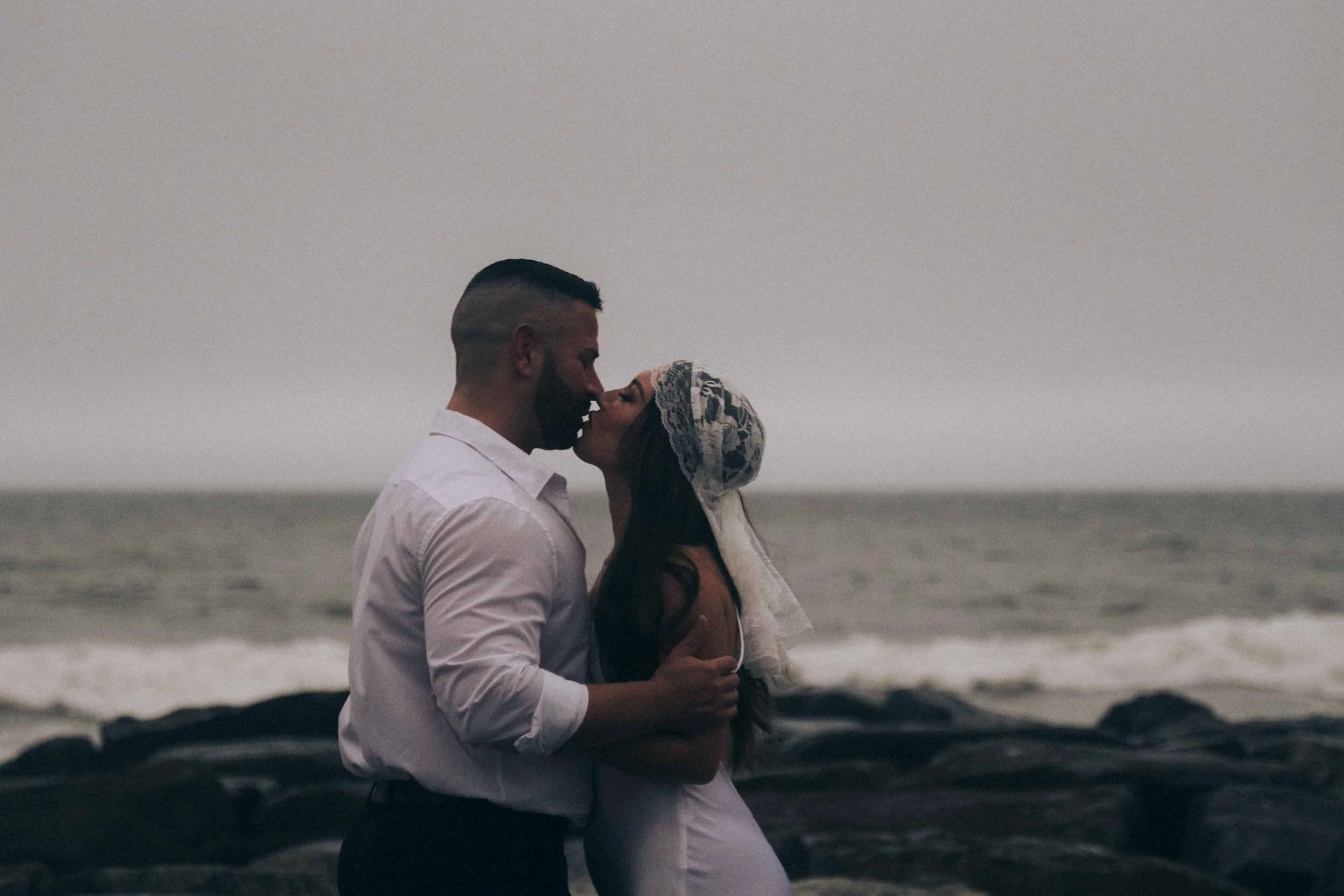
The Way a Scene Finds Its Shape
In the Gigantes Islands, I adapt to constraints rather than impose structure.
Boat schedules dictate beginnings, tides dictate endings, and weather determines whether a scene expands or closes in.
Rather than producing moments, I respond to what the islands offer, using limited access and shifting terrain as quiet collaborators.
The work remains responsive, shaped by limestone edges, salt air, and distance, allowing each scene to arrive fully formed rather than assembled.
About Me
I am Caz Isaiah — a Fragmented Memories photographer, shaping cinema from unscripted moments and the atmosphere around you. My work lives in the space between direction and intuition: the pull of weather, the shift of light, the breath before something real appears. Nothing posed, nothing forced — just scenes that feel lived and held with intention.