Romblon Prenup Photographer
Caz Isaiah | Romblon Prenup Photographer stills and films shaped across marble shores, boat crossings,
and slow island light
Romblon Prenup Photographer
Caz Isaiah | Romblon Prenup Photographer stills and films shaped across marble shores, boat crossings, and slow island light
Before the Scene Begins
You arrive already carrying the weight of the journey.
I have moved through island provinces long enough to recognize how Romblon asks for patience, how boats decide the day, how stillness comes only after arrival.
Before cameras lift, Romblon sets its own pace through ferry schedules, uneven roads, and long pauses between movement, creating a quiet that cannot be rushed.
The photographer remains present but unobtrusive, watching how couples adjust their steps on stone paths, how voices lower near the shore, how attention shifts inward once the noise of transit falls away.
In Romblon, daily life slows not by intention but by geography, and that slowing becomes the first frame of the scene.
The Invitation
A prenup in Romblon is entered by crossing water.
Approach begins on a boat where wind cuts across the deck and conversation fades into horizon watching, bodies swaying with the channel’s rhythm.
Arrival is not immediate; ports, tricycles, and footpaths stretch the moment, encouraging couples to move closer together as they navigate heat and luggage.
Romblon influences posture early, shoulders relaxing once bags are set down, shoes loosening as streets turn to stone and sand.
The work responds to this arrival, allowing the island to set timing rather than imposing a schedule, letting scenes surface only once movement settles.
The Descent
Once the camera lifts, Romblon feeds the scene through texture.
Marble underfoot stays cool even as midday heat rises, waves echo against rocky edges, and distant engines remind you how separated the island remains.
Timing follows tide tables and cloud cover, not clocks, as overcast skies soften the island without warning and sun appears briefly before slipping away.
Direction remains minimal; couples naturally turn toward open water, lean into shaded alleys, or pause when boats pass close enough to ripple reflections.
Romblon does most of the work, shaping how stills and films unfold through sound and surface rather than instruction.
The Scene
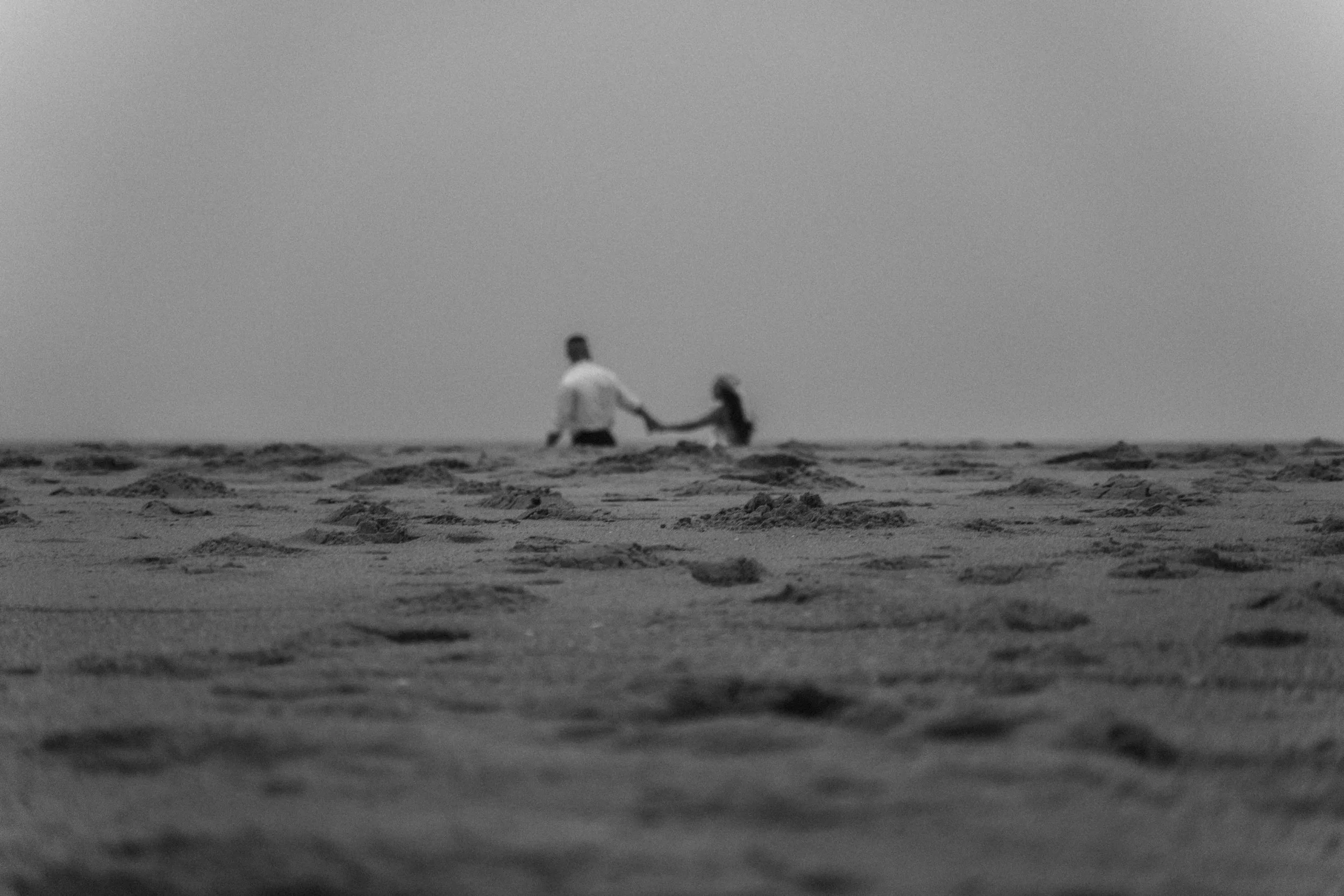
Location: Romblon — marble shoreline meeting shallow reef and narrow coastal road.
A couple moves along the edge where polished stone meets water, steps careful as waves climb and retreat across white rock.
Fishing boats idle just offshore, shifting positions as tide changes, occasionally cutting through the frame before drifting back into stillness.
As clouds thicken, the island dims evenly, removing harsh contrast and pulling attention toward gesture rather than background.
Romblon reappears inside the sequence as the couple crosses from open shore to inland paths, light narrowing through trees and homes, the scene tightening as distance from the sea increases.
This sequence could only happen here, shaped by stone, crossing, and isolation that defines Romblon’s geography.
What It Actually Feels Like
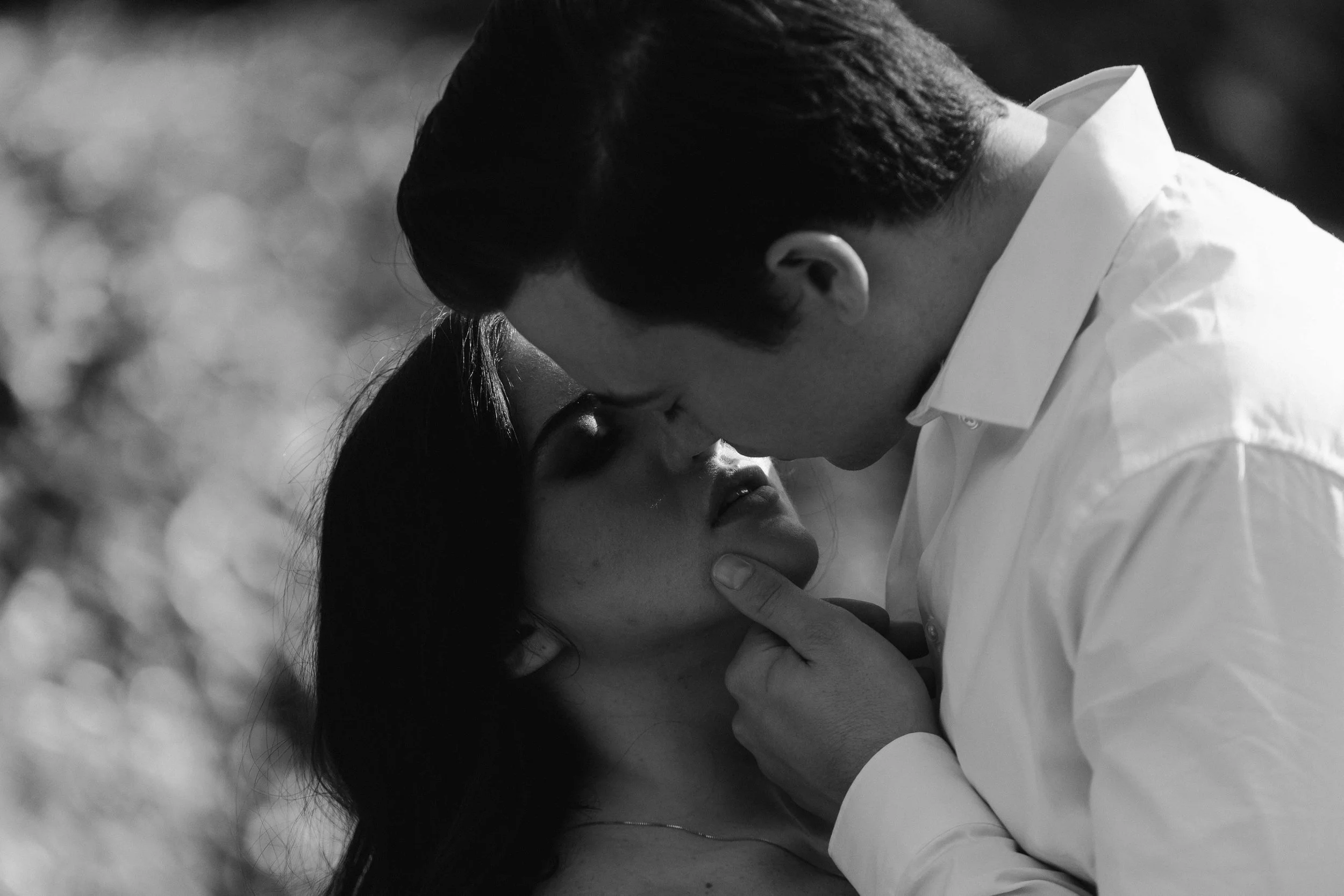
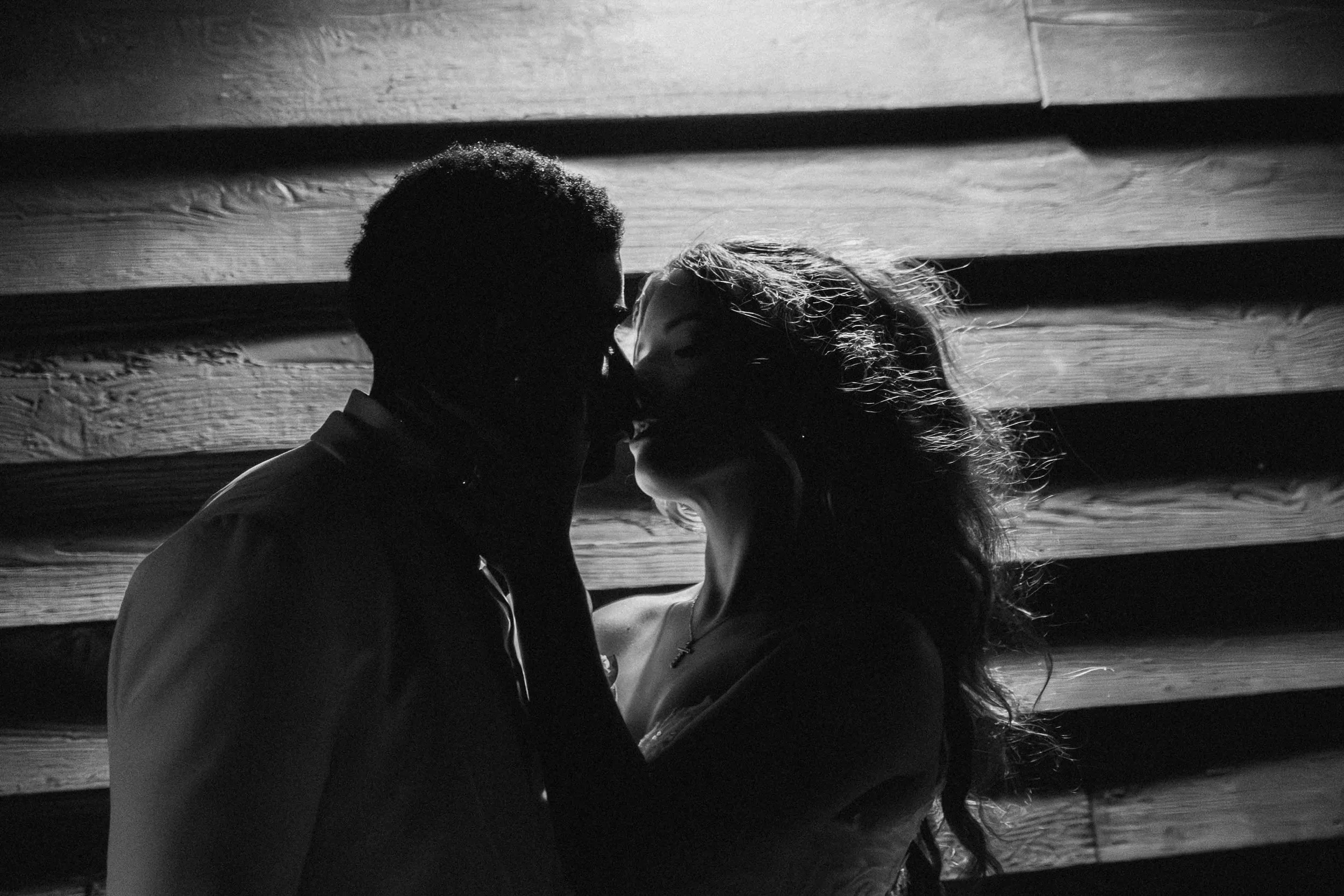
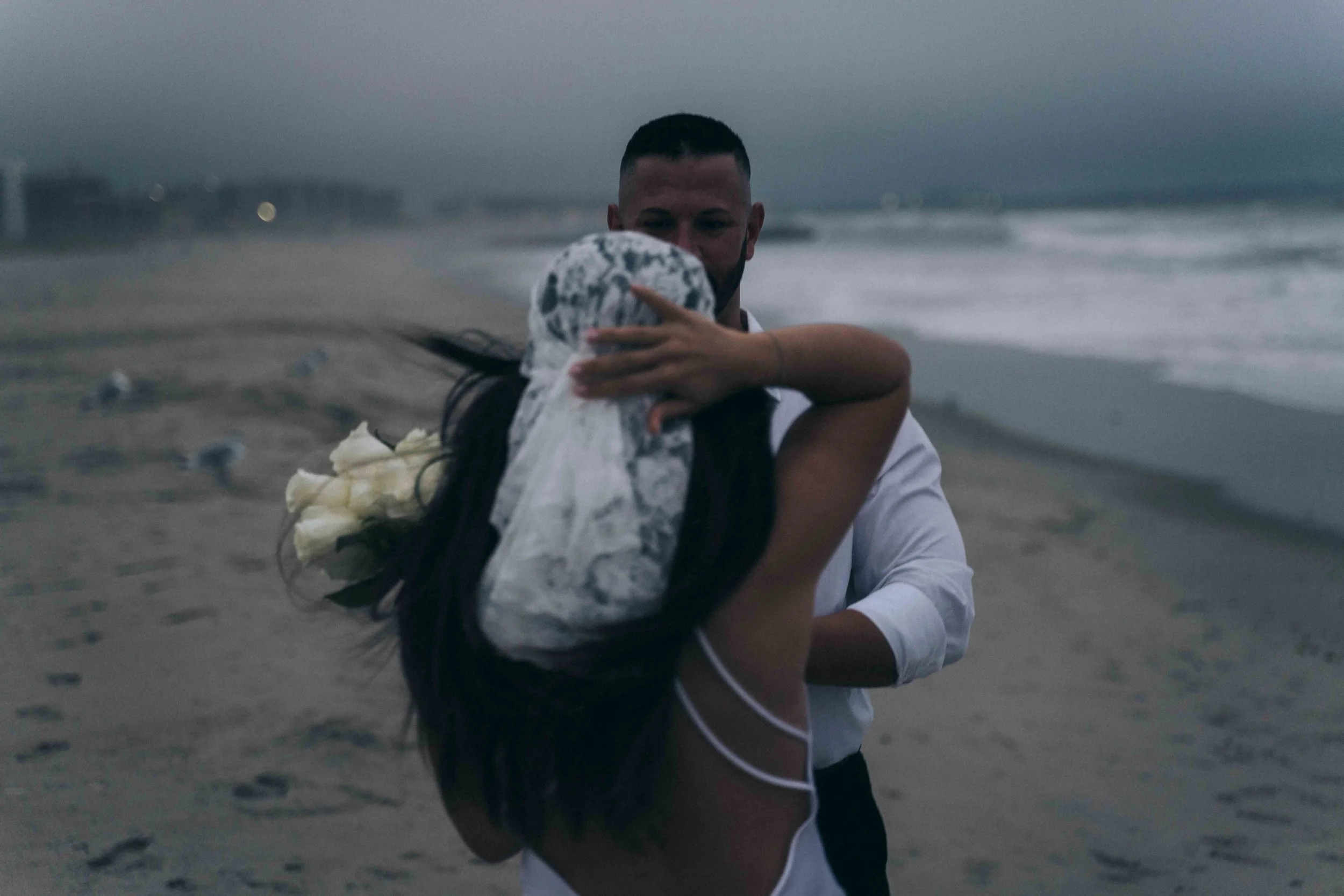
You’ll receive 40–50 hand-edited stills, shaped through light and atmosphere into a visual memory. The experience may unfold in one setting or move across multiple locations and days, allowing contrast and progression without breaking the feeling of the story.
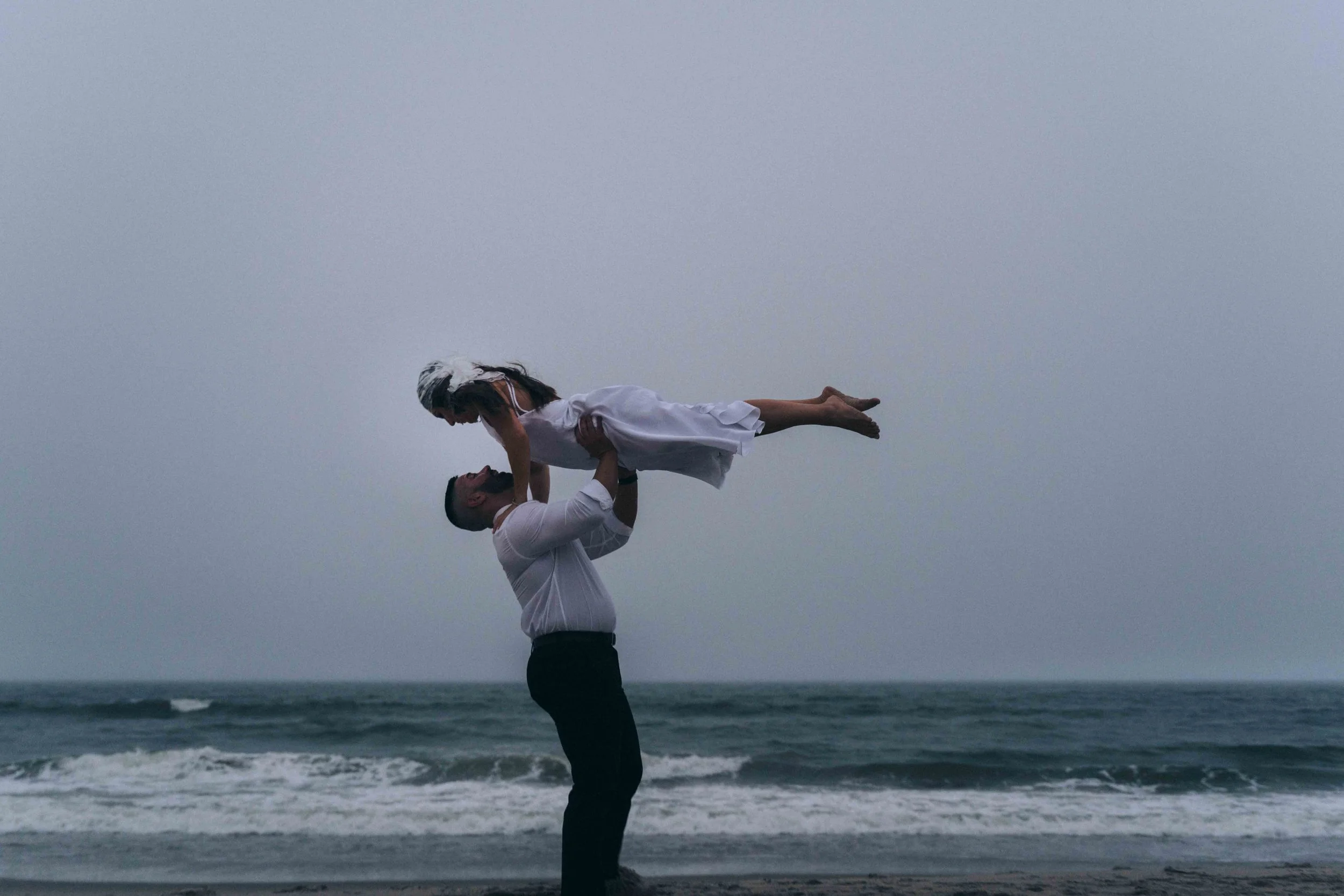
For motion, a 6–12-minute film can be added, drawn from the same moments as the stills.
The Way a Scene Finds Its Shape
The work adapts to Romblon rather than planning around it.
Boat delays, sudden rain, and limited access reshape decisions in real time, creating openings rather than obstacles.
Stills lead the process, each frame treated as complete and grounded, while film extends naturally from the same moments without hierarchy.
Environmental limits become gifts, forcing attention toward proximity, silence, and the way couples occupy space when there is nowhere else to go.
Nothing is produced; scenes form through response, allowing Romblon to guide pacing, framing, and conclusion as the island always does.
About Me
I am Caz Isaiah — a Fragmented Memories photographer, shaping cinema from unscripted moments and the atmosphere around you. My work lives in the space between direction and intuition: the pull of weather, the shift of light, the breath before something real appears. Nothing posed, nothing forced — just scenes that feel lived and held with intention.