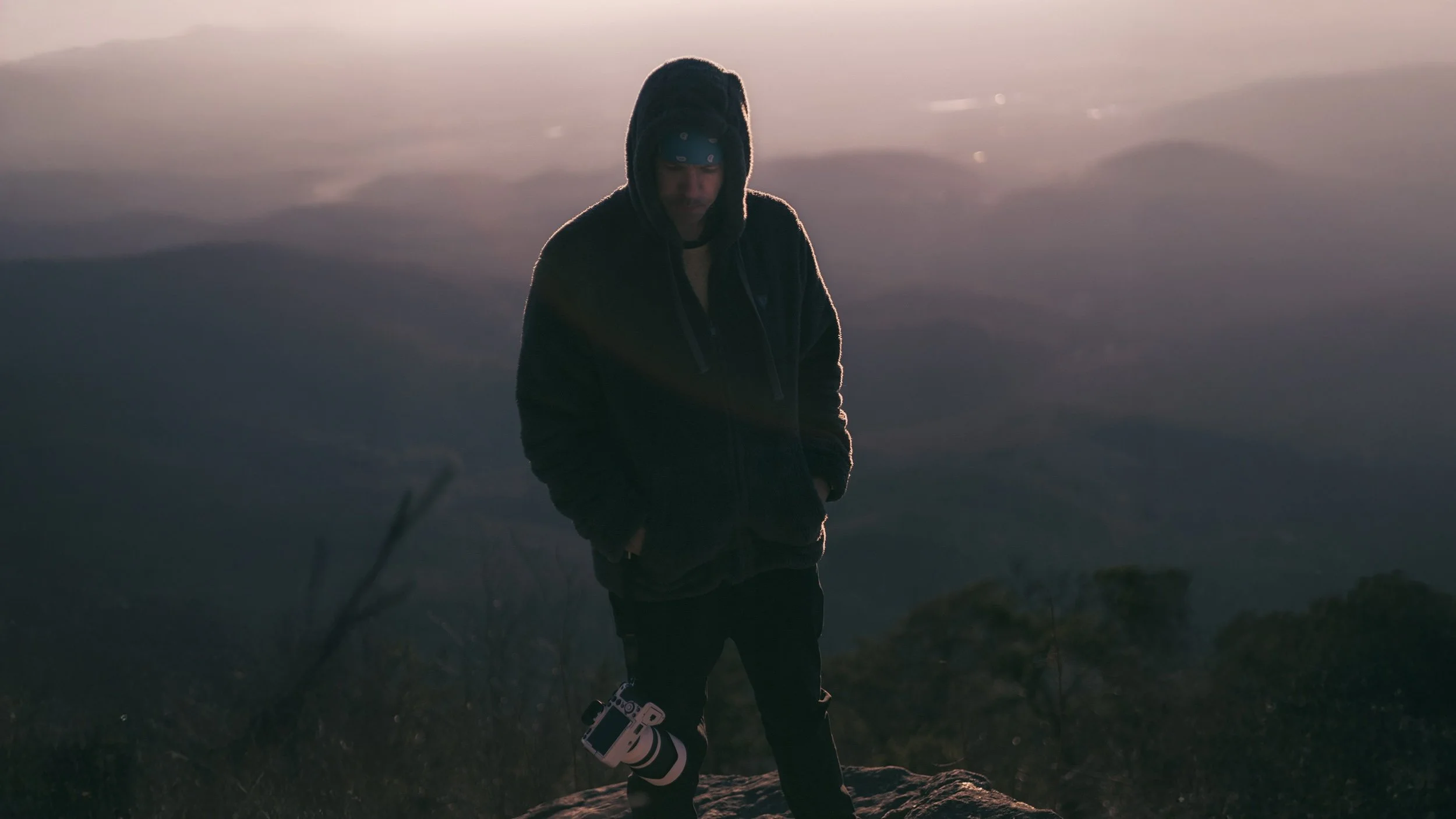
Kalinga Prenup Photographer
Caz Isaiah | Kalinga Prenup Photographer captured through grounded stills and immersive films shaped by land and motion
Kalinga Prenup Photographer
Caz Isaiah | Kalinga Prenup Photographer captured through grounded stills and immersive films shaped by land and motion
Before the Scene Begins
Some moments ask you to slow until the ground catches up with your breath.
I have moved through northern mountain regions long enough to recognize when silence is not empty but occupied by distance, by watchful hills, by people who do not hurry for visitors.
Kalinga does not announce itself when you arrive. Roads narrow, concrete fades, and movement becomes deliberate. Tricycles give way to footpaths, and the pace of conversation changes. Here, time is not measured by schedules but by light on stone, by when clouds lift from the ridgelines, by how long it takes to cross a river safely.
Before a camera is raised, the body adjusts. Posture lowers slightly. Steps become careful. Attention moves outward. This is where a prenup begins in Kalinga, not with posing, but with learning how to stand without interrupting the land.
The Invitation
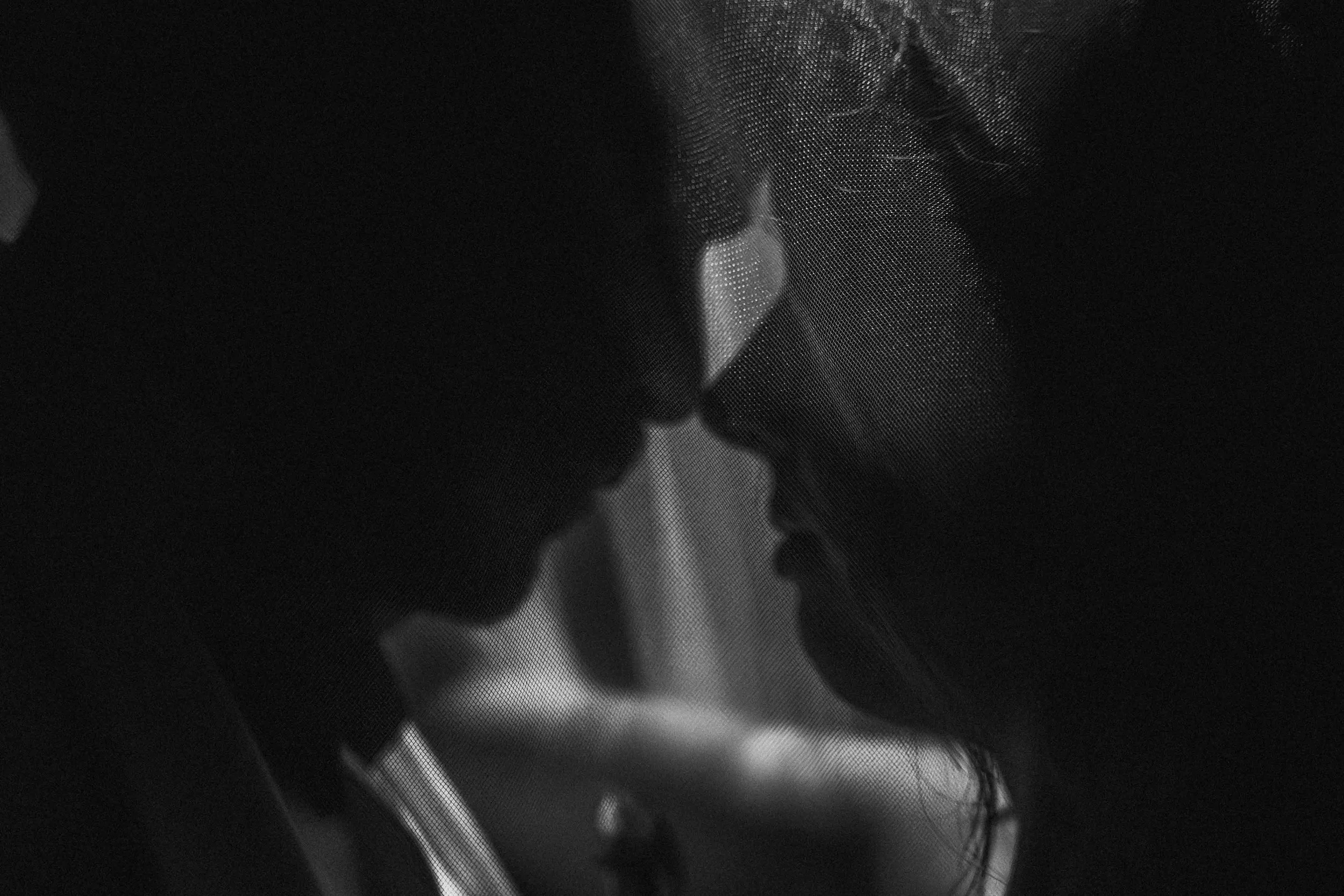
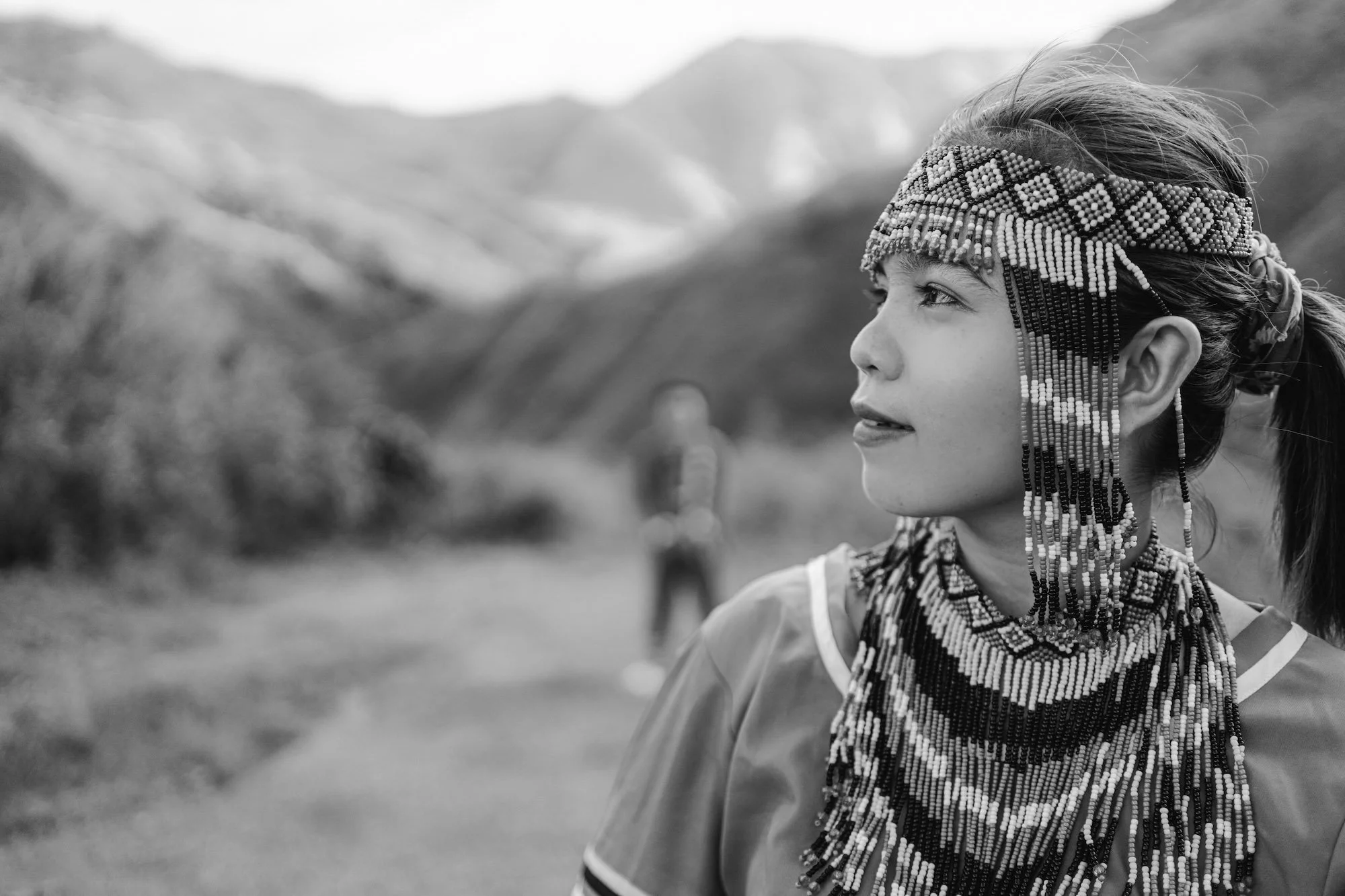
A prenup in Kalinga is entered by road and by patience.
The approach often involves hours of winding mountain travel, river crossings, and villages that reveal themselves one bend at a time. Vehicles stop where paths continue on foot. Movement slows naturally as terrain dictates pace.
As you walk, the landscape begins to shape how you hold each other. Hands link not for display but for balance. Conversations soften. You look outward more than inward.
I respond to this shift by letting distance lead. The camera stays back as long as possible, allowing the land to decide where closeness makes sense. Kalinga invites stillness through effort, and the work begins by respecting that effort rather than rushing past it.
The Descent
Once the camera lifts, Kalinga begins to feed the scene without instruction.
You hear wind moving through tall grass before you feel it. Footsteps sound different on packed earth than on stone. The echo of voices travels farther here, which teaches restraint.
Timing is dictated by environment. Cloud cover changes light without warning. Paths become slick after brief rain. River levels rise and fall within hours. These conditions remove the idea of a fixed plan.
Direction becomes minimal. A pause happens because a ridge opens. A turn happens because a village path curves. The scene forms as bodies react to ground, temperature, and distance rather than cues.
The Scene
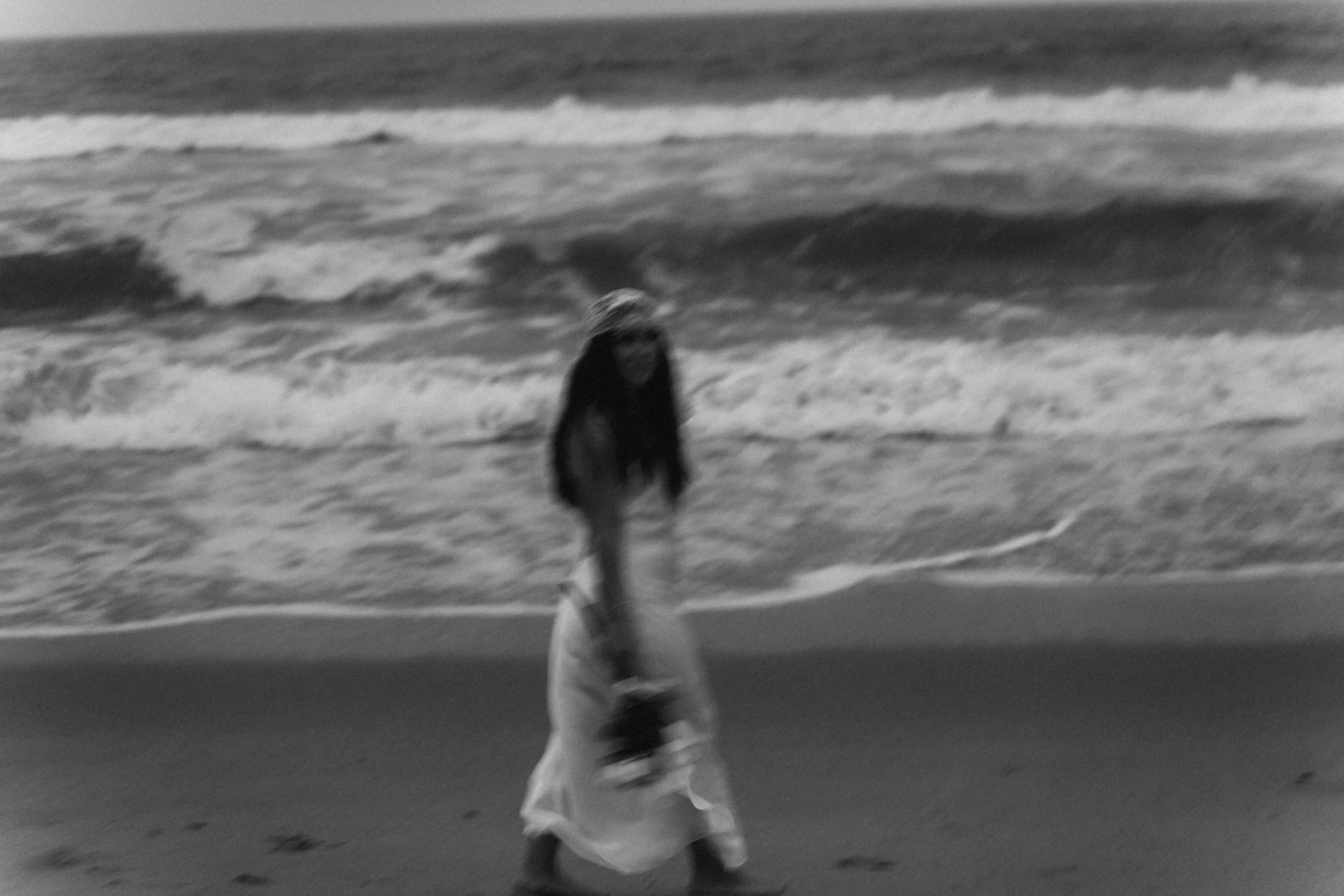
Location: Kalinga — mountain ridges, river valleys, and village paths cut into stone and soil.
The sequence unfolds along elevated trails where the land drops away sharply on one side and rises into forest on the other. Villages appear quietly, with homes positioned for protection rather than view.
As the day progresses, clouds move low across the mountains, compressing space and softening edges. The sound of water from a nearby river becomes more present as air cools.
In Kalinga, the scene changes through elevation. Light fades earlier in valleys. Wind strengthens along exposed ridges. The couple moves closer together not for romance, but for warmth and balance.
This could only happen here. The environment insists on honesty. There is no spectacle without effort, no stillness without movement first. Each frame is earned by walking, waiting, and standing where the land allows.
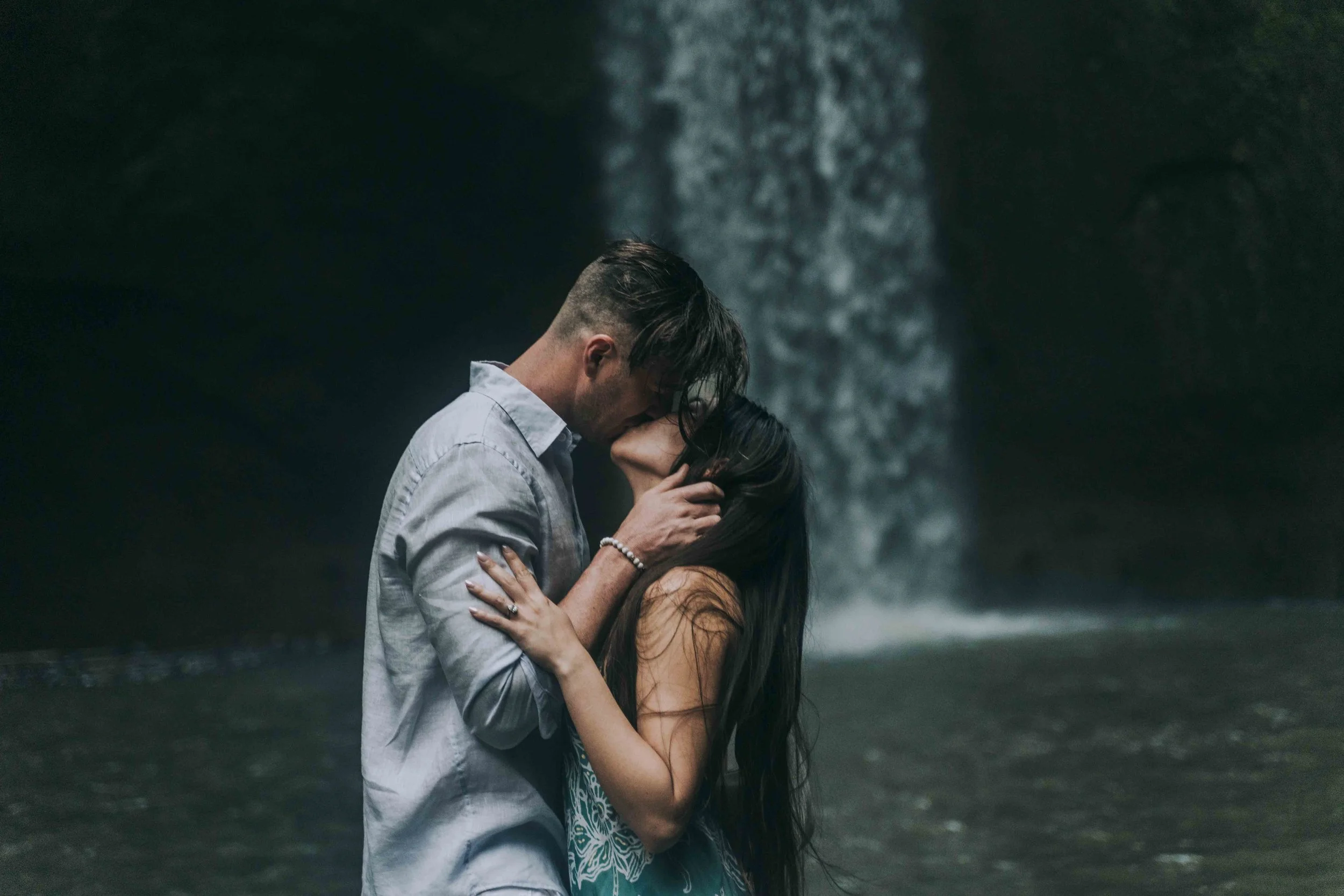
What It Actually Feels Like
You’ll receive 40–50 hand-edited stills, shaped through light and atmosphere into a visual memory. The experience may unfold in one setting or move across multiple locations and days, allowing contrast and progression without breaking the feeling of the story.
For motion, a 6–12-minute film can be added, drawn from the same moments as the stills.
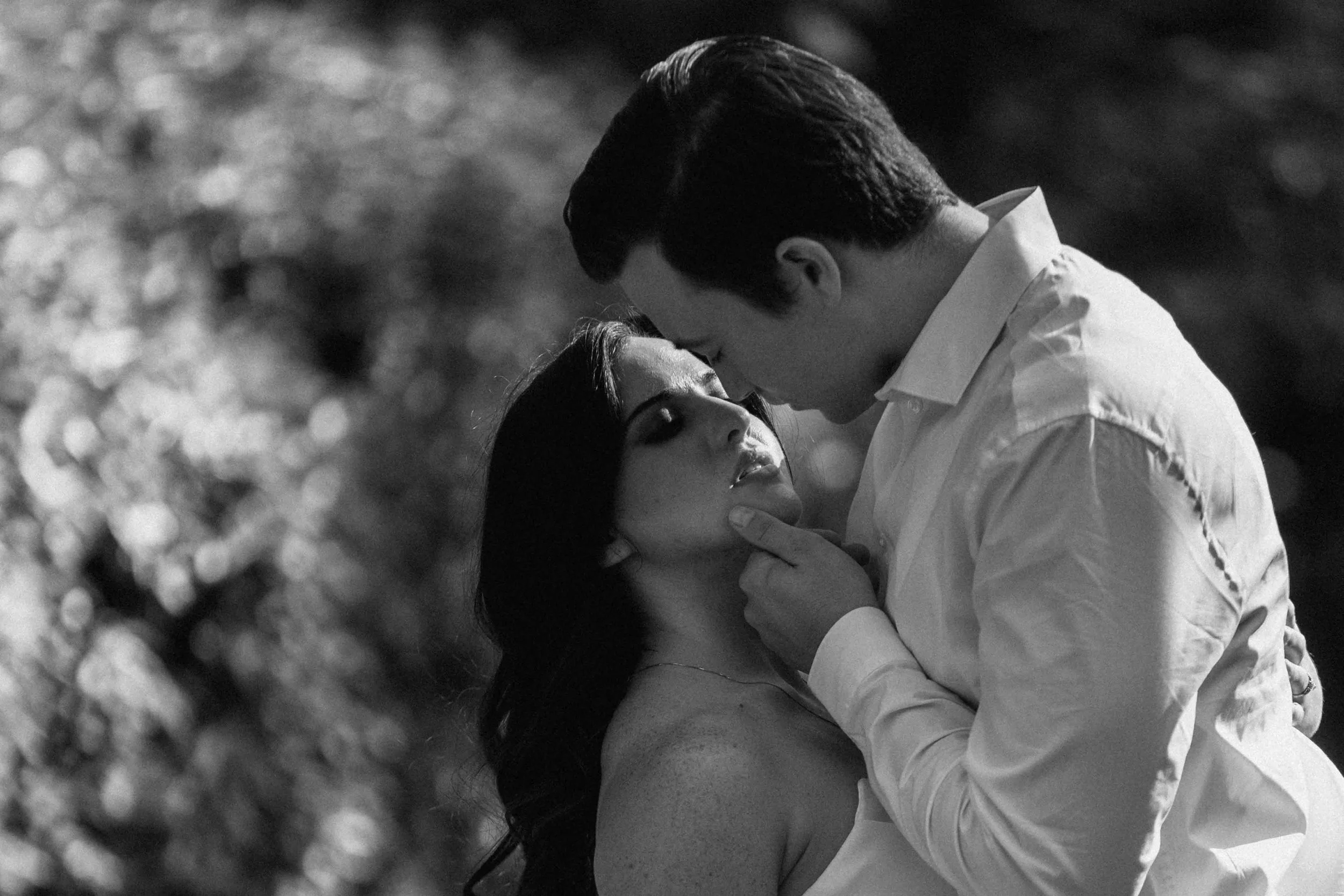
The Way a Scene Finds Its Shape
The work adapts to Kalinga by yielding control.
Environmental constraints are not obstacles but guides. Limited access means fewer interruptions. Uneven ground determines where you can stop. Weather decides how long a moment can hold.
I do not impose a sequence. I follow how bodies respond to slope, to wind, to the presence of others moving through the same space. The camera adjusts height and distance to remain unobtrusive, allowing gestures to complete themselves without correction.
Kalinga offers a rare gift: it resists performance. Scenes resolve quietly because the place demands respect. The result is stills and films that feel settled rather than constructed, shaped by real movement through real terrain, and held together by the patience the land requires.
About Me
I am Caz Isaiah — a Fragmented Memories photographer, shaping cinema from unscripted moments and the atmosphere around you. My work lives in the space between direction and intuition: the pull of weather, the shift of light, the breath before something real appears. Nothing posed, nothing forced — just scenes that feel lived and held with intention.