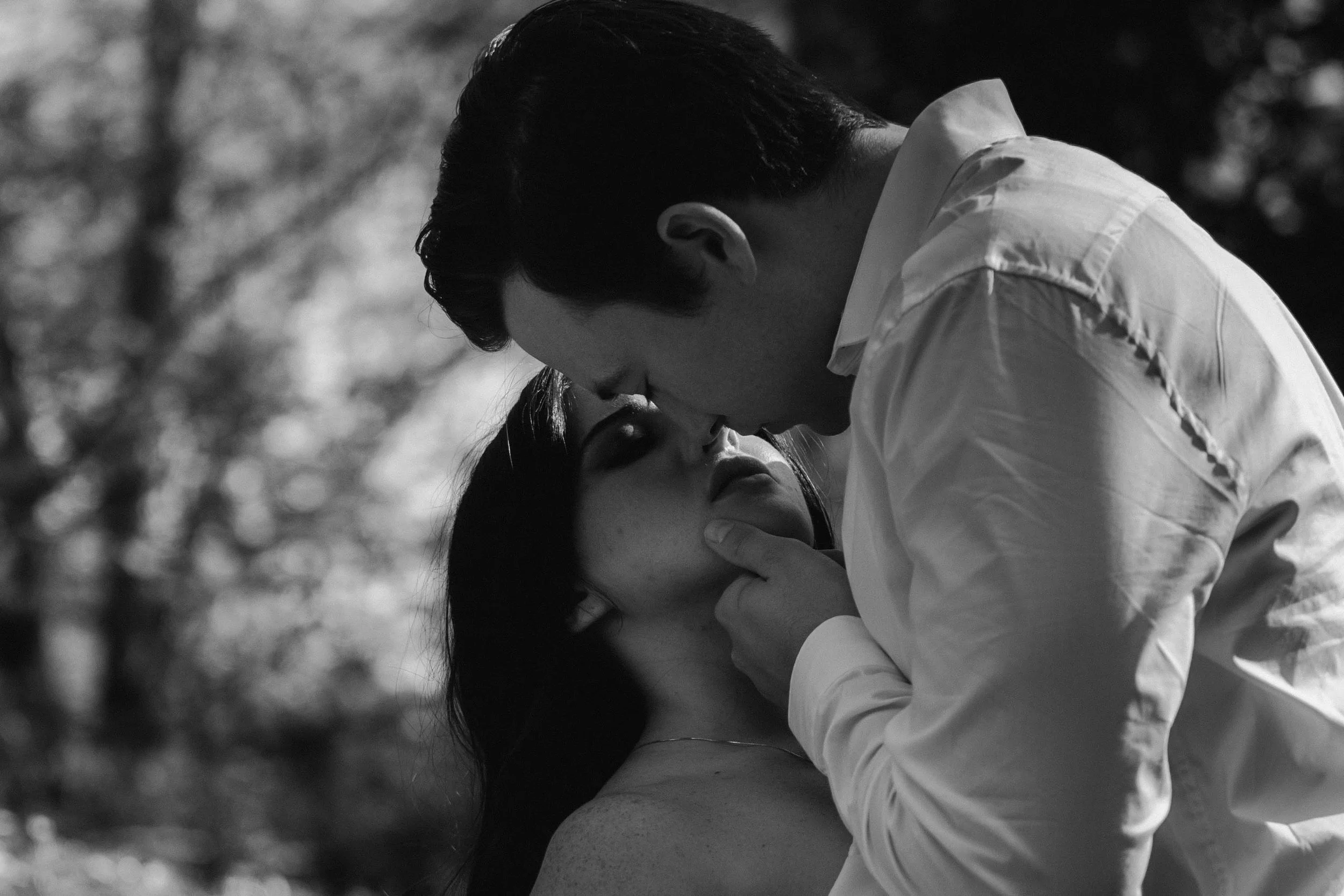
Kyoto Couples Photographer
Caz Isaiah | Kyoto couples photographer shaping films and stills through drifting lantern light and the quiet rhythm of old streets.
Kyoto Couples Photographer
Caz Isaiah | Kyoto couples photographer shaping films and stills through drifting lantern light and the quiet
rhythm of old streets.
Before the Scene Begins
Before we step into the frame, the city has already begun preparing it. Kyoto doesn’t rush; it exhales. Wooden façades warm under late afternoon light, narrow alleys hum with distant footsteps, and every shadow feels like it’s been waiting for you long before you arrive. My role isn’t to stage your every gesture — it’s to let the city breathe around you, and guide only when the moment asks. What follows isn’t a schedule. It’s the slow pulse of a day turning cinematic in real time.
The Invitation
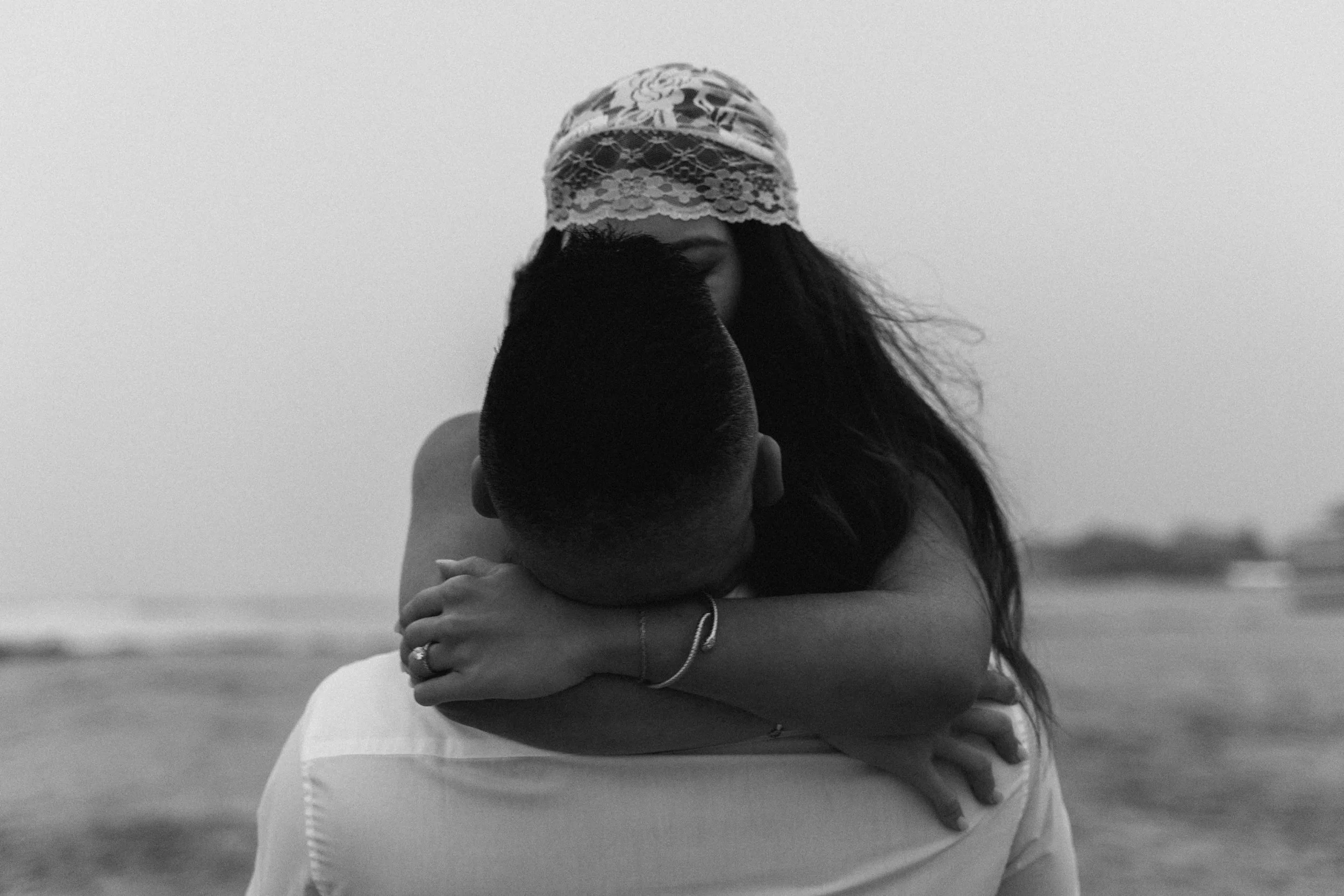
Kyoto pulls you in quietly. One minute you’re walking through a simple street, and the next, the world thickens — lanterns warming above you, soft echoes of water running beneath a bridge, the hum of a tea house door sliding closed. You move the way you normally do; I watch the way light reacts. When something sharpens — a sliver of sunlight along a wooden frame, the curve of a pathway that leads you closer, a stillness that wants to become touch — I guide you just enough for the atmosphere to settle around it. It’s not posing. It’s letting the place write the cadence of the scene.
The Descent
Once the camera rises, Kyoto opens itself in fragments — the shuffle of slippers across stone, wind brushing through bamboo, faint temple bells vibrating beneath everything. You walk, turn, breathe, and the world offers details in return. When a moment aligns — a pause under a gate, a lift of fabric in a passing breeze, the way one of you slows before crossing a bridge — I place you in that pocket of time. Small direction, nothing forced. Kyoto stretches moments thin, making them long enough to be held.

The Scene
Location: Kyoto at dusk, where the city glows from the ground up.
It begins in Gion as lanterns blink awake, casting scattered warmth across the narrow street. You walk side by side, the wooden walls smoothing the sound of your steps. Steam drifts from a nearby restaurant door, dissolving into the cool evening air. You’re not performing; you’re just moving through the last light of the day, shaped by it without trying.
The frame drifts closer as you cross a small stone bridge. Water below reflects broken ribbons of gold from the lamps overhead. Your silhouettes lean toward each other naturally, not directed, but softened by the hush that Kyoto carries after sunset. A breeze moves through the willow branches, brushing strands of hair across your faces in slow, deliberate strokes.
Later, we step into a quiet shrine courtyard, the air heavy with incense and stillness. The gravel shifts beneath your feet, the world narrowing into a dim corridor of wooden beams and shadow. You pause without being asked. The light slips through the gate, forming a thin line across your shoulders. You lean into it, and the scene deepens into something suspended — not a moment staged, but one that seems to reveal itself.
By the time night settles, everything becomes texture: lantern glow, distant footsteps, fabric moving in the dark. Your outlines blur slightly as the frame eases back. The city doesn’t end the moment — it holds it, letting the memory stay warm long after the scene fades.

What It Actually Feels Like
You’ll receive 40–50 hand-edited stills, shaped through light and atmosphere into a visual memory. The experience may unfold in one setting or move across multiple locations and days, allowing contrast and progression without breaking the feeling of the story.
For motion, a 6–12-minute film can be added, drawn from the same moments as the stills.

The Way a Scene Finds Its Shape
Kyoto doesn’t offer loud cues; it gives gentle signals — shifting shadows through bamboo, reflections along slow water, the low hum of passing bicycles. You move through these textures, and I guide only when the moment sharpens: a turn into the last sliver of daylight, a pause beneath a gate where the world goes still, or a step across stone that brings you closer into frame. This isn’t choreography. It’s instinct meeting atmosphere. The scene forms from everything around you — drifting fabric, soft footsteps, lantern glow warming the air. By the end, what remains isn’t a set of images, but a living fragment of your time here, held long enough to become memory.
About Me
I am Caz Isaiah — a Fragmented Memories couples photographer, shaping cinema from unscripted moments and the atmosphere around you. My work lives in the space between direction and intuition: the pull of weather, the shift of light, the breath before something real appears. Nothing posed, nothing forced — just scenes that feel lived and held with intention.
You can explore more on my About Me page.
