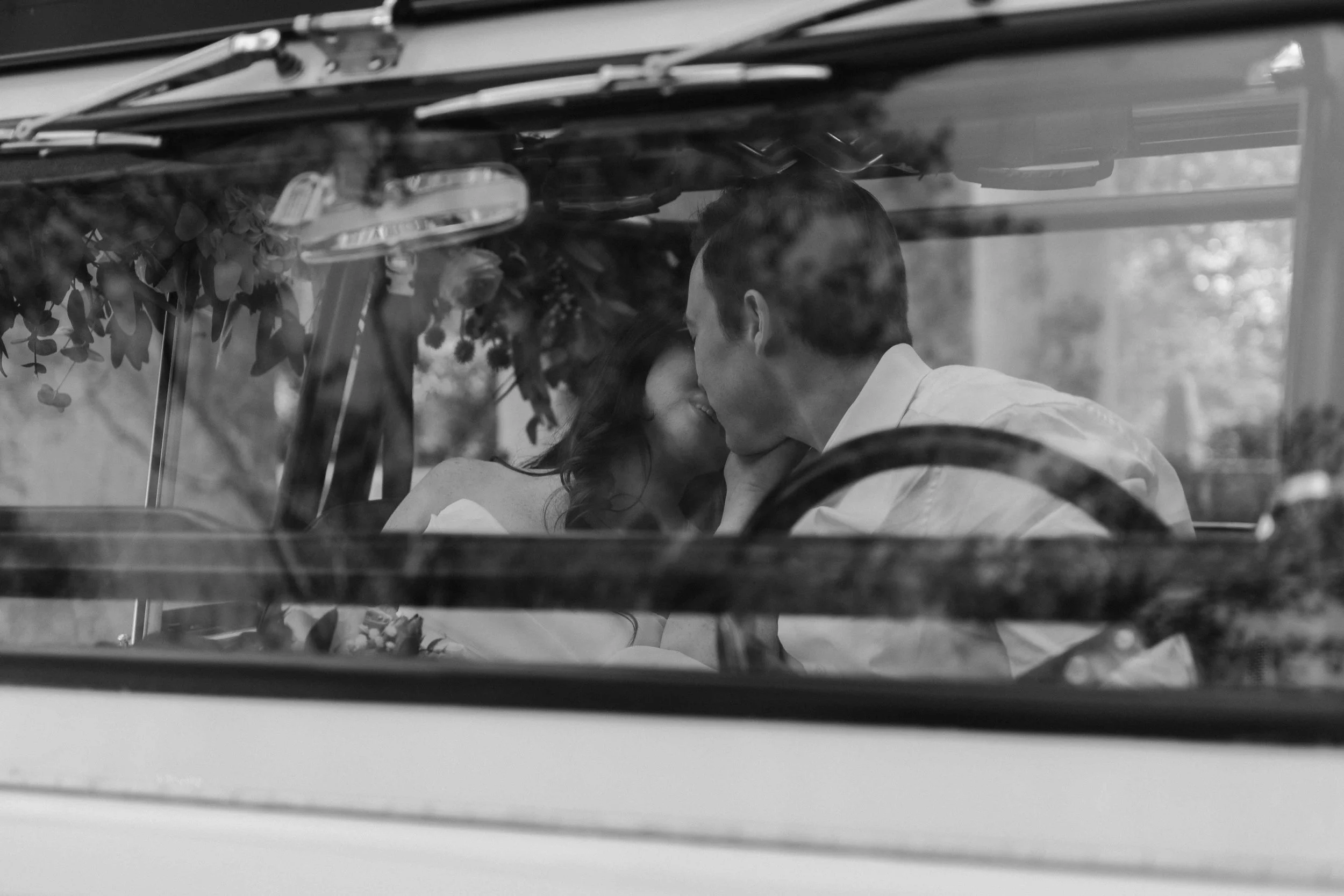
Tokyo Couples Photographer
Caz Isaiah | Tokyo couples photographer framing night trains, soft neon, and brief collisions of light and touch into quiet, lingering cinema.
Tokyo Couples Photographer
Caz Isaiah | Tokyo couples photographer framing night trains, soft neon, and brief collisions of light and touch into quiet,
lingering cinema.
Before the Scene Begins
Before anything starts, imagine the city not as a backdrop, but as a character breathing around you. Tokyo is already in motion long before the camera lifts: escalators humming, lanterns glowing awake in side streets, trains threading the horizon line. I am not here to choreograph every second or disappear into the distance. I move between those two poles, guiding when the moment needs weight and stepping back when it needs air. What follows is not a rigid schedule. It is a loose map of how an evening in this city can slow down, crack open, and turn into something you can revisit long after the lights go out.
The Invitation
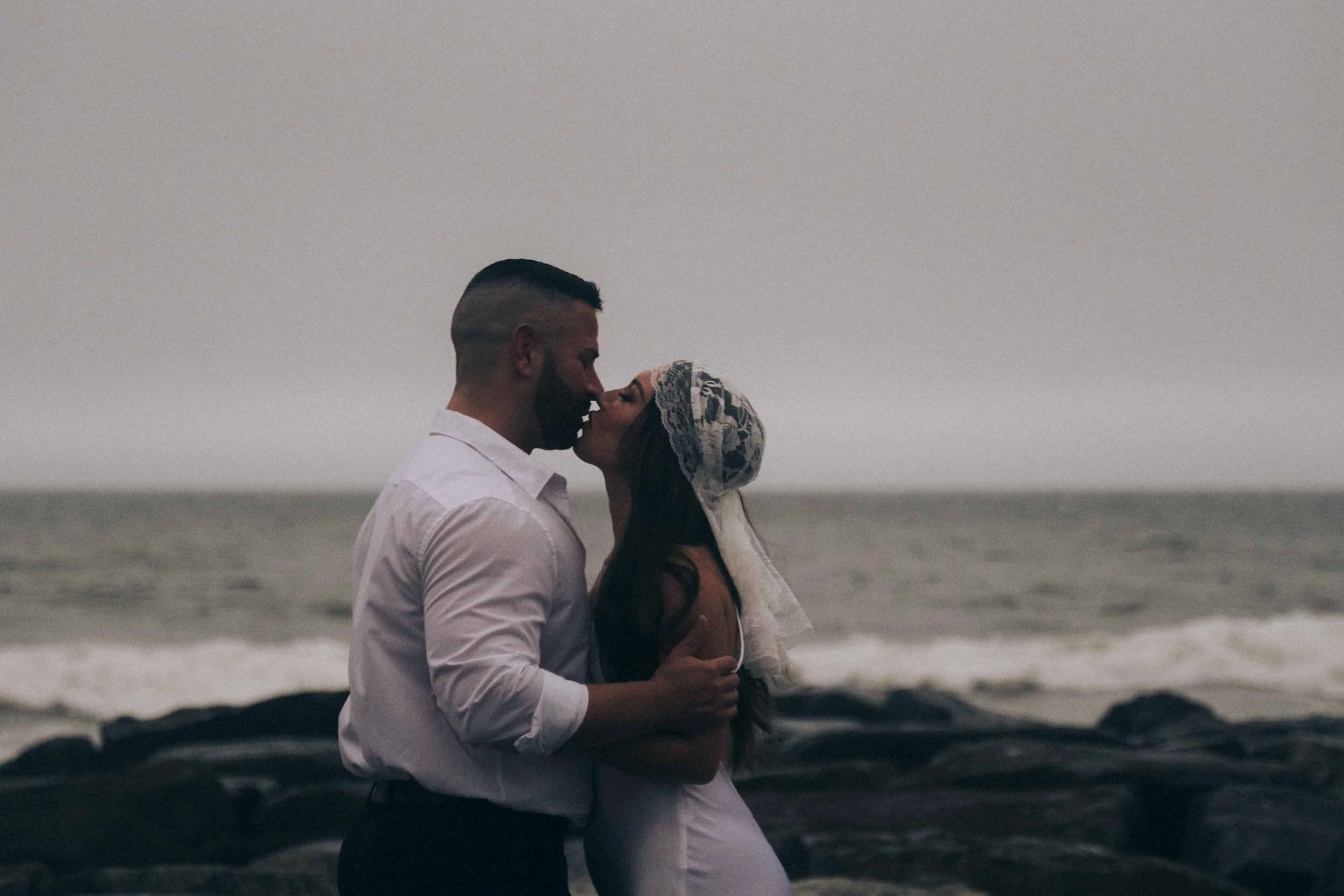
This does not begin with a pose. It begins with the first step out of the station, or the first elevator door opening to a rooftop no one else can see. You start as you are: hands in pockets, a shared joke, the small tilt of your shoulders toward each other as the crowd washes past. Slowly, the pace of the city changes around you. Neon sharpens. Reflections in shopfront glass thicken into layers. I am close enough to read the tension in your hands, far enough to let you forget the lens is there. When something in the air tightens—a quiet alley, a crosswalk caught on red a few seconds longer than it should be—I ask you to pause, to turn, to hold each other. Not as a performance. As a way of letting the moment finally land.
The Descent
Once the camera lifts, Tokyo starts sending details in waves. A train roaring overhead, leaving a streak of light. Steam slipping from a street vendor’s cart. Umbrellas moving in slow formation through Shibuya while you stand just outside the current. You keep walking, talking, existing the way you normally do, and I keep tracking the rhythm between you and the city. When the atmosphere locks into something precise—a pool of light under a vending machine, a quiet stairwell above a convenience store, the split-second hush between passing taxis—I guide you into it. A hand against a concrete wall, a forehead resting to the side, the brief silence before you both laugh. Seconds draw out. The world blurs at the edges. It stops feeling like a shoot and starts feeling like you slipped into a pocket of time that no one else noticed.

The Scene
Location: Late-night Tokyo, streets glossy with recent rain.
It begins at blue hour, that space between rush and afterglow, when office towers still hum but the sky has already given itself over to electric color. Pavement is slick, catching reflections of red signals and vertical kanji. You move together down a side street, not talking much, just breathing in the same narrow ribbon of air. A motorbike cuts past and disappears. The sound lingers longer than the light. Your silhouettes stretch along the wet ground, bending as you cross a row of shuttered shops whose signs still burn.
We drift toward a small alley where paper lanterns hang low, painting everything in soft red. You stop under one, close enough for your shoulders to touch, far enough for air to pass between. I ask you to face each other and do nothing more. The city takes over: chopsticks clink somewhere behind a sliding door, a radio murmurs from an apartment window above, a taxi glides past the far end of the alley, its headlights flaring briefly across your faces. You look up at the same time and share the kind of half-smile that only exists when you are both slightly tired, slightly wired, and exactly where you want to be.
Later, we ride an elevator to a rooftop car park that feels almost abandoned. Down below, Shinjuku or Shibuya burns in layers: screens flashing, traffic pulsing, windows glowing in different colors of white. Up here, the air is colder, thinner, cleaner. I ask you to walk toward the edge and stop just before the railing, the city spreading out beneath. Wind pulls at your coats. You lean into each other, foreheads nearly touching, breath visible in faint clouds. The camera backs away, letting the skyline swallow your outlines into its geometry. What remains is not a pose, not a gesture meant for strangers’ eyes. It is the quiet sense that for one night, in a city of millions, the world briefly narrowed to just this frame.

What It Actually Feels Like
You’ll receive 40–50 hand-edited stills, shaped through light and atmosphere into a visual memory. The experience may unfold in one setting or move across multiple locations and days, allowing contrast and progression without breaking the feeling of the story.
For motion, a 6–12-minute film can be added, drawn from the same moments as the stills.
The Way a Scene Finds Its Shape
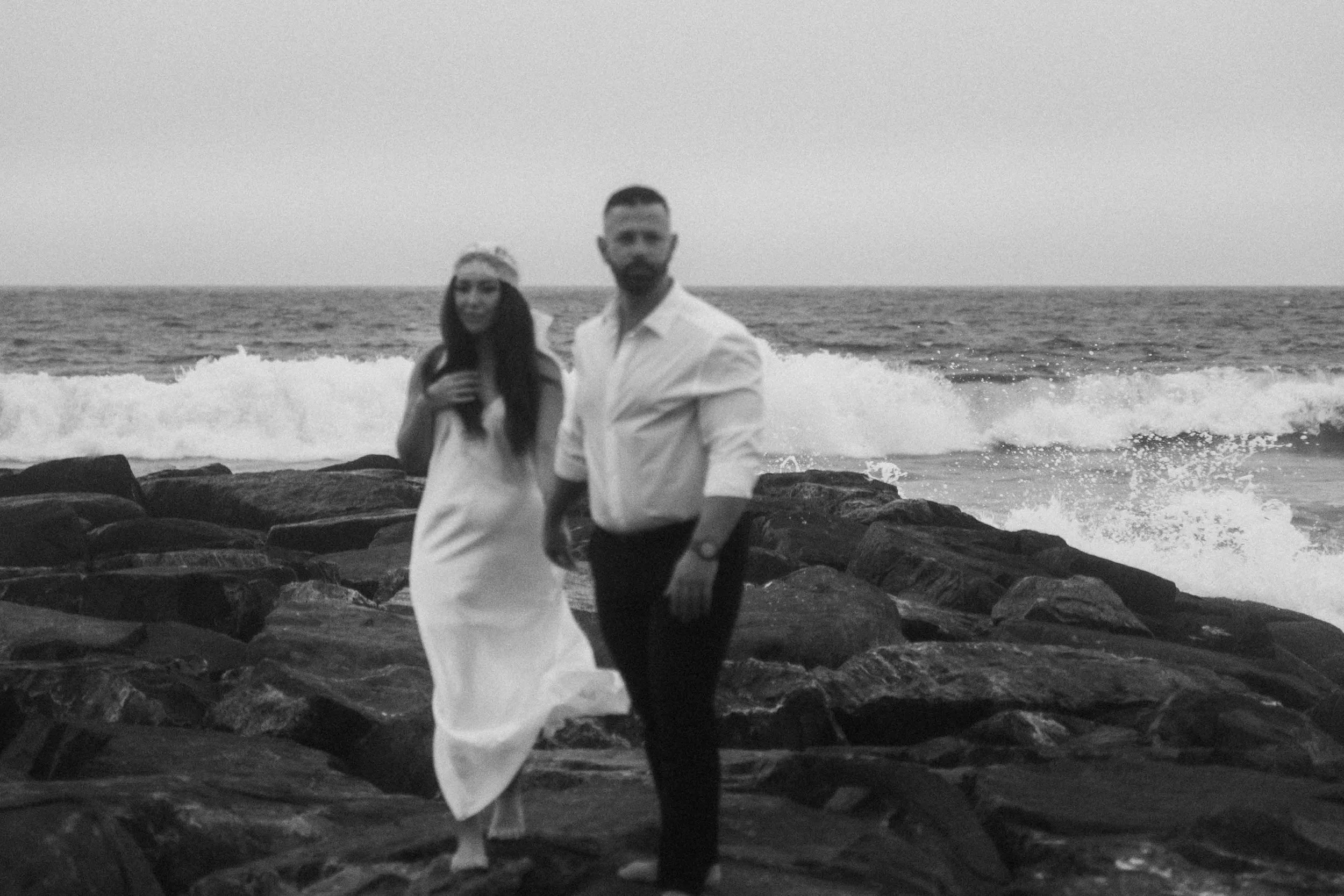
Nothing here is random, but nothing is rigid either. Tokyo has its own tempo: crowded crossings, silent side streets, shrines tucked between towers. I work inside that rhythm, nudging rather than forcing. I might ask you to cross the same street twice because the light turned perfect. I might guide you into the last empty seat on a platform bench because the color behind you suddenly matters. The directions are small—a shift of weight, a hand moved higher on a shoulder, a suggestion to hold eye contact one heartbeat longer than usual.
The city keeps composing around you. Trains slide in and out of frame. Billboards flare and then vanish. Steam, rain, and glass turn ordinary spaces into layered reflections. I pay attention to how you respond to all of it: whether you pull each other closer, whether you fall into quiet, whether you crack up at something tiny and stupid. That is where the real film lives. By the end, what we have is not a record of everything that happened. It is a distilled slice of time where Tokyo and the two of you felt woven together, held in place just long enough to be remembered.
About Me
I am Caz Isaiah — a Fragmented Memories couples photographer, shaping cinema from unscripted moments and the atmosphere around you. My work lives in the space between direction and intuition: the pull of weather, the shift of light, the breath before something real appears. Nothing posed, nothing forced — just scenes that feel lived and held with intention.
You can explore more on my About Me page.
