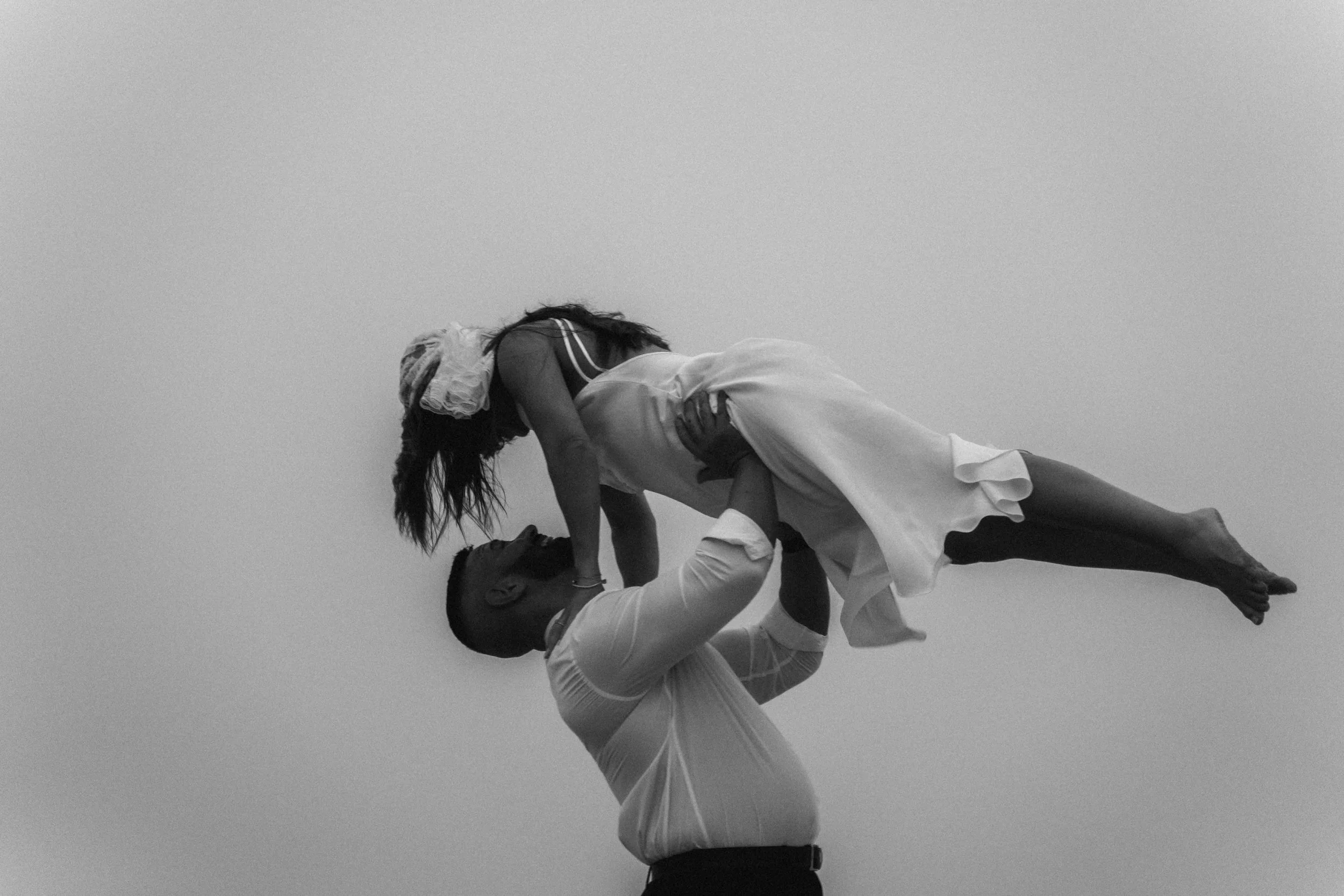
Mount Fuji
Couples Photographer
Caz Isaiah | A Mount Fuji couples photographer crafting films and stills that breathe like scenes rising from cold mountain air.
Mount Fuji
Couples Photographer
Caz Isaiah | A Mount Fuji couples photographer crafting films and stills that breathe like scenes rising from cold mountain air.
Before the Scene Begins
Before anything begins, there’s the mountain — a presence that changes the rhythm of your breath the moment you look toward it. The air cools, sound thins, and the world feels suspended. I’m not here to script you or leave you wandering. I guide when the atmosphere calls for it, and I step back when the landscape is already doing the work. Think of this as a tone — a quiet shift in gravity — setting the frame for everything that’s about to unfold.

The Invitation
You don’t enter this session; you enter a different pace of seeing. The moment we step into the foothills, the morning light slows into pale silver, shadows drift long across gravel paths, and even your smallest movements begin to feel like they belong inside a film. Most of what happens is instinctive: the way you walk toward a break in the trees, how your hands find each other when a cold wind rolls off the snowcap. And when a moment sharpens — a clearing of fog, a perfect alignment of light against the slope — I guide you into that space, quiet and minimal, just enough to let the frame breathe.
The Descent
Once the camera rises, the mountain starts speaking in small details: the soft crunch of volcanic gravel, the trembling grass in the wind, the distant echo of a passing train cutting across the base of the ridge. You move at your own rhythm, and I follow the atmosphere. When Fuji gives us something unmistakable — a passing band of cloud that veils the peak, a spill of gold across the treetops — I position you within it. Never posed, never arranged, just subtle anchors that let the moment gather itself. Time loosens here. Your footsteps slow. The film begins not as performance, but as something the landscape gently opens around you.

The Scene
Location: Mount Fuji at first light, the peak rising through a veil of drifting cloud.
It begins before the sun breaks, when the world is blue and fragile, and the snowcap glows faintly in the dark. You walk along a narrow lakeside path, breath visible, hands brushing, the silence so complete it feels like the mountain itself is listening. A low mist curls off the water, softening the shoreline into shapes you can’t quite name. Nothing is rushed. The day has not chosen its color yet.
The light shifts. A thin ribbon of gold slides across the slope, catching your silhouettes as you pause near a cluster of bare trees. A gust lifts her hair, scattering it like smoke against the sky. You turn just enough for the light to find your faces, and the frame catches the quiet recognition between you — unforced, unperformed, as if the moment rose on its own.
Later, higher up the trail, the wind stiffens. The peak sharpens into full detail, dark rock cutting through snow, and the world narrows into a single long breath. You stand there, side by side, the mountain behind you immense and unmoving. The camera drifts back slowly, letting the scale widen, letting the connection settle into the stillness. What remains isn’t a grand gesture — it’s the soft exhale at altitude, the memory of being held inside a landscape older than anything you’ve lived.
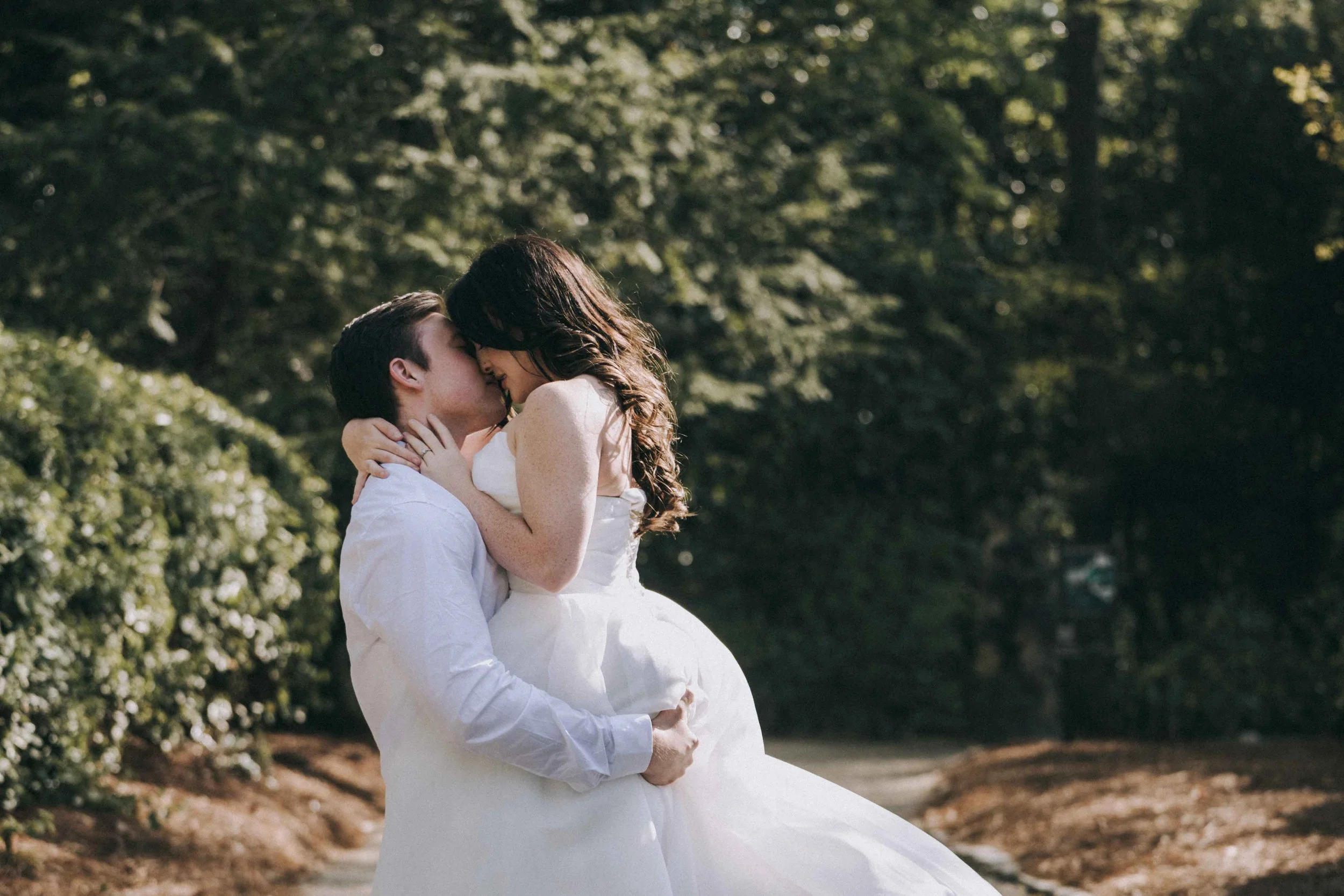
What It Actually Feels Like
You’ll receive 40–50 hand-edited stills, shaped through light and atmosphere into a visual memory. The experience may unfold in one setting or move across multiple locations and days, allowing contrast and progression without breaking the feeling of the story.
For motion, a 6–12-minute film can be added, drawn from the same moments as the stills.
The Way a Scene Finds Its Shape
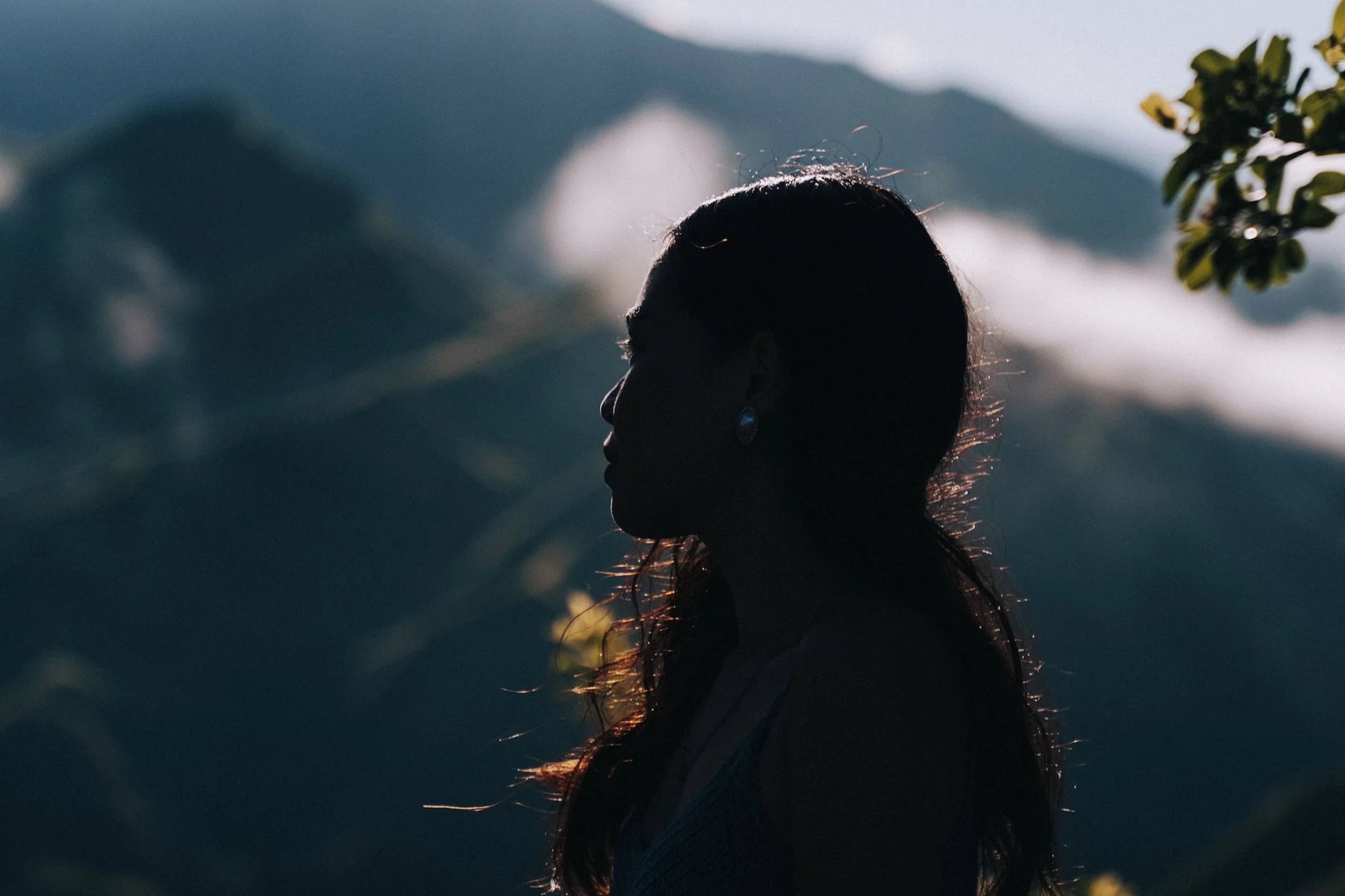
Nothing here is scripted. You walk at your own pace, and I meet the moment when it forms. A tilt of your head, a pause near a wind-carved tree, a step into a strip of light warming the snow — these small movements become the spine of the film. The weather shifts constantly around Fuji, and each change gives us something the scene can lean on: drifting clouds, crystalline clarity, wind sweeping the ridge. I guide just enough to make the frame coherent, then let the mountain shape the rest. In the end, what remains isn’t a session or a performance — it’s a fragment of your life carried in the shadow of the volcano, held long enough to be remembered in Japan.
About Me
I am Caz Isaiah — a Fragmented Memories couples photographer, shaping cinema from unscripted moments and the atmosphere around you. My work lives in the space between direction and intuition: the pull of weather, the shift of light, the breath before something real appears. Nothing posed, nothing forced — just scenes that feel lived and held with intention.
You can explore more on my About Me page.
