Philippines Prenup Photographer
Caz Isaiah | Philippines Prenup Photographer crafting cinematic stills shaped by terrain, light, and the way couples move through place
Philippines Prenup Photographer
Caz Isaiah | Philippines Prenup Photographer crafting cinematic stills shaped by terrain, light, and the way couples move through place
Before the Scene Begins
Some places do not announce themselves. They reveal slowly, through repetition, through the way mornings unfold and how people learn to wait.
I have learned the Philippines by moving through it at its own pace, watching how heat settles by midmorning, how roads soften after rain, how silence arrives in pockets between movement.
This work begins before a camera is lifted, in noticing how the Philippines behaves when nothing is being asked of it, and allowing that behavior to remain uninterrupted once a couple steps into the frame.
The Invitation
A prenup in the Philippines is not introduced — it is entered.
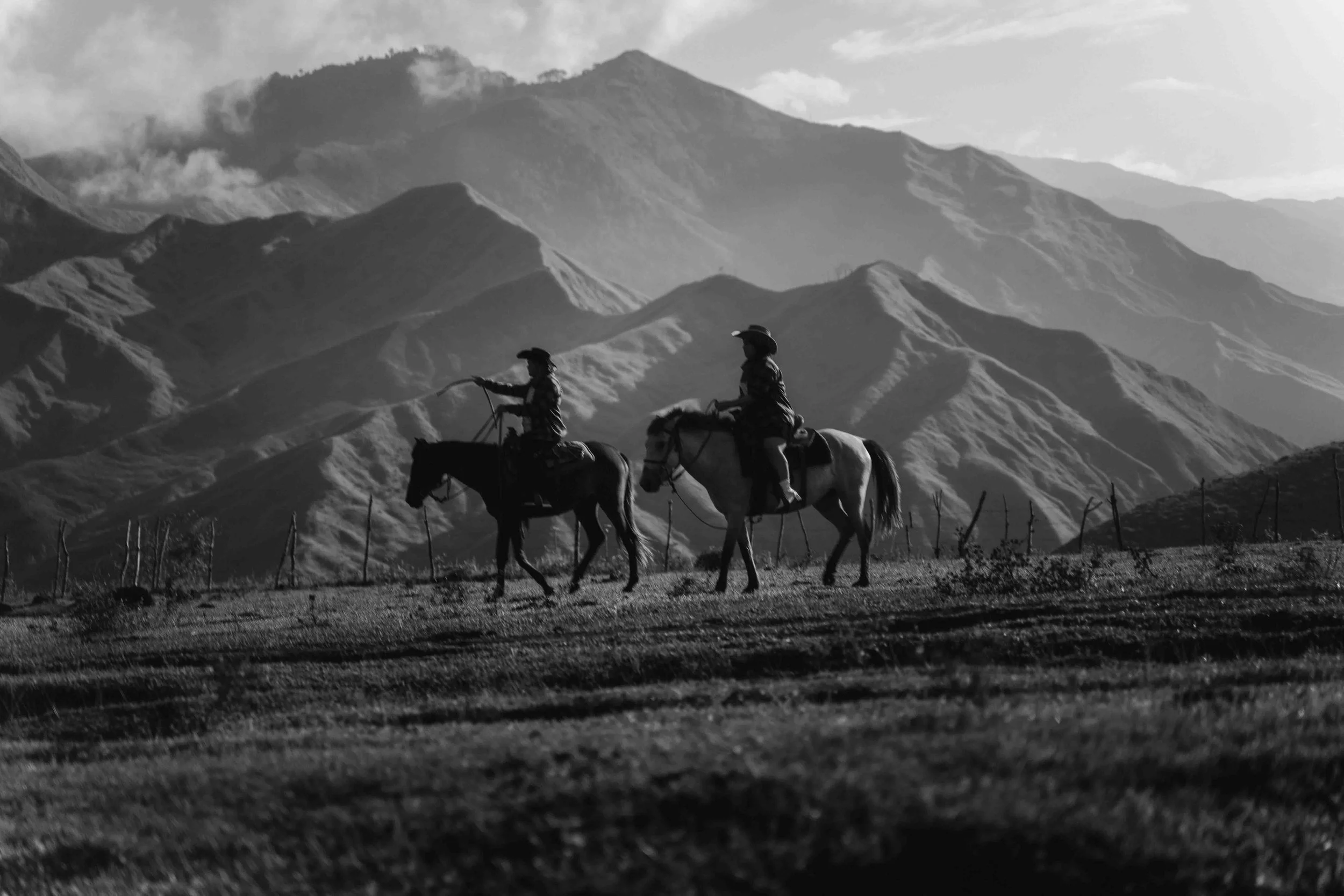
Arrival is rarely direct. It involves ferries that leave when they are ready, mountain roads that narrow without warning, coastal paths where footsteps slow because the ground asks for attention.
As couples move through the Philippines, posture changes almost immediately. Shoulders drop under open skies. Steps shorten on uneven ground. Eyes scan farther, not for landmarks, but for footing, for rhythm, for when to pause.
I move alongside this shift, responding rather than directing, letting the geography decide where standing still makes sense and where motion is necessary.
The Descent
Once the camera lifts, the Philippines begins shaping the still frames without effort.
Light does not rush here. It lingers, filtered by humidity, softened by distance, interrupted by passing clouds that rewrite the scene every few minutes.
Textures dominate attention: limestone worn smooth by years of touch, volcanic sand that absorbs heat differently by hour, wooden walkways that creak just enough to influence timing.
There is no schedule that survives long in the Philippines. Timing belongs to tides, to weather moving inland, to how long it takes for a place to settle once people arrive.

The Scene
Location: Philippines — a shifting intersection of islands, elevation, and water that never behaves the same way twice.
The scene unfolds across contrasts: sharp mountain ridges giving way to slow coastal flats, dense urban corridors opening suddenly into empty stretches of road.
In one sequence, the ground dictates distance, forcing space between bodies as footing becomes careful. In another, wide horizons pull couples closer together, not out of emotion, but out of instinct against scale.
The Philippines changes during the shoot without asking permission. Heat builds, wind redirects attention, crowds thin or gather. Each adjustment reshapes the frame, and the photographs respond accordingly.
This could only be photographed here, because the Philippines does not allow repetition. It insists on presence.
What It Actually Feels Like
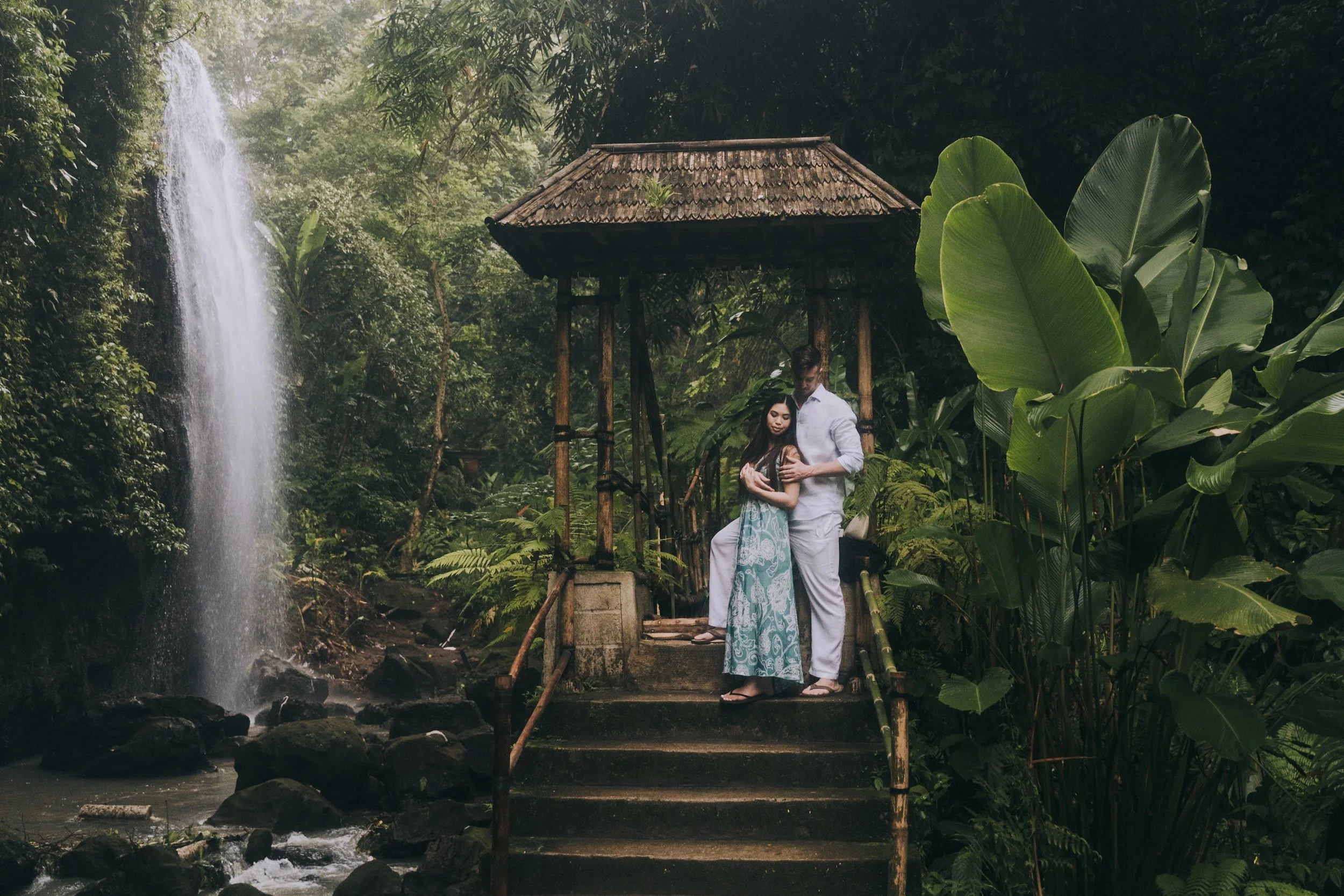
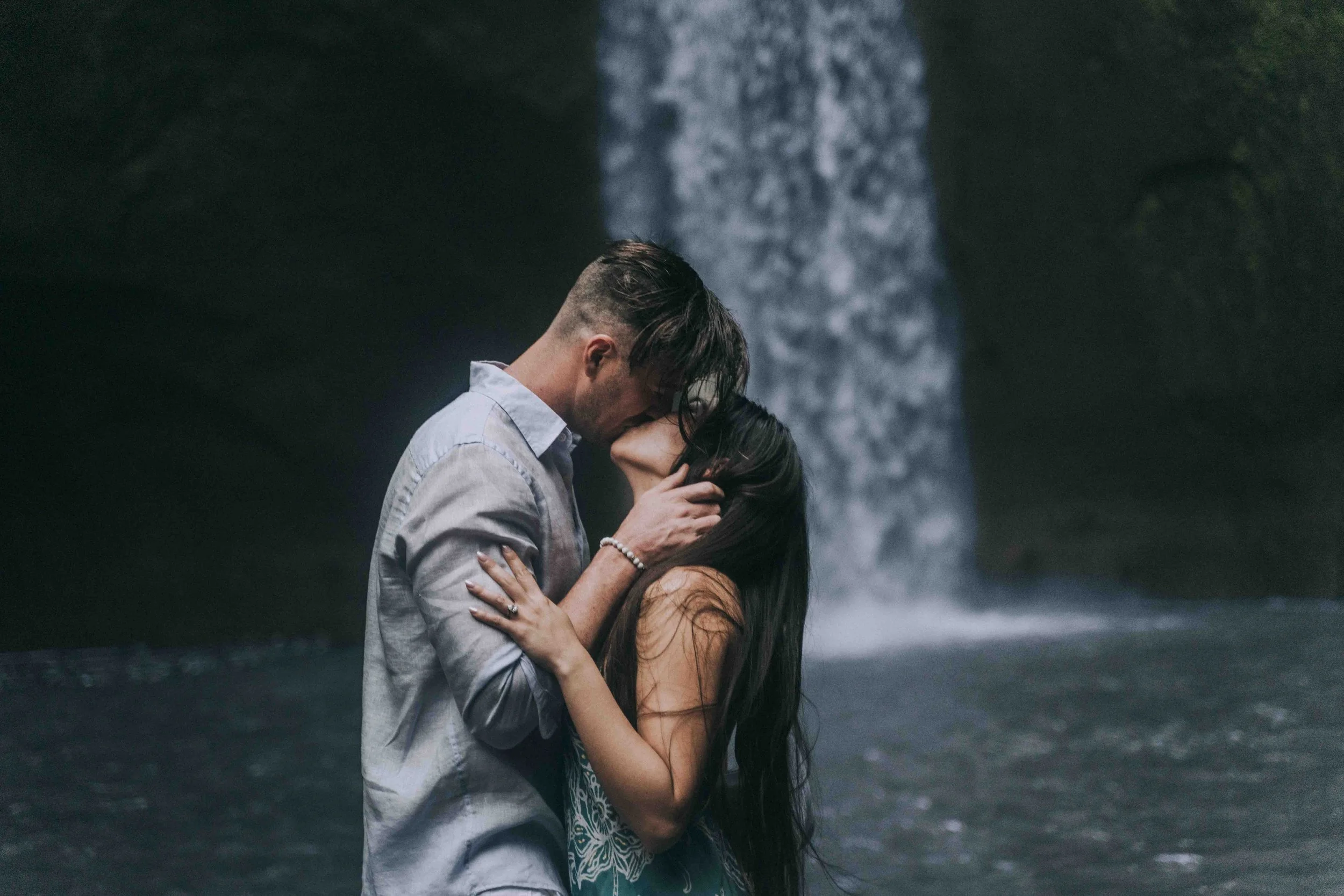
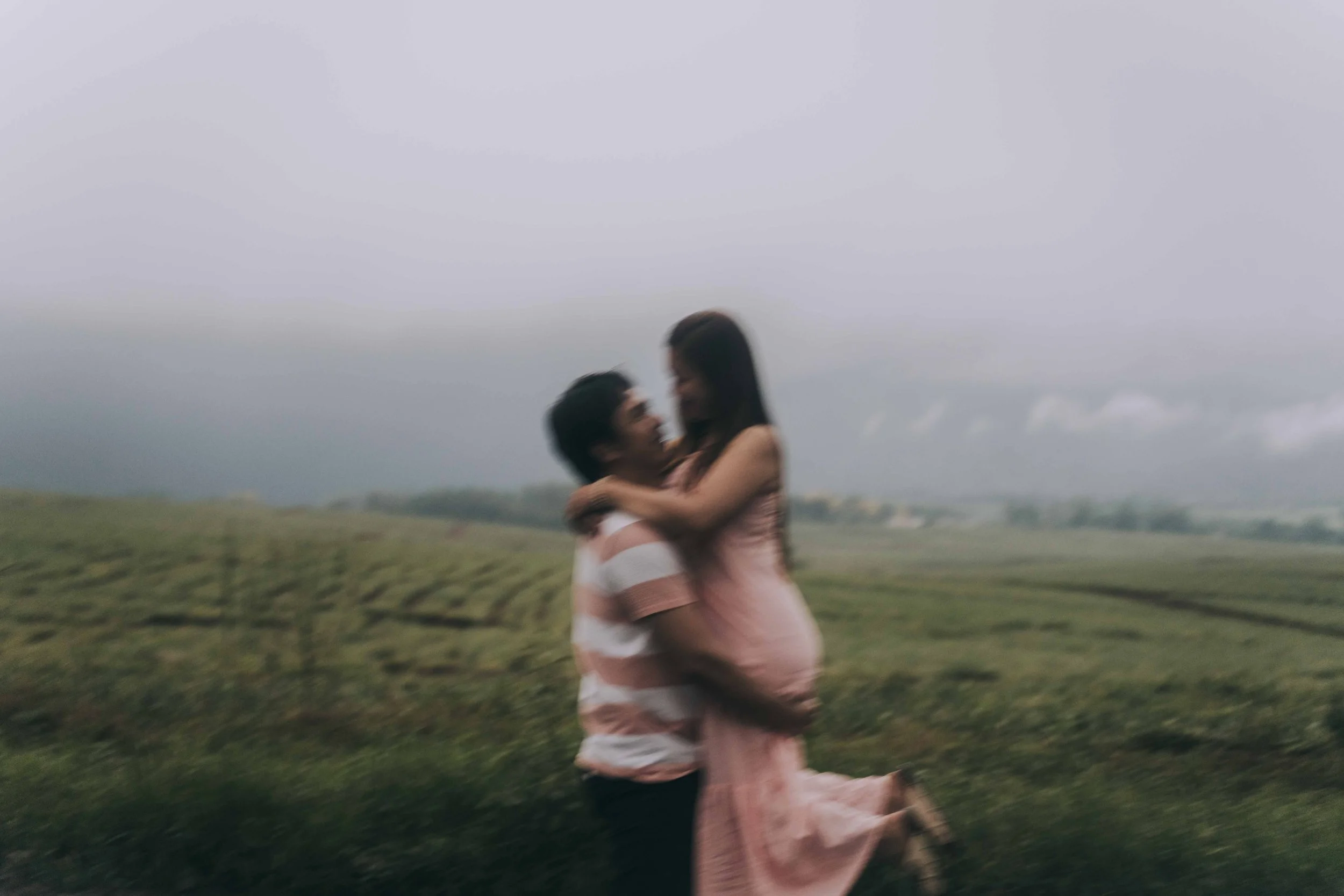
You’ll receive 40–50 hand-edited stills, shaped through light and atmosphere into a visual cinematic memory. The experience may unfold in one setting or move across multiple locations and days, allowing contrast and progression without breaking the feeling of the story.
The Way a Scene Finds Its Shape
I do not arrive with a plan for the Philippines. I arrive with awareness.
Routes shift when rain settles into the afternoon. Locations adjust when access changes without notice. Silence appears where crowds were expected, and noise interrupts where emptiness seemed certain.
These constraints are not obstacles. They are the structure.
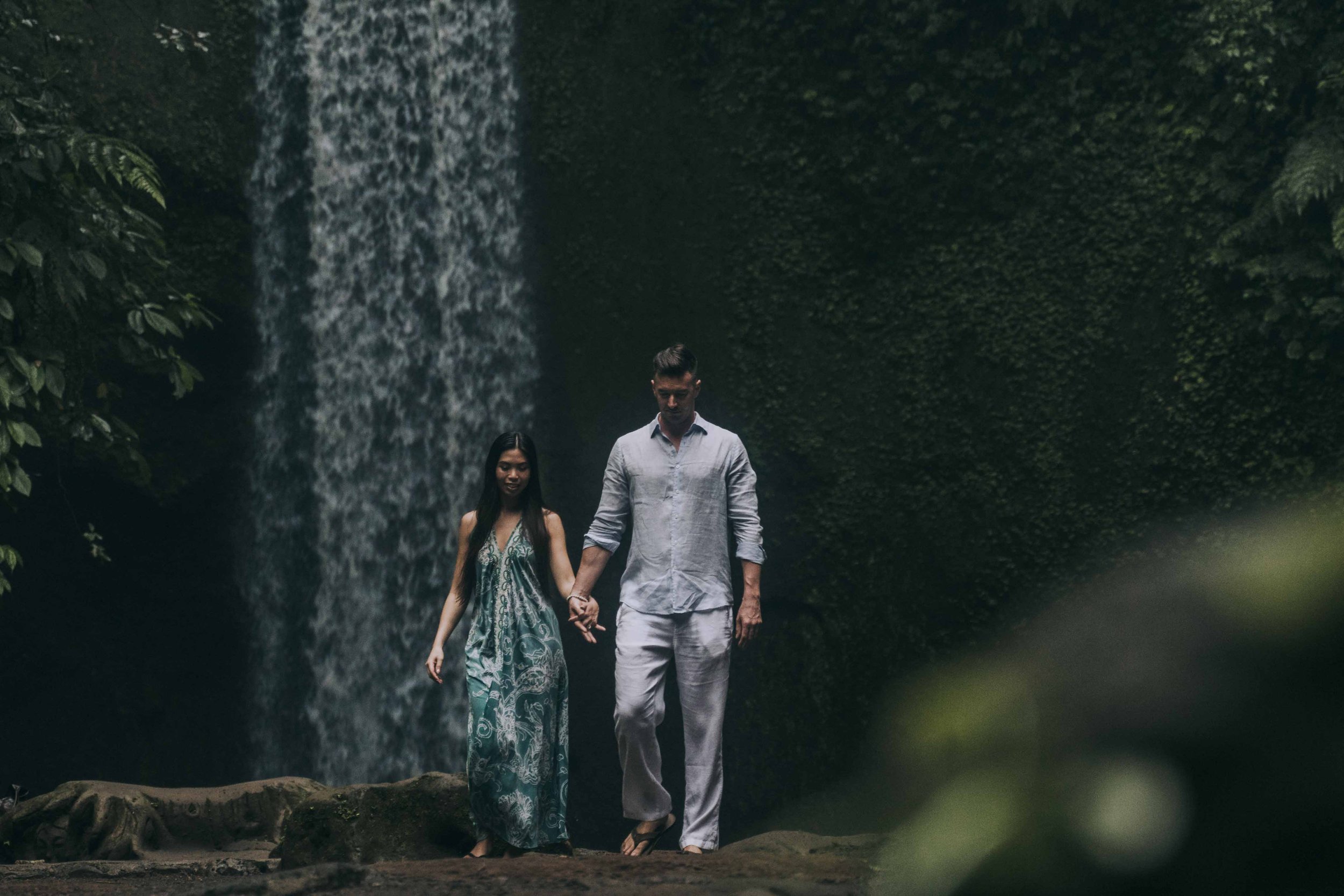
By adapting to how the Philippines moves — when it opens, when it resists, when it asks for patience — the photographs take their final shape naturally. Nothing is forced. Nothing is staged.
The work remains observational, built from attention rather than control, allowing each scene to arrive as it is and leave without being held too tightly.
About Me
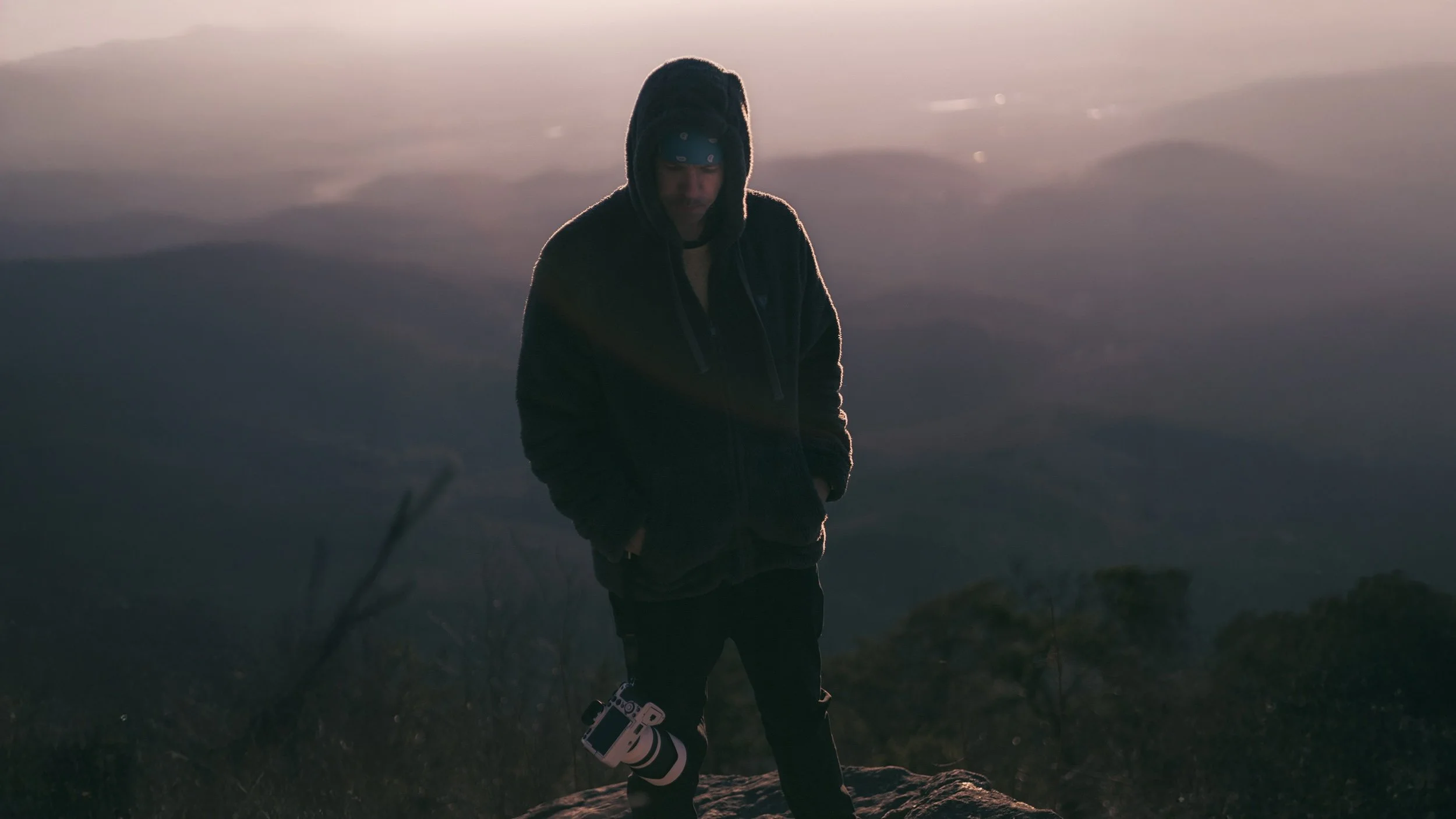
I am Caz Isaiah, a cinematic photographer drawn to unscripted moments shaped by place, movement, and restraint. My work lives between observation and timing — how bodies settle into a space, how light and terrain quietly influence a scene. Nothing posed, nothing forced — just still photographs that feel lived-in and held with intention.