Port Barton Prenup Photographer
Caz Isaiah | Port Barton Prenup Photographer captured through stills and films shaped by tide cycles, footpaths, and the slowed island cadence
Port Barton Prenup Photographer
Caz Isaiah | Port Barton Prenup Photographer captured through stills and films shaped by tide cycles, footpaths, and the slowed island cadence
Before the Scene Begins
You recognize the moment by its quiet, not by any signal that announces it.
I have learned to move with coastal towns in the Philippines where time bends around tides, banca departures, and the long pauses between arrivals.
In Port Barton, the day does not begin with urgency but with adjustment. Footsteps soften as sand replaces pavement, and voices lower because distance carries sound farther here. Movement is slower not by choice but by environment, as humidity settles early and the shoreline dictates when things begin. The camera stays patient because the place itself sets the tempo. Port Barton asks you to wait, and waiting becomes part of the scene.
The Invitation
A prenup in Port Barton is entered through transition.
Arrival usually comes by a narrow road that loosens its grip the closer you get, shifting from concrete into dust, then opening toward water without ceremony. People move on foot or by small motorbike, often barefoot by midday, because footwear becomes optional once the sand takes over. In Port Barton, posture changes naturally as shoulders relax and steps widen to match the uneven shoreline. I respond to this by keeping distance, allowing couples to find their rhythm before the camera ever lifts. The invitation here is not spoken. It is felt when the noise falls away and the horizon becomes the main reference point.
The Descent
Once the camera lifts, Port Barton begins to supply the scene.
The soundscape is layered but restrained, waves breaking without drama, wood hulls knocking softly against posts, wind threading through palms at irregular intervals. Timing is governed by tide charts and light angles that flatten or deepen the shoreline depending on the hour. Direction remains minimal because the environment offers its own structure. Sandbars appear and vanish, boats drift into frames unplanned, and cloud cover shifts contrast without warning. In Port Barton, the work becomes an act of listening. The camera follows rather than leads, adjusting exposure and distance as the place reshapes itself minute by minute.
The Scene
Location: Port Barton — a crescent shoreline bordered by palms, shallow reefs, and small fishing boats resting just offshore.
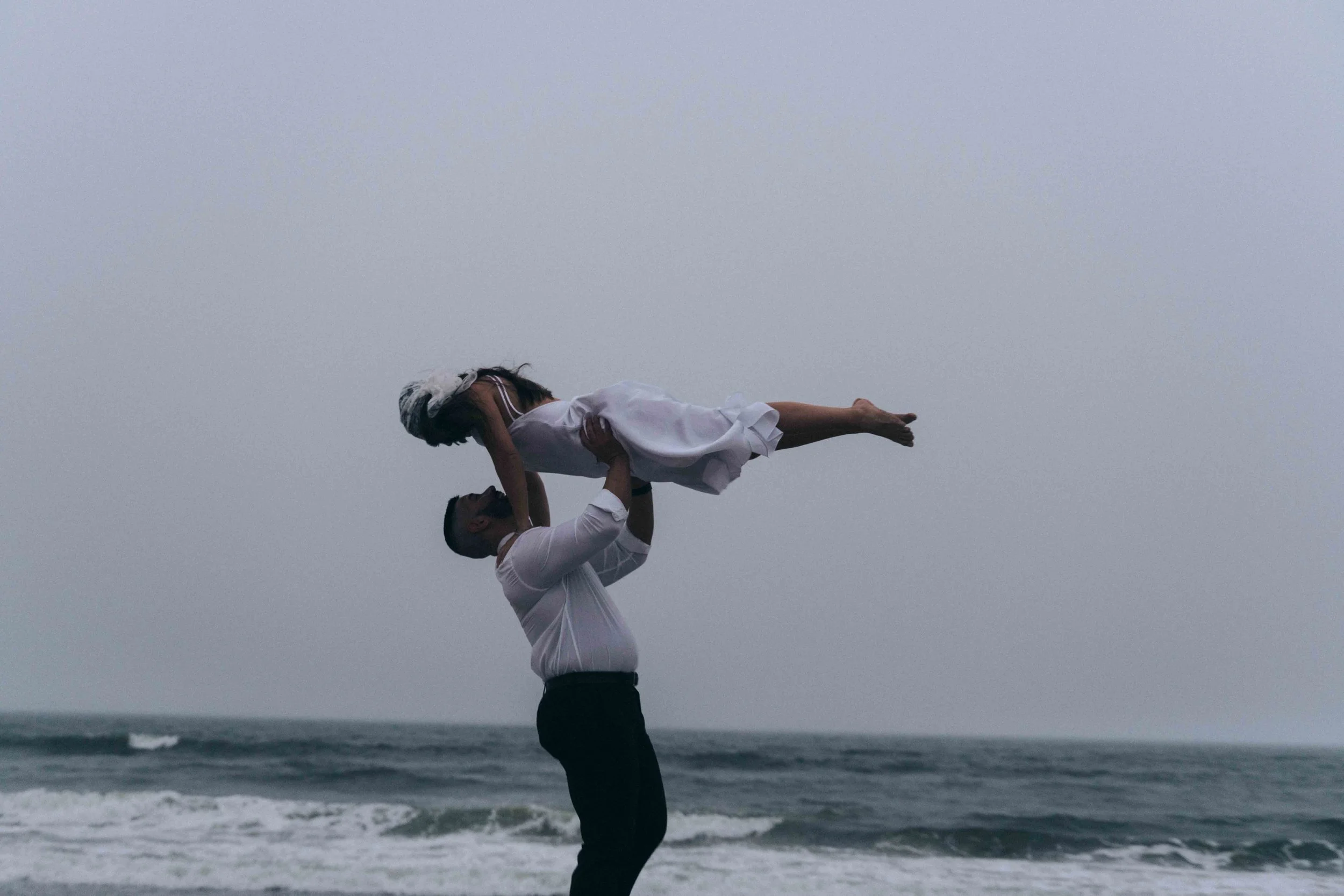
The sequence begins with walking, because that is how Port Barton reveals itself. Footprints trail behind and disappear quickly as the tide creeps forward. Boats pass slowly in the background, their engines muted by distance and humidity. As the afternoon advances, the shoreline narrows and movement tightens, drawing bodies closer together without instruction. Port Barton changes as the sun lowers, shadows stretching across sand while the water darkens by degrees. The scene shifts again when evening approaches and the beach empties, leaving only the steady rhythm of waves and the occasional lantern flicker from shore. This could only happen here, where access, tide, and light collaborate without intervention. Port Barton does not frame itself for the camera; it allows the camera to remain long enough to notice.
What It Actually Feels Like
You’ll receive 40–50 hand-edited stills, shaped through light and atmosphere into a visual memory. The experience may unfold in one setting or move across multiple locations and days, allowing contrast and progression without breaking the feeling of the story.
For motion, a 6–12-minute film can be added, drawn from the same moments as the stills.
The Way a Scene Finds Its Shape
In Port Barton, adaptation replaces planning.
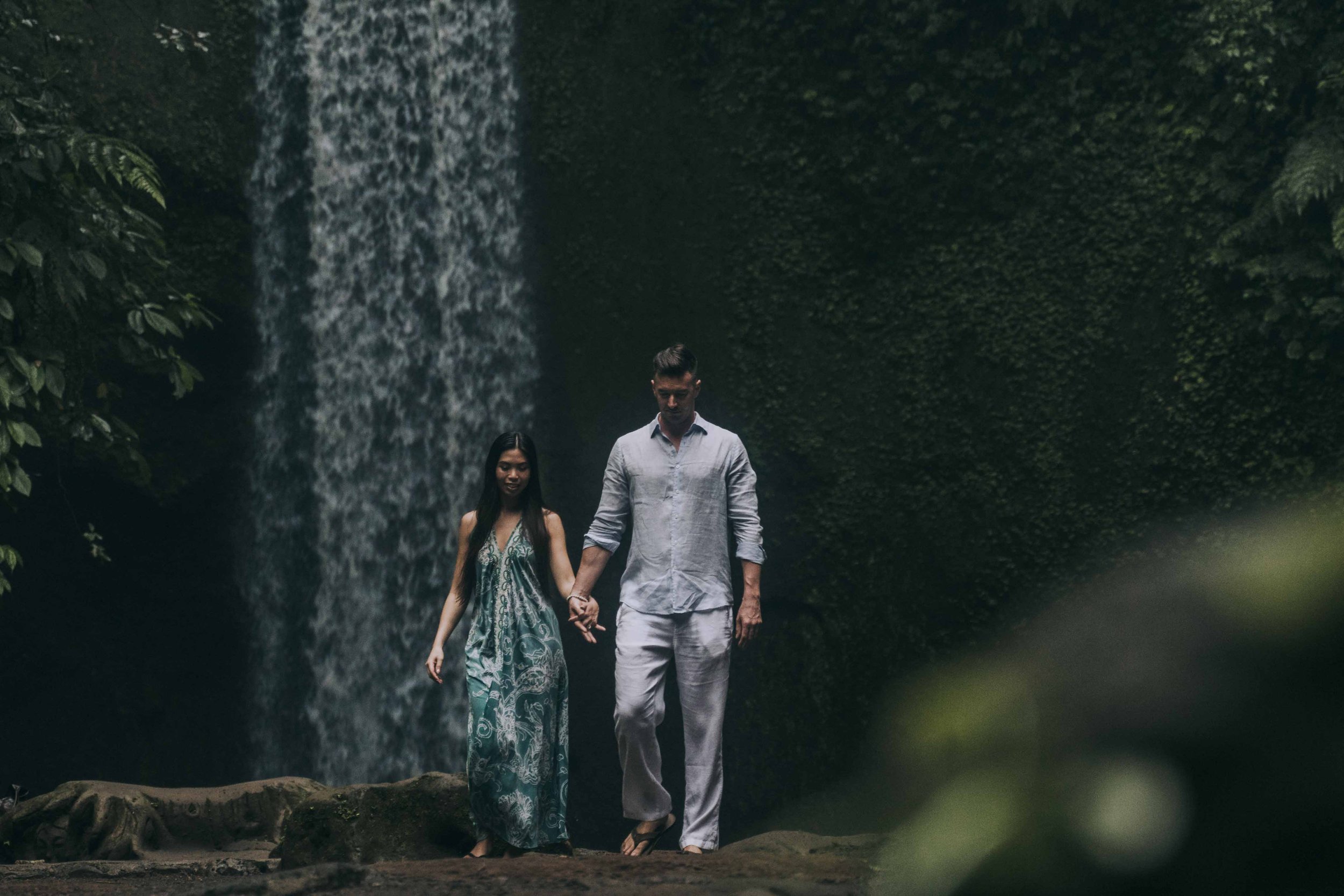
Routes change depending on tide height, and pauses occur when bancas cut across the shoreline unexpectedly. Heat influences stamina, pulling sessions into early morning or late afternoon when movement becomes sustainable again. I work within these constraints, letting the environment offer moments rather than extracting them. The result is responsive, shaped by what Port Barton gives freely and what it withholds without apology. Each still stands as a complete frame, and each film sequence breathes at the pace the place demands. Nothing is produced. Everything is received.
About Me
I am Caz Isaiah — a Fragmented Memories photographer, shaping cinema from unscripted moments and the atmosphere around you. My work lives in the space between direction and intuition: the pull of weather, the shift of light, the breath before something real appears. Nothing posed, nothing forced — just scenes that feel lived and held with intention.