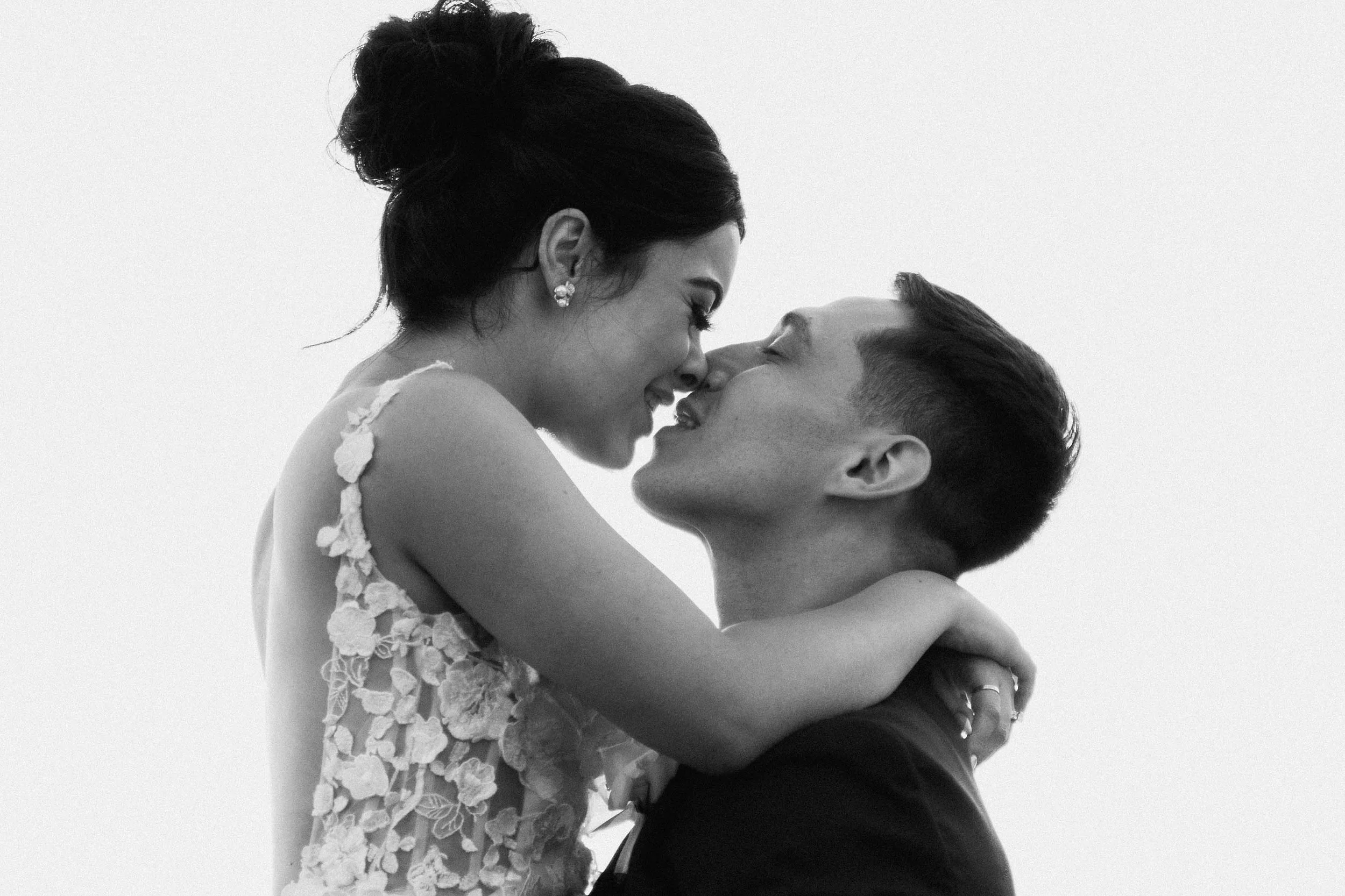
Seoul Couples Photographer
Caz Isaiah | where a Seoul Couples Photographer turns films and stills into night-lit fragments carried by alleys, river wind, and drifting neon
Seoul Couples Photographer
Caz Isaiah | where a Seoul Couples Photographer turns films and stills into night-lit fragments carried by alleys, river wind, and drifting neon
Before the Scene Begins
Before anything begins in Seoul, the city carries its own pulse — soft morning haze over the Han River, lanterns flickering awake in alleyways, the distant whir of a bus drifting through the dawn. I’m not here to orchestrate each moment, nor to slip entirely into the shadows. I meet the day where its atmosphere begins. What follows isn’t a timeline — it’s a current, the underlayer of how a moment becomes cinematic when Seoul’s light and sound move with you.
The Invitation
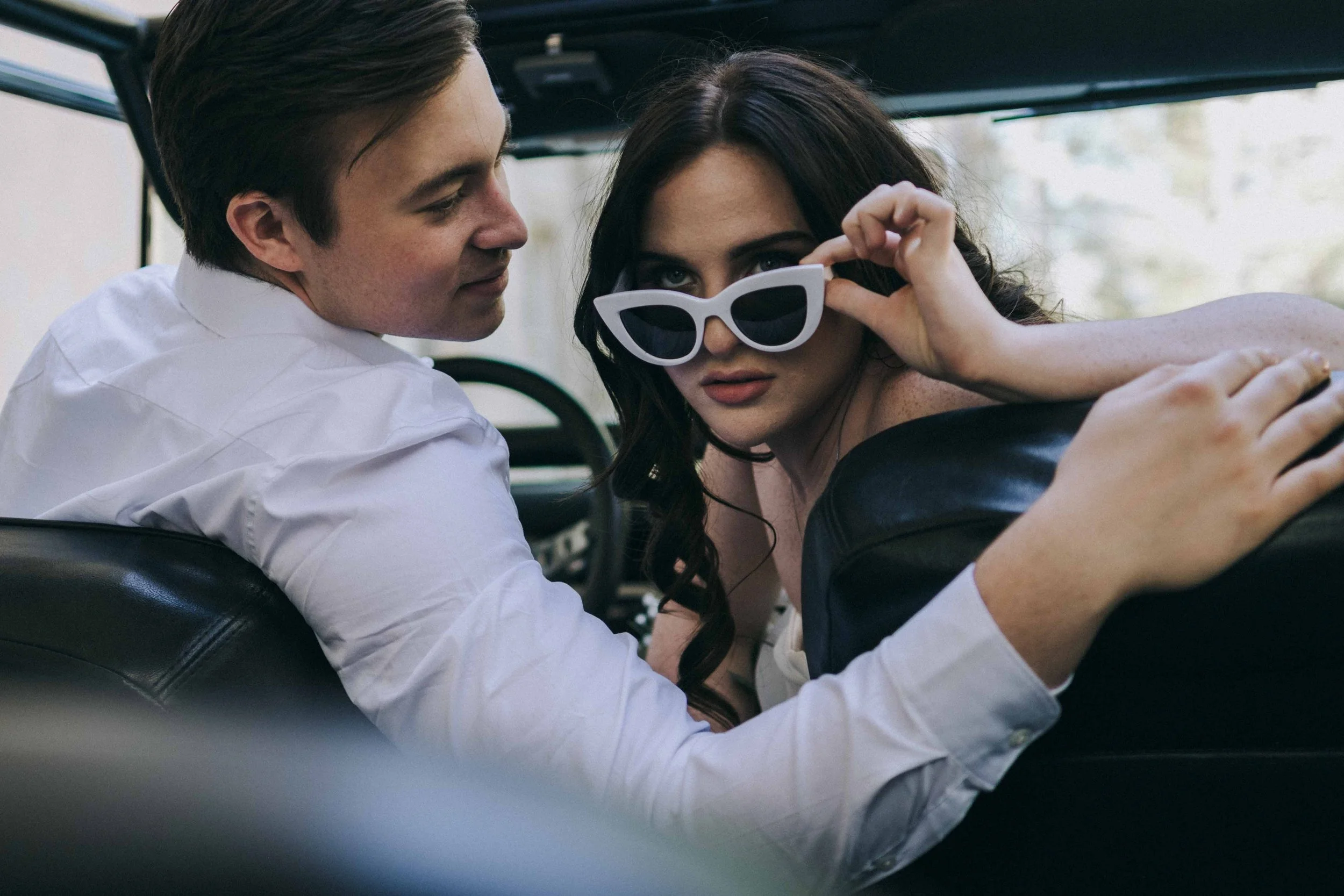
Stepping into the lens in Seoul feels like the world subtly bending around your movement. One moment you walk through a narrow street, and the next, the light thickens — soft glow reflecting off stone walls, neon catching your outline, wind brushing through tree canopies in the palace gardens. You move as you naturally do: the pace of your steps, the quiet between breaths, the way the city reacts to you. When something sharpens — a sliver of shade beneath a hanok roofline, a ripple of light from passing traffic, a stillness before the crosswalk begins to hum — I guide you into it. Never posed, never staged, only aligned with what Seoul is already opening.
The Descent
Once the camera lifts, the city begins feeding the frame: subway doors exhaling warm air, leaves shifting across temple courtyards, the muted echo of your footsteps on river paths. You move without pressure, and I follow the tone you’re setting. When Seoul gives us something perfect — the flare of a neon sign in the distance, a quiet pause under a stone archway, the soft tug of wind catching loose fabric — I refine the moment with barely a touch. A held breath. A slight turn. A pause long enough for the atmosphere to settle. Time loosens, and suddenly the film doesn’t feel crafted — it feels entered.
The Scene
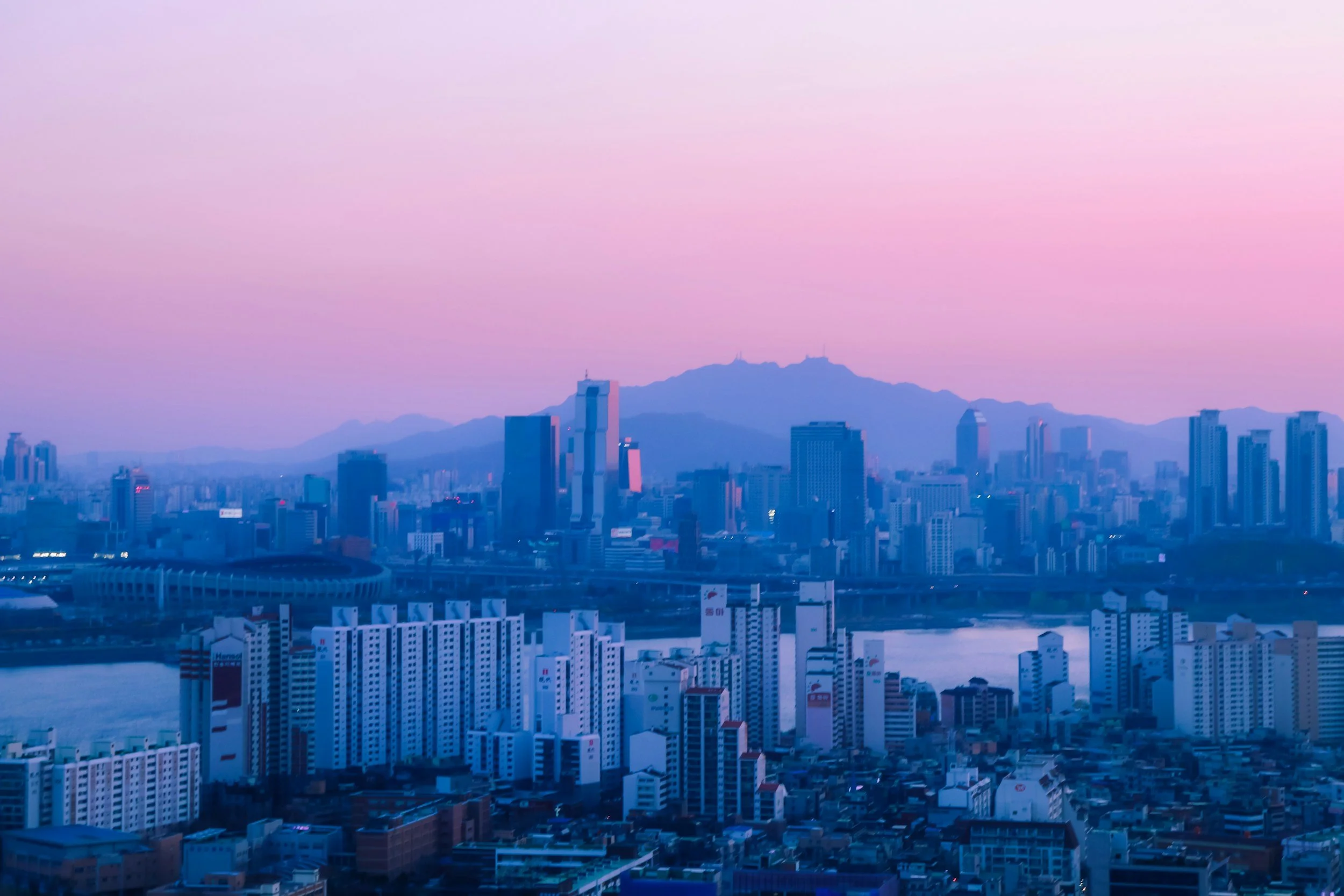
Location: Seoul at blue hour, where neon rises like memory and the river glows with the last trace of day.
It begins along the Han, the sky shifting into a deep electric blue, its reflection trembling across the water. You walk beside each other, the city glowing behind you — soft, blurred lights layered like brushstrokes. The first fragment forms in the sway of your shadows stretching toward the river’s edge.
A cyclist passes quietly behind you, and the ripples of their movement shimmer in the light. You turn toward one another, silhouettes sharpening against the glow rising from the bridges. Nothing is instructed; the city itself invites the moment.
You wander toward a narrow alley in Ikseon-dong, lanterns humming with warm color. The air is thicker here, edged with the scent of evening. Your hands brush lightly, and the camera drifts closer as reflections catch in a window beside you — doubling your outline in soft, fractured light.
As night deepens, the neon brightens. A pink sign flickers behind you, painting the scene in gentle pulses. You pause without being asked. The world quiets around you, except for the hum of distant traffic and the whisper of fabric shifting between you. The final shot pulls back as you step into a glow-soaked doorway, leaving the moment to dissolve into grain, color, and breath.
What It Actually Feels Like
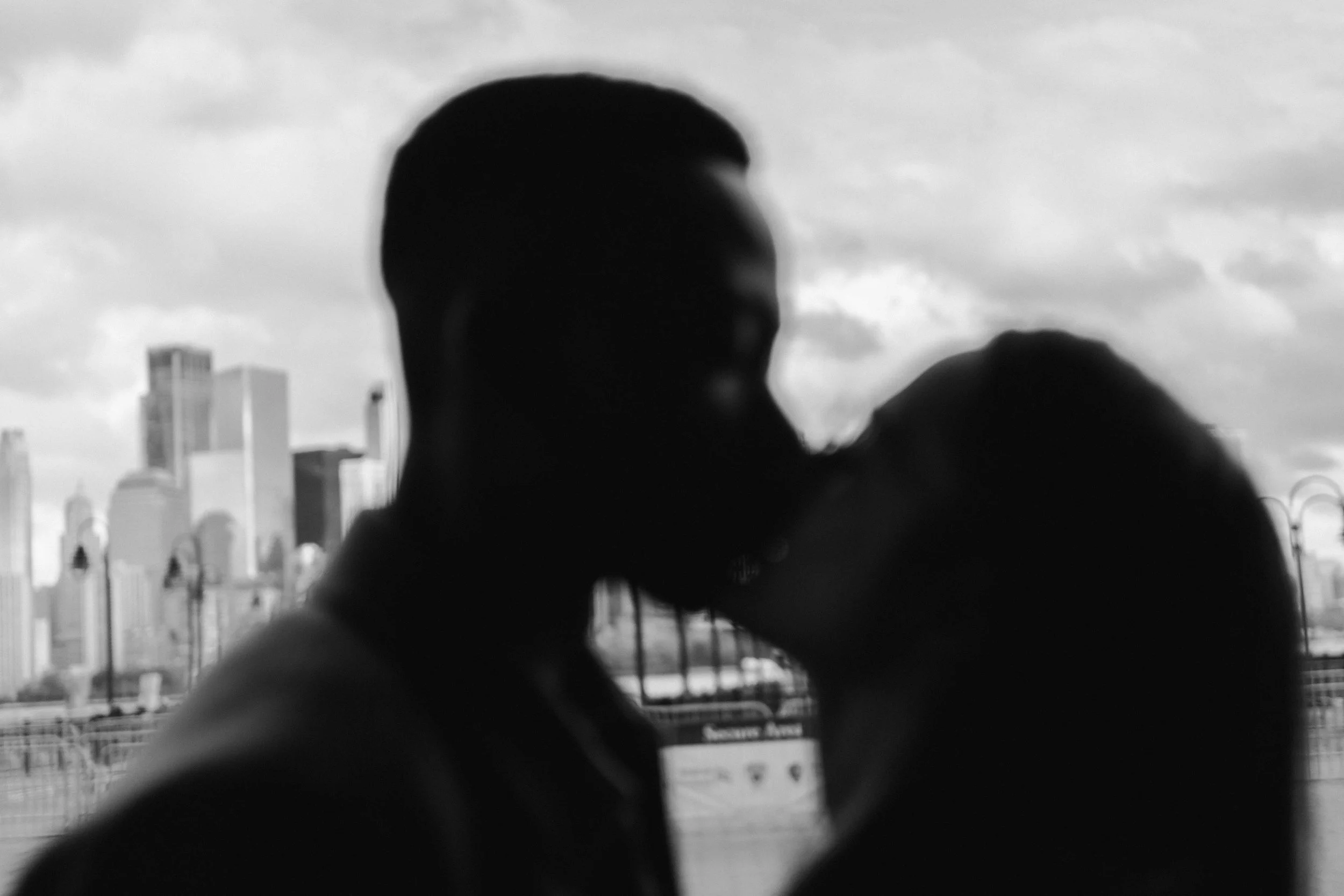
You’ll receive 40–50 hand-edited stills, shaped through light and atmosphere into a visual memory. The experience may unfold in one setting or move across multiple locations and days, allowing contrast and progression without breaking the feeling of the story.
For motion, a 6–12-minute film can be added, drawn from the same moments as the stills.
The Way a Scene Finds Its Shape
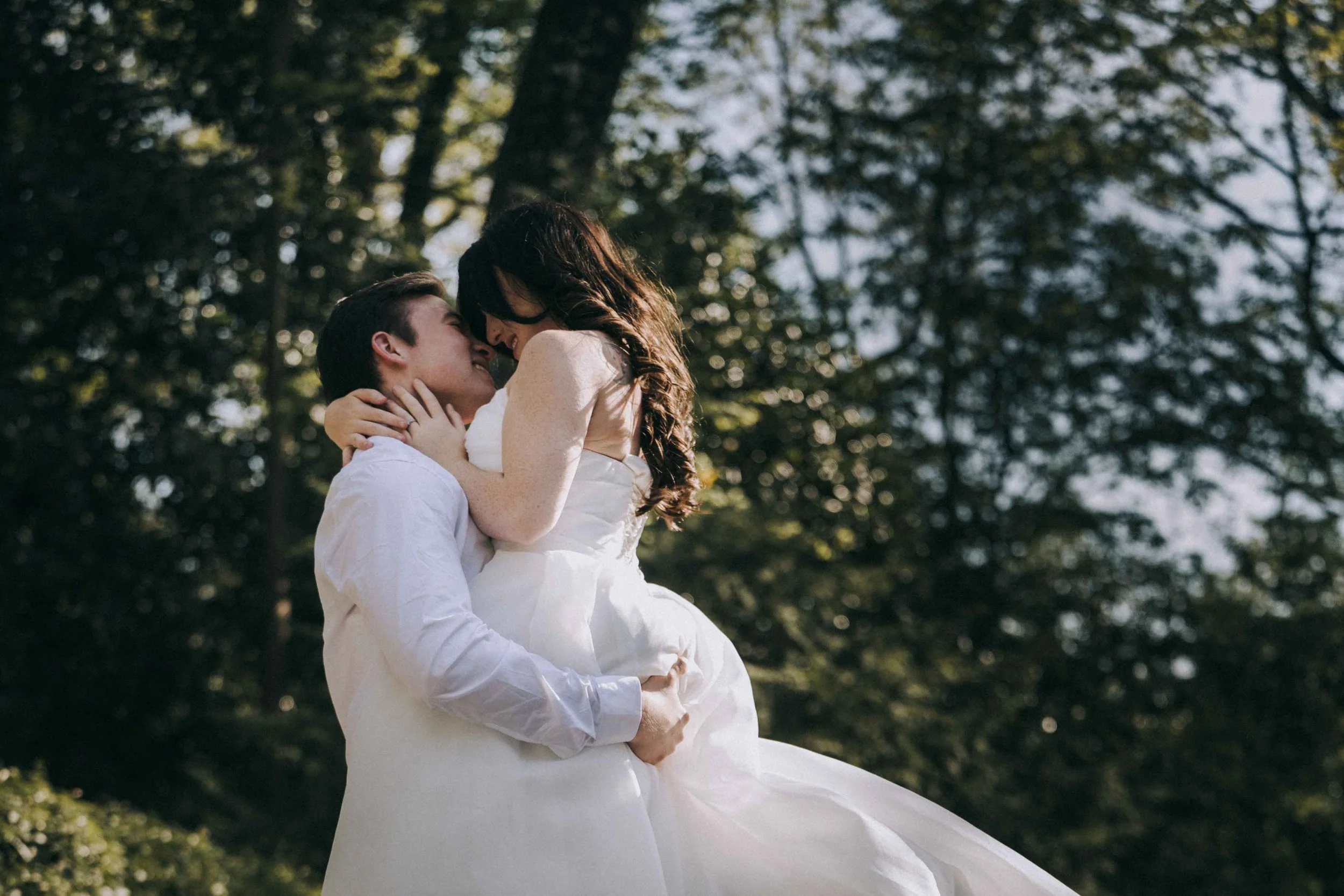
In Seoul, scenes grow from atmosphere — wind catching your coat, neon flickering across your outline, soft shade beneath old stone walls. You walk, pause, turn, breathe — and when the light or sound aligns, I refine the moment with subtle direction. Not posing. Not choreography. Just instinct shaped by environment. The city adds everything else: reflections, echoes, warmth, the shifting tension between quiet corners and bright avenues. In the end, what remains is not a session — it’s a cinematic fragment, held long enough to feel like memory.
About Me
I am Caz Isaiah — a Fragmented Memories couples photographer, shaping cinema from unscripted moments and the atmosphere around you. My work lives in the space between direction and intuition: the pull of weather, the shift of light, the breath before something real appears. Nothing posed, nothing forced — just scenes that feel lived and held with intention.
You can explore more on my About Me page.
